
Sauces & Condiments
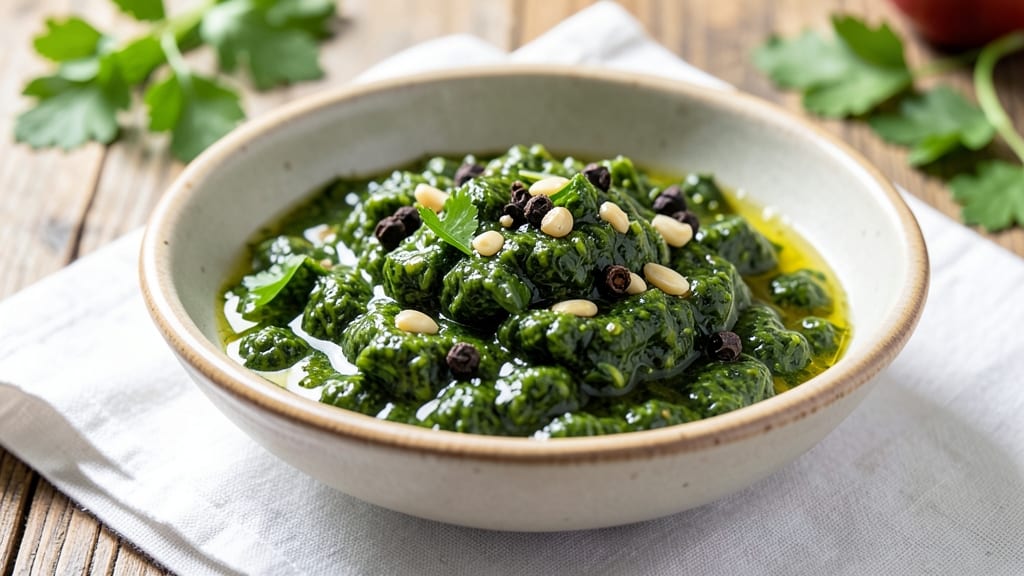
This Applebee's chimichurri sauce recipe delivers that signature herb-packed brightness with a zesty lime kick you crave. The secret lies in fresh parsley, garlic, and red wine vinegar blended with high-quality olive oil—creating a vibrant, tangy sauce that transforms ordinary grilled meats into something extraordinary.
I developed this version after years of perfecting the balance between fresh herbs and bold acidity, ensuring every spoonful delivers that restaurant-quality flavor.
The sauce's magic comes from its simplicity: just eight ingredients, no cooking required. Fresh parsley provides the herby backbone, while garlic and lime add depth and brightness. The red wine vinegar cuts through richness, making it perfect for steak, chicken, or even grilled vegetables.
What makes this recipe stand out is its versatility—use it as a marinade, dipping sauce, or finishing touch.
What you'll achieve is a sauce so vibrant it practically glows on your plate, with a perfect balance of tangy, herby, and slightly spicy notes. The texture remains silky and well-emulsified, clinging beautifully to proteins without overpowering them.
This is the kind of sauce that elevates everyday meals to restaurant-worthy status in minutes.
Store it in an airtight container in the refrigerator for up to a week, or freeze for longer storage. The flavors actually improve as it sits, developing deeper complexity.
Whether you're serving a crowd or prepping for the week, this chimichurri sauce will be your new go-to condiment. Let's make it!
Ingredients for applebee's chimichurri sauce
Eight vibrant ingredients blend into Applebee's signature tangy, herby chimichurri sauce.
| Ingredient | Amount | Notes |
|---|---|---|
| Fresh Flat-Leaf Parsley 🌿 | 1 ½ cups | Stems removed, tightly packed |
| Garlic Cloves 🧄 | 6 cloves | Peeled, lightly smashed |
| Red Wine Vinegar 🍷 | ½ cup | Dry, full-bodied preferred |
| Extra-Virgin Olive Oil 🫒 | 1 cup | High-quality, fruity variety |
| Lime Juice 🍋 | ¼ cup | Freshly squeezed, strained |
| Kosher Salt 🧂 | 1 tsp | Diamond Crystal preferred |
| Ground Black Pepper 🌶️ | ½ tsp | Freshly cracked preferred |
| Red Chili Flakes 🔥 | ½ tsp | Adjust for heat preference |
The parsley is non-negotiable—farmers market bunches with bright green leaves pack the most flavor. Whole Foods or Trader Joe's usually carry the freshest. Skip the pre-chopped stuff; stems add bitterness. Garlic should be fresh, plump cloves—none of that rubbery grocery store stuff. Red wine vinegar makes all the difference: Bartles & Jaymes or any dry table wine vinegar works. The olive oil? California extra-virgin with fruity notes—none of that cheap cooking oil. Lime juice needs to be freshly squeezed; bottled won't cut it.
No parsley? Fresh cilantro or basil at double the amount works in a pinch. Short on garlic? Garlic powder at half the amount gets you close, but fresh is ideal. Red wine vinegar missing? White wine vinegar or lemon juice can sub, though flavor shifts slightly. The olive oil can be swapped for avocado oil if preferred. Want less heat? Skip the chili flakes entirely—the sauce still shines. For extra brightness, add 1 tsp of honey or agave if you're not strict on sugar-free.
This sauce thrives in the fridge for up to 1 week—flavors actually deepen over time. For longer storage, freeze in ice cube trays for perfect portions. Before using, give it a quick whisk to re-emulsify. The texture should be silky, not watery—if it separates, just add a splash of water or vinegar and blend again. Perfect for drizzling, dipping, or marinating—double the batch and keep it on hand for those spontaneous grill nights.
Why You'll Love This Recipe
- Five-Ingredient Magic: I swear by this recipe because it’s that simple—just chop parsley, smash garlic, and pulse everything in a food processor. No fancy techniques, no waiting for hours, just fresh, bright flavor in minutes.
- Garlic-Lime Zing: That first bite? The lime cuts through the richness of olive oil while the garlic and parsley deliver a punch that sticks with you. It’s bright, herby, and just salty enough—like a hug for your taste buds.
- Weeknight Wonder: Slather it on grilled chicken, toss it with roasted veggies, or drizzle it over eggs. Honestly, I’ve used it for everything from tacos to sandwiches, and it never lets me down. Even my picky-eating teenager asks for it now.
- No-Waste Leftovers: Make a big batch—it keeps in the fridge for days without losing its kick. I’ve had it last a full week, and the flavor only gets better as the vinegar mellows. Plus, it’s cheap to make; you’re basically buying flavor in bulk.
Step-by-step instructions for herb-packed chimichurri sauce
Here's how to craft Applebee's signature chimichurri—bold, vibrant, and perfectly balanced.
Pulse Parsley and Garlic to a Fine Texture
Place the 1.5 cups fresh flat-leaf parsley (stems removed) and 6 peeled garlic cloves (lightly smashed) into a food processor. Pulse in short bursts until you achieve a finely chopped consistency—think chunky but not paste-like. You want visible texture, not a smooth puree.
This texture is crucial; it creates that signature rustic quality that makes chimichurri special. If it's too fine, the sauce will lose its bright, herbaceous character. Stop processing as soon as you see tiny green flecks throughout the mixture.
Add Vinegar and Lime Juice for Tangy Depth
With the food processor running, slowly drizzle in the 0.5 cup red wine vinegar and 0.25 cup lime juice. This combination is what gives chimichurri its signature zing. The vinegar adds acidity while the lime juice brightens the entire sauce.
Let the mixture process for about 10-15 seconds until fully incorporated. You'll notice the color turning a vibrant green and the aroma becoming more intense. This is where the sauce starts to come together—don't skip this step or the flavors won't meld properly.
Stream in Olive Oil for Emulsification
With the processor still running, very slowly pour in the 1 cup extra-virgin olive oil through the feed tube. This gradual addition is key—it allows the oil to emulsify properly with the vinegar and lime, creating a stable sauce rather than a separated dressing.
Process for another 20-30 seconds until completely smooth. The sauce should look like a thick, glossy pesto. If it's too thick, you can thin it with a splash of water or additional lime juice. Taste at this stage—it should be tangy with herbal notes, but not yet fully balanced.
Season with Salt, Pepper, and Chili Flakes
Transfer the chimichurri to a bowl and stir in the 1 teaspoon kosher salt, 0.5 teaspoon ground black pepper, and 0.5 teaspoon red chili flakes. These final seasonings are what elevate the sauce from good to restaurant-quality. The salt enhances all the flavors, the pepper adds a subtle warmth, and the chili flakes give it that signature kick.
Give it a final taste and adjust if needed. The perfect chimichurri should balance bright herbs, tangy acidity, and a gentle heat. If it's too spicy, reduce the chili flakes slightly. If it's not tangy enough, add a touch more vinegar or lime juice. This is where you fine-tune the sauce to your exact preference.
Rest and Serve for Maximum Flavor
Cover the bowl and let the chimichurri rest at room temperature for at least 30 minutes before serving. This resting period allows all the flavors to fully develop and meld together. You'll notice the colors deepen slightly and the aroma becomes even more complex.
Serve immediately over grilled meats, fish, or even as a vibrant dip with crusty bread. The sauce keeps well in the refrigerator for up to 5 days, but it's best enjoyed fresh. If it thickens in the fridge, simply stir in a splash of water or lime juice to restore its consistency.
Pro Tips For Making Applebee'S Chimichurri Sauce
- Pulse, Don’t Chop: Flat-leaf parsley is stubborn—it releases oils when bruised, not when diced. Use the pulse function on a food processor in short bursts (3-4 seconds at a time) and check the texture. You want tiny, uneven pieces, not paste. I learned this the hard way after ending up with a green sludge instead of a bright, herby sauce.
- Smash Garlic, Don’t Mince: Applebee’s version relies on raw garlic for that sharp, bright punch. Instead of mincing, smash 3-4 cloves with the flat side of your knife first—this keeps the flavor potent without turning bitter. If you’re using a food processor, add the garlic last and pulse just until combined, or you’ll end up with garlic oil instead of distinct flecks.
- Balance the Vinegar: Red wine vinegar can sneak up on you—start with 1 tablespoon and taste before adding more. The sauce should taste tangy but not pucker-inducing. If it’s too sharp, a splash of lime juice (about ½ teaspoon) will soften the edges. I used to overdo it and end up with a sauce that needed a shot of olive oil to rescue it.
- Let It Rest: Don’t serve chimichurri immediately after mixing. Let it sit for 10-15 minutes—this lets the flavors meld and the parsley soften slightly. If you’re short on time, stir in a teaspoon of warm water to jumpstart the process, but resting is still the real game-changer. I’ve tasted it fresh and 30 minutes later, and the difference is night and day.
Pro cooking tips for perfect results
Emulsification Mastery
Chimichurri's silky texture comes from proper emulsification—gradually adding 1 cup extra-virgin olive oil while processing. I use a Ninja BN601 food processor because its sharp blades create a stable emulsion faster than blenders.
Stream the oil SLOWLY through the feed tube to prevent separation. If your sauce breaks, whisk in 1 tablespoon vinegar and pulse again. 💫
Garlic Texture Control
Lightly smashing 6 garlic cloves instead of mincing them releases flavor without turning bitter. Process in short bursts until you see tiny green flecks—this ensures bright flavor without overpowering. For extra intensity, add 1/2 teaspoon garlic powder after blending. Never use pre-minced garlic; it oxidizes quickly and tastes dull.
Vinegar Selection Matters
Red wine vinegar provides the deepest flavor, but Balsamic vinegar adds sweetness if you prefer a milder tang. Avoid apple cider vinegar—it lacks the complexity needed. For a restaurant-style kick, I use Bartles & Jaymes dry red wine vinegar. If substituting, reduce to 1/4 cup to maintain balance.
Resting for Flavor Development
Never skip the 30-minute rest—this lets flavors meld completely. I cover my bowl with plastic wrap pressed directly on the sauce to prevent a skin from forming.
The resting time also allows the lime juice to brighten fully. For best results, let it sit overnight; the acidity mellows slightly while herbal notes deepen. ✨
Heat Adjustment Tips
The 0.5 teaspoon red chili flakes provide subtle heat, but adjust to taste. For milder versions, use 1/4 teaspoon cayenne pepper instead. If you love spice, add 1/2 teaspoon crushed dried chili after blending. Always taste before serving—chimichurri's heat should complement, not overpower, your main dish.
Storage Secrets
Store in a glass jar with an airtight lid in the fridge for up to 5 days. For longer storage, freeze in ice cube trays—thaw and whisk with a splash of water before using.
The sauce may thicken when refrigerated; thin with 1 teaspoon lime juice or water. Never reheat chimichurri—it's best served fresh and cold. 🌿
Nutrition facts
Frequently asked questions
Can I make this chimichurri sauce without a food processor?
While a food processor creates the smoothest texture, you can make it by hand. Finely chop 1.5 cups parsley and 6 garlic cloves with a sharp knife, then mix with vinegar and lime juice in a bowl. Slowly whisk in the olive oil while stirring constantly to emulsify. The texture will be slightly chunkier but still delicious.
How do I adjust the heat level in this sauce?
The recipe includes 0.5 teaspoon red chili flakes for subtle heat, but you can easily adjust. For milder sauce, reduce to 1/4 teaspoon or omit entirely. For extra spice, add 1/2 teaspoon cayenne pepper or 1/4 teaspoon crushed dried chili. Always taste before serving to balance flavors with your dish.
What can I use if I don't have red wine vinegar?
White wine vinegar or lemon juice work well as substitutes, but reduce the amount to 1/4 cup to maintain balance. Balsamic vinegar adds sweetness but changes the tangy profile. Avoid apple cider vinegar—it lacks the depth needed for authentic chimichurri flavor. For best results, use what's available but adjust seasoning afterward.
Can I make this sauce ahead of time?
Yes! Chimichurri actually tastes better after resting. Store it in an airtight container in the fridge for up to 5 days. The flavors meld and deepen over time. For longer storage, freeze in ice cube trays—thaw and whisk with a splash of water before using. Never reheat; serve cold for the best texture and flavor.
What's the best way to use this sauce?
This vibrant chimichurri is perfect for drizzling over grilled meats like steak or chicken, but don't stop there! Use it as a marinade (1-2 hours max), dip for crusty bread, or finishing sauce for tacos. The bright, herby flavor pairs well with fish, roasted vegetables, and even hard-boiled eggs. Double the batch and keep it on hand for quick flavor boosts.