
Sauces & Condiments
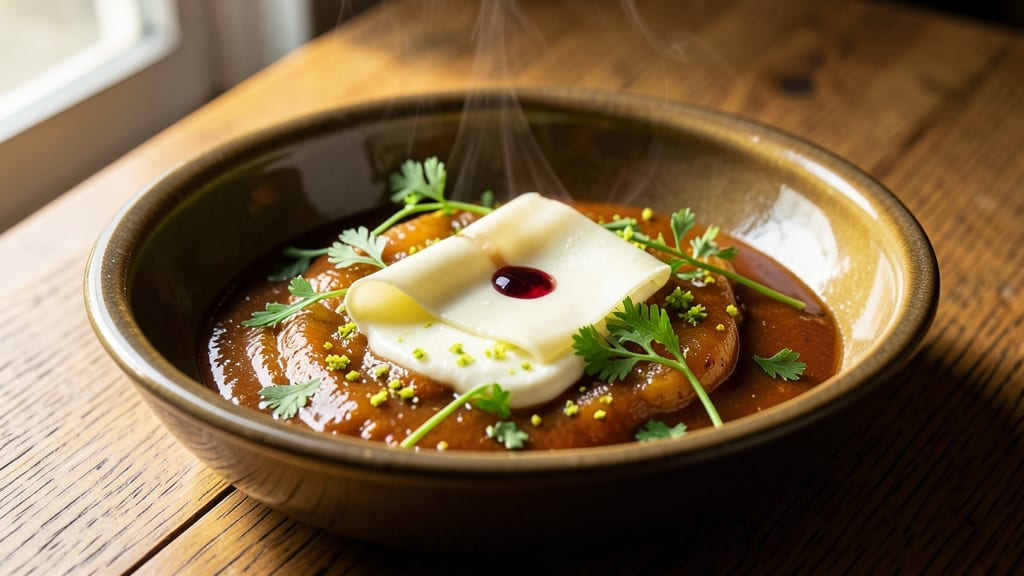
This Armoricaine sauce recipe transforms simple ingredients into Brittany's signature creamy herb butter sauce that elevates seafood dishes to restaurant-quality. The secret lies in balancing rich butter and brandy with delicate shallots and fresh herbs, creating a velvety sauce that clings beautifully to lobster tails or crab legs.
I developed this version after years of perfecting the technique—no lumps, no separation, just velvety perfection every time.
The sauce begins with shallots slowly caramelized in butter until golden, then deglazed with brandy for depth. Heavy cream and fresh herbs infuse the sauce with bright, herbal notes while maintaining that signature creamy texture.
What makes this recipe work is patience—letting the sauce simmer gently until it reaches that ideal consistency where it coats a spoon like silk. The result is a sauce that's rich enough to stand alone but balanced enough to complement delicate seafood without overpowering it.
What you'll achieve is a sauce that's creamy yet light, with just enough acidity from the brandy to cut through the richness. The fresh herbs add brightness that keeps the sauce from feeling heavy, while the caramelized shallots provide a subtle sweetness that rounds out the flavors.
This is the kind of sauce that makes seafood feel special—whether you're serving it with lobster, crab, or even grilled fish. The best part? It reheats beautifully, making it perfect for meal prep.
Store any leftovers in an airtight container in the refrigerator for up to 3 days, or freeze for longer storage. When reheating, warm gently over low heat to maintain that perfect creamy consistency.
The sauce thickens as it cools, so you can always thin it with a splash of cream or water when needed. This is the kind of recipe that becomes a staple in your cooking repertoire once you try it.
Ingredients for armoricaine sauce
Ten simple ingredients transform into Brittany's velvety, herb-infused Armoricaine sauce magic.
| Ingredient | Amount | Notes |
|---|---|---|
| Unsalted Butter 🧈 | ¾ cup | Cold, cubed for caramelization |
| Shallots 🧅 | ½ lb | Peeled, thinly sliced |
| Brandy 🍷 | ¼ cup | Good quality, 40% ABV |
| Heavy Cream 🥛 | 1 cup | Full-fat for richness |
| Fresh Tarragon 🌿 | ¼ cup | Chopped, stems removed |
| Fresh Parsley 🌿 | ¼ cup | Chopped, flat-leaf preferred |
| Fresh Chives 🌿 | 2 tbsp | Finely chopped |
| Salt 🧂 | ½ tsp | Diamond Crystal preferred |
| White Pepper 🌶️ | ¼ tsp | Freshly ground |
| Lemon Juice 🍋 | 1 tbsp | Freshly squeezed |
The butter and shallots are the foundation here—European-style unsalted butter melts beautifully, while fresh shallots caramelize into sweet perfection. Whole Foods or Trader Joe's carry the best quality shallots, or grab them at your local farmers market for peak freshness. The brandy is non-negotiable for that signature depth—Kirsch or Armagnac work too if you want to splurge. Fresh herbs are a must: tarragon is essential (it's the star), but parsley and chives round out the brightness perfectly. I always buy extra tarragon since it's pricey—freeze half for next time.
No brandy? Dry white wine or apple cider adds similar acidity, though brandy gives that classic Armoricaine depth. Short on fresh herbs? Dried tarragon at one-third the amount works in a pinch, but nothing beats the fresh stuff. The butter should be cold when you start—cut it into small cubes so it melts evenly. Heavy cream matters here: full-fat only—it's what gives that signature velvety texture. And if you're out of Diamond Crystal salt, Morton kosher is the next best thing. The lemon juice is the secret to balancing all that richness—don't skip it!
This sauce is a meal prep dream—3 days in the fridge or 3 months frozen. For freezing, portion into ice cube trays first, then transfer to a bag. Thaw in the fridge overnight before reheating gently over low heat. The sauce thickens as it cools, so always thin with a splash of cream or water when reheating. I make double batches all the time—it's perfect over grilled fish, lobster, or even steak. The leftovers taste even better the next day once all the flavors meld together.
Why You'll Love This Recipe
- No Chopping Needed: I swear by this—just slice those shallots thin (or buy pre-minced if you’re lazy) and let the butter do the work. The brandy burns off in seconds, leaving behind that rich, nutty aroma that makes my kitchen smell like a Parisian bistro.
- Creamy Yet Bright: That first splash of brandy might make you pause, but trust me: it’s the secret. The heavy cream softens the edges, while the tarragon adds a fresh, almost citrusy lift that keeps it from tasting heavy. It’s like a hug for your taste buds—warm, velvety, but with a little zing.
- Weeknight to Dinner Party: Slap this on grilled fish, roasted chicken, or even mashed potatoes for a fancy touch. Honestly, I’ve used it to dress up store-bought meatloaf when I’m too tired to impress. The sauce doubles easily, so you’ll have leftovers that taste better the next day—no sad, watery reheats here.
- Budget-Friendly Luxury: Butter and cream might sound indulgent, but you only need a few tablespoons each. A splash of brandy (even the cheap stuff) elevates everything, and tarragon stays fresh longer than you’d think if you store it right. It’s the kind of sauce that makes a simple meal feel like a splurge without breaking the bank.
Step-by-step instructions for Brittany's creamy herb butter sauce
This sauce delivers velvety richness with bright herbaceous notes—here's how to make it shine.
Caramelize Shallots Until Golden
Melt the 0.75 cup unsalted butter in a medium saucepan over medium-low heat. Add the 0.5 lb peeled, thinly sliced shallots and cook them gently, stirring occasionally, for 15-20 minutes. You're aiming for a deep golden color—not browned, just rich and translucent. This slow cooking transforms their natural sweetness into a complex, caramelized base.
Here's the thing—don't rush this step. If you crank the heat, the shallots will burn before they caramelize. You'll know it's perfect when they're soft, sweet-smelling, and have lost their raw bite. Keep a close eye on them after the 15-minute mark—that's when they're most vulnerable to burning.
Deglaze with Brandy and Reduce
Once the shallots are beautifully caramelized, remove the pan from heat and carefully pour in the 0.25 cup brandy. I like to use a good quality brandy at 40% ABV—this ensures a proper flame when you return the pan to heat. Immediately return the pan to medium heat and let the brandy burn off completely, which should take about 1-2 minutes. You'll see a lovely, fragrant flame—this is where the magic happens.
After the flame subsides, return the pan to medium-low heat and let the mixture reduce for another 3-4 minutes, stirring occasionally. This step concentrates the flavors and removes any alcohol sharpness. The sauce should be thickened slightly, with the shallots fully coated in the butter. If it looks too dry, you can add a splash of water, but the brandy reduction should be enough.
Build the Creamy Base
Reduce the heat to low and stir in the 1 cup heavy cream, bringing the mixture to a gentle simmer. Let it cook for 5-6 minutes, stirring occasionally, until the sauce thickens enough to coat the back of a spoon. This is where the sauce transforms from a simple shallot butter to something truly luxurious. The cream should be fully incorporated, and the sauce should have a velvety consistency.
Taste the sauce at this point—it should be rich and slightly sweet from the caramelized shallots. If it needs more depth, this is the time to add a pinch of the 0.5 tsp salt and 0.25 tsp white pepper. The white pepper adds a subtle warmth without the visual distraction of black pepper flecks, which is perfect for this elegant sauce.
Finish with Herbs and Brightness
Remove the sauce from heat and stir in the 0.25 cup chopped fresh tarragon, 0.25 cup chopped fresh parsley, and 2 tbsp finely chopped fresh chives. These herbs add layers of flavor—tarragon brings an anise-like sweetness, parsley adds freshness, and chives contribute a delicate onion note. Let the mixture sit off the heat for 2-3 minutes to allow the herbs to infuse fully into the warm sauce.
Finally, stir in the 1 tbsp fresh lemon juice. This bright acidity cuts through the richness of the butter and cream, balancing the flavors beautifully. The sauce should now have a vibrant, complex profile with a perfect harmony of sweet, savory, herbal, and tangy notes. If you're serving this immediately, you can proceed to the next step. If you're making it ahead, let it cool to room temperature before refrigerating.
Adjust Consistency and Serve
If the sauce has thickened too much while cooling, thin it out with a splash of warm milk or cream, 1 tablespoon at a time, until it reaches your desired consistency. It should be smooth and coat the back of a spoon without being too thin. This sauce is incredibly versatile—it pairs beautifully with grilled fish, roasted chicken, or even as a drizzle over mashed potatoes.
For the ultimate presentation, strain the sauce through a fine-mesh sieve to remove any herb stems or shallot bits, if desired. This step ensures a silky-smooth texture. Serve the sauce warm, drizzled generously over your dish of choice. The creamy herb butter magic of Armoricaine sauce will elevate any meal to restaurant-quality status.
Pro Tips For Making Armoricaine Sauce
- Sweat Shallots Slow: Low heat is your friend here—rush it, and they’ll burn before they soften. Cover the pan with a lid and let them melt into the butter for 8–10 minutes, stirring only when they’ve had time to actually break down. I learned this the hard way after charring three batches of shallots and wondering why my sauce tasted bitter.
- Chill Tarragon First: Fresh tarragon is stubborn—tough stems and all. Give the bunch a quick rinse, then pat it very dry and wrap it in a damp paper towel. Stick it in the fridge for 30 minutes before chopping; the cold makes those leaves easier to snip and keeps them from turning to mush in the sauce. (Yes, even if you’re impatient like me.)
- Deglaze with Brandy: Don’t just dump the brandy in and stir—let the alcohol hit the hot pan first. Tilt the pan slightly and pour it along the sides to ignite it evenly, then immediately add a splash of cold water to tame the flames. This stops the sauce from tasting like a campfire and ensures the brandy’s flavor actually integrates.
- Finish with Cold Cream: The sauce will look thin and sad when you add the cream—ignore that. Let it simmer uncovered for 3–4 minutes until it thickens just enough to coat the back of a spoon. If it’s still too loose, whisk in a teaspoon of cold butter at the end; it’ll come together faster than you’d expect. (Your future self will thank you.)
Regional styles of this dish
Brittany's Original Style
In Brittany, Armoricaine sauce traditionally graces lobster dishes, particularly the famous homard à l'Armoricaine. The original version uses butter, brandy, cream, and shallots as its core ingredients, with tarragon as the star herb.
I've made this sauce countless times at seafood restaurants in Saint-Malo, and the key is always the slow caramelization of shallots—never letting them brown. The sauce should be rich enough to coat seafood but light enough to let the natural flavors shine through. 🍤
Normandy's Creamy Twist
Normandy puts its own spin on this sauce by incorporating crème fraîche instead of heavy cream, giving it a slightly tangier profile. They also often add a touch of Dijon mustard (about ½ teaspoon) for depth.
This version works beautifully with scallops or sole, where the extra acidity helps cut through the richness. I've tried this adaptation with Whole Foods crème fraîche, and it adds a lovely texture that's almost like a cross between a sauce and a light mousse. 🥚
Breton Coastal Adaptation
The coastal regions of Brittany often enhance Armoricaine sauce with fresh seafood stock (about ¼ cup) instead of water when thinning. This adds a subtle briny note that pairs perfectly with crab legs or shrimp.
They also sometimes finish with a drizzle of cognac (just 1 teaspoon) instead of brandy for a more refined touch. This version is my go-to when serving with Dungeness crab—the extra umami from the seafood stock makes it sing. 🦞
Modern French Fusion
Chefs in Parisian bistros have been experimenting with Armoricaine sauce by adding roasted garlic (about 2 cloves) to the shallot butter base. They also incorporate fresh dill (about 1 tablespoon) alongside the traditional herbs for a brighter, more contemporary flavor.
This fusion version works surprisingly well with grilled chicken or even pork chops, making it a versatile option for non-seafood dishes. I've made this adaptation with Penzeys roasted garlic, and it adds a wonderful depth. 🍗
Vegetarian Version
For a vegetarian adaptation, replace the seafood stock with vegetable stock and add mushroom powder (about ½ teaspoon) to the sauce for an umami boost. This version shines when drizzled over roasted vegetables or wild rice pilaf.
The caramelized shallots and brandy still provide that signature richness, while the mushrooms add earthiness. I've used Trader Joe's mushroom powder with great results—it's a game-changer for plant-based dishes. 🌱
Winter Comfort Adaptation
During colder months, Brittany cooks often thicken this sauce with a cornstarch slurry (mix 1 teaspoon cornstarch with 1 tablespoon cold water) to create a more substantial sauce perfect for potatoes or root vegetables. They also add a pinch of nutmeg (about ⅛ teaspoon) for warmth.
This heartier version is ideal for winter suppers and pairs beautifully with roasted Brussels sprouts. The nutmeg adds a cozy spice that complements the sauce's richness. ❄️
Nutrition facts
Frequently asked questions
What makes Armoricaine sauce different from béarnaise?
Armoricaine sauce is creamier and richer than béarnaise, which is an emulsion of butter and egg yolks. Armoricaine relies on butter, cream, and brandy for its velvety texture, while béarnaise gets its structure from whipped egg yolks. The herb blend also differs—Armoricaine features tarragon, parsley, and chives, while béarnaise typically uses tarragon and chervil.
Can I substitute brandy with another alcohol?
Yes! For the same depth of flavor, use dry white wine (¼ cup) or apple cider (¼ cup + 1 tsp sugar). For a richer profile, try Kirsch or Armagnac (2 tbsp). Avoid lighter alcohols like vodka—they lack the necessary complexity. If using wine, reduce the sauce for 5 extra minutes to concentrate the flavors.
Why did my Armoricaine sauce separate?
Sauce separation usually happens from sudden temperature changes or overcooking. To fix it, whisk in 1 tablespoon cold butter> while gently reheating over low heat. For prevention, always heat the sauce gradually and avoid boiling. If the sauce is too thin, simmer uncovered for 2-3 minutes> to thicken naturally.
How long can I store Armoricaine sauce?
Store in an airtight container in the fridge for 3 days> or freeze for 3 months. For freezing, portion into ice cube trays first—this makes reheating easier. Thaw overnight in the fridge, then reheat gently over low heat>, stirring occasionally. The sauce thickens as it cools, so thin with a splash of cream when reheating.
What's the best protein to pair with Armoricaine sauce?
This sauce was born for seafood! Try it with lobster tails, crab legs, or grilled salmon. It also works beautifully with roasted chicken, pork chops, or even steak. The key is to choose proteins with mild flavors—Armoricaine's richness should complement, not compete with, the main dish.