
Sauces & Condiments
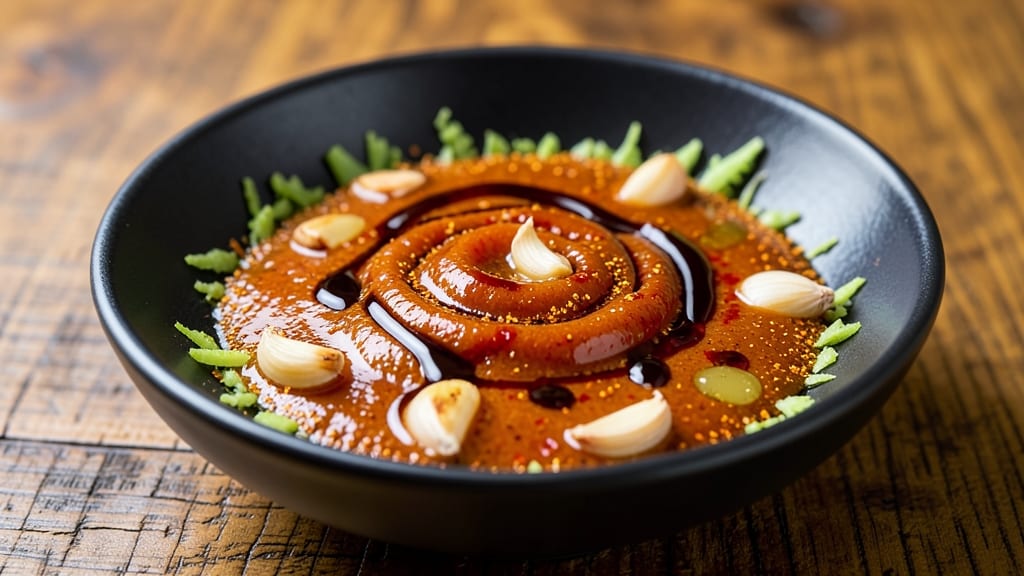
This Asian Cajun sauce recipe transforms ordinary stir-fries into bold, flavor-packed meals with just 10 minutes of prep. The perfect fusion of smoky Cajun spices and umami-rich Asian ingredients creates a sauce that's both complex and easy to master.
I developed this after craving that perfect balance of heat, sweetness, and depth in every bite.
The secret lies in the ingredient combination: soy sauce and ginger provide the Asian foundation, while cayenne, smoked paprika, and garlic deliver that signature Cajun kick. A touch of honey or brown sugar balances the heat, making it versatile enough for everything from noodle bowls to grilled proteins.
The sauce thickens beautifully when reduced, creating that perfect glossy finish.
What makes this sauce truly special is its ability to elevate simple ingredients into restaurant-quality dishes. The aromatic blend of spices and herbs creates layers of flavor that linger, while the slight tang from rice vinegar adds brightness.
It's the kind of sauce that transforms a basic meal into something memorable with minimal effort.
Store it in the refrigerator for up to 2 weeks or freeze for 3 months—perfect for meal prep. Whether you're cooking for one or feeding a crowd, this sauce delivers consistent, professional results every time. Let's get started on creating your flavor fusion masterpiece.
Ingredients for asian cajun sauce
Ten ingredients fuse bold Cajun heat with Asian umami—transforming stir-fries into restaurant-quality masterpieces.
| Ingredient | Amount | Notes |
|---|---|---|
| Soy Sauce 🥢 | ½ cup | High-sodium preferred for depth |
| Rice Vinegar 🍶 | ¼ cup | White or seasoned variety |
| Fresh Ginger 🧄 | 2 tbsp | Finely grated, aromatic |
| Garlic Cloves 🧄 | 4 cloves | Minced, fresh preferred |
| Cayenne Pepper 🌶️ | 1 tbsp | Adjust for heat preference |
| Smoked Paprika 🌶️ | 1 ½ tbsp | For smoky depth |
| Brown Sugar 🍯 | 2 tbsp | Light or dark variety |
| Sesame Oil 🫒 | 1 tbsp | Toasted for nutty aroma |
| Fresh Garlic 🧄 | 2 cloves | Roasted for sweetness |
| Fresh Chili Peppers 🌶️ | 2 whole | Thinly sliced, optional |
The soy sauce is the foundation—Kikkoman or Lee Kum Kee deliver that perfect umami punch. Grab fresh ginger from the produce section, not the jarred kind (it's sad). Whole Foods or Asian markets have the best quality, but the regular grocery store stuff works fine if it's plump and firm. Smoked paprika is a game-changer here—Penzeys or Gourmet Garden brands have the richest flavor. For the brown sugar, Muscovado adds molasses notes, but light brown works too. The sesame oil? Toast it first—just heat it in a pan for 30 seconds to deepen the aroma.
No cayenne? Red pepper flakes at half the amount work in a pinch. Skip the fresh chili peppers? Dried Thai chilies (soaked and minced) bring similar heat. The garlic can be roasted for sweetness—just wrap whole cloves in foil, roast at 400°F for 10 minutes, then peel. For extra depth, add a dash of fish sauce (if not vegetarian) or soy sauce reduction. The rice vinegar should be seasoned if you want that slight sweetness—Mushroom or Chinkiang vinegars add complexity. Pro tip: Toast your spices in a dry pan for 30 seconds before using—wakes up the flavors.
This sauce keeps beautifully—2 weeks in the fridge or 3 months frozen. Store it in a glass jar with a tight lid to preserve freshness. The flavors actually improve after a day or two as everything melds together. Freeze in ice cube trays for single-use portions—perfect for meal prep. Double the batch if you're feeding a crowd; it's worth the extra effort. The sauce thickens as it cools, so give it a quick stir before using. Trust me, the first time you drizzle this over a bowl of ramen or toss it with stir-fried veggies, you'll be hooked.
Why You'll Love This Recipe
- Pantry Magic: I swear by this sauce because it’s all about what’s already in my cupboard. No fancy ingredients—just soy sauce, rice vinegar, and a hit of cayenne for that kick. The ginger and garlic? Fresh, but you can even use jarred if you’re in a rush. Honestly, it’s the kind of recipe that makes me feel like a chef without the grocery haul.
- Heat Meets Umami: Between us, this sauce is ridiculously good. The soy and vinegar give that deep, salty tang, while the cayenne brings the fire—just enough to wake up your taste buds. Minced garlic and grated ginger? They sizzle together like a little flavor party in your pan. (Yes, even on a Tuesday night.)
- Dresses Up Everything: This isn’t just a stir-fry sidekick. Drizzle it over grilled chicken, toss it with noodles, or slather it on tacos—it works. I’ve even used it as a quick marinade for shrimp. The best part? It’s the kind of sauce that makes simple meals feel special without trying too hard.
- Leftovers That Don’t Let You Down: Make a double batch and store it in the fridge. That bright, zesty kick stays sharp for days, and it’s way cheaper than buying bottled sauces. I’ll be real: I’ve had this sauce sitting in my fridge for a week, and it’s still the star of whatever I throw it on. No sad, watered-down flavors here.
Step-by-step instructions for Asian Cajun sauce
This bold fusion sauce delivers perfect balance—spicy, sweet, and deeply aromatic every time.
Toast the Spices for Maximum Depth
Heat a dry skillet over medium-low heat and add the 1.5 tablespoons smoked paprika and 1 tablespoon cayenne pepper. Toast for 1-2 minutes until the spices release their aroma and darken slightly—you'll smell that smoky, slightly sweet paprika and the sharp kick of cayenne. This step builds complexity that you won't get from just stirring dry spices into the sauce.
Remove the pan from heat immediately and let the spices cool for 2 minutes. This prevents them from burning and losing flavor when you add the liquids. Transfer the toasted spices to a small bowl and set aside. The reason we toast them first is that heat awakens their natural oils, which infuse the sauce with a deeper, more nuanced flavor profile.
Build the Flavor Base with Aromatics
In a medium saucepan, combine the 0.5 cup soy sauce, 0.25 cup rice vinegar, 2 tablespoons brown sugar, and 1 tablespoon sesame oil. Bring to a gentle simmer over medium heat, then reduce heat to low. Add the 4 cloves minced garlic cloves and 2 tablespoons finely grated fresh ginger—the vinegar will help dissolve the ginger's sharpness while preserving its bright aroma.
Let the mixture simmer for 3-4 minutes until it begins to reduce slightly and the garlic turns golden—this indicates it's releasing its sweetness. Here's the thing: if you rush this step, the garlic will burn and turn bitter. You'll know it's ready when the liquid reduces by about 20% and the aroma becomes rich and complex, with notes of umami from the soy sauce and bright acidity from the vinegar.
Incorporate Heat and Balance the Sauce
Return the toasted spices to the saucepan and stir vigorously to dissolve completely. Add the 2 cloves fresh garlic (roasted for sweetness) and 2 whole fresh chili peppers, thinly sliced if you prefer more heat. Let the sauce simmer for another 2-3 minutes until it thickens slightly and coats the back of a spoon. The chili peppers will soften but retain their heat, while the roasted garlic adds a subtle sweetness that balances the spice.
Taste and adjust the balance—this is where you can customize. Need more heat? Add a pinch of cayenne. Want it sweeter? Stir in another teaspoon of brown sugar. The sauce should be vibrant, with layers of smoky paprika, bright vinegar, sweet brown sugar, and a lingering spicy finish. If it's too thin, simmer uncovered for another 1-2 minutes to reduce further. If it's too thick, whisk in 1 tablespoon water to loosen.
Pro Tips For Making Asian Cajun Sauce
- SIMMER DON’T BOIL: This sauce is all about balance—let the garlic and ginger mellow, not burn. Once you add the vinegar, keep the heat at a steady simmer (low-medium) and resist the urge to crank it up. I learned this the hard way after my sauce tasted bitter and harsh—like someone dumped hot sauce in a blender.
- PEEL GINGER LIKE A PRO: Skip the knife and use a spoon’s back to scrape off the ginger’s skin—it’s faster and leaves the root intact. Then, slice it thinly (1-2mm) so it cooks through without turning to mush. Thick chunks mean you’ll taste raw ginger, and nobody wants that.
- SALT THE SOY FIRST: Taste your soy sauce before mixing—if it’s unsalted (or you’re using low-sodium), add a pinch of salt now, not later. The sauce’s depth comes from the soy, and you don’t want to fix flat flavor by adding more later. Trust me, your taste buds will notice.
- VINEGAR LAST, STIR FAST: Add the rice vinegar after the garlic and ginger have softened (about 2 minutes of simmering). Then, immediately stir like you’re trying to win a prize—this cuts the acidity’s bite and blends it evenly. I used to add it early, and the sauce always tasted sharp and uneven.
Common mistakes when making this dish
Overcooking the Sauce
One of the biggest mistakes is letting the sauce simmer too long after it reaches the perfect consistency. Once your sauce coats the back of a spoon and has that glossy sheen, remove it from heat immediately.
Overcooking reduces the liquid too much and concentrates the flavors into bitterness, especially from the garlic and ginger. I've ruined batches by walking away for just 5 extra minutes—don't make that mistake! 🌶️
Skipping the Spice Toasting
Many home cooks skip toasting the smoked paprika and cayenne, but this is where the sauce gets its depth. Toasting awakens the spices' natural oils, giving you that smoky, complex flavor instead of just dry, powdery heat.
If you're short on time, at least heat the spices in a dry pan for 30 seconds—it makes a noticeable difference. I've compared batches, and the toasted version always tastes more professional.
Using Low-Quality Soy Sauce
Not all soy sauces are created equal. Using a cheap, low-sodium brand will make your sauce taste flat and one-dimensional. Invest in a good Kikkoman or Lee Kum Kee soy sauce—they provide that rich umami foundation that makes the sauce sing.
If you're using a reduced-sodium version, add ½ teaspoon of MSG (or a pinch of fish sauce if not vegetarian) to boost the depth. Trust me, your taste buds will notice the difference.
Ignoring the Ginger's Texture
Fresh ginger is essential, but many people either under-grate it or use jarred ginger. For this sauce, you want finely grated ginger—not chopped or minced. The tiny particles dissolve better and infuse the sauce with bright, aromatic flavor.
If you're using jarred ginger, add ½ teaspoon of ground ginger as well to compensate for the lack of freshness. The texture matters just as much as the quantity!
Not Balancing the Flavors
After simmering, many people stop at tasting once and then call it done. But this sauce needs three key adjustments: heat, sweetness, and acidity. Taste it after simmering, then adjust with cayenne for heat, brown sugar for sweetness, or rice vinegar for brightness.
I often need to add a pinch of each to get the perfect balance. Don't be afraid to tweak it—this is where the sauce comes alive!
Storing Improperly
Many people store the sauce in plastic containers, which can absorb odors and flavors from the fridge. Always use a glass jar with a tight-sealing lid to preserve freshness.
Additionally, let the sauce cool completely before storing—transferring it to the fridge while still warm can create condensation, which dilutes the flavors. For freezing, portion it into ice cube trays for easy single-use servings. Proper storage keeps your sauce vibrant for weeks! ❄️
Nutrition facts
Frequently asked questions
Can I make this sauce without fresh ginger?
Yes, but you'll lose some brightness. Use 1.5 teaspoons ground ginger plus ½ teaspoon grated jarred ginger for the closest substitute. For extra depth, add ½ teaspoon lemon zest to mimic fresh ginger's citrusy notes. Toast the ground ginger in the dry pan with your spices for 30 seconds to enhance its aroma.
How spicy will this sauce be?
The recipe includes 1 tablespoon cayenne, which delivers noticeable heat but isn't overwhelming. For milder heat, reduce to ½ teaspoon cayenne and add 1 teaspoon sweet paprika instead. For extra kick, keep the cayenne and add 1 chopped fresh chili pepper. Taste as you go—this sauce is designed to be easily adjustable!
What's the best way to use this sauce?
This versatile sauce works on everything from stir-fries to grilled meats and noodle bowls. For stir-fries, add 1-2 tablespoons at the end of cooking. For grilled chicken or shrimp, brush on before grilling. For noodles, toss with 1-2 tablespoons per serving. The sauce also makes an amazing dipping sauce—serve with warm spring rolls or fresh spring vegetables.
Can I make this sauce in a slow cooker? Combine all ingredients in your slow cooker and cook on low for 2-3 hours, stirring occasionally. The slow cooking enhances the flavors beautifully. For faster results, use high for 1 hour.
How do I fix a sauce that's too thin?
Simmer the sauce uncovered for 3-5 extra minutes to reduce the liquid naturally. If that's not enough, mix 1 teaspoon cornstarch with 1 tablespoon water, stir into the sauce, and simmer for 1-2 minutes until thickened. For a quick fix, whisk in 1 tablespoon soy sauce—it adds thickness while maintaining flavor balance. Always taste before adjusting further!