
Sauces & Condiments
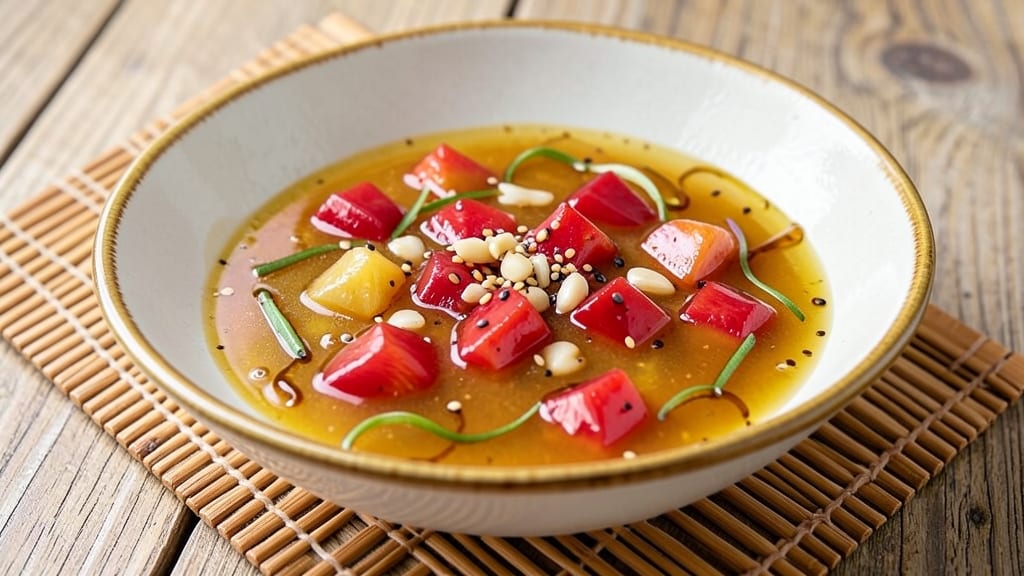
This Asian pineapple sauce recipe transforms simple ingredients into a versatile glaze that elevates grilled meats, stir-fries, and even roasted vegetables with its perfect balance of sweet and tangy flavors.
The key lies in simmering fresh pineapple with garlic, ginger, and soy sauce until the natural sugars caramelize, creating a glossy, aromatic sauce that clings beautifully to proteins. I developed this after years of experimenting with Asian-inspired marinades, and it consistently delivers restaurant-quality results at home.
The process is straightforward: blend pineapple chunks with garlic, ginger, and a touch of honey or brown sugar, then simmer until thickened. A splash of rice vinegar adds brightness, while soy sauce deepens the umami profile.
What makes this sauce special is its adaptability—use it as a marinade for chicken or pork, a glaze for grilled skewers, or a dipping sauce for spring rolls. The natural enzymes in pineapple also tenderize meats, making it a dual-purpose ingredient.
By the time you're done, you'll have a rich, glossy sauce that's sweet enough to satisfy cravings but tangy enough to cut through rich flavors. The aroma alone will have everyone asking what's for dinner.
This recipe yields about 1.5 cups, perfect for a weeknight meal or meal prep. The sauce keeps well in the fridge for up to 5 days, making it a pantry staple for Asian-inspired dishes.
Whether you're grilling kebabs, stir-frying vegetables, or glazing roasted meats, this pineapple sauce adds a tropical twist that's both familiar and exciting. The combination of fresh pineapple and aromatic spices creates a sauce that's impossible to resist. Let's get started!
Ingredients for asian pineapple sauce
Eight simple ingredients create this restaurant-worthy pineapple sauce everyone will beg for.
| Ingredient | Amount | Notes |
|---|---|---|
| Fresh Pineapple Chunks 🍍 | 1 ½ cups | Fresh or canned in juice, drained |
| Garlic Cloves 🧄 | 4 cloves | Minced for aromatic depth |
| Fresh Ginger Root 🌿 | 2 tbsp | Finely grated, peeled |
| Soy Sauce 🍶 | ¼ cup | Light or dark preferred |
| Rice Vinegar 🍶 | ⅛ cup | Seasoned or unseasoned |
| Honey or Brown Sugar 🍯 | ⅛ cup | Honey for floral notes |
| Sesame Oil 🫒 | 1 tbsp | Toasted for nutty aroma |
| Salt 🧂 | ½ tsp | Kosher or sea salt |
| Red Pepper Flakes 🌶️ | ½ tsp | Optional for heat |
| Cornstarch 🌾 | 1 tsp | Slurry with 1 tbsp water |
Pineapple is the star here—fresh is ideal, but canned in juice works in a pinch. Look for ripe pineapple with vibrant color at Costco or Whole Foods—they often have pre-cut chunks that save time. Ginger loses potency fast, so buy it fresh and grate it right before using. Trader Joe's sells pre-peeled ginger root, which is a game-changer if you hate peeling. The garlic? Elephant garlic has a milder flavor if you're sensitive to strong tastes. For the soy sauce, Kikkoman or Pearl River Bridge are reliable brands that won't overpower the sauce.
No fresh ginger? Dried ginger powder at half the amount works, but fresh is worth hunting down. Swap honey for brown sugar if you're avoiding refined sugar—it adds a caramelized depth. Running low on rice vinegar? Apple cider vinegar with a pinch of sugar mimics the tang. The sesame oil is non-negotiable for that nutty aroma, but if you're avoiding it, toasted sesame seeds sprinkled at the end give a similar vibe. Want it spicier? Add a dash of Sriracha or gochujang at the end. The cornstarch slurry is key for thickening—don't skip it unless you're okay with a thinner sauce.
This sauce keeps beautifully—5 days in the fridge sealed in a jar. For longer storage, freeze in ice cube trays and transfer to a bag. Thaw overnight in the fridge before using. The flavor actually improves after a day or two as the ingredients meld. I always double the batch—one for immediate use, one to stash in the freezer for next time. The sauce reheats perfectly in a small saucepan over medium heat, or you can microwave it in 30-second bursts while stirring.
Why You'll Love This Recipe
- No Chopping Nightmare: I swear by this recipe because it only asks for one knife—just the pineapple, and even that’s optional if you grab pre-cut chunks. The garlic and ginger? Smash ‘em with the flat of your knife in the pan—no mincing, no mess.
- Sweet-Savory Magic: That balance of caramelized pineapple, punchy ginger, and umami from soy sauce? It’s the kind of flavor that makes you pause mid-bite. Honestly, I’ve drizzled it over grilled chicken, tossed it into rice bowls, and even slathered it on toast—each time, my taste buds throw a party.
- Meal Prep MVP: Between us, this sauce keeps like a champ in the fridge for at least five days. I make a big batch on Sundays—doubles as a marinade, a stir-fry glaze, or a last-minute topping. No sad leftovers here; just happy, flavor-packed seconds.
- Pantry Staple Hack: You’re already buying these ingredients—soy, vinegar, ginger—so this isn’t some fancy splurge. Fresh pineapple’s the only extra, but one big one lasts me weeks. Plus, it’s cheaper than takeout and way more impressive. (Yes, even on a Tuesday night.)
Step-by-step instructions for Asian pineapple sauce
This vibrant glaze balances sweet, tangy, and savory notes perfectly—ideal for drizzling over grilled meats or tossing into stir-fries.
Blend the Pineapple Base
Add the 1.5 cups fresh pineapple chunks to a blender or food processor. I like to use fresh pineapple for its bright acidity, but if using canned, drain it well to avoid watery sauce. Pulse until smooth—you want a completely liquid consistency without any fibrous texture. This step extracts the natural enzymes that will tenderize meats later.
Taste the pureed pineapple before proceeding. If it's overly tart, you'll need to adjust the sweetness later. The goal is a balanced starting point where you can taste the natural sweetness without overwhelming the other flavors. Set the puree aside temporarily—we'll return to it after building the aromatic base.
Sauté Aromatics Until Fragrant
Heat 1 tablespoon sesame oil in a medium saucepan over medium heat. Add the 4 cloves minced garlic cloves and 2 tablespoons finely grated fresh ginger root, stirring constantly for 1-2 minutes until the garlic becomes translucent and the ginger releases its pungent aroma. This is where the magic happens—the aromatics form the flavor foundation.
Watch carefully: garlic burns quickly. If the mixture starts to darken, reduce the heat slightly. The goal is to cook until fragrant but not colored. Once the aromatics are ready, pour in the 0.25 cup soy sauce and 0.125 cup rice vinegar, stirring to combine. Let this mixture simmer gently for 2-3 minutes until slightly reduced—this concentrates the flavors before adding the sweetener.
Add Sweetener and Simmer
Stir in the 0.125 cup honey or brown sugar along with the 0.5 teaspoon salt and 0.5 teaspoon red pepper flakes. The sauce should bubble gently as it simmers. Here's the thing—if you're using honey, it'll create a glossier finish, while brown sugar adds deeper caramel notes. Taste and adjust: you want a balance where the sweetness complements the tangy vinegar without overpowering it.
Simmer the mixture for 5-7 minutes until it thickens slightly. You're looking for a consistency where it coats the back of a spoon but still flows easily. This is the perfect stage before adding the pineapple puree—it ensures the sauce will thicken properly without becoming gluey. Keep the heat at medium-low to prevent scorching.
Combine and Thicken
Return to the blender and add the pineapple puree to the saucepan. Stir well to combine, then return the mixture to medium heat. In a small bowl, whisk together the 1 teaspoon cornstarch with 1 tablespoon water to create a slurry. Slowly pour this into the simmering sauce while stirring constantly—this prevents lump formation and ensures even thickening.
Continue cooking for 3-5 minutes until the sauce reaches your desired consistency. It should coat the back of a spoon but still be pourable. For grilled meats, I prefer a slightly thicker glaze that clings well, while for stir-fries, a thinner consistency works better. Taste and adjust seasoning one final time—add a pinch more salt if needed or a splash of rice vinegar for extra tang.
Cool and Use
Remove the sauce from heat and let it cool for 5-10 minutes. This resting period allows the flavors to meld completely. The sauce will thicken slightly as it cools, so don't worry if it looks perfect right away. Once cooled, transfer to a clean jar and store in the refrigerator for up to 1 week—it actually improves with time as the flavors develop.
Use this versatile sauce within 24 hours for maximum freshness. Drizzle over grilled chicken or pork, toss with stir-fried vegetables, or use as a dip for spring rolls. The perfect balance of sweet, tangy, and umami makes it a crowd-pleaser for any Asian-inspired dish. For extra depth, finish with a drizzle of toasted sesame oil just before serving.
Pro Tips For Making Asian Pineapple Sauce
- USE A COLD PRESS FOR GINGER: Grate it fresh, but don’t waste time peeling—just trim the ends and slice off the skin with a knife. The texture’s rougher than minced, but it melts into the sauce better and adds a subtle bite that jarred ginger can’t match.
- SAUTÉ GARLIC IN STAGES: Start with medium heat to soften the garlic, then crank it up just before it hits the pan. If you burn it, the sauce will taste acrid—trust me, I’ve ruined three batches this way. A quick toss with a pinch of salt before adding pineapple keeps it mellow.
- STRAIN THE PINEAPLE JUICE: After cooking, let the pineapple chunks sit for 2 minutes, then press them through a fine-mesh sieve. The juice thickens the sauce naturally, and you avoid the slimy texture that comes from blending everything raw.
- BALANCE THE SOY WITH VINEGAR LAST: Add the rice vinegar after the sauce simmers—it evaporates fast, and you’ll need more than you think. Taste as you go: the sauce should taste tangy, not sour, or the sweetness of the pineapple gets drowned out.
Make-ahead tips for leftovers
Batch Prep Strategy
Double the recipe and divide it into two 8-ounce glass jars—this makes meal prep a breeze. The sauce thickens slightly when refrigerated, so leave a little room at the top to prevent spills.
I store mine in the fridge for up to 5 days, but the flavor actually peaks after 2-3 days as the ingredients meld. Label your jars with the date and "Pineapple Glaze" to avoid confusion with other sauces. 📅
Freezer-Friendly Tips
For longer storage, freeze the sauce in ice cube trays—each cube equals about 1 tablespoon, perfect for single-use portions. Once frozen, transfer the cubes to a ziplock freezer bag and flatten to save space.
Thaw overnight in the fridge before using. The texture remains smooth, though it may separate slightly—just stir before reheating. This method works especially well if you grill frequently but don't use the sauce every week. ❄️
Reheating Perfection
To revive the sauce after refrigeration, warm it gently in a small saucepan over medium-low heat for 3-5 minutes, stirring constantly. Avoid high heat—it can cause the sauce to split or burn. For microwave reheating, use 30-second bursts on medium power, stirring between each interval.
Add a splash of water if it thickens too much. The sauce reheats beautifully and maintains its glossy finish, making it ideal for last-minute glaze applications. 🔥
Marinade Hack
Use half the batch as a marinade for chicken or pork—simmer the sauce for 10 minutes longer to concentrate the flavors, then let it cool completely before using. The natural enzymes in pineapple break down proteins, resulting in tender, juicy meat.
I marinate chicken thighs for 2-4 hours at room temperature (or overnight in the fridge) for best results. Reserve the other half for glazing or dipping. This dual-purpose approach maximizes your prep time. 🍗
Sauce Consistency Fixes
If your sauce turns out too thick after refrigeration, thin it with 1 teaspoon water or pineapple juice at a time until it reaches your desired consistency. For a thicker glaze, simmer an additional 2-3 minutes over low heat.
I’ve found that using honey instead of brown sugar results in a slightly thinner sauce, while brown sugar creates a thicker, caramelized finish. Adjust the cornstarch slurry by ½ teaspoon increments if needed for future batches. 💡
Flavor Boost Shortcuts
Need to speed up prep? Use pre-minced garlic and ginger from the store—brands like Trader Joe's or Simply Organic work perfectly. For extra depth, add 1 teaspoon fish sauce or ½ teaspoon msg powder when simmering the aromatics.
These shortcuts save time without sacrificing flavor. If you’re in a hurry, skip the cornstarch slurry and rely on the natural thickening from simmering—just expect a slightly thinner sauce. ✨
Nutrition facts
Frequently asked questions
Can I use canned pineapple instead of fresh?
Yes, but drain the pineapple thoroughly to avoid a watery sauce. Look for canned pineapple in juice (not syrup) for the best flavor. For extra brightness, add 1 teaspoon lime juice when blending. The texture will be slightly smoother than fresh, but it works perfectly in a pinch.
How do I adjust the sweetness level?
Taste the sauce after simmering and adjust before adding the cornstarch slurry. For less sweetness, add 1 extra tablespoon rice vinegar or ½ teaspoon salt. For more sweetness, stir in 1 teaspoon honey or brown sugar. Remember, the sauce will thicken as it cools, so don't over-adjust.
What are the best proteins to pair with this sauce?
This glaze works beautifully with chicken thighs, pork chops, or salmon—the sweet-tangy flavor complements rich meats perfectly. For vegetarian options, try brushing it on tofu or drizzling over roasted vegetables. The sauce also makes an excellent dip for spring rolls or egg rolls.
Why did my sauce turn out too thin?
This usually happens if you skipped the cornstarch slurry or didn't simmer long enough. Fix it by mixing 1 teaspoon cornstarch with 1 tablespoon water and stirring it into the warm sauce. Simmer for 1-2 minutes until thickened. For future batches, simmer the sauce 2-3 minutes longer before adding the pineapple puree.
Can I make this sauce without sesame oil?
Yes, but you'll miss the nutty aroma. Replace it with 1 teaspoon toasted sesame seeds stirred in at the end, or use 1 teaspoon neutral oil like vegetable or canola. For extra depth, add ½ teaspoon toasted cumin seeds when sautéing the aromatics. The flavor will be different but still delicious.