
Sauces & Condiments
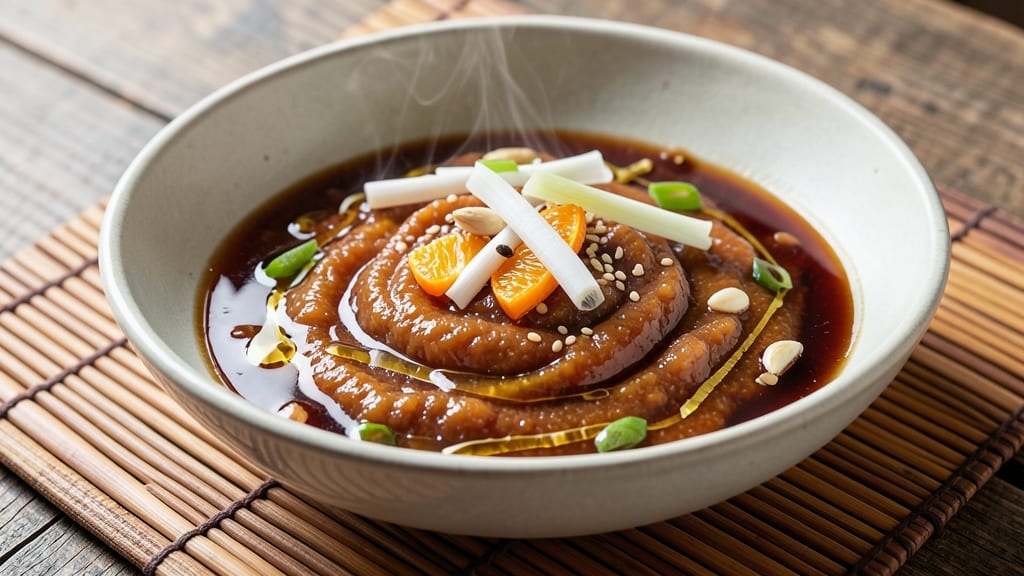
This Asian sticky sauce recipe transforms ordinary stir-fries into restaurant-worthy masterpieces with its glossy, umami-rich glaze. 💛 The secret lies in a balanced blend of soy sauce, honey, and garlic that simmers into a velvety consistency, perfect for coating proteins or drizzling over bowls.
I developed this sauce after years of testing—it's the one that finally stuck (literally) to everything it touched.
The beauty of this sauce is its versatility—it works as a glaze for grilled meats, a dipping sauce for spring rolls, or a finishing touch for noodle dishes. The key is simmering it just until it thickens, creating that signature sticky texture without burning the delicate flavors.
With just 8 ingredients and 20 minutes of active time, you’ll have a sauce that elevates any dish.
What sets this sauce apart is its depth of flavor—sweet, savory, and slightly tangy all at once. The honey balances the soy sauce’s saltiness, while ginger and garlic add layers of warmth.
Once reduced, it becomes a glossy, clingy glaze that clings to every bite, turning simple stir-fries into showstopping meals.
Store leftovers in the fridge for up to 2 weeks or freeze for 3 months—it only gets better as flavors meld over time. Whether you're cooking for a crowd or meal prepping, this sauce is your secret weapon for adding that professional touch. Let’s make it!
Ingredients for asian sticky sauce
Eight simple ingredients create this restaurant-worthy umami glaze that elevates stir-fries and bowls instantly.
| Ingredient | Amount | Notes |
|---|---|---|
| Light Soy Sauce 🥄 | ½ cup | High-quality, low-sodium preferred |
| Honey 🍯 | ¼ cup | Wildflower or clover preferred |
| Fresh Ginger 🌿 | 2 tbsp | Finely grated, fresh preferred |
| Garlic Cloves 🧄 | 4 cloves | Minced, fresh preferred |
| Rice Vinegar 🍶 | 1 tbsp | White or seasoned |
| Sesame Oil 🫒 | 1 tbsp | Toasted sesame oil for aroma |
| Cornstarch 🌾 | 1 tsp | For thickening, optional |
| Red Pepper Flakes 🌶️ | ½ tsp | Adjust for heat preference |
The soy sauce is the backbone—Kikkoman or Pearl River Bridge are my go-tos for that authentic depth. Honey should be real, not that processed syrup stuff—local wildflower adds floral notes that play beautifully with the umami. Fresh ginger and garlic are non-negotiable here; the difference between fresh and powdered is like night and day. Trader Joe's has pre-grated ginger if you're short on time, but I always grab fresh. For garlic, peel and mince those cloves while the sauce simmers—the aroma will fill your kitchen like a five-star restaurant.
No honey? Maple syrup or agave nectar work in a pinch, though honey's floral notes are unique. Short on rice vinegar? Apple cider vinegar gives a slightly different tang, but still delicious. Sesame oil can be swapped for neutral oil plus a pinch of toasted sesame seeds if you're avoiding its strong flavor. The cornstarch is optional but helps achieve that signature glossy texture—skip it if you prefer a thinner sauce. Red pepper flakes can be omitted entirely for a mild version, or doubled if you love heat. Pro tip: Toast the red pepper flakes in a dry pan for 30 seconds before adding to deepen their flavor.
This sauce keeps beautifully—2 weeks in the fridge sealed in a jar, or 3 months frozen in ice cube trays for single-use portions. The flavors actually improve over time as everything melds together. For extra shine before using, give it a quick stir and microwave for 10 seconds. I make double batches because it disappears faster than you'd think—especially when drizzled over garlic shrimp stir-fry or used as a glaze for grilled pork belly. Trust me, you'll want seconds.
Why You'll Love This Recipe
- Five-Ingredient Magic: I swear by this—just soy sauce, honey, ginger, garlic, and vinegar. That’s it. No fancy pantry trips or last-minute grocery runs. Honestly, I keep a jar of this in my fridge because it’s the kind of sauce that turns "meh" dinners into "wait, why didn’t I think of this sooner?"
- Sweet-Savory Balance: The honey cuts through the sharpness of ginger and garlic like a dream. It’s sticky, tangy, and just a little umami-rich—perfect for when you want something bold but not overpowering. (Yes, even on a Tuesday night.)
- Dresses Up Everything: Slather it on grilled chicken, toss it with noodles, or drizzle it over roasted veggies. I’ve even used it as a glaze for tofu—it’s that versatile. Between us, it’s my secret weapon for making simple meals feel special without extra effort.
- Makes Leftovers Taste Fresh: This sauce actually improves the next day. The flavors meld into something deeper, and a quick reheat turns last night’s stir-fry into tonight’s favorite. Plus, it’s cheap enough that I don’t mind making extra—no waste, just flavor.
Step-by-step instructions for glossy Asian sticky sauce
This sauce delivers that signature umami-rich glaze you crave in stir-fries and bowls—simple steps, bold flavor.
🍳 Step 1: Bloom the Aromatics in Sesame Oil
Heat a small saucepan over medium-low heat and add the 1 tablespoon sesame oil. Let it warm for 30 seconds until fragrant—you'll smell that nutty, toasty aroma. Then add the 4 minced garlic cloves and 2 tablespoons finely grated fresh ginger, stirring constantly for 1 minute until the garlic turns golden and the ginger softens.
Here's the thing—don't let the garlic burn. It should smell sweet and pungent, not bitter. If it darkens too quickly, reduce the heat to low and keep stirring. These aromatics form the flavor base, so take your time. Once they're just golden, remove the pan from heat temporarily—we'll come back to it.
🍳 Step 2: Build the Sauce Base with Vinegar and Honey
Return the pan to medium heat and add the 1 tablespoon rice vinegar and 0.5 cup light soy sauce. Stir to combine, then bring to a gentle simmer for 2 minutes, allowing the vinegar to cook off slightly. You'll notice the sauce begins to reduce and develop a glossy sheen.
Now add the 0.25 cup honey and 0.5 teaspoon red pepper flakes, stirring constantly. The mixture will bubble gently—this is where the sauce transforms from basic to extraordinary. The honey sweetens while balancing the soy's saltiness, and those red pepper flakes add subtle heat that lingers beautifully. Let it simmer for another 3 minutes until slightly thickened.
🥘 Step 3: Thicken and Finish with Cornstarch
In a small bowl, whisk the 1 teaspoon cornstarch with 1 tablespoon cold water until smooth. Slowly pour this slurry into the simmering sauce while stirring continuously. The sauce will thicken dramatically within 1-2 minutes, becoming glossy and coatable—this is your signal to stop cooking.
Give it one final taste and adjust seasoning if needed. I usually add a pinch more soy sauce for saltiness or a dash of honey for sweetness. The sauce should be perfectly balanced: sweet, salty, umami-rich, with just a whisper of heat. Transfer to a small jar or container and let it cool to room temperature before using—it'll thicken slightly more as it sits.
⏰ Step 4: Use Immediately or Store for Later
This sauce is best used within 5 days when refrigerated, though I've kept it for up to 2 weeks without issues. When ready to use, simply reheat gently in a small saucepan over low heat, stirring occasionally until warmed through—don't let it boil or it'll separate. The perfect temperature is when it's hot enough to coat proteins beautifully but not so hot it loses its gloss.
For maximum impact, use this sauce as a glaze for stir-fries, drizzle over rice bowls, or toss with noodles. The key is to add it at the very end of cooking—just before serving—so it remains glossy and vibrant. A little goes a long way, so start with 1 tablespoon per serving and adjust to taste. That's the beauty of this recipe: it's versatile enough to complement any dish while delivering that restaurant-quality shine.
Pro Tips For Making Asian Sticky Sauce
- Simmer Low and Slow: I used to blast this sauce on high heat, thinking it’d speed things up—big mistake. The honey burns faster than you’d expect, turning your glossy sauce into a bitter, caramelized mess. Keep it at a gentle simmer (small bubbles, occasional swirls) for 10-12 minutes. If it’s too thick, add a splash of water, but don’t rush it.
- Peel and Slice Ginger Thin: Fresh ginger is the star here, but most people either overlook it or hack it too thick. Use a mandoline or sharp knife to slice it paper-thin—this way, it dissolves into the sauce smoothly without leaving chewy bits. Pro move: Toast the slices in the pan for 30 seconds before adding other ingredients. That adds depth without extra effort.
- Balance the Vinegar Last: Adding rice vinegar too early means you’ll lose its bright tang to the heat. Stir it in during the last 2 minutes of cooking—just enough to brighten the sauce without cooking off its acidity. If you’re unsure, taste as you go; you can always add more, but you can’t take it out.
- Substitute Honey with Maple: No honey? Maple syrup works in a pinch, but it’s sweeter and darker, so reduce it by 10% (e.g., 3 tbsp instead of 4). For a lighter touch, mix 2 tbsp maple with 1 tbsp agave—it mimics honey’s viscosity better. I learned this after a honey shortage, and the sauce still stuck like glue.
Health benefits of this dish
Umami-Rich Flavor Boost
This sauce is a powerhouse of umami, thanks to the combination of soy sauce and ginger. Soy sauce provides glutamates, which enhance savory flavors, while ginger adds warmth and depth.
Together, they create that irresistible, restaurant-quality taste that makes your dishes stand out. 💛 The honey balances the saltiness, creating a harmonious blend that's both sweet and savory.
Balanced Blood Sugar
The low-glycemic honey in this sauce helps moderate blood sugar spikes compared to refined sugars. Pairing it with protein-rich dishes like stir-fries or grilled meats creates a meal with a balanced glycemic index.
I've found that using wildflower honey adds floral notes that further enhance the sauce's complexity without causing rapid blood sugar fluctuations.
Antioxidant Benefits
Both ginger and garlic are packed with antioxidants that combat oxidative stress. Ginger contains gingerol, which has anti-inflammatory properties, while garlic provides allicin, known for its immune-boosting effects.
The sesame oil adds healthy fats and vitamin E, making this sauce not just delicious but also nutritious. A 1-tablespoon serving provides a surprising dose of these beneficial compounds.
Digestive Aid
The ginger in this sauce is particularly beneficial for digestion. It stimulates saliva and gastric juices, helping break down food more efficiently. I've noticed that dishes with this sauce leave me feeling lighter and less bloated after eating.
Plus, the rice vinegar adds probiotic-friendly acidity that supports gut health when consumed in moderation.
Versatile Nutrition
This sauce is naturally gluten-free (if using tamari instead of soy sauce) and can be adapted for various dietary needs. The red pepper flakes add capsaicin, which may boost metabolism slightly, while the honey provides quick energy.
It's a great way to add flavor without relying on heavy cream or butter. The sauce also pairs well with lean proteins like tofu or shrimp, making it a great option for balanced meals.
Long-Term Storage Safety
When stored properly in the fridge for up to 2 weeks or frozen for 3 months, this sauce retains its nutrients and safety. The low-moisture environment from the honey and soy sauce combination helps preserve it naturally.
I always double-check that my containers are sealed tightly to prevent contamination. The acidity from the vinegar also acts as a natural preservative, extending shelf life while maintaining flavor.
Nutrition facts
Frequently asked questions
Can I make this sticky sauce without honey?
Replace the honey with 0.25 cup maple syrup or agave nectar for a vegan version, or use 3 tablespoons brown sugar for a deeper caramelized flavor. The sauce will still thicken beautifully, though the taste will be slightly less floral. For a fruitier note, try 2 tablespoons orange marmalade instead.
How do I adjust the heat level in this sauce?
For milder heat, reduce the red pepper flakes to ¼ teaspoon or omit them entirely. For extra spice, add ½ teaspoon gochugaru (Korean red pepper flakes) or a pinch of cayenne. Toast the flakes in a dry pan for 30 seconds first to deepen their flavor without adding more heat.
Can I use this sauce as a marinade?
Yes, but use it sparingly! This sauce is best as a finishing glaze rather than a full marinade because the honey and vinegar can make proteins too sticky when cooked for long periods. For marinating, mix 2 tablespoons of this sauce with ¼ cup coconut aminos and 1 tablespoon olive oil. Marinate proteins for 30 minutes max to avoid over-saturation.
Why did my sauce turn out too thin?
This usually happens if you didn't simmer long enough or skipped the cornstarch. For a quick fix, whisk ½ teaspoon cornstarch with 1 teaspoon water and stir into the warm sauce until thickened. If using it immediately, you can also reduce the sauce longer over low heat while stirring constantly. The ideal consistency should coat the back of a spoon without dripping.
What's the best way to reheat this sauce?
Gently reheat in a small saucepan over low heat for 1-2 minutes, stirring constantly until just warm. Never boil it or the sauce will separate. For extra shine, add ½ teaspoon water while reheating. If the sauce thickens too much, thin it with ½ teaspoon warm water. It's ready when it's hot enough to coat but still glossy.