
Sauces & Condiments
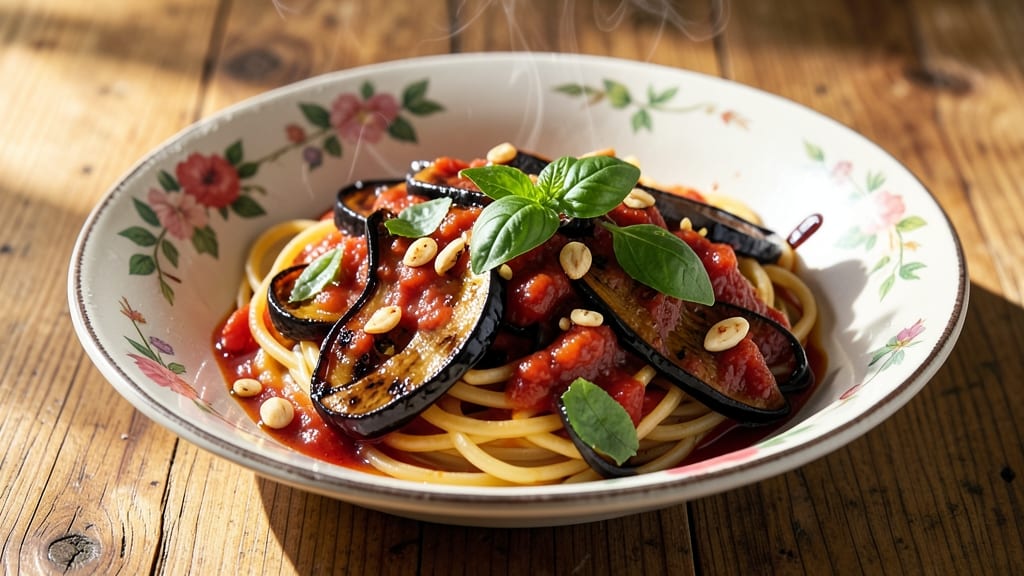
This aubergine pasta sauce transforms humble eggplant into a velvety, smoky masterpiece that clings to every strand of pasta. 🌟 The secret lies in roasting eggplant until it’s caramelized and tender, then blending it into a rich tomato base with garlic, herbs, and a touch of sweetness.
What starts as a simple sauce becomes something extraordinary—deeply flavorful, slightly sweet, and impossibly versatile.
The beauty of this sauce is in its simplicity: just a few ingredients work together to create something restaurant-worthy. Roasting the eggplant first intensifies its natural sweetness while adding a smoky depth that pairs perfectly with bright tomatoes and fresh basil.
The result is a sauce that’s creamy yet light, with just the right balance of acidity and richness.
What makes this sauce truly special is its adaptability—it elevates any pasta dish, from spaghetti to penne, and even works as a dip or marinade. The texture is smooth and velvety, with just enough body to coat noodles beautifully.
Whether you’re serving it over al dente pasta or using it as a base for other recipes, this sauce delivers restaurant-quality flavor with minimal effort.
Ready in under an hour, this sauce is perfect for weeknight dinners or meal prep. The flavors only deepen as it sits, making it even more delicious the next day. Let’s get started—your taste buds will thank you.
Ingredients for aubergine pasta sauce
Roasted eggplant and tomatoes create a velvety sauce that feels fancy but uses simple ingredients.
| Ingredient | Amount | Notes |
|---|---|---|
| Eggplant 🍆 | 1 ½ lb | Medium-sized, cut into chunks |
| Extra-Virgin Olive Oil 🫒 | ½ cup | High quality, fruity |
| Garlic Cloves 🧄 | 5 cloves | Peeled, roughly chopped |
| Canned San Marzano Tomatoes 🍅 | 28 oz | Crushed, no salt added |
| Fresh Basil Leaves 🌿 | ½ cup | Packed, stems removed |
| Red Wine Vinegar 🍷 | 1 tbsp | Balsamic works too |
| Sea Salt 🧂 | 1 tsp | Kosher or fine grain |
| Black Pepper 🌶️ | ½ tsp | Freshly ground preferred |
| Brown Sugar 🍯 | 1 tbsp | Light or dark |
| Fresh Oregano 🍃 | 2 tsp | Chopped, or dried at 1/3 amount |
The eggplant is the star—look for firm, glossy skin at the store, not anything wrinkled. Whole Foods or local markets usually have the best quality, but regular grocery stores work too. Roasting caramelizes the eggplant naturally, so no need to add extra sugar. San Marzano tomatoes are worth the splurge for their sweetness, but any high-quality canned tomatoes will do. The basil? Fresh is best, but dried works in a pinch if you're in a bind—just use half the amount.
No red wine vinegar? Balsamic vinegar or lemon juice both work well. Short on brown sugar? Honey or maple syrup adds a similar depth. Fresh oregano is ideal, but dried oregano (one-third the amount) keeps the flavor profile. The olive oil matters here—use something you'd drizzle on bread, not the cheap stuff. If you're making this ahead, roast the eggplant first and store it separately until you're ready to blend everything together.
This sauce keeps beautifully—3-4 days in the fridge, 3 months frozen. I like to make a double batch because it's so versatile. Freeze in ice cube trays for easy single-serving portions. The flavors actually improve after a day or two, so don't be afraid to make it ahead for your pasta night.
Why You'll Love This Recipe
- I swear by this trick: grill or broil the eggplant until the skin blackens—no peeling required. The smoky depth happens in 10 minutes while you chop garlic, and honestly? That crispy edge with the creamy center? Chef’s kiss.
- Charred Eggplant Shortcut: I swear by this trick: grill or broil the eggplant until the skin blackens—no peeling required. The smoky depth happens in 10 minutes while you chop garlic, and honestly? That crispy edge with the creamy center? Chef’s kiss.
- Tomato-Garlic Magic: Between us, San Marzano tomatoes and fresh basil transform this into something restaurant-worthy without fancy ingredients. The olive oil caramelizes the garlic until it’s fragrant but not burnt, and the basil brightens every bite—like a hug in sauce form.
- Leftovers That Shine: This sauce actually improves the next day. Toss it with pasta for lunch or use it as a pizza base—my kids ask for it more than takeout. (Yes, even on a Tuesday night.) The eggplant soaks up flavors, so reheating never feels like a chore.
Step-by-step instructions for smoky roasted eggplant pasta sauce
Here's how to transform simple ingredients into a rich, smoky sauce that clings perfectly to pasta.
🔥 Step 1: Roast the Eggplant Until Charred
Preheat your oven to 425°F and line a baking sheet with parchment paper. Cut the 1.5 lb eggplant into 1-inch chunks (no need to peel). Toss the chunks with 2 tablespoons of the 0.5 cup extra-virgin olive oil and spread them in a single layer on the baking sheet.
Roast for 30-35 minutes, flipping halfway, until the eggplant is deeply browned with blackened edges and tender when pierced with a fork. The charring adds incredible depth of flavor—don't skip this step! Real talk: if you see steam escaping, it's ready. Let the roasted eggplant cool slightly before handling.
🍳 Step 2: Build the Tomato Base
While the eggplant roasts, heat the remaining 3 tablespoons extra-virgin olive oil in a large skillet over medium heat. Add the 5 peeled garlic cloves and sauté for 1-2 minutes until fragrant but not browned—garlic burns fast, so watch it closely.
Pour in the 28 oz crushed San Marzano tomatoes and stir in the 1 tbsp brown sugar, 1 tbsp red wine vinegar, 1 tsp sea salt, and 0.5 tsp black pepper. Bring to a gentle simmer and let it cook uncovered for 15-20 minutes until thickened. You want a sauce that coats the back of a spoon—this is your flavor foundation.
🥘 Step 3: Blend the Sauce Silky Smooth
Transfer the tomato mixture to a blender or food processor. Add the roasted eggplant (let it cool first—hot liquids cause splatter!) and 0.5 cup packed fresh basil leaves. Pulse until completely smooth, scraping down the sides as needed. Here's the thing—don't worry if it looks too thick. The eggplant releases moisture as it cooks.
Return the blended sauce to the skillet and stir in the 2 tsp fresh oregano. Simmer gently for 5-7 minutes to let the flavors meld. Taste and adjust seasoning—you might need a pinch more salt or a splash of vinegar to balance the sweetness. The sauce should be glossy and rich, with just the right smoky depth from the eggplant.
⏰ Step 4: Finish with Fresh Herbs and Serve
Remove the skillet from heat and stir in any remaining fresh basil leaves you might have left. Let the sauce sit for 5 minutes to thicken slightly—this resting period makes a difference in texture. Meanwhile, cook your pasta according to package instructions until al dente, reserving 1 cup pasta water.
Toss the drained pasta with the eggplant sauce, adding pasta water as needed to reach your desired consistency. The sauce should cling beautifully to each strand. Garnish with extra basil leaves and a drizzle of extra-virgin olive oil before serving. This sauce tastes even better the next day, so make extra if you can!
Pro Tips For Making Aubergine Pasta Sauce
- Salt the Eggplant Twice: Toss sliced eggplant with 1 teaspoon of salt per pound, let it sit 30 minutes, then rinse and pat very dry. I learned this the hard way—skipping the rinse leaves your sauce bitter, and no amount of tomatoes fixes that.
- Char the Garlic Low: Cook minced garlic in olive oil over medium-low heat until golden, not brown—about 4-5 minutes. High heat burns it fast, and you’ll taste the bitterness in every forkful. Trust me, this is the thing that matters most.
- Crush the Tomatoes: Drain the San Marzano cans but don’t skip crushing the tomatoes by hand (or with a wooden spoon) before adding them. The texture stays chunky and bright, not watery sludge—your sauce will thank you.
- Add Basil Late: Tear fresh basil leaves and stir them in just before serving. Cooking them turns them bitter, and you want that bright, herby punch to hit first bite. (Yes, even if you’re impatient like me.)
Pro cooking tips for perfect results
Roasting Perfection
The key to unlocking eggplant's natural sweetness is roasting it until it's deeply charred. I always use a 425°F oven and roast the chunks for 30-35 minutes, flipping halfway. The blackened edges release incredible smoky depth—this is where the magic happens.
Pro tip: Use a Vosges brand spice salt rim on your baking sheet to add subtle flavor while roasting. 🔥
Tomato Base Secrets
Don't rush the tomato simmering—this is where the sauce builds its foundation. I recommend using San Marzano tomatoes for their natural sweetness, but any high-quality canned tomatoes work.
The 15-20 minute simmer reduces the acidity and concentrates the flavors. If your sauce seems too thin, let it cook uncovered—it'll thicken naturally as the water evaporates.
Blending Like a Pro
After roasting, let the eggplant cool completely before blending—this prevents splattering and ensures a smoother texture. I use an Immersion blender for convenience, but a countertop blender works too. For extra richness, add 1 tablespoon tomato paste with the basil leaves.
The sauce should be velvety but still have some body—this is what makes it cling perfectly to pasta. ✨
Flavor Balancing
Taste your sauce before serving—this is where you adjust the seasoning. I often add ½ teaspoon smoked paprika for extra depth or a splash of lemon juice to brighten the flavors.
The brown sugar and vinegar should balance perfectly, but don't be afraid to tweak it. Remember, the sauce improves overnight, so don't stress about getting it perfect immediately.
Texture Control
If your sauce is too thick after blending, thin it with pasta water (reserve some while cooking). For extra creaminess, stir in 1 tablespoon heavy cream or 1 tablespoon nutritional yeast at the end.
The sauce should coat the back of a spoon but still be light enough to cling to noodles beautifully. This is where the roasted eggplant's moisture comes into play—trust the process!
Make-Ahead Magic
This sauce tastes even better the next day, so I always make extra. Store it in an airtight container in the fridge for up to 4 days or freeze for 3 months.
When reheating, warm it gently on the stove with a splash of water to restore its silky texture. The flavors meld beautifully over time, making this an ideal make-ahead sauce for busy weeknights. 💫
Nutrition facts
Frequently asked questions
Can I use fresh eggplant instead of roasted?
Fresh eggplant will work, but roasting is key for that deep, smoky flavor. If you must use raw, sauté the diced eggplant in olive oil until very soft (10-12 minutes), then blend it with the tomatoes. The texture will be slightly less rich, but it’ll still taste great. For best results, stick with roasting!
What pasta works best with this sauce?
This velvety sauce clings beautifully to long pasta like spaghetti or linguine, but it’s also perfect with penne or farfalle. For extra texture, try whole wheat or chickpea pasta. The sauce’s light consistency means it won’t weigh down heartier shapes—just toss it with al dente pasta for the best results.
How do I fix a sauce that’s too thick or too thin?
Too thick? Thin with pasta water or a splash of warm water. Too thin? Simmer uncovered for 5-10 minutes to reduce. For extra creaminess, stir in 1 tablespoon heavy cream or 1 tablespoon nutritional yeast at the end. The roasted eggplant releases moisture as it cooks, so trust the process—it’ll balance out!
Can I make this sauce without tomatoes?
Swap the tomatoes for 4 cups fresh tomatoes (blended) or 1 cup tomato paste mixed with 1 cup water. For a non-tomato version, try white beans or cashew cream as a base—just adjust seasoning to taste. The eggplant’s smokiness will still shine through!
Why does my sauce taste bitter?
Bitterness usually comes from over-roasting the eggplant or undercooked tomatoes. Next time, roast eggplant until tender (not burnt) and simmer tomatoes longer to reduce acidity. Balance flavors with a pinch of sugar or a splash of vinegar. If needed, stir in 1 tablespoon lemon juice to brighten the sauce.