
Sauces & Condiments
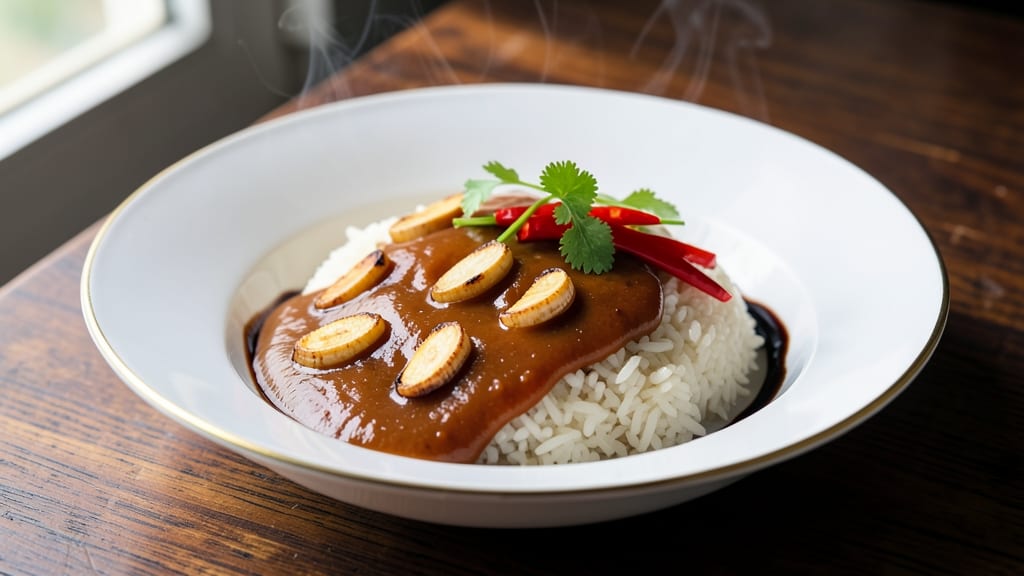
This authentic Chinese garlic sauce transforms ordinary dishes into bold, umami-packed masterpieces with just a few simple ingredients and a 15-minute simmer. The secret lies in balancing raw garlic's sharpness with fermented black vinegar's tang and soy sauce's depth, creating a sauce that's both complex and versatile.
I developed this recipe after years of searching for a version that delivered the same depth as my favorite takeout dishes—without the mystery ingredients.
The magic happens when you toast the garlic and ginger in oil until fragrant but not browned, preserving their bright, fresh flavors while building aromatic layers.
A quick blend with vinegar, soy, and a touch of sugar creates a sauce that's perfect for stir-fries, noodles, or as a dipping sauce for dumplings. The key is patience—simmering until the flavors meld without burning the garlic ensures every drop delivers that signature Chinese restaurant taste.
What you'll end up with is a sauce that's fiery yet balanced, with a perfect harmony of garlic heat, ginger zing, and umami richness. It keeps well in the fridge for up to a week, making it an easy pantry staple for weeknight cooking.
The best part? This sauce elevates even the simplest dishes—think crispy fried rice, steamed vegetables, or grilled meats—into something restaurant-worthy.
Ready to make your own? We'll walk through the exact technique for achieving that authentic depth, plus tips for adjusting thickness and heat to suit your taste. Let's get started—your taste buds will thank you.
Ingredients for authentic chinese garlic sauce
Nine essential ingredients unlocking restaurant-quality Chinese garlic sauce magic in minutes.
| Ingredient | Amount | Notes |
|---|---|---|
| Fresh Garlic Cloves 🧄 | 8 cloves | Minced after toasting |
| Fresh Ginger Root 🌿 | 1 tbsp | Finely grated, peeled |
| Extra-Virgin Olive Oil 🫒 | ½ cup | High smoke point preferred |
| Black Vinegar 🍶 | ¼ cup | Fermented, not balsamic |
| Light Soy Sauce 🍜 | ¼ cup | Kikkoman preferred |
| Dark Soy Sauce 🍜 | 1 tbsp | For deeper color |
| Granulated Sugar 🍚 | 1 tbsp | White or brown |
| White Peppercorns 🌶️ | ½ tsp | Freshly ground |
| Sesame Oil 🌱 | 1 tsp | Toasted, for aroma |
The garlic and ginger are non-negotiable—fresh is a must. Whole Foods or Asian markets carry the best ginger roots with vibrant color and no soft spots. For garlic, elephant garlic (if available) adds a milder, sweeter depth. Toast these aromatics in oil until fragrant but never browned—this builds the sauce's aromatic foundation. Kikkoman soy sauces are the gold standard, but any high-quality light/dark blend works. Black vinegar? Look for Chinese black vinegar at specialty stores—it's tangier and more complex than balsamic.
No black vinegar? Substitute rice vinegar with a pinch of sugar for brightness, though it won't match the depth. Fresh ginger too spicy? Use half the amount of powdered ginger (but it lacks freshness). Sesame oil out of reach? Toasted sesame seeds sprinkled at the end add aroma without the overpowering flavor. The sugar balances acidity—brown sugar works too, but white keeps the sauce cleaner. Pro tip: Toast the garlic and ginger together in the same oil to maximize flavor extraction.
This sauce keeps for 1 week refrigerated in an airtight jar, with flavors deepening over time. For longer storage, freeze in ice cube trays—perfect for single-use portions. The sauce thickens as it cools, so stir in a splash of water if needed before using. Double the batch—it disappears faster than you'd think. Pair with steamed dumplings or stir-fried greens for that authentic restaurant kick.
Why You'll Love This Recipe
- Pantry Magic: I swear by this sauce—no fancy ingredients, just what you already have. The black vinegar and soy sauce balance the garlic’s punch without overpowering, and the ginger adds that je ne sais quoi that makes it taste homemade.
- One-Pot Wonder: No blender, no strainer, no mess. Just a pan, a knife, and 15 minutes of your time. The garlic sizzles in olive oil until it’s golden but not burnt—crispy edges, soft centers—then the vinegar and soy tie it all together like a hug.
- Weeknight Workhorse: Drizzle it over stir-fried greens, toss it with noodles, or slather it on grilled chicken. Honestly, I’ve even used it as a quick marinade for tofu when I forgot to plan ahead. It’s the kind of sauce that makes lazy nights feel intentional.
- Budget Boost: A little goes a long way—this batch feeds a family of four and still leaves enough for leftovers. Store it in the fridge for up to a week, and the flavors deepen over time. My wallet and taste buds thank me every time.
Step-by-step instructions for authentic Chinese garlic sauce
This fiery umami sauce delivers restaurant-quality depth with every spoonful—here's how to nail it.
Toast the Garlic for Maximum Flavor
Heat a small dry skillet over medium-low heat and add the 8 cloves fresh garlic cloves, cut in half lengthwise. Toast for 3-4 minutes, stirring frequently, until the edges turn golden brown and you smell that irresistible nutty aroma. This toasting deepens the garlic's sweetness and removes any bitterness—don't let it burn, or you'll ruin the sauce's delicate balance.
Real talk: I've learned the hard way that patience here pays off. If you rush it, you'll get a harsh, bitter taste that overpowers the sauce's harmony. Once toasted, transfer the garlic to a cutting board and finely mince it—you should have about 1 tablespoon of minced garlic. Set it aside with the toasted skins.
Bloom the Aromatics in Olive Oil
In a clean saucepan, combine the 0.5 cup extra-virgin olive oil and 1 tablespoon finely grated fresh ginger root. Heat over medium heat until the oil shimmers—about 2 minutes—then add the minced garlic and toasted garlic skins. Cook for another 1 minute until the garlic is fragrant but not browned, stirring constantly.
The reason we use olive oil here is its high smoke point and ability to carry flavor. You'll see the mixture bubble gently—that's your signal to keep stirring. If the oil starts to smoke excessively, reduce the heat immediately. This step builds the sauce's aromatic foundation, so don't skip it.
Build the Sauce Base with Vinegar and Soy Sauces
Pour in the 0.25 cup black vinegar and 0.25 cup light soy sauce, followed by the 1 tablespoon dark soy sauce. Stir vigorously and bring the mixture to a gentle simmer over medium heat, which should take about 2-3 minutes. The sauce will darken as it reduces—this is normal and actually enhances the umami depth.
Here's the thing—black vinegar adds that signature tangy complexity, while the combination of light and dark soy sauces creates both color and flavor layers. Let it simmer for 5 minutes until the liquid reduces by about one-third, and you notice the sauce thickens slightly. This reduction process concentrates all those amazing flavors.
Sweeten and Season to Perfection
Add the 1 tablespoon granulated sugar and 0.5 teaspoon freshly ground white peppercorns, stirring constantly. Cook for another 2 minutes until the sugar dissolves completely. The sauce should now have a glossy sheen and coat the back of a spoon. Taste it—you should detect layers of garlic, ginger, and soy complexity with a slight sweetness.
This is the moment that matters: balance is everything. If it needs more depth, add a splash of light soy sauce. If it's too sharp, a pinch of sugar helps. The white peppercorns add subtle heat without overpowering the garlic's sweetness. Remove from heat once you achieve that perfect harmony.
Finish with Sesame Oil for Authentic Flavor
Let the sauce cool for 2 minutes, then stir in the 1 teaspoon sesame oil. This final step adds that unmistakable nutty aroma that makes this sauce truly authentic. The sesame oil should be toasted—if you're using regular sesame oil, heat it separately in a small pan until fragrant before adding.
Your sauce is now ready to use! It should have a thick, glossy consistency with a deep mahogany color. If it's too thick, thin it with a splash of hot water. If it's too thin, simmer it uncovered for another minute to reduce. This sauce keeps beautifully in the fridge for up to 2 weeks, so make extra—you'll want to use it on everything from noodles to grilled meats!
Pro Tips For Making Authentic Chinese Garlic Sauce
- Peel Garlic Fast: Run the whole garlic head under hot water for 30 seconds first—softens the skins so they slip right off. I used to peel cloves one by one and waste half the bulb; this cuts that time in half. Just don’t soak it, or the cloves get waterlogged.
- Low and Slow: Simmer the garlic-ginger oil on lowest heat after the sizzle dies down—even if it bubbles gently. I learned this the hard way after burning three batches; authentic Chinese garlic sauce builds flavor, not color. A 10-minute simmer at 200°F (93°C) is better than 5 minutes at 350°F (175°C).
- Skip the Olive Oil: Extra-virgin olive oil works, but it’s not traditional—use peanut oil or light sesame oil instead for that actual Chinese restaurant aroma. If you’re set on olive oil, at least add 1 teaspoon of toasted sesame seeds at the end for depth. (Yes, even if you’re impatient like me.)
- Balance the Vinegar: Start with half the black vinegar called for, taste, then add the rest. Too much upfront makes the sauce harsh; too little later leaves it flat. I was skeptical until I tried it—now I adjust in ½-teaspoon increments. The sauce should taste sour but bright, not like you’re pickling garlic.
Perfect pairings for this authentic chinese garlic sauce
Stir-Fry Sauce Star
This garlic sauce transforms any stir-fry into a restaurant-quality dish. Toss it with shrimp, chicken, or tofu for instant flavor—just 2 tablespoons per 1 pound of protein. I love using it with broccoli, bell peppers, and snap peas for a quick weeknight dinner.
The sauce clings beautifully to wok-heated vegetables, creating that signature glossy finish. 🌶️
For extra richness, add 1 tablespoon of oyster sauce to the sauce before using. This boosts umami depth and works especially well with seafood stir-fries. The sauce also pairs perfectly with rice noodles—simply toss 2 tablespoons with 2 servings of cooked noodles and top with sliced scallions.
Dipping Sauce Sensation
Serve this sauce warm as a dipping sauce for steamed dumplings, potstickers, or spring rolls. The perfect balance of garlic heat and soy umami makes it irresistible. I like to thin it slightly with 1 teaspoon of hot water for easier dipping.
For a spicier version, add ½ teaspoon of chili crisp or 1 teaspoon of sriracha before serving.
Try it with fried rice—just mix 3 tablespoons into 2 cups of cooked rice along with 1 egg and ½ cup of peas and carrots. The garlic sauce elevates simple fried rice to restaurant-level deliciousness in minutes.
Marinade Magic
Use this sauce as a marinade for grilled meats like pork tenderloin or chicken thighs. Coat the meat and marinate for at least 30 minutes (or overnight for deeper flavor).
The garlic and soy create a perfect crust when grilled. I recommend brushing 1 tablespoon on each side before grilling for that authentic charred flavor.
For a quick garlic sauce glaze, reduce the sauce by half on the stovetop until syrupy. Brush this glaze on grilled corn on the cob or baked fish fillets for a flavor-packed finish. The reduced version also makes an excellent dipping sauce for fried chicken or mochi donuts.
Noodle Sauce Upgrade
Elevate instant ramen or udon noodles by mixing 2 tablespoons of this sauce with 1 tablespoon of sesame oil and a splash of chicken broth.
The garlic sauce adds depth that store-bought packets can't match. For a heartier bowl, stir in 1 soft-boiled egg and ½ cup of bean sprouts.
For hand-pulled noodles, toss 2 tablespoons of sauce with 1 serving of fresh noodles and top with sliced green onions and crushed peanuts. The nutty crunch contrasts perfectly with the sauce's bold flavors. This combination is a crowd-pleaser at any Asian-inspired gathering. 🍜
Nutrition facts
Frequently asked questions
Can I substitute black vinegar with something else?
Yes! For a quick substitute, use rice vinegar with ½ teaspoon extra sugar to mimic the tanginess. However, black vinegar's fermented depth is unique—it adds complexity that other vinegars can't replicate. If you can't find it, try Chinese rice vinegar with a pinch of MSG for umami boost.
How do I adjust the heat level?
For milder heat, reduce garlic to 4 cloves and skip the chili crisp. For extra spice, add ½ teaspoon chili flakes or 1 teaspoon sriracha when finishing. Remember: toasting garlic properly removes harshness, so even with more garlic, the sauce stays balanced. Taste as you go!
Why is my sauce too thick/thin?
Thin with 1 teaspoon hot water at a time if too thick, or simmer uncovered for 1-2 minutes to reduce if too thin. The ideal consistency should coat the back of a spoon but still drizzle smoothly. Pro tip: Simmering too long can burn the garlic—keep heat at medium-low to maintain balance.
Can I make this sauce without sesame oil?
Skip the sesame oil or use ½ teaspoon toasted sesame seeds instead. For extra aroma, add ¼ teaspoon ground coriander when finishing. While sesame oil adds authenticity, the sauce's core flavors (garlic, ginger, soy) will still shine. Just expect slightly less nutty depth.
How can I use this sauce in non-Chinese dishes?
This sauce is incredibly versatile! Try it on grilled burgers (as a marinade), roasted potatoes (as a glaze), or even tacos (as a salsa substitute). The garlic-soy combo works surprisingly well with Mexican flavors—just add a pinch of cumin or lime zest to bridge the gap.