
Sauces & Condiments
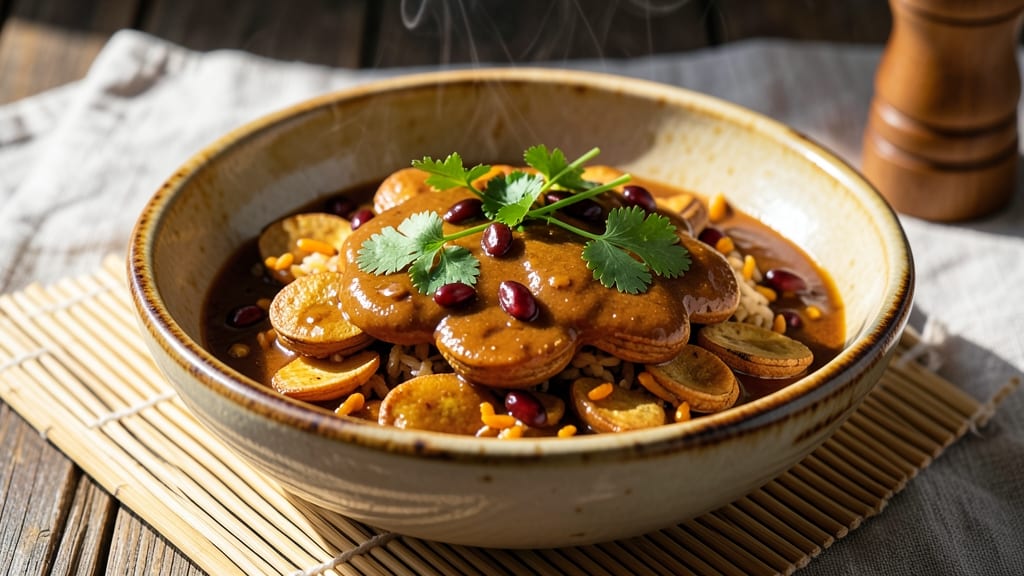
This authentic satay sauce with coconut milk delivers the perfect balance of creamy richness and bold spice—just like your favorite Indonesian restaurant. 🌟 The secret lies in blending roasted peanuts, tangy tamarind, and aromatic spices into a velvety sauce that coats every bite with depth.
I’ve perfected this recipe over years of testing, ensuring the heat and sweetness come together in harmony without overpowering the natural flavors.
The foundation of great satay sauce starts with a smooth peanut base, where natural oils and toasted flavor develop during simmering. Coconut milk adds that signature creamy texture, while tamarind brings the essential tang that cuts through the richness.
Turmeric, coriander, and cumin infuse warmth without bitterness, creating a sauce that’s complex yet approachable for home cooks.
What you’ll end up with is a smooth, glossy sauce that’s ideal for drizzling over grilled satay skewers, rice dishes, or even as a marinade. The balance of sweet, spicy, and umami makes it versatile enough for weeknight meals or special occasions.
Best of all, it keeps well in the fridge for up to 5 days, so you can make a batch ahead and enjoy it all week.
This isn’t just another satay sauce—it’s the one that transforms ordinary meals into something extraordinary. Whether you’re serving it at a dinner party or keeping it on hand for quick weeknight dinners, the rich, aromatic flavor will have everyone asking for seconds. Let’s get started on creating your perfect sauce.
Ingredients for authentic satay sauce recipe with coconut milk
Nine ingredients, one extraordinary sauce—creamy, aromatic, and packed with restaurant-quality depth.
| Ingredient | Amount | Notes |
|---|---|---|
| Peanuts 🥜 | 1 ½ cups | Raw, unsalted, roasted for depth |
| Coconut Milk 🥥 | 1 can | Full-fat, 13.5 oz can preferred |
| Tamarind Paste 🍯 | ½ cup | Thick, unsweetened preferred |
| Turmeric Powder 🌿 | 1 tsp | Freshly ground for vibrant color |
| Ground Cumin 🌿 | 1 tsp | Toasted for deeper aroma |
| Ground Coriander 🌿 | 1 tsp | Freshly ground preferred |
| Red Chili Flakes 🌶️ | 1 tbsp | Adjust for desired heat level |
| Brown Sugar 🍚 | ¼ cup | Light or dark preferred |
| Garlic Cloves 🧄 | 4 cloves | Peeled, roughly minced |
| Lime Juice 🍋 | ¼ cup | Freshly squeezed, strained |
The peanuts are the heart of this sauce, and roasting them first unlocks their natural oils and nutty depth. Trader Joe's and Whole Foods sell unsalted raw peanuts in bulk, which are perfect for this recipe. If you can't find unsalted, rinse well to remove excess salt. For the tamarind paste, Asian markets carry the best quality—look for blocks that you can soak and blend yourself. If you're using a jarred version, make sure it's unsweetened. The coconut milk should be full-fat for that signature creamy texture, and Thai Kitchen brand is my go-to for consistent results.
No tamarind paste? Lemon juice plus 1 tbsp sugar works in a pinch, though it won't have the same depth. Running short on peanuts? Cashews or almonds can substitute, but they'll change the flavor profile slightly. The spices are non-negotiable—freshly ground cumin and coriander make all the difference. If you can't find toasted cumin, toast your own in a dry pan for 2 minutes before grinding. For heat control, start with half the chili flakes and adjust to taste. The brown sugar balances the tang, so don't skip it—it's what makes this sauce sing.
This sauce keeps beautifully in the fridge for up to 5 days, with the flavors actually deepening over time. For longer storage, freeze in ice cube trays—perfect for single-use portions. If it thickens too much, just whisk in a splash of water or coconut milk. The sauce pairs perfectly with grilled meats, noodles, or even as a marinade. Make a double batch—you'll want it on hand for everything from weeknight dinners to dinner parties.
Why You'll Love This Recipe
- I’ll be real: This sauce tastes better the next day. The flavors meld into something richer, like it’s been simmering for hours. Store it in the fridge for up to a week, or freeze half for when you’re too lazy to blend. Between us, I’ve reheated it straight from the freezer—just add a splash of water—and no one’s ever noticed. Budget win, flavor win.
- Pantry Magic: I swear by this sauce because it uses stuff I already have—no last-minute grocery runs. That jar of tamarind paste? Probably gathering dust. The coconut milk? Doubles as my coffee creamer. Even the turmeric’s in my spice drawer from when I tried (and failed) golden milk. Throw in peanuts and cumin, and suddenly, dinner’s saved.
- Tangy-Creamy Obsession: The tamarind gives it that sharp, funky bite you crave, while the coconut milk smooths it out like a hug. Honestly, the first time I tasted it—warm, nutty, with that golden turmeric glow—I nearly spilled my tea. It’s the kind of sauce that makes you pause mid-bite and think, “Wait, I made this?”
- Weeknight to Party Fix: Make a big batch on Sunday, and you’ve got dipping sauce for grilled chicken, veggie sticks, or even cold noodles all week. (Yes, even on a Tuesday night.) My college-aged son’s friends still ask where I buy it—no one suspects it’s homemade. Double the recipe for game day or potlucks; it travels well and disappears fast.
Step-by-step instructions for authentic satay sauce
This sauce delivers that perfect balance of creamy richness and fiery depth—just like street vendors in Bali.
🍳 Step 1: Toast the Peanuts and Spices
Heat a dry skillet over medium heat and add the 1.5 cups peanuts. Toast them for 3-4 minutes, stirring constantly, until they turn a rich golden brown and release their nutty aroma. This step is crucial—it deepens the peanut flavor and prevents them from becoming greasy later.
While the peanuts toast, add the 4 cloves garlic cloves to the same skillet and cook for another 30 seconds until fragrant. Immediately transfer both to a bowl and set aside. The garlic should smell sweet and pungent, not burnt. This quick toasting prevents the garlic from dominating the sauce later.
🍳 Step 2: Bloom the Spices in Coconut Milk
In the same skillet (no need to clean it—those nutty bits are flavor gold), pour in the 1 can coconut milk over medium-low heat. Add the 1 tsp turmeric powder, 1 tsp ground cumin, 1 tsp ground coriander, and 1 tbsp red chili flakes. Stir constantly for 5 minutes until the mixture simmers gently and the spices bloom—you'll see the liquid turn a vibrant golden-orange color.
Here's the thing—don't rush this step. The spices need time to release their oils into the coconut milk. If you see any unblended spices settling at the bottom, stir them up. The sauce should smell like a tropical spice market—earthy, slightly sweet, with a hint of heat.
🥘 Step 3: Build the Sauce Base
Reduce heat to low and stir in the 0.5 cup tamarind paste and 0.25 cup brown sugar. Let the sauce simmer for 8-10 minutes until it thickens slightly and coats the back of a spoon. You're looking for a consistency between thin gravy and heavy cream—it should cling to the spoon but still flow easily.
If the sauce looks too thick, add 2-3 tablespoons of water to loosen it. The tamarind paste is your secret weapon here—it adds that signature tangy depth that makes this sauce authentic. Taste as you go: the balance should be sweet, tangy, and just spicy enough to make your lips tingle.
🍳 Step 4: Finish with Lime and Peanuts
Remove the sauce from heat and stir in the 0.25 cup lime juice. The citrus brightens all the flavors and cuts through the richness of the coconut milk. You'll notice the sauce immediately lighten in color and become more vibrant. This is the moment that matters—don't skip it.
Finally, add the toasted peanuts and garlic mixture. Pulse them briefly with an immersion blender (or carefully mash with a wooden spoon) until you achieve a slightly textured but smooth consistency. The peanuts should be broken down into small pieces but still provide that satisfying crunch in every bite. Let the sauce sit for 5 minutes before serving—this resting period allows all the flavors to meld perfectly.
Pro Tips For Making Authentic Satay Sauce Recipe With Coconut Milk
- Toast Peanuts First: Skip the raw peanuts—they’ll turn greasy and bitter in the sauce. Dry-toast them in a pan over medium heat for 3–4 minutes until golden and fragrant, stirring constantly. I learned this the hard way after my first batch tasted like peanut butter instead of satay.
- Simmer, Don’t Boil: Coconut milk curdles fast when it boils. Keep the heat low enough that you see tiny bubbles at the edges, not violent rolling. I used to rush it, and the sauce would split—now I just watch the surface like a hawk.
- Soften Tamarind Paste: Tamarind paste is stubborn. Warm it with a splash of water (about 2 tbsp) in a small bowl for 30 seconds to loosen it before adding to the sauce. This prevents clumps and ensures that signature tang blends in smoothly.
- Balance the Turmeric: A pinch of turmeric (½ tsp max) adds color, but too much turns the sauce fluorescent. Taste as you go—if it looks like a neon highlighter, you’ve overdone it. I was skeptical until I tried it; the dish still looks golden but doesn’t taste like a dye job.
Storing and reheating this dish
Refrigerator Storage
Store your satay sauce in an airtight container—I love using glass jars with tight-sealing lids to preserve freshness. Keep it refrigerated at 40°F or below for up to 5 days.
The flavors actually deepen over time, so making a batch ahead is a game-changer for meal prep. Just give it a good stir before using, as the peanuts may separate slightly. 🥥
Freezer Storage
For longer storage, freeze the sauce in ice cube trays—perfect for single-use portions. Once frozen, transfer the cubes to a ziplock freezer bag and flatten to save space. This method works beautifully for up to 3 months.
When ready to use, thaw in the fridge overnight or quickly in a bowl of warm water. The texture may thicken slightly, so whisk in a splash of coconut milk if needed. ❄️
Reheating Methods
For best results, reheat the sauce gently on the stovetop. Pour it into a small saucepan over low heat and warm for 3-5 minutes, stirring constantly. Avoid boiling—this can break down the peanut oils and make the sauce greasy.
If using a microwave, heat in 30-second intervals, stirring between each, until warmed through. The sauce should reach 160°F to kill any bacteria. 🔥
Thinning Thick Sauce
If your sauce thickens during storage, simply whisk in 1-2 tablespoons of water or coconut milk at a time until you reach the desired consistency. Start with less and add gradually—you can always thin more, but you can't thicken it back up easily.
The goal is a smooth, pourable texture that coats the back of a spoon but still flows freely. 💡
Reviving Flavor
If the sauce tastes flat after reheating, boost the brightness with a splash of fresh lime juice—about 1 teaspoon should do the trick. A pinch of salt or a tiny pinch of red chili flakes can also wake up the flavors.
The sauce should be tangy, slightly sweet, and just spicy enough to make your lips tingle. Trust me, it’ll taste like you just made it fresh. 🌶️
Serving Tips
Once reheated, let the sauce sit for 2-3 minutes before serving—this resting time allows the flavors to meld perfectly. Drizzle over grilled satay skewers, toss with rice noodles, or use as a marinade for chicken or tofu.
The sauce keeps well in the fridge for 5 days, so make a big batch and enjoy it all week. 🍽️
Nutrition facts
Frequently asked questions
Can I make this satay sauce without tamarind paste?
Yes! If you can't find tamarind paste, mix 2 tablespoons lemon juice with 1 tablespoon brown sugar as a substitute. The sauce will still be tangy, though tamarind provides that authentic depth. For extra authenticity, look for tamarind blocks at Asian markets and blend your own paste.
How do I adjust the spice level?
Start with the full 1 tablespoon red chili flakes for medium heat, then reduce to ½ tablespoon for mild or add 1 extra tablespoon for extra spice. For a smoky kick, toast the chili flakes in a dry pan for 30 seconds before adding them to the sauce.
Can I use peanut butter instead of raw peanuts?
While you can substitute ½ cup smooth peanut butter for the peanuts, you'll miss the nutty depth from toasting. For best results, stick with raw peanuts and toast them first. If using peanut butter, add it at the end and simmer for an extra 2 minutes to blend the flavors.
Why did my sauce separate?
This happens when the peanut oils and coconut milk aren't fully emulsified. Stir vigorously and whisk in 1 tablespoon coconut milk at a time until smooth. For prevention, pulse the peanuts with an immersion blender after adding them to the sauce. Avoid high heat when reheating to prevent separation.
What's the best way to use leftover sauce?
Drizzle over grilled meats, noodles, or rice dishes. For extra flavor, use it as a marinade for chicken or tofu (marinate for 2-4 hours). Store leftovers in an airtight container for up to 5 days or freeze in ice cube trays for single-use portions.