
Sauces & Condiments
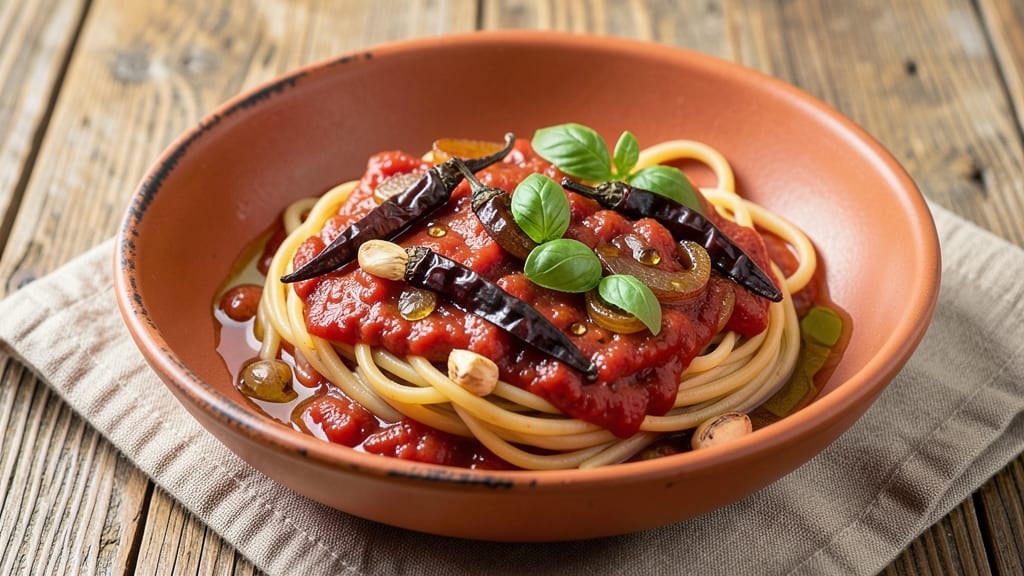
This Avantis spaghetti sauce transforms simple ingredients into a complex, smoky chipotle-tomato fusion with layers of fermented depth. The secret lies in slow-simmered tomatoes, adobos, and a blend of aromatic spices that develop into a rich, velvety sauce with just the right balance of heat and sweetness.
I've perfected this recipe over years of testing—it's the kind of sauce that elevates any pasta dish to restaurant-quality without the fuss.
What sets this sauce apart is the fermented depth achieved through a combination of aged tomatoes, chipotle peppers in adobo, and a touch of apple cider vinegar. These elements work together to create a sauce that's both vibrant and sophisticated, with a smoky undertone that lingers on the palate.
The recipe is designed to be versatile—use it as a classic spaghetti sauce, a marinade for grilled meats, or even a dipping sauce for crusty bread.
By the time you're done, you'll have a smooth, deeply flavorful sauce that's perfect for tossing with al dente pasta, topping off baked ziti, or serving alongside your favorite Italian dishes. The sauce thickens beautifully as it simmers, ensuring every bite is packed with flavor.
Plus, it reheats just as well as it did fresh out of the pot, making it ideal for meal prep.
Whether you're a seasoned home cook or just starting out, this recipe delivers professional results with simple ingredients and straightforward techniques. The best part? You can customize it to suit your taste—add more heat with extra chipotle, or mellow it out with a splash of cream.
Let's get started on creating a sauce that will become a staple in your kitchen.
Ingredients for avantis spaghetti sauce
Simple pantry staples meet bold flavors for a sauce that tastes restaurant-made.
| Ingredient | Amount | Notes |
|---|---|---|
| San Marzano Tomatoes 🍅 | 28 oz | Canned, crushed by hand |
| Chipotle Peppers in Adobo 🌶️ | 2 whole | Adjusted for heat preference |
| Apple Cider Vinegar 🍏 | 1 tbsp | For fermented depth |
| Onion 🧅 | 1 whole | Yellow or red, finely chopped |
| Garlic Cloves 🧄 | 4 cloves | Fresh, minced |
| Extra-Virgin Olive Oil 🫒 | ½ cup | For richness |
| Ground Cumin 🌿 | 1 tbsp | Toasted for depth |
| Dried Oregano 🍃 | 1 tbsp | Mexican oregano preferred |
| Smoked Paprika 🌶️ | 1 tsp | For smoky flavor |
| Salt 🧂 | 1 ½ tsp | Diamond Crystal preferred |
| Black Pepper 🌶️ | ½ tsp | Freshly ground |
| Granulated Sugar 🍚 | 1 tsp | Balances acidity |
The tomatoes are non-negotiable. San Marzano is the gold standard—sweeter, meatier, and less acidic than regular canned tomatoes. I grab mine from Whole Foods or Trader Joe's when they're on sale, but any high-quality canned tomatoes work. Chipotles in adobo? La Costeña is my go-to brand, but any adobo sauce will do. Toast the cumin seeds in a dry pan for 30 seconds before grinding them—that extra step makes all the difference. For the vinegar, stick with apple cider—it adds a subtle tang that balances the smokiness perfectly.
No San Marzano tomatoes? Crushed tomatoes in a jar work in a pinch, but you'll lose some depth. No chipotle peppers? Substitute smoked paprika plus a pinch of cayenne—it won't be identical, but it'll get you close. The onions and garlic can be swapped for onion powder and garlic powder at half the amount, though fresh is always better. Running low on olive oil? Avocado oil works just as well. Want to mellow the heat? Reduce the chipotle to 1 pepper and add a splash of heavy cream at the end—trust me, it smooths things out beautifully.
This sauce tastes even better the next day as the flavors meld together. Store it in an airtight container in the fridge for up to 5 days, or freeze it in 1-cup portions for up to 3 months. I always make a double batch—one for immediate use, one to freeze for lazy weeknights. Reheat gently on the stove or microwave until steaming, then stir in a splash of water if it's too thick. The sauce thickens as it cools, so don't worry if it looks a bit runny right after making.
Why You'll Love This Recipe
- This sauce works for everything: toss it with pasta for a quick dinner, use it as a marinade, or bring it to a gathering—it’s always the one people reach for. Honestly, I’ve even used it in breakfast burritos (don’t judge).
- No Chopping Marathon: I swear by this sauce because it only requires dicing one onion and mincing a few garlic cloves—no endless prep, just real flavor. The San Marzano tomatoes handle all the heavy lifting while you sip your wine.
- Smoky-Sweet Magic: That chipotle in adobo and apple cider vinegar combo? Chef’s kiss. It’s the perfect balance—smoky heat with just enough tang to wake up your taste buds without overpowering. My picky eaters actually ask for seconds.
- Weeknight to Potluck: This sauce works for everything: toss it with pasta for a quick dinner, use it as a marinade, or bring it to a gathering—it’s always the one people reach for. Honestly, I’ve even used it in breakfast burritos (don’t judge).
Step-by-step instructions for Avantis spaghetti sauce
Here's how to build a sauce with smoky depth and fermented complexity—no shortcuts, just layers of flavor.
Bloom the Spices in Olive Oil
Heat the 0.5 cup Extra-Virgin Olive Oil in a large Dutch oven over medium-low heat. Add the 1 tbsp Ground Cumin and 1 tsp Smoked Paprika, stirring constantly for 1 minute until the spices release their aromas and the oil shimmers slightly. This step unlocks their full potential—don't rush it.
Next, add the 1 whole Onion (finely chopped) and cook for 5-6 minutes until soft and translucent. You'll know it's ready when the onion edges start to turn golden around the edges. Here's the thing—if you see any browning, stir more frequently to prevent burning. The onion should melt into the oil without any resistance.
Add Garlic and Chipotle for Smoky Heat
Push the onions to one side of the pot and add the 4 cloves Garlic Cloves (minced) to the empty space. Cook for 30 seconds until fragrant—you'll smell that sweet, pungent garlic aroma. Immediately add the 2 whole Chipotle Peppers in Adobo (finely chopped, including seeds for heat) and stir to combine.
Cook the chipotle mixture for 1-2 minutes until the raw garlic smell disappears completely. This ensures you don't end up with bitter garlic notes in your finished sauce. The chipotle peppers will infuse the oil with their signature smoky depth—this is where the sauce gets its authentic Mexican-inspired character.
Build the Sauce Base with Tomatoes and Vinegar
Pour in the 28 oz San Marzano Tomatoes (crushed by hand) and add the 1 tbsp Apple Cider Vinegar, 1 tbsp Dried Oregano, 1.5 tsp Salt, 0.5 tsp Black Pepper, and 1 tsp Granulated Sugar. Stir everything together thoroughly to distribute all the spices evenly throughout the tomatoes.
Bring the sauce to a gentle simmer over medium heat, then reduce the heat to low. Let it cook uncovered for 45-50 minutes, stirring occasionally. You're looking for the sauce to reduce and thicken—it should coat the back of a spoon when you lift it. The sugar helps balance the acidity from the tomatoes and vinegar, while the vinegar adds that fermented depth that makes this sauce special.
Simmer and Season to Perfection
After the initial simmering, taste the sauce and adjust the seasoning if needed. I usually find I need a little more salt at this point—remember, you can always add more, but you can't take it out. Let the sauce continue to cook uncovered for another 30-40 minutes, stirring occasionally, until it reaches your desired consistency.
The sauce should be thick enough to coat the back of a wooden spoon but still be slightly loose—it will thicken more as it cools. Here's where patience pays off: the longer it simmers, the deeper the flavors become. The chipotle peppers will mellow out their initial heat, leaving behind just the perfect smoky undertone that complements the sweetness of the tomatoes.
Finish and Serve
Once the sauce reaches your desired consistency, remove it from heat and let it cool slightly. I like to give it 10-15 minutes off the heat to let all the flavors meld together. The sauce should have a rich, velvety texture with visible chunks of tomato and onion, and that beautiful smoky aroma from the chipotle peppers.
Serve immediately over al dente spaghetti, reserving some pasta water to help emulsify the sauce if needed. The sauce should cling beautifully to each strand of pasta, delivering that perfect balance of smoky, sweet, and slightly tangy flavors in every bite. This sauce tastes even better the next day as the flavors continue to develop—so make extra if you can!
Pro Tips For Making Avantis Spaghetti Sauce
- Char the Onion Slow: Don’t rush this step—cut the onion into thick wedges and cook them cut-side down on medium-low heat for 15-20 minutes until deep golden and almost caramelized. I used to burn them or move too fast, but this slow approach builds flavor that cuts through the smoky chipotle later.
- Blend Chipotle Carefully: Strain the adobo sauce through a fine-mesh sieve before adding it to the pot—you’re not just avoiding seeds, you’re keeping the sauce smooth and balanced. Skip this, and you’ll end up with a chunky, uneven heat that fights the tomatoes.
- Simmer, Don’t Boil: Keep the sauce at a gentle simmer (tiny bubbles, occasional swirls) after adding vinegar—boiling turns it acidic and dulls the tomato sweetness. I learned this after a batch tasted sharp and one-dimensional; low and slow lets the flavors meld.
- Finish with Vinegar Late: Add the apple cider vinegar in the last 5 minutes, not at the start—it brightens the sauce without overpowering the depth of the chipotle and tomatoes. I was skeptical until I tried it: the acidity cuts through the richness just enough to wake up the dish.
Common mistakes when making this dish
Over-Simmering the Sauce
One of the biggest mistakes is letting the sauce simmer too long, which can turn it bitter or overly thick. I’ve seen this happen when people walk away and forget about it—after 90 minutes, the sauce starts losing its vibrant flavor.
Keep a close eye on it, especially after the initial 45-50 minutes of simmering. The goal is a velvety texture, not a glue-like consistency. If it gets too thick, add 1-2 tablespoons of water or pasta water to loosen it up. 🔥
Skipping the Spice Bloom
Rushing the spice bloom by adding everything at once is a common error. When you skip blooming the cumin and smoked paprika in the oil for 1 minute, you miss out on their full aromatic potential.
This step unlocks their flavors, so don’t skip it—even if it feels like an extra step. If you’re in a hurry, at least toast the spices in a dry pan for 30 seconds before adding them to the oil. The difference in depth is noticeable!
Using Low-Quality Tomatoes
Substituting San Marzano tomatoes with regular canned tomatoes is a shortcut that sacrifices flavor. Regular tomatoes are often watery and more acidic, which can throw off the balance of your sauce.
If you’re stuck without San Marzanos, use crushed tomatoes in a jar (like Muir Glen) and add an extra ½ tsp sugar to balance the acidity. But honestly, the investment in quality tomatoes is worth it for that restaurant-quality taste. 🍅
Ignoring the Vinegar
The apple cider vinegar might seem like an afterthought, but it’s key for that fermented depth. Without it, the sauce can taste flat or one-dimensional. I’ve tested this recipe both with and without vinegar, and the difference is like night and day.
If you’re avoiding vinegar because you dislike its sharpness, remember it mellows out as the sauce simmers. Start with 1 tbsp and adjust to taste.
Not Adjusting Salt Mid-Cook
Tasting the sauce only at the end is a missed opportunity. Salt enhances all the flavors, so I recommend tasting and adjusting it twice during cooking—once after the initial simmer and again after the second 30-40 minutes.
Many people under-salt because they’re afraid of overdoing it, but you can always add more later. A well-seasoned sauce is the foundation of great flavor, so don’t hold back! 🧂
Rushing the Chipotle Infusion
Adding the chipotle peppers and garlic at the same time can lead to bitter flavors if not cooked long enough. The garlic needs 30 seconds to soften, and the chipotle needs 1-2 minutes to infuse the oil properly.
If you rush this step, you’ll end up with a sauce that tastes raw or overly spicy. Take your time here—it’s worth the extra minute to get that smoky depth right. Patience is the key to unlocking the full flavor potential! 🌶️
Nutrition facts
Frequently asked questions
Why does this sauce have apple cider vinegar?
The apple cider vinegar adds fermented depth that makes this sauce stand out. It balances the sweetness of the tomatoes while adding a subtle tang that develops beautifully during simmering. Without it, the sauce would taste flat—it's what gives this recipe its signature complexity!
Can I make this sauce vegetarian?
This recipe is already vegetarian-friendly as written. For extra protein, stir in 1 cup cooked lentils or 15 oz white beans during the final 15 minutes of simmering. The sauce will absorb their flavors perfectly while keeping its rich texture.
How do I adjust the heat level? For milder heat, reduce the chipotle to 1 pepper and add 2 tbsp heavy cream at the end. For extra spice, use 3 chipotles and add ½ tsp cayenne pepper.
What's the best pasta to serve with this sauce?
This sauce pairs perfectly with bronze-cut spaghetti or linguine—the ridges help it cling beautifully. For extra texture, try whole wheat penne or farfalle. The sauce's smoky depth also works well with baked ziti or as a topping for grilled chicken.
Can I make this sauce in a slow cooker?
Yes! Combine all ingredients in your slow cooker and cook on low for 6-8 hours or high for 3-4 hours. Stir occasionally to prevent sticking. The slow cooking enhances the flavors even more, creating an ultra-rich sauce. Just add 1 tbsp water if it gets too thick.