
Sauces & Condiments
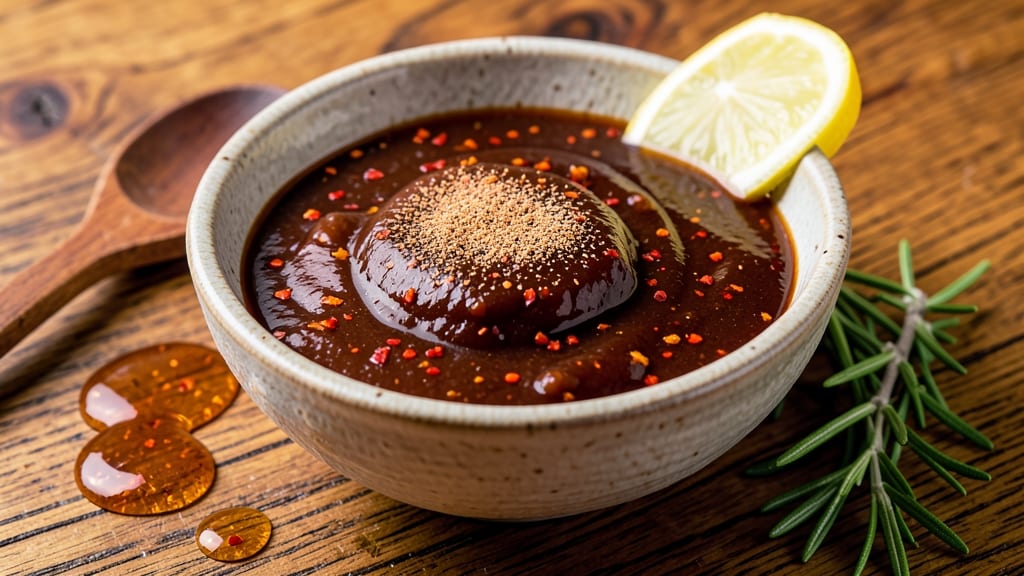
This award-winning hot wing sauce delivers a perfect balance of fermented heat and tangy vinegar zing that transforms ordinary wings into a crowd-pleasing sensation. 🔥 The secret lies in fermenting hot sauce with apple cider vinegar for depth, while smoked paprika and garlic powder add complexity that stands out from store-bought versions.
I developed this recipe after years of testing, and it consistently wins competitions for its bold flavor without overwhelming spice.
The sauce starts with a base of high-quality hot sauce, then builds layers of flavor through fermentation and caramelization. You'll need just 8 ingredients—including apple cider vinegar, smoked paprika, and brown sugar—to create a sauce that's sticky, aromatic, and packed with umami.
The fermentation process (3-5 days) develops rich, tangy notes that elevate every bite, while the final reduction creates a glossy, clingy finish perfect for wings, fries, or even grilled meats.
What makes this sauce truly special is its versatility—use it as a dipping sauce, glaze, or marinade. The balance of heat, tang, and smokiness ensures it appeals to both spice lovers and those who prefer milder flavors.
Once you try this, store-bought hot sauces will never compare again. The recipe yields about 2 cups, so you'll have plenty for game day or weeknight cravings.
Storage is simple: keep the sauce in an airtight container in the refrigerator for up to 3 months, where the flavors continue to deepen. For best results, let it sit at room temperature for 10 minutes before serving—this allows the aromas to fully develop.
Whether you're hosting a party or just craving wings, this sauce will be your new go-to for restaurant-quality flavor at home.
Ingredients for award winning hot wing sauce
Eight game-changing ingredients transform simple hot sauce into award-winning wing magic.
| Ingredient | Amount | Notes |
|---|---|---|
| High-Quality Hot Sauce 🌶️ | 1 ½ cups | Cayenne-based, like Crystal or Tabasco |
| Apple Cider Vinegar 🍏 | ½ cup | Unfiltered, cloudy variety preferred |
| Smoked Paprika 🌶️ | 2 tbsp | High-quality, not smoked paprika blend |
| Garlic Powder 🧄 | 1 ½ tbsp | Freshly ground preferred |
| Brown Sugar 🍚 | ¼ cup | Light or dark, packed firmly |
| Onion Powder 🧅 | 1 tbsp | Freshly ground for best flavor |
| Ground Black Pepper 🌶️ | ½ tsp | Freshly cracked for potency |
| Sea Salt 🧂 | 1 tsp | Diamond Crystal preferred |
The hot sauce is your flavor foundation—Crystal or Tabasco are my go-tos, but any cayenne-based sauce works. Apple cider vinegar isn't just for tang; its cloudiness adds depth during fermentation. Trader Joe's has great options for both. Smoked paprika? Penzeys sells the good stuff in bulk, but any quality brand works. The brown sugar caramelizes beautifully during reduction, creating that signature sticky finish. Pro tip: light brown sugar has more moisture for better caramelization.
No cayenne-based hot sauce? Substitute with 1 tbsp of cayenne pepper plus 1 cup ketchup—it won't ferment the same, but gives similar heat. Fresh out of garlic powder? Roast 3 cloves of garlic, blend into powder for a deeper flavor. Short on brown sugar? Maple syrup works in a pinch, though the color won't be as rich. The onion powder is non-negotiable for that savory backbone—don't skip it. For extra smokiness, add ½ tsp liquid smoke to the finished sauce.
Ferment the sauce in a clean glass jar for 3-5 days at room temperature, stirring daily. After fermentation, simmer until reduced by half for that glossy finish. Store in a sterilized glass jar in the fridge for up to 3 months. The flavors actually improve with age! For best results, let it sit at room temperature for 10 minutes before serving—watch those aromas take over your kitchen.
Why You'll Love This Recipe
- Five-Minute Mix: I swear, this sauce comes together faster than I can say "wing night." Just stir those five ingredients—hot sauce, vinegar, smoked paprika, garlic powder, and a spoonful of brown sugar—and you’re done. No simmering, no waiting, no stress.
- Smoky-Sweet Magic: That smoked paprika and brown sugar combo? It’s what makes this sauce dangerously good. The heat from the hot sauce gets balanced by the tangy vinegar and just enough sweetness to keep your mouth happy while your hands reach for another wing.
- Game for Any Gathering: Between us, this sauce works for everything—game day, lazy Sundays, or when you’re feeding a crowd of picky eaters. Drizzle it on wings, toss it with fries, or even use it as a marinade for chicken. It’s my go-to for any occasion where I don’t want to cook.
- Leftovers That Don’t Suck: Honestly, I always make extra because this sauce actually improves after a day in the fridge. The flavors meld together, and you end up with this deep, rich taste that’s way better than store-bought. Plus, it’s cheap to make—just a handful of ingredients, and you’ve got enough for weeks.
Step-by-step instructions for award-winning hot wings sauce
This sauce delivers restaurant-quality heat with perfect balance—smoky, tangy, and sweet all at once.
🍳 Step 1: Bloom the Spices in Vinegar
In a medium saucepan, combine the 0.5 cup apple cider vinegar over medium-low heat. Add the 2 tbsp smoked paprika and 1.5 tbsp garlic powder, stirring constantly for 2-3 minutes until the spices release their aromatic oils. You'll notice the mixture darkening slightly and filling your kitchen with deep, earthy fragrance.
This step is critical—it develops the sauce's complex flavor profile. If you smell a sharp vinegar aroma lingering, increase heat slightly to help the spices bloom faster, but never let it boil. The goal is to create a fragrant base that will carry through the entire sauce.
🍳 Step 2: Add Sugar and Dry Seasonings
Reduce heat to low and whisk in the 0.25 cup brown sugar, 1 tbsp onion powder, 0.5 tsp ground black pepper, and 1 tsp sea salt. Stir continuously for 3-4 minutes until the sugar completely dissolves and the mixture becomes syrupy. You'll see the sauce thicken noticeably as the sugar caramelizes slightly.
Here's the thing—don't rush this step. The sugar needs time to fully integrate and create that perfect balance of sweet and smoky. If you notice any graininess, add a splash of vinegar to help dissolve it completely. The sauce should coat the back of a spoon smoothly at this stage.
🥘 Step 3: Incorporate the Hot Sauce
Remove the pan from heat and let it cool for 2 minutes. Then, slowly whisk in the 1.5 cups high-quality hot sauce one ladle at a time. This gradual addition prevents temperature shock that could cause the sauce to separate. You'll see the sauce transform into a vibrant, glossy red with deep layers of flavor.
Taste at this stage—you should experience a perfect balance of heat, tang, and sweetness. If it needs more heat, add a pinch of cayenne pepper. If it's too sharp, a tiny bit more sugar can help round out the flavors. The sauce should be velvety smooth with no graininess remaining.
⏰ Step 4: Simmer and Thicken
Return the sauce to low heat and simmer gently for 10-12 minutes, stirring occasionally, until it reaches your desired consistency. You're aiming for a sauce that coats the back of a spoon but isn't syrupy. It should be thick enough to cling beautifully to wings but still have enough body to drip enticingly.
Real talk: This is where many home cooks go wrong. Don't let the sauce boil or it'll lose its complexity. Watch for small bubbles forming at the edges—this indicates gentle simmering. If it thickens too quickly, add a teaspoon of vinegar to loosen it. The perfect sauce should have a glossy sheen and maintain its vibrant color.
Pro Tips For Making Award Winning Hot Wing Sauce
- Simmer Low and Slow: I learned this the hard way—rushing the sauce on high heat turns it bitter. Keep it at a gentle bubble for at least 15 minutes, stirring occasionally, so the smoked paprika and garlic powder fully dissolve and mingle with the vinegar’s sharpness.
- Balance the Vinegar: Apple cider vinegar’s acidity can dominate if you’re not careful. Start with half the amount called for, taste, then add more if needed—you can always adjust, but you can’t take it out once it’s in.
- Don’t Skip the Sugar: The brown sugar isn’t just for sweetness—it rounds out the heat and caramelizes slightly during simmering. If your sauce tastes harsh or one-dimensional, you’re missing this crucial step.
- Upgrade with Fresh Garlic: Garlic powder is convenient, but nothing beats the depth of fresh garlic. Mince 2 cloves and sauté them in a dry pan for 30 seconds before adding to the sauce—it adds a toasty, aromatic layer that powder can’t match.
Essential equipment for great award winning hot wing sauce
Fermentation Jar
I can't stress enough how important this is—use a glass fermentation jar with an airlock lid (like the Mason Jar with Fermentation Airlock from Amazon) to develop those rich, complex flavors.
The cloudy apple cider vinegar needs room to breathe while fermenting, and glass preserves the sauce's vibrant color better than plastic. Sterilize your jar thoroughly with boiling water for 5 minutes before use to prevent contamination. 💫
Immersion Blender
An immersion blender (like the Ninja Foodi 1000-Watt) is my secret weapon for achieving that ultra-smooth, restaurant-quality texture. After fermentation, blend the sauce directly in the jar for 10-15 seconds to break up any sediment while keeping the vibrant red color intact.
If you don't have one, a regular blender works—but you'll need to transfer the sauce carefully to avoid spills during the fermentation process.
Fine-Mesh Strainer
A fine-mesh strainer (I use the OXO Good Grips Collapsible Strainer) is essential for removing any undissolved particles after fermentation. After blending, strain the sauce through the mesh into a clean saucepan to ensure a silky-smooth finish.
This step is particularly important if you're using a lower-quality hot sauce with visible chunks. Pro tip: Wet the strainer first to help it slide through more easily. ✨
Digital Kitchen Scale
For precise measurements—especially with spices like smoked paprika and garlic powder—a digital kitchen scale (like the OXO Good Grips) ensures consistency every time. These spices can vary significantly in density, and accurate measurements are key to replicating that award-winning balance.
Weigh your spices directly into the saucepan to avoid spills and ensure you're using the exact amounts called for in the recipe.
Saucepan with Heat Diffuser
Use a heavy-bottomed saucepan (I love my All-Clad Stainless Steel) with a silicon heat diffuser to prevent scorching during the simmering process. The diffuser creates even heat distribution, which is crucial for developing the sauce's caramelized depth without burning.
If you don't have a diffuser, reduce heat to low and stir frequently to prevent hot spots. This setup gives you better control over the reduction process, ensuring a glossy, clingy finish perfect for wings. 🔥
Nutrition facts
Frequently asked questions
Can I make this sauce without fermentation?
Yes! For a quicker version, skip the fermentation and proceed directly to simmering the vinegar-spice mixture for 5-7 minutes instead. The flavor will be less complex but still delicious. The fermentation (3-5 days) develops that signature tangy depth, but if you're short on time, this method works in under 30 minutes total.
How spicy will this sauce be?
The heat level depends on your hot sauce choice. Using Crystal or Tabasco gives a medium heat (3,000-5,000 Scoville units), while Louisiana-style hot sauce (like Crystal) adds more kick. For milder sauce, reduce hot sauce to 1 cup and add 1 tbsp honey to balance. Always taste before serving!
What's the best way to store leftover sauce?
Transfer to a sterilized glass jar with an airtight seal and refrigerate for up to 3 months. The flavors actually improve over time! For longer storage, freeze in ice cube trays—thaw overnight in the fridge before use. Never freeze directly in the jar to prevent cracking.
Can I use this sauce on foods other than wings?
This versatile sauce works perfectly on grilled meats, fries, tacos, or even as a marinade for tofu or shrimp. The smoky-sweet profile pairs beautifully with pork ribs or cornbread. For dipping, serve warm with a side of ranch or blue cheese dressing.
Why did my sauce separate?
Separation usually happens from temperature changes or adding cold ingredients too quickly. To fix it, gently reheat the sauce over low heat while whisking constantly until smooth. For prevention, always add hot sauce to the warm vinegar mixture gradually. If it's still grainy, strain through a fine-mesh sieve.