
Sauces & Condiments
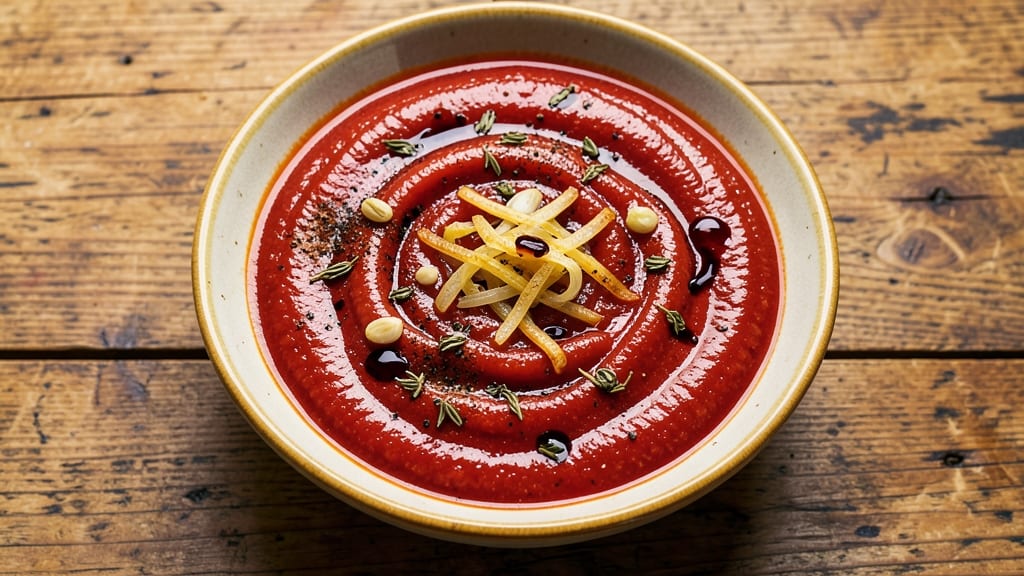
This awesome pizza sauce recipe transforms simple ingredients into a smoky, deeply flavorful base that makes every slice unforgettable. The secret lies in slow-cooked tomatoes, aromatic herbs, and a touch of smokiness that elevates homemade pizza to restaurant quality.
I developed this recipe after years of experimenting—it’s the one my family begs for, and it’s become my go-to for both classic and creative toppings.
The foundation is built on high-quality canned tomatoes (never paste) simmered until thick and concentrated, with garlic, onion, and a blend of Italian herbs for depth. A splash of red wine vinegar brightens the flavor, while smoked paprika adds that signature depth without overpowering.
The sauce reduces to a perfect consistency—thick enough to cling to cheese but still spreadable for even distribution.
What sets this sauce apart is its versatility. Use it for classic Margherita, meat lovers, or even as a marinara for pasta. The smoky notes complement spicy toppings like pepperoni or jalapeños while balancing sweet ingredients like pineapple or mushrooms.
It also stores beautifully in the fridge for up to a week or freezes for months, making it a pantry staple.
Ready in just 30 minutes, this sauce requires minimal effort but delivers maximum flavor. The key is patience—letting the tomatoes break down and the spices meld creates a sauce that tastes even better the next day.
Whether you're a pizza night regular or a weekend chef, this recipe will become your new favorite.
Ingredients for awesome pizza sauce
Nine simple ingredients create a sauce that makes every pizza unforgettable.
| Ingredient | Amount | Notes |
|---|---|---|
| San Marzano Tomato Cans 🍅 | 2 cans | Whole peeled tomatoes, crushed by hand |
| Yellow Onion 🧅 | 1 whole | Medium size, finely diced |
| Garlic Cloves 🧄 | 4 cloves | Fresh, minced to a paste |
| Smoked Paprika 🌶️ | 1 tbsp | High-quality, for authentic smokiness |
| Dried Oregano 🍃 | 1 tsp | Italian or Mediterranean blend |
| Red Wine Vinegar 🍷 | 1 tbsp | Brightens the sauce |
| Extra-Virgin Olive Oil 🫒 | 2 tbsp | High quality, fruity variety |
| Granulated Sugar 🍬 | 1 tsp | Balances acidity |
| Salt 🧂 | 1 tsp | Diamond Crystal preferred |
| Black Pepper 🌶️ | ½ tsp | Freshly cracked |
San Marzano tomatoes are non-negotiable here—they're sweeter and less acidic than regular canned tomatoes, giving you that restaurant-quality depth. Trader Joe's and Whole Foods carry them year-round, but if you can only find regular canned tomatoes, crush them by hand for better texture. The garlic and onion should be cooked down slowly to avoid bitterness, so don't rush this step. Smoked paprika is what gives this sauce its signature smoky flavor—Penzeys or McCormick are solid brands, but any good-quality smoked paprika will work. I always grab extra because it's worth having on hand for other dishes too.
No red wine vinegar? A mix of apple cider vinegar and a pinch of sugar works in a pinch. Fresh oregano is ideal, but dried at half the amount gets you close. The olive oil matters here—use something you'd actually drizzle on bread, not the cheap stuff. If you're making this ahead, let it cool completely before storing. The sugar might seem odd, but it's crucial for balancing the acidity from the tomatoes and vinegar. For extra depth, a pinch of cinnamon or a dash of cayenne can be added, but keep it subtle—this sauce is about the tomatoes and herbs.
This sauce tastes even better the next day as the flavors meld. Store it in an airtight container in the fridge for up to 1 week, or freeze for 3 months. I portion mine into small jars so I can grab just what I need for a pizza night. The consistency will thicken as it cools, so if it seems too thick when cold, just stir in a splash of water or tomato juice. It reheats beautifully—just warm it gently on the stove or microwave until hot. The smoky notes make it perfect for both classic Margherita and creative toppings like spicy jalapeños or caramelized onions.
Why You'll Love This Recipe
- No-Fuss Simplicity: I swear by this sauce because it’s the kind of recipe that doesn’t demand perfection—just a knife, a pot, and 15 minutes of my time. The San Marzano tomatoes do all the heavy lifting; I barely even chop the onion, just pulse it in the food processor for a quick, even texture.
- Smoky Depth Magic: That smoked paprika is where the flavor really lives. It’s not just a hint of heat—it adds this warm, earthy richness that makes every bite taste like a little campfire. Honestly, I’ll often double it if I’m feeling extra generous.
- Weeknight & Weekend: This sauce works just as well on a Tuesday night as it does for a Saturday gathering. Use it for pizza, of course, but I’ve also tossed it with pasta or spread it on garlic bread—it’s my go-to for any meal that needs a little extra punch.
- Budget-Friendly Staple: A single can of San Marzanos stretches across multiple meals, and the rest of the ingredients? Cheap and shelf-stable. I’ve made gallons of this sauce for under $10, and it’s still the star of every dish it touches. (Yes, even on a Tuesday night.)
Step-by-step instructions for smoky tomato pizza sauce
Here's how to transform simple ingredients into a rich, smoky sauce that makes every pizza unforgettable.
Sauté Onion and Garlic for Flavor Foundation
Heat the 2 tablespoons extra-virgin olive oil in a medium saucepan over medium heat. Add the finely diced yellow onion and cook for 5-6 minutes until softened and translucent. You'll know it's ready when the onion releases its sweet aroma and loses its raw bite.
Reduce heat to low and add the minced garlic cloves. Cook for another 30 seconds until fragrant—don't let it brown or it'll turn bitter. Here's the thing: garlic burns faster than you think, so keep an eye on it. Once it smells heavenly, you're ready for the next step.
Add Spices and Tomatoes for Depth
Increase heat to medium and stir in the 1 tablespoon smoked paprika, 1 teaspoon dried oregano, and 1 teaspoon salt. Let the spices toast for 30 seconds to release their aromas—this builds complex flavor that regular pizza sauce just can't match.
Pour in the 2 cans San Marzano tomato cans (crushed by hand) and the 1 tablespoon red wine vinegar. The vinegar brightens the sauce while balancing the tomatoes' natural sweetness. Stir well to combine all ingredients. Bring to a gentle simmer over medium-low heat—you want bubbles breaking the surface, not a rolling boil.
Simmer and Sweeten the Sauce
Let the sauce simmer uncovered for 20-25 minutes until it thickens slightly. Stir occasionally to prevent sticking. This slow cooking develops the flavors and allows the tomatoes to break down beautifully. You'll notice the sauce darken and deepen in color—that's exactly what you want.
About 5 minutes before the sauce is done, stir in the 1 teaspoon granulated sugar and ½ teaspoon black pepper. The sugar helps balance the acidity while letting the smoky flavors shine. Taste and adjust seasoning if needed—this is your sauce, so make it perfect for your palate.
Blend for Silky Texture (Optional)
For a smooth sauce, transfer the mixture to a blender or food processor. Pulse until completely smooth—this creates that classic restaurant-quality texture. If you prefer a rustic texture, skip blending and just stir vigorously before using.
Return the sauce to the saucepan and let it cool slightly. The sauce will thicken further as it cools, so don't worry if it looks a bit loose when hot. This smoky tomato base keeps well in the refrigerator for up to 5 days or can be frozen for 3 months. It's perfect for pizza, pasta, or even as a marinade.
Pro Tips For Making Awesome Pizza Sauce
- CRUSH THE ONIONS: First, finely dice that yellow onion—think matchstick size, not chunky. I learned this the hard way: big pieces turn to mush and make the sauce taste watery, even with San Marzanos.
- SWEAT THE GARLIC LOW: Cook the minced garlic in the onion oil on medium-low heat until it’s golden, not browned. After burning three batches, I finally figured out: patience here means no bitter aftertaste ruining your sauce.
- SIMMER NOT BOIL: Once you add the crushed tomatoes, keep the heat at a gentle simmer—never a rolling boil. My grandmother swore by this, and she was right: boiling skims off the natural sweetness and concentrates the acidity.
- SALT IN LAYERS: Add half the salt when you start cooking the onions, then the rest after the sauce has simmered for 15 minutes. This balances the flavors without making the sauce taste flat or one-note. (Yes, even if you're impatient like me.)
Wine and beer pairings for these flavors
Classic Italian Wines
For this smoky tomato sauce, I always reach for a crisp Chianti Classico from Tuscany—its bright acidity and cherry notes cut through the richness beautifully. A glass of 2019 Chianti Classico Riserva (around $25-$35) elevates the dish without overpowering the sauce's depth.
If you prefer something lighter, a Pinot Grigio from Alto Adige provides a clean, citrusy contrast that refreshes your palate between bites. 🍷
Bold Red Pairings
If you're serving a meat-heavy pizza, a Montepulciano d'Abruzzo delivers earthy, spicy notes that complement the smoky paprika in the sauce. I love 2018 Masciarelli (around $15-$20) for its balance of fruit and structure.
For a more approachable option, Sangiovese from Emilia-Romagna offers a smoother profile that pairs perfectly with pepperoni or spicy toppings.
Craft Beer Pairings
A Belgian witbier like Hoegaarden (around $4-$6) is my go-to beer pairing—its coriander and citrus flavors mirror the sauce's brightness. For a hoppier option, try a session IPA with light maltiness, like New Belgium Fat Tire (around $6-$8).
The beer's effervescence helps cleanse your palate between bites of rich, cheesy pizza.
White Wine Alternatives
If you prefer white wine, a Vermentino from Sardinia (around $12-$18) brings salty, mineral notes that enhance the sauce's smokiness. For a budget-friendly choice, Sauvignon Blanc from New Zealand offers zesty acidity that balances the dish. Avoid heavy, oaky whites—they'll clash with the sauce's vibrant flavors.
Non-Alcoholic Options
For a refreshing non-alcoholic pairing, try San Pellegrino Aranciata—its blood orange and citrus flavors complement the sauce's sweetness. Alternatively, a sparkling water with a splash of Aperol (just 1 part Aperol to 4 parts water) mimics the sauce's brightness without alcohol.
The bubbles help cut through the richness, making every bite feel lighter. 💫
Nutrition facts
Frequently asked questions
Can I make this sauce without San Marzano tomatoes?
Yes, but the flavor will be less refined. Use high-quality crushed tomatoes with minimal added salt, like Muir Glen Organic or Century Brand. For best results, crush the tomatoes by hand to release more natural sweetness and reduce water content. The sauce will still be delicious, though it may have slightly more acidity.
How do I adjust the spice level for kids or sensitive palates?
Simply reduce or omit the smoked paprika and black pepper. For a milder version, use ½ teaspoon of regular paprika instead of smoked, and skip the cayenne if adding it. The sauce will still have great depth from the tomatoes and herbs—just without the smoky kick. Always taste as it cools, since flavors intensify.
What's the best way to store leftover sauce?
Let the sauce cool completely, then transfer to an airtight container. It keeps in the fridge for 5-7 days—the flavor actually improves after the first day as the ingredients meld. For long-term storage, freeze in 1-cup portions in silicone molds or ice cube trays. Thaw overnight in the fridge before using. Never refreeze thawed sauce.
Can I make this sauce in a slow cooker or Instant Pot?
For a slow cooker, sauté the onion and garlic first, then add all ingredients and cook on low for 3-4 hours or high for 1.5-2 hours. For an Instant Pot, sauté the aromatics, then add everything else and pressure cook for 10 minutes on high. Release pressure naturally before blending. Both methods work beautifully—just watch the sauce doesn't over-reduce.
Why does my sauce taste too acidic or bitter?
Acidity usually means the tomatoes weren't ripe enough or the vinegar overpowered the dish. Balance it with ½ teaspoon sugar or a pinch of cinnamon. Bitterness comes from overcooked garlic or onions—next time, remove them 1 minute early. Always taste as you go! For prevention, use ripe tomatoes and reduce heat when cooking aromatics.