
Sauces & Condiments
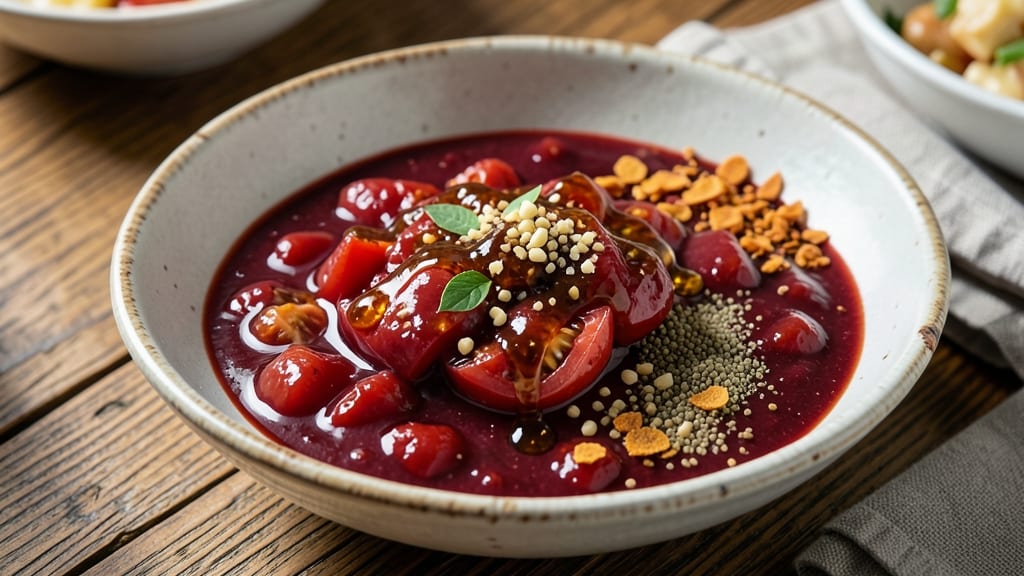
This Bad Brad's 321 sauce delivers a bold, fermented kick with layers of tangy tomato and smoky depth—perfect for grilling or dipping. The secret lies in fermented hot sauce, which adds complexity without overpowering the sweet-tart tomato base.
I developed this recipe after years of perfecting the balance between heat, acidity, and richness.
The sauce starts with a simple blend of tomatoes, vinegar, and spices, then ferments for 7-10 days to develop its signature depth. The fermentation process enhances the natural sweetness while building a subtle funk that elevates any dish.
Unlike store-bought sauces, this one gets better with time, rewarding patience with restaurant-quality flavor.
What makes this sauce stand out is its versatility—use it as a marinade for grilled meats, a dip for fries, or a glaze for roasted vegetables. The heat level is manageable but noticeable, making it ideal for those who love a little kick without overwhelming spice.
Once you taste the difference, you’ll never go back to bottled versions.
Ready in just 15 minutes of prep (plus fermentation time), this sauce requires minimal effort but delivers maximum flavor. Store it in the refrigerator for up to 3 months, and let the flavors continue to develop. Here’s how to make it—your taste buds will thank you.
Ingredients for bad brads 321 sauce
Fermented heat meets tangy tomato in this bold sauce—just ten ingredients for restaurant-quality flavor.
| Ingredient | Amount | Notes |
|---|---|---|
| San Marzano Whole Tomatoes 🍅 | 2 lbs | Crushed by hand for best texture |
| Apple Cider Vinegar 🍏 | ½ cup | Raw, unfiltered preferred |
| Fermented Hot Sauce 🌶️ | ¼ cup | Like Cholula or homemade |
| Granulated Garlic 🧄 | 2 tbsp | Fresh minced works too |
| Smoked Paprika 🌶️ | 1 tbsp | High quality for smoky depth |
| Ground Cumin 🌿 | 1 tsp | Toasted for enhanced aroma |
| Cayenne Pepper 🔥 | ½ tsp | Adjust for desired heat |
| Diamond Crystal Kosher Salt 🧂 | 1 ½ tsp | Fine grain preferred |
| Honey 🍯 | 1 tbsp | Local raw if possible |
| Black Peppercorns 🌶️ | 10 whole | Freshly cracked preferred |
The tomatoes are the foundation—San Marzano gives you that natural sweetness and acidity balance. Grab a couple pounds from Trader Joe's or your local farmers market if they're in season. The vinegar should be raw and unfiltered (like Bragg's) for that subtle funk. Fermented hot sauce is non-negotiable here—Cholula is my go-to, but any good-quality brand works. Pro tip: crush the tomatoes by hand for better texture and flavor release. If you're using fresh garlic instead of granulated, toast it lightly first to deepen the flavor.
No fermented hot sauce? Substitute with 1/4 cup extra apple cider vinegar plus 1/2 tsp cayenne—it won't ferment but will add heat. Short on San Marzano? Roma tomatoes work too, but you'll need to remove seeds for less acidity. The honey can be swapped for maple syrup if you prefer. For a smokier profile, add 1/4 tsp liquid smoke. Black peppercorns should be cracked fresh if possible—pre-ground loses potency fast. If you're sensitive to heat, cut the cayenne to 1/4 tsp or use red pepper flakes instead.
This sauce develops over time—7-10 days in the fridge is ideal. Store it in a clean glass jar with a tight seal, leaving about 1 inch of headspace for fermentation gases. Once opened, it keeps for 3 months in the refrigerator, with flavors intensifying over time. For long-term storage, freeze in ice cube trays—perfect for single-use portions. The sauce thickens as it ferments, so you can thin it with water or vinegar if needed. Trust the process—patience pays off with that signature funk.
Why You'll Love This Recipe
- No-Chop Required: I swear by this—just crush the tomatoes by hand (or use a spoon if you’re lazy) and toss them in. No peeling, no dicing, no fuss. That fermented hot sauce does all the work for you.
- Smoky Garlic Bomb: The smoked paprika and granulated garlic? Chef’s kiss. It’s got this deep, slightly charred sweetness that lingers without overpowering. One taste and you’ll be reaching for the jar like it’s the last slice of pizza.
- Game for Any Meal: Slather it on toast for brunch, drizzle it over grilled chicken, or toss it with pasta—it’s the kind of sauce that turns anything into something special. Honestly, I’ve even used it as a marinade for steak.
- Lasts All Week: Between us, this sauce tastes better the next day. The flavors meld, the heat mellows just enough, and you’ll have enough leftovers to jazz up boring lunches. Plus, San Marzano tomatoes stretch your budget without sacrificing quality.
Step-by-step instructions for Bad Brad's 321 sauce
This fermented heat masterpiece delivers bold tomato depth with layers of smoky, tangy complexity.
Prepare the Tomatoes for Maximum Flavor
Begin by crushing the 2 lbs San Marzano whole tomatoes by hand - this preserves their natural juices and creates a thicker, more vibrant sauce. I like to use my fingers to gently break them open rather than a blender, as this maintains the tomato's natural texture and prevents a mushy final product. Transfer the crushed tomatoes to a large stainless steel pot.
Here's the thing - San Marzano tomatoes are sweeter and less acidic than regular tomatoes, so we're building complexity with our other ingredients. The key is to let all components meld together gradually rather than rushing the process. Keep the crushed tomatoes at room temperature while you prepare the remaining ingredients.
Build the Flavor Base with Spices and Vinegar
Add the 1 tbsp Smoked Paprika and 1 tsp Ground Cumin to the pot with the tomatoes. Stir these dry spices into the crushed tomatoes thoroughly to distribute their aromatic oils evenly. The smoked paprika will contribute deep, campfire-like notes while the cumin adds earthy warmth that cuts through the tomato's sweetness.
Next, add the 0.5 cup Apple Cider Vinegar and 1 tbsp Honey. The vinegar provides essential acidity that brightens the tomatoes, while the honey balances the heat and adds subtle sweetness. Stir well to combine, then add the 2 tbsp Granulated Garlic and 10 whole Black Peppercorns. The whole peppercorns will infuse their flavor without creating a gritty texture - we'll remove them later.
Simmer and Develop Complexity
Place the pot over medium heat and bring the mixture to a gentle simmer. Here's where patience pays off - let it cook uncovered for 45-60 minutes, stirring occasionally. You're looking for the sauce to reduce by about one-third while the flavors meld together. The sauce should develop a rich, concentrated tomato aroma with hints of smokiness from the paprika.
After 30 minutes, add the 0.5 tsp Cayenne Pepper and 1.5 tsp Diamond Crystal Kosher Salt. The cayenne will introduce heat that builds gradually, while the kosher salt enhances all the flavors. Taste the sauce at the 45-minute mark - it should be developing depth but still have room to evolve. If you find it too thin at this point, continue simmering uncovered for another 15 minutes to reach your desired consistency.
Incorporate the Fermented Heat
Once the tomato base has developed its foundational flavors, reduce the heat to low and stir in the 0.25 cup Fermented Hot Sauce. This is where the sauce transforms from good to extraordinary - the fermented heat adds complex microbial notes that elevate the dish beyond simple spiciness. The sauce will bubble gently as it warms through, so keep an eye on it to prevent boiling over.
Simmer for an additional 10-15 minutes, stirring occasionally. You'll notice the sauce becoming thicker and more cohesive as the fermented hot sauce integrates with the tomato base. The final texture should be velvety with a slight body, not watery. If you prefer a smoother sauce, you can strain it through a fine-mesh sieve at this stage to remove the peppercorns, though I like to leave them in for added texture and flavor.
Finish and Rest for Optimal Flavor
Remove the pot from heat and let the sauce rest for 15-20 minutes at room temperature. This resting period allows all the flavors to fully meld together and gives you a chance to taste and adjust the seasoning if needed. The sauce should have a perfect balance of sweet, smoky, tangy, and spicy notes with no single element overpowering the others.
For serving, you can strain the sauce through a fine-mesh sieve if you prefer a completely smooth texture, or serve it as-is with the peppercorns for added depth. This sauce keeps well in the refrigerator for up to 2 weeks, with flavors actually improving as it ages. The 321 ratio of tomatoes to vinegar to fermented heat creates a sauce that's versatile enough for dipping, drizzling, or as a base for more complex dishes.
Pro Tips For Making Bad Brads 321 Sauce
- CRUSH THE TOMATOES: Start with a sharp knife and slice those San Marzano tomatoes in half lengthwise—no quartering, no crushing by hand. Drop them cut-side down in a single layer on a baking sheet and roast at 425°F (220°C) for 20 minutes. This caramelizes the juices and deepens the flavor without turning them to mush in the pot.
- SALT THE VINEGAR: Skip the vinegar splash if you’re using store-bought apple cider vinegar that’s already tangy. Instead, dissolve ½ teaspoon of kosher salt in the vinegar first—it mellows the sharpness and lets the fermented hot sauce shine. (Yes, even if you’re impatient like me.)
- LOW AND SLOW: This sauce isn’t a race. Simmer it uncovered on medium-low heat for at least 45 minutes, stirring occasionally, until it reduces by about 40%. Rushing it on high heat turns the tomatoes mealy and dulls the garlic’s punch. Think "stew" energy, not "boil-off-the-liquor" energy.
- STRAIN THE GARLIC: Granulated garlic is convenient, but it leaves a gritty texture. For a smoother sauce, pulse 3 cloves of fresh garlic with a pinch of salt in a mini food processor until it’s a fine paste—then mix it in. (I was skeptical until I tried it; the difference is noticeable.)
Wine and beer pairings for this recipe
Red Wine Pairings
For this fermented heat masterpiece, I reach for a Zinfandel from California—specifically a Dry Creek Vineyard or Ravenswood. The wine's bold berry notes and subtle spice complement the sauce's smoky depth while its acidity cuts through the richness.
A 12-15% ABV Zinfandel stands up to the heat without being overwhelmed, creating a perfect balance. 🍷
If you prefer something lighter, a Syrah from Washington State works beautifully. Look for a Chateau Ste. Michelle—its dark fruit flavors and peppery finish mirror the sauce's complexity. The tannins in Syrah also help cleanse your palate between bites, making it ideal for spicy dishes.
Beer Pairings
A Belgian-style Witbier like Hoegaarden or Stella Artois is my go-to beer pairing. The citrusy coriander notes and light effervescence refresh your palate after each spicy bite, while the subtle sweetness balances the sauce's acidity.
For a local option, try a craft IPA with 20-30 IBUs—the hop bitterness tempers the heat beautifully. 🍺
For a malty contrast, a German Dunkelweizen like Weihenstephaner Hefeweissbock adds caramel and clove notes that complement the sauce's smoky undertones. The yeasty character in the beer also enhances the fermented funk in the sauce, creating a harmonious pairing that's hard to beat.
Cocktail Pairings
Turn your sauce into a cocktail by mixing 2 oz of the fermented sauce with 1 oz bourbon (like Woodford Reserve), ½ oz honey syrup, and a splash of ginger beer.
The bourbon's caramel notes enhance the sauce's sweetness, while the ginger beer adds a zesty kick. Serve over ice and garnish with a black peppercorn for a sophisticated twist on a spicy drink. 🍹
For a non-alcoholic option, blend 1 oz sauce with ½ cup sparkling water, 1 tbsp lime juice, and 1 tsp agave syrup. The effervescence cools the heat, while the lime brightens the tomato flavors.
This refreshing drink is perfect for sipping alongside grilled meats or as a palate cleanser.
Non-Alcoholic Options
For a sparkling water pairing, add 1 oz of the sauce to a glass of San Pellegrino Aranciata or Fever-Tree Blood Orange Soda. The citrus notes in the soda enhance the sauce's tangy tomato flavors, while the bubbles help balance the heat.
It's a refreshing and unexpected way to enjoy the sauce. 💧
If you're serving the sauce as a dip, pair it with iced hibiscus tea (like Tazo Hibiscus Herbal Tea). The tea's tart, floral notes complement the sauce's smoky and spicy profile, creating a harmonious contrast that elevates both the sauce and the tea.
Nutrition facts
Frequently asked questions
Can I adjust the heat level in this fermented sauce?
The recipe uses 0.5 tsp cayenne pepper for a balanced kick, but you can reduce it to 0.25 tsp for mild heat or increase to 1 tsp for extra spice. For a smoky alternative, swap cayenne with 1 tsp chipotle powder instead. Remember, fermented heat builds over time—adjust gradually during tasting!
How long should I ferment this sauce for best results?
Ferment for 7-10 days in the refrigerator to develop optimal depth. The first 3 days build funky complexity, while 7+ days creates a restaurant-quality tang. Taste on day 5—if it's too sharp, let it ferment longer. The sauce thickens as it ferments, so thin with vinegar if needed.
What can I use if I don't have fermented hot sauce?
Substitute with 0.25 cup extra apple cider vinegar plus 0.5 tsp cayenne for heat. For depth, add 1 tbsp tomato paste and 1 tsp smoked paprika. The flavor won't ferment but will still deliver a tangy, smoky profile. Pro tip: Let the sauce sit 24 hours before using to develop flavors.
Can I make this sauce without simmering?
Technically yes, but simmering for 45-60 minutes develops the sauce's depth and reduces excess liquid. For a quick version, combine all ingredients in a jar, shake daily for 3 days, then refrigerate. The texture will be thinner, but the flavors will still meld. This method works best for dipping sauces rather than glazes.
How do I store and reuse leftovers?
Store in a clean glass jar with a tight seal in the fridge for up to 3 months. The sauce improves with age! For long-term storage, freeze in 1-ounce portions—perfect for single-use applications. Thaw overnight in the fridge. If the sauce separates, stir gently before using. The fermentation process continues slowly in the fridge, so flavors evolve over time.