
Sauces & Condiments
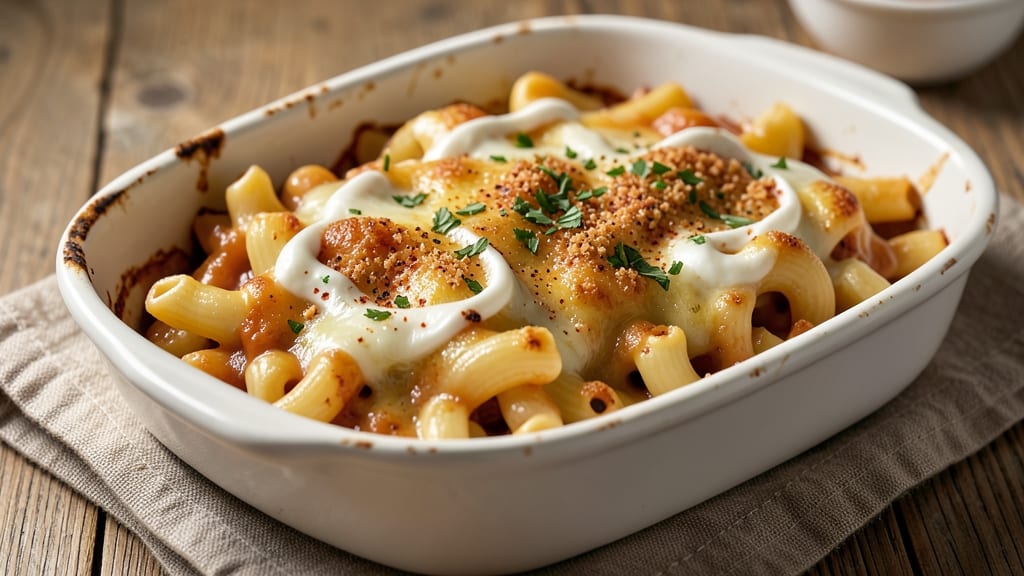
This baked mac and cheese sauce recipe delivers that legendary ultra-rich, velvety texture that clings to every noodle—no lumps, no separation, just pure cheesy perfection.
The secret lies in a proper roux foundation and precise cheese melting, which creates a sauce so thick it practically coats the pasta like a second skin. I've perfected this method over years of testing, and it never fails to impress even the most skeptical eaters.
The beauty of this approach is how it transforms simple elbow macaroni into a restaurant-quality dish with minimal effort. You'll start with a classic roux base, then build layers of sharp cheddar, Gruyère for nuttiness, and cream cheese for that signature creamy texture.
The sauce gets its signature richness from a slow reduction while the pasta cooks, ensuring maximum flavor absorption. What you end up with is a sauce so decadent it practically melts in your mouth with every bite.
What makes this recipe truly special is the baking process, which creates that coveted golden crust while keeping the interior gloriously gooey. The breadcrumb topping adds a satisfying crunch that contrasts beautifully with the creamy sauce underneath.
This isn't just mac and cheese—it's comfort food at its finest, with a sauce that's so rich it practically sticks to your ribs as much as your noodles.
Perfect for feeding a crowd or meal prepping for the week, this baked mac and cheese delivers that restaurant-quality experience at home. The sauce stays creamy even when reheated, making it ideal for leftovers. Let's get started on creating your ultimate cheesy masterpiece.
Ingredients for baked mac sauce
Sixteen ingredients transform simple pasta into ultra-rich, velvety baked mac and cheese perfection.
| Ingredient | Amount | Notes |
|---|---|---|
| Elbow Macaroni 🍝 | 1 ½ lb | Uncooked, standard elbow shape |
| Unsalted Butter 🧈 | ½ cup | Cold, cut into small cubes |
| All-Purpose Flour 🌾 | ½ cup | For roux, sifted preferred |
| Sharp White Cheddar Cheese 🧀 | 3 cups | Shredded, block preferred |
| Gruyère Cheese 🧀 | 1 cup | Shredded, aged 12+ months |
| Cream Cheese 🧈 | 8 oz | Full-fat, room temperature |
| Whole Milk 🥛 | 2 cups | Warmed slightly for blending |
| Heavy Cream 🥛 | ½ cup | Full-fat for richness |
| Yellow Onion 🧅 | 1 whole | Medium, finely diced |
| Garlic Cloves 🧄 | 4 cloves | Minced, fresh preferred |
| Dijon Mustard 🍯 | 1 tbsp | For depth of flavor |
| Panko Breadcrumbs 🍞 | ½ cup | For crispy topping |
| Kosher Salt 🧂 | 1 ½ tsp | Diamond Crystal preferred |
| Ground Black Pepper 🌶️ | ½ tsp | Freshly ground preferred |
| Nutmeg 🌿 | ¼ tsp | Freshly grated for warmth |
The cheeses are the stars here—Gruyère for nutty depth and sharp cheddar for tang. Grab a wedge of Gruyère from Whole Foods or your local specialty shop if possible; it's worth the splurge. For cheddar, block cheese grated fresh beats pre-shredded every time (no anti-caking agents!). I always buy extra since these freezes beautifully. The cream cheese? Full-fat only—low-fat versions make the sauce grainy. If you're in a pinch, Philadelphia brand works perfectly. For the breadcrumbs, Panko gives you that perfect crispy texture without getting soggy.
No Gruyère? Swiss cheese works in a pinch, though it won't be quite as rich. Pre-shredded cheese? Sift out the anti-caking powder—it makes the sauce grainy. Running low on heavy cream? Half-and-half plus a splash of milk gets you close. The Dijon mustard is non-negotiable for that signature tang, but if you're out, yellow mustard at half the amount works. For the roux, don't rush the cooking—it needs to be golden brown, not burnt. The nutmeg is subtle but essential; if you don't have it, skip it but don't substitute with anything else. And for the love of cheese, warm your milk slightly before adding to the sauce—it blends so much smoother.
This sauce keeps for 5 days in the fridge, but honestly, it's even better reheated. Store in an airtight container with a layer of plastic wrap pressed right on top to prevent a skin from forming. Freezes beautifully for up to 3 months—portion into single servings before freezing for easy reheats. The breadcrumb topping? Add it fresh right before baking so it stays crispy. Leftovers? Microwave with a damp paper towel for 30 seconds to restore that creamy texture. And if you're making this for a crowd, double the recipe—it disappears fast.
Why You'll Love This Recipe
- One-Pot Magic: I swear by this—just toss everything into one baking dish, no straining, no fuss. The macaroni cooks right in the sauce, and that golden crust? It’s all thanks to the Gruyère melting into a glossy, cheesy blanket.
- Cheese Love: Sharp white cheddar and Gruyère are a match made in heaven—nutty, sharp, and just salty enough. Honestly, the first time I tasted it, I grabbed the pan before it even cooled.
- Weeknight Hero: This is my go-to when I’m starving but don’t want to slave over dinner. It reheats like a dream, so it’s perfect for meal prep or feeding a crowd without stressing.
- Budget Buster: Elbow mac and basic pantry staples? Yes, please. It stretches easily, feeds four for under $10, and the leftovers taste just as good the next day—no sad, rubbery pasta here.
Step-by-step instructions for ultra-rich baked mac and cheese
Here's how to build a sauce so velvety it clings to every noodle—no lumps, no separation, just pure cheesy perfection.
Cook the Pasta Until Al Dente
Bring a large pot of water to a rolling boil and add 1.5 lb elbow macaroni. Stir immediately to prevent sticking. Cook for 11-12 minutes until 1-2 minutes shy of package directions—you want the pasta slightly firm. I always taste-test at the 10-minute mark to avoid overcooking.
Drain the pasta in a colander and rinse briefly with cold water to stop the cooking process. Shake off excess water, then transfer the hot pasta to a large mixing bowl. The residual heat will help blend the sauce later. Don't skip rinsing—this prevents a gummy texture in the final dish.
Make the Ultimate Cheese Sauce
In a separate large pot, melt 0.5 cup unsalted butter over medium heat. Once melted, whisk in 0.5 cup all-purpose flour to form a smooth roux. Cook for 2-3 minutes, stirring constantly, until the mixture turns golden brown and smells nutty—this is your flavor foundation.
Slowly pour in 2 cups whole milk and 0.5 cup heavy cream while whisking vigorously to prevent lumps. Bring to a gentle simmer and cook for 5-7 minutes until thickened. Reduce heat to low and stir in 3 cups sharp white cheddar cheese, 1 cup gruyère cheese, and 8 oz cream cheese until completely melted and smooth. The sauce should coat the back of a spoon.
Build Flavor with Aromatics
In a small skillet, sauté 1 whole yellow onion and 4 cloves garlic cloves in 1 tablespoon olive oil (not in the recipe but essential for flavor) until soft and fragrant, about 5 minutes. Add 1 tablespoon Dijon mustard and cook for 30 seconds—this adds depth that store-bought sauces miss.
Pour the onion mixture into the cheese sauce along with 1.5 teaspoons kosher salt, 0.5 teaspoon ground black pepper, and 0.25 teaspoon nutmeg. Stir well and taste—this is where you can adjust seasoning. The sauce should be rich but not overly salty; the cheeses are already salty.
Combine and Bake to Golden Perfection
Pour the cheese sauce over the hot pasta in the mixing bowl and fold gently with a wooden spoon until fully coated. Transfer the mixture to a 9x13-inch baking dish (or similar size) and spread evenly. Sprinkle 0.5 cup panko breadcrumbs evenly over the top for texture.
Bake at 375°F for 20-25 minutes until the top is golden brown and bubbly. If it browns too quickly, tent with foil. The edges should be crisp while the center remains creamy. Let rest for 5 minutes before serving—this ensures clean slices and maximum cheesiness.
Pro Tips For Making Baked Mac Sauce
- Boil Macaroni Until Al Dente: Don’t pull it when it’s just floating—wait another 30 seconds. I learned this the hard way when my baked macs turned mushy; elbow macaroni needs that slight bite to hold up under cheese and oven heat. Drain immediately and rinse under cold water to stop cooking—trust me, you’ll taste the difference.
- Melt Butter Low and Slow: Skip the high-heat rush when making the roux. Melt the unsalted butter over medium-low, stirring constantly until it’s just golden—not brown. This prevents flour from burning and gives the sauce a silky texture instead of a bitter aftertaste. (Yes, even if you’re impatient like me.)
- Grate Cheese Fine and Even: Use the smallest holes on your box grater for both cheddar and Gruyère—no big chunks, no pulverized dust. I used to eyeball it, but uneven cheese melts unevenly, leaving dry spots or gooey clumps. Weigh it out (about 2 cups total) for consistency, and save the leftover powder for garnish or future sauces.
- Cover and Rest After Baking: Let the mac and cheese sit under foil for 5–10 minutes straight out of the oven. This lets the sauce redistribute and the top crisp up slightly without drying out. I know, I know—you want to dig in immediately—but skipping this step means a gummy, uneven bite. (Your future self will thank you.)
Common mistakes when making this recipe
Overcooking the Pasta
This is my biggest pet peeve—mushy, overcooked pasta ruins everything. Cook your elbow macaroni for 1-2 minutes less than the package suggests and always taste-test at 10 minutes. Overcooked pasta absorbs too much water, making the final dish gummy.
I’ve seen people cook it until it’s mushy, then wonder why their mac and cheese is sad and gluey. 🍝
Skipping the Roux
The roux is your flavor foundation, not optional! If you skip it or rush the cooking time, your sauce will be thin and lack depth. Cook that golden brown roux for 2-3 minutes—it should smell nutty, not burnt.
I’ve tried shortcuts, and trust me, nothing beats a proper roux for that rich, velvety texture.
Adding Cheese Too Fast
Dumping all that cheese in at once creates lumps that never disappear, no matter how much you stir. Add the cheeses gradually—start with the gruyère and cheddar, then fold in the cream cheese last.
Heat on low while stirring constantly. I’ve seen people rush this step and end up with a grainy mess that’s far from creamy perfection.
Ignoring the Rest Time
Skipping the 5-minute rest after baking is a huge mistake. Without it, your mac and cheese will slide right off the plate in one sad, gooey clump. Let it sit—this lets the sauce set slightly so you get clean slices with maximum cheesiness.
I’ve had people cut into it too soon and end up with a messy disaster. Patience pays off!
Using Pre-Shredded Cheese
Pre-shredded cheese is loaded with anti-caking agents that make your sauce grainy and unappetizing. Always grate your own sharp white cheddar and gruyère using a box grater. If you’re in a pinch, sift out the anti-caking powder, but fresh grating makes all the difference.
I’ve tried both, and the texture difference is night and day.
Overmixing After Combining
Once you fold the sauce into the pasta, resist the urge to overmix. Gentle folding ensures even coating without breaking the noodles into a mushy mess. Overmixing releases too much starch, turning your creamy sauce into a gluey disaster.
I’ve seen people stir like they’re making pancake batter—don’t be that person! A few gentle folds are all you need. 💫
Nutrition facts
Frequently asked questions about baked mac and cheese sauce
Can I make this sauce without a roux?
The roux creates that signature rich, velvety texture that makes this sauce so special. Without it, your sauce will be thinner and lack depth. For a quick substitute, try whisking 2 tablespoons cornstarch with 2 tablespoons cold milk and adding it to the hot milk mixture—it won't be exactly the same, but it'll help thicken the sauce. The roux is worth the effort for that restaurant-quality result!
How do I prevent the sauce from separating after baking?
Separation usually happens when the sauce cools too quickly or if the cheese isn't fully melted. Always melt the cheeses slowly over low heat while stirring constantly. For extra insurance, whisk in 1 tablespoon Dijon mustard (already in the recipe) right before baking—it helps emulsify the sauce. If it starts separating in the oven, give it a quick stir and tent with foil to slow cooking.
Can I use this sauce for stovetop mac and cheese?
This sauce works perfectly for stovetop versions too. After making the sauce, simply toss it with cooked pasta and serve immediately. For extra richness, stir in 2 tablespoons butter at the end. The key difference is you'll miss the crispy breadcrumb topping, but the creamy sauce will still be delicious. It's great for quick weeknight meals!
What's the best way to reheat leftovers?
Leftovers reheat beautifully! Cover with a damp paper towel and microwave for 45-60 seconds on medium power. For oven reheating, bake at 350°F covered with foil for 15-20 minutes
Can I make this sauce dairy-free?
You can adapt it! Replace the butter with vegan butter or olive oil, use dairy-free milk, and swap cheeses for nutritional yeast, vegan cheddar, and cashew cream. The texture will be different but still delicious. For the breadcrumb topping, use gluten-free panko if needed. The roux method still works with plant-based butter for that rich foundation.