
Sauces & Condiments
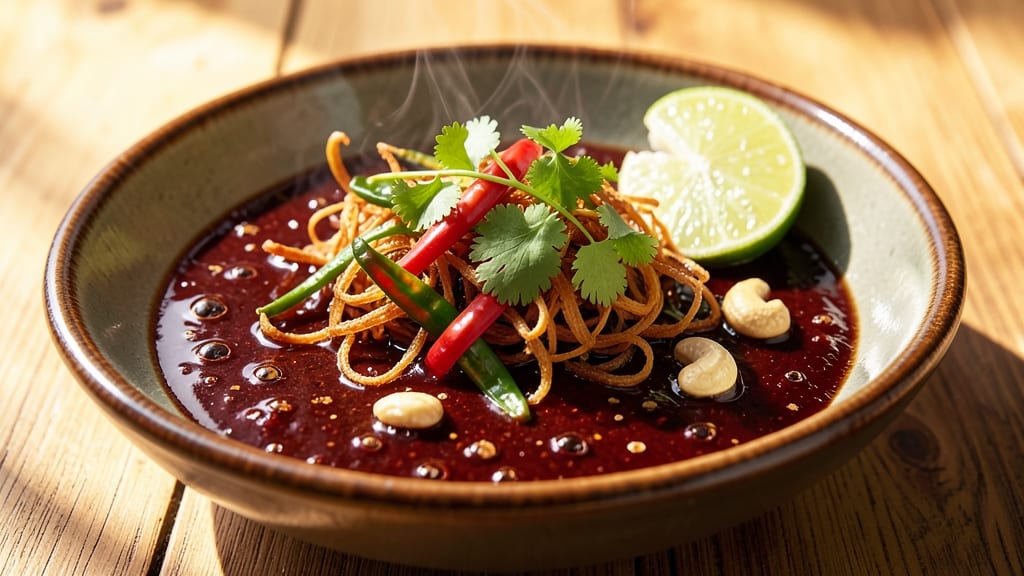
This Bald Eagle Sauce recipe transforms bold flavors into a tangy, spicy condiment that elevates everything from burgers to fries. Fermented shrimp paste delivers deep umami heat, while lime and vinegar create a bright, complex finish that cuts through richness.
The result is a sauce with restaurant-quality depth—savory, slightly funky, and addictively zesty.
What sets this sauce apart is the balance of textures and flavors: the fermented shrimp paste adds a fermented, almost cheesy funk, while the vinegar and lime keep it vibrant and fresh.
A touch of Worcestershire and molasses rounds out the complexity, making it versatile enough for both meat dishes and vegetarian applications. Simmering the ingredients creates a thick, glossy consistency perfect for dipping, drizzling, or basting.
The process is straightforward but requires patience—simmering the ingredients until deeply integrated develops the sauce’s signature depth. Store it in the refrigerator for up to two weeks, where the flavors continue to meld into something even more complex.
This isn’t just a condiment; it’s a flavor multiplier that turns ordinary meals into something extraordinary.
Whether you’re slathering it on crispy fries, drizzling over grilled meats, or mixing into marinades, this sauce delivers a punch of flavor that lingers. The key is letting the ingredients shine—no shortcuts, just bold, authentic taste. Ready to make your own? Let’s get started.
Ingredients for bald eagle sauce
Fermented shrimp paste and bright citrus create this bold, umami-packed sauce with restaurant-quality depth.
| Ingredient | Amount | Notes |
|---|---|---|
| Fermented Shrimp Paste (Belacan or Kapi) 🦐 | ½ cup | High-quality, umami-rich preferred |
| Fresh Lime Juice 🍋 | ½ cup | Freshly squeezed, no pulp |
| White Vinegar 💧 | ¼ cup | Distilled preferred for balance |
| Worcestershire Sauce 🍯 | 2 tbsp | Anchovy-free version if vegan |
| Unsulphured Molasses 🍯 | 2 tbsp | Dark, robust variety |
| Fresh Garlic Cloves 🧄 | 3 cloves | Minced, aromatic intensity |
| Fresh Ginger Root 🌿 | 1 tbsp | Finely grated, aromatic |
| Cayenne Pepper 🌶️ | 1 tsp | Adjust for heat preference |
| Diamond Crystal Kosher Salt 🧂 | 1 tsp | Fine grain for balance |
| Extra-Virgin Olive Oil 🫒 | ¼ cup | High-quality, fruity |
The fermented shrimp paste is non-negotiable—Belacan or Kapi from Asian markets delivers that signature funky, cheesy umami. Trader Joe's carries a decent jarred version if you can't find it fresh, but authentic brands like Sambal Belacan elevate the flavor dramatically. Look for paste that's dark, slightly oily, and smells intensely savory. Fresh lime juice is critical; bottled loses its vibrant acidity. The ginger and garlic should be minced finely—no chunks—so they dissolve into the sauce completely. For the molasses, unsulphured is key—it preserves the deep caramel notes without bitterness.
No fermented shrimp paste? Miso paste or anchovy paste can mimic the umami, though the funk won't be identical. Substitute white vinegar with apple cider vinegar for a slightly sweeter tang. Cayenne can be swapped for red pepper flakes at half the amount, but you'll lose some of the sauce's signature heat intensity. The Worcestershire sauce adds depth—Lee & Perrins is the gold standard, but any anchovy-free version works. For a vegetarian option, use vegan Worcestershire or blend soy sauce, tamari, and a touch of molasses. The olive oil should be high-quality, fruity EVOO—cheap oil will taste harsh in the finished sauce.
This sauce develops deeper flavor the longer it sits—24 hours in the fridge is ideal before using. Store in a clean, airtight jar, submerged under a thin layer of olive oil to preserve freshness. Keeps for 2 weeks refrigerated, though the flavors peak within 3-5 days. For longer storage, freeze in ice cube trays—thaw overnight in the fridge before using. The sauce thickens as it cools, so thin with a splash of water or vinegar if needed. Use within 3 months frozen for peak flavor.
Why You'll Love This Recipe
- Five-Ingredient Magic: I swear by this—just mix, simmer, and boom. No fancy techniques, no last-minute grocery runs. That fermented shrimp paste (belacan) might sound intimidating, but a teaspoon does the work while you’re stirring the rest.
- Umami Bomb: Honestly, the molasses and Worcestershire together? It’s like a flavor grenade. The vinegar cuts through the richness, and the lime juice keeps it bright—salty, sweet, tangy, all at once. My husband licks the spoon.
- Game for Any Meal: This sauce turns grilled chicken into a showstopper or elevates simple rice into a feast. I keep a jar in the fridge for lazy nights when I’m throwing together stir-fries or marinating skewers. (Yes, even on a Tuesday night.)
- Budget Powerhouse: A little goes a long way, and the ingredients last forever. That jar of belacan? You’ll use it in other dishes too. I stretch it over rice, drizzle it on eggs, and still have leftovers for weeks—no waste, just flavor.
Step-by-step instructions for bald eagle sauce
This bold sauce balances fermented shrimp paste's umami depth with bright citrus and smoky-sweet complexity.
Bloom the Fermented Shrimp Paste
Heat the 0.25 cup extra-virgin olive oil in a medium saucepan over medium-low heat. Add the 0.5 cup fermented shrimp paste (belacan or kapi) and stir continuously for 3-4 minutes until it melts completely and releases its aromatic oils. You'll notice the paste darkens and develops a rich, savory fragrance—this is where the sauce's umami foundation forms.
The key here is patience. If you rush, the paste will burn before fully integrating. Watch for the oil to shimmer around the edges of the paste, signaling it's ready for the next ingredients. Use a wooden spoon to prevent scratching your pan.
Incorporate Aromatics and Vinegar
Add the 3 minced fresh garlic cloves and 1 tbsp finely grated fresh ginger root to the paste. Cook for 1-2 minutes until the garlic becomes translucent and fragrant, but never browns—this would introduce bitterness. Immediately pour in the 0.25 cup white vinegar and stir vigorously for 30 seconds to deglaze the pan.
The vinegar's acidity helps break down any remaining paste particles while cutting through the richness. You'll see the mixture bubble slightly as the vinegar reacts with the oil. This is the moment that transforms the paste from a simple base into a complex sauce foundation.
Build Depth with Molasses and Worcestershire
Reduce heat to low and stir in the 2 tbsp unsulphured molasses and 2 tbsp Worcestershire sauce. Simmer gently for 5-6 minutes, stirring occasionally, until the mixture thickens slightly and the molasses's caramel notes integrate fully. The sauce should coat the back of a spoon but still flow smoothly.
This step develops the sauce's signature balance—molasses adds sweetness while Worcestershire contributes its fermented depth. Taste at this stage to assess the foundation. You should detect layers of umami, sweetness, and a subtle tang, but not yet the full citrus brightness.
Finish with Citrus and Seasoning
Remove the saucepan from heat and whisk in the 0.5 cup fresh lime juice and 1 tsp cayenne pepper. Return to low heat and simmer for an additional 3-4 minutes to meld the flavors. Season with the 1 tsp Diamond Crystal kosher salt, tasting as you go.
The lime juice will make the sauce bubble vigorously—this is normal. The acidity brightens all the flavors while the cayenne adds controlled heat. Adjust the salt to taste, remembering that the fermented shrimp paste already contains significant saltiness. The final sauce should be vibrant, complex, and balanced between heat, sweetness, and umami.
Rest and Adjust Consistency
Transfer the sauce to a bowl and let it rest at room temperature for 15-20 minutes. This resting period allows the flavors to fully integrate and the sauce to stabilize. If the consistency is too thick, thin it with 1-2 tablespoons hot water or additional lime juice. For a thicker sauce, simmer uncovered for 5-10 minutes to reduce.
The rested sauce will have a glossy sheen and proper body. It should coat the back of a spoon but still flow easily. This is the perfect texture for drizzling over grilled meats, seafood, or noodles. The flavors will continue developing as it cools, so taste again before serving to make any final adjustments.
Pro Tips For Making Bald Eagle Sauce
- Bloom the Belacan: Toss the fermented shrimp paste in a dry pan over low heat for 2-3 minutes first—just until it smells like the ocean and turns slightly darker. This cuts the sharpness and deepens the umami before you even add liquid. (Yes, even if you’re impatient like me, resist the urge to rush this.)
- Vinegar First, Always: Add the white vinegar before the Worcestershire and molasses—let it sit for 30 seconds. This prevents the sauce from curdling later when you mix in the lime juice. I learned this the hard way after ending up with a lumpy, sad sauce.
- Lime Juice in Stages: Don’t dump all the lime juice at once. Start with half, taste, then add the rest gradually—this balances the acidity without overpowering the molasses. (Your future self will thank you when the sauce isn’t puckering like a lemon wedge.)
- Simmer, Don’t Boil: Keep the heat low once everything’s combined—just enough to see tiny bubbles at the edges. Boiling turns the molasses bitter and burns the belacan’s flavor. Think "gentle whisper," not "screaming pot."
Serving suggestions for this recipe
Dipping Sauce Star
This sauce transforms into a showstopper dipping sauce for crispy appetizers. Try it with hot wings—the funky umami balances the heat perfectly. I like pairing it with Thai-style spring rolls or crispy tofu sticks for a vegetarian option. The lime brightens the oil, making every bite refreshing. 🍗
Grilled Meats Glaze
Brush this sauce onto grilled pork chops or steak during the last 5 minutes of cooking. The molasses caramelizes beautifully, creating a sticky, flavorful crust. For extra drama, baste ribs with it during the final hour of smoking. The heat from the grill intensifies the cayenne, adding smoky depth. 🔥
Noodle Elevator
Toss ramen or udon noodles with this sauce for an instant flavor upgrade. Stir in soft-boiled eggs and quick-pickled cucumbers for a fusion bowl. The fermented shrimp paste adds richness while the lime keeps it vibrant. For a lighter option, drizzle over cold soba noodles with avocado. 🍜
Seafood Sauce
Drizzle over grilled shrimp or blackened fish for a bold, umami-packed finish. The acidity cuts through the richness of seafood beautifully. I love pairing it with steamed clams or garlic butter scallops. A squeeze of extra lime at the table enhances the brightness. 🦐
Burger Sauce Twist
Replace ketchup with this sauce on cheeseburgers or sliders. The molasses and Worcestershire add depth, while the lime keeps it fresh. Spread it on brioche buns before assembling for extra flavor. It also works as a dipping sauce for fries or onion rings. 🍔
Marinade Magic
Use this sauce as a marinade for chicken or tofu. Let it sit for at least 2 hours (or overnight) before cooking. The acidity tenderizes while the spices create a flavorful crust.
Grill or bake the protein, then finish with a drizzle of extra sauce. The marinade works wonders with skewers too. 🌶️
Nutrition facts
Frequently asked questions
What gives Bald Eagle Sauce its unique funky flavor?
The signature funk comes from the fermented shrimp paste (belacan or kapi), which adds a cheesy, umami depth similar to miso or anchovy paste. The fermentation process creates those complex, slightly tangy notes that make the sauce so addictive.
Can I make this sauce without fermented shrimp paste?
Yes! For a vegetarian version, substitute with 2 tbsp miso paste + 1 tbsp soy sauce to mimic the umami. For a seafood alternative, try 1 tbsp anchovy paste (if not vegan). The flavor won't be identical, but it'll still deliver bold depth. The lime and vinegar will keep the sauce bright regardless.
How spicy should the final sauce be?
The recipe uses 1 tsp cayenne, which gives a moderate heat—like a medium-hot sriracha. For milder heat, reduce to ½ tsp, or add ½ tsp smoked paprika for depth without spice. Always taste before serving—you can adjust with more lime juice or a pinch of salt to balance.
Why does the sauce need to rest before using?
The 15-20 minute rest lets the flavors fully meld and the sauce thicken naturally. The fermented shrimp paste and molasses need time to integrate, while the lime's acidity mellows slightly. Skipping this step can leave the sauce too thin or with disjointed flavors. Patience here makes all the difference!
Can I make this sauce ahead of time?
This sauce actually improves overnight—the flavors deepen and balance. Store in an airtight jar in the fridge for up to 2 weeks, or freeze in ice cube trays for 3 months. Thaw in the fridge before using. The longer it sits, the more complex it becomes!