
Sauces & Condiments
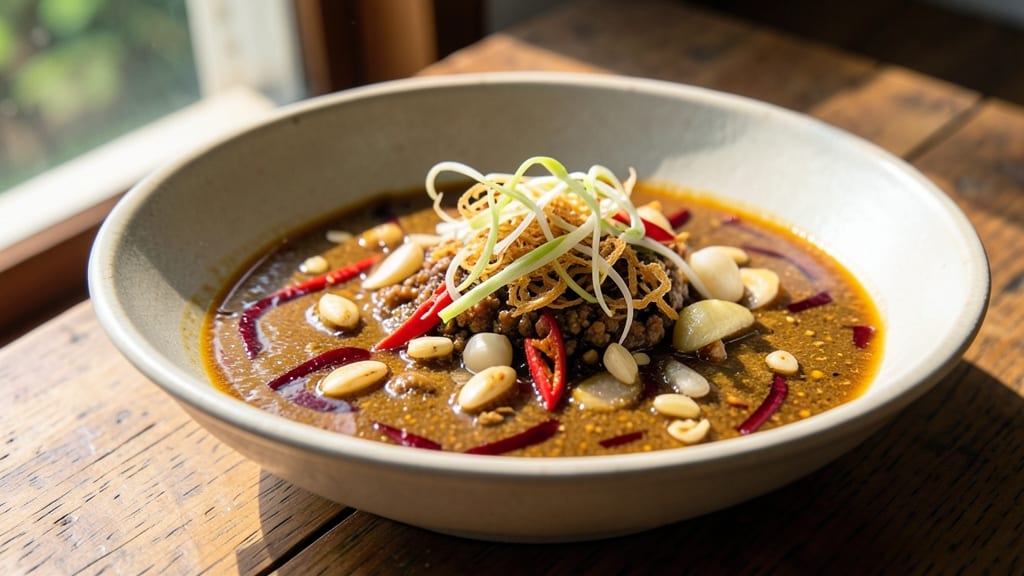
This Balinese sauce recipe unlocks the bold, smoky flavors of Indonesia's culinary heart—where shrimp paste meets fiery chilis and bright lime. The secret lies in slow-roasting aromatics until they caramelize into a fragrant paste, then blending it with coconut milk for a velvety base.
This isn't just a sauce; it's a flavor bridge between earthy heat and citrusy freshness that transforms grilled meats, rice dishes, and even simple vegetables into restaurant-worthy meals.
The process begins with toasting garlic, shallots, and shrimp paste until they release their deep, nutty aromas—this step is non-negotiable for authentic flavor. Then comes the balancing act: simmering the mixture with coconut milk and tamarind until it reaches that perfect harmony of smoky richness and tangy brightness.
The result is a sauce that's complex yet approachable, with enough depth to stand alone or elevate your favorite dishes.
What makes this sauce truly special is its versatility—drizzle it over grilled chicken, stir it into noodle dishes, or use it as a marinade for tofu. The texture is silky yet clings beautifully to ingredients, while the flavor profile delivers layers of umami, spice, and acidity.
Each spoonful tells a story of Balinese cooking traditions, brought effortlessly to your home kitchen.
For best results, let the sauce sit overnight—this allows the flavors to meld even deeper. Store it in the fridge for up to a week, where it continues to develop its signature complexity.
Whether you're serving up a festive feast or simply craving a taste of Indonesia, this sauce delivers the kind of bold, satisfying flavor that lingers long after the last bite.
Ingredients for balinese sauce
Gather these aromatic ingredients for a sauce that's smoky, tangy, and packed with Balinese soul.
| Ingredient | Amount | Notes |
|---|---|---|
| Shrimp Paste (Bawang) 🦐 | 2 tbsp | High-quality, strong aroma |
| Garlic Cloves 🧄 | 6 cloves | Peeled, roughly chopped |
| Shallots 🧅 | 4 whole | Peeled, roughly chopped |
| Fresh Red Chilies 🌶️ | 3 whole | Seeds removed, chopped |
| Lemongrass 🌿 | 3 pieces | Lower stems only, bruised |
| Galangal 🌿 | 2 pieces | Fresh, peeled, chopped |
| Coconut Milk 🥥 | 1 cup | Full-fat canned preferred |
| Tamarind Paste 🍋 | 2 tbsp | Or 1 tbsp tamarind pulp |
| Lime Juice 🍋 | ¼ cup | Freshly squeezed |
| Palm Sugar 🍯 | 2 tbsp | Or brown sugar substitute |
| Salt 🧂 | 1 tsp | Kosher or sea salt |
The shrimp paste is non-negotiable—look for terasi or belacan at Asian markets or the international aisle of Whole Foods. If you can't find it, shrimp paste from Thai or Indonesian brands works too, but avoid the milder versions. Galangal and lemongrass are the flavor anchors—fresh is a must (dried won't cut it). For galangal, the knobby, ginger-like root, check the produce section at Asian grocers or the international aisle. If you're feeling adventurous, Costco sometimes carries frozen galangal. The shallots and garlic should be fresh, not dried, for that sweet, caramelized depth when toasted. And for the chilies, bird's eye chilies add serious heat, but jalapeños work if you prefer mild.
No shrimp paste? Anchovy paste at half the amount is a decent stand-in, but the flavor will be different. Running low on galangal? Ginger at double the amount gives a similar bite, though it won't be identical. The tamarind paste can be tricky to find—look for it near the Asian sauces at Trader Joe's, or use 1 tbsp lime juice plus 1 tsp brown sugar as a substitute. The coconut milk should be full-fat for that rich, creamy texture—no skim milk shortcuts here. Palm sugar is the traditional choice, but brown sugar or coconut sugar work in a pinch. The lime juice needs to be fresh—bottled lime juice lacks the bright tang. And if you're worried about the heat, reduce the chilies to 1 or 2 or remove the seeds entirely.
This sauce develops even better the longer it sits—let it rest overnight if you can. Store it in a sealed jar in the fridge for up to 1 week, where the flavors continue to meld into something extraordinary. For longer storage, freeze it in ice cube trays—perfect for adding a single, bold spoonful to dishes later. The sauce thickens as it cools, so stir in a splash of water or coconut milk if it seems too stiff when reheating. And if you make extra? Freeze portions for up to 3 months—it's worth the batch cooking.
Why You'll Love This Recipe
- Pantry Magic: I swear by this sauce—no fresh herbs required. Just toss in that jar of shrimp paste you’ve been meaning to use, and boom, instant umami depth with zero extra shopping trips.
- Umami Bomb: That shrimp paste? It’s the secret weapon. One sniff and your kitchen smells like a Bali street market, but with half the effort. The garlic and chilies hit just right—savory, spicy, and impossible to resist.
- Weeknight Hero: Slap this on grilled fish, noodles, or even eggs for breakfast. Honestly, I’ve used it as a marinade, a stir-fry base, and even a quick dipping sauce. It’s the one sauce that does it all without fuss.
- Budget Flex: A little shrimp paste goes a long way. I stretch this sauce over rice for three meals, and it still tastes like I spent hours cooking. Plus, lemongrass and chilies are cheap staples—no splurges needed.
Step-by-step instructions for Balinese sauce
This aromatic sauce delivers deep umami from shrimp paste and bright citrus notes from lime.
Toast the Aromatics for Maximum Flavor
Heat a medium saucepan over medium-low heat and add the 2 tablespoons shrimp paste (bawang). Let it melt and sizzle for 1 minute until fragrant—this releases its full nutty aroma. Real talk: don't rush this step or you'll miss the smoky depth that defines Balinese cooking.
Add the 6 cloves garlic, 4 whole shallots, 3 pieces lemongrass (lower stems only), and 2 pieces galangal. Stir constantly for 3-4 minutes until the shallots turn translucent and the garlic just begins to color. You're looking for a golden hue—not browned—so keep an eye on it. The galangal should soften but not disintegrate.
Build the Base with Spicy Heat
Increase heat to medium and add the 3 whole fresh red chilies (seeds removed). Cook for 1-2 minutes until the chilies soften and the mixture becomes deeply fragrant. You'll notice the aroma intensify—this is when the sauce starts coming together. If the paste starts to stick, add 2 tablespoons water to deglaze and scrape up any browned bits from the bottom.
Stir in the 2 tablespoons tamarind paste and 2 tablespoons palm sugar. Let the mixture simmer for 2-3 minutes until the sugar dissolves completely. Taste at this point—you should detect layers of sweet, sour, and spicy. If it needs more balance, adjust with a pinch of the 1 teaspoon salt now.
Finish with Creamy Coconut and Tangy Lime
Pour in the 1 cup coconut milk and stir gently to combine. Let the sauce simmer for 5-7 minutes over low heat until it thickens slightly—it should coat the back of a spoon but still be pourable. The coconut milk will create a velvety texture that balances the bold flavors.
Remove from heat and stir in the ¼ cup lime juice. The sauce will immediately brighten and become more vibrant in color. Taste again and adjust seasoning if needed—this is your final chance to balance the flavors. The sauce should be complex with a perfect harmony of spicy, sweet, sour, and umami notes.
Rest and Serve for Maximum Flavor Development
Let the sauce rest for 10 minutes at room temperature. This allows all the flavors to meld together and the texture to settle. The sauce will thicken slightly as it cools, so don't worry if it looks too thin immediately after cooking.
Serve warm or at room temperature over grilled fish, shrimp, or tofu. The sauce keeps well in the refrigerator for 3-4 days, making it perfect for meal prep. For extra richness, drizzle with a little more coconut milk before serving. This versatile sauce transforms simple dishes into something truly special.
Pro Tips For Making Balinese Sauce
- Bloom the Aromatics Slow: Once you add shrimp paste, drop the heat to medium-low and let it bloom for 3-4 minutes—no rushing. I used to burn this step every time until I realized patience here means the sauce won’t taste like charred garbage later.
- Pound, Don’t Chop Lemongrass: Skip the knife and use the flat side of a cleaver or rolling pin to smash the lemongrass stalk before slicing—this releases more oil and flavor. Yes, it’s more work, but your sauce will taste like it came from a Balinese warung, not a shortcut.
- Toast Shallots Until Golden: Fry the shallots in the same oil as the shrimp paste until they’re deep golden brown, not just soft. That extra color means caramelized sweetness, which cuts through the funk of the paste and makes the whole sauce sing.
- Reserve Chili Seeds for Heat: Before blending the chilies, pull out the seeds and save them in a tiny bowl—toss them back in at the end if you want a kick. I learned this after making a sauce so mild it tasted like a hug from a ghost. Adjust to your pain tolerance.
Health benefits of these flavors
Digestive Comfort
Balinese cuisine often features ingredients that support gut health, and this sauce is no exception. The lemongrass and galangal contain natural compounds that aid digestion, while the coconut milk provides medium-chain triglycerides (MCTs) that nourish beneficial gut bacteria.
The tamarind paste adds fiber, which helps maintain regularity. I've found that adding this sauce to grilled vegetables or light rice dishes makes them easier to digest while still delivering bold flavor. 🌿
Anti-Inflammatory Benefits
The shrimp paste and chilies in this sauce contain compounds with anti-inflammatory properties. Shrimp paste is rich in astaxanthin, a potent antioxidant found in seafood, while fresh chilies provide capsaicin, which has been shown to reduce inflammation.
The palm sugar adds natural sweetness without the blood sugar spikes of refined sugar. I often use this sauce as a marinade for grilled fish, knowing it's adding both flavor and potential health benefits.
Rich in Antioxidants
This sauce is packed with antioxidant-rich ingredients that help combat oxidative stress. The lemongrass contains citral, a compound with powerful antioxidant effects, while the galangal provides gingerol, which supports cellular health. Even the lime juice contributes vitamin C and flavonoids.
I like to drizzle this sauce over steamed vegetables to boost their nutritional profile while adding amazing flavor. The vibrant color of the sauce is a visual cue that it's loaded with beneficial compounds. 💛
Supports Heart Health
The combination of coconut milk and healthy fats from shrimp paste makes this sauce surprisingly heart-friendly. Coconut milk contains lauric acid, which supports cardiovascular function, while the shrimp paste provides omega-3 fatty acids. The tamarind helps regulate cholesterol levels naturally.
I've noticed that incorporating this sauce into my meals helps me feel more energized, likely due to these heart-supportive ingredients working together. The sauce's creamy texture makes it satisfying while being nutritious.
Boosts Immunity
Many ingredients in this sauce are known to support immune function. The garlic and shallots provide allicin and quercetin, compounds that strengthen immune responses. The lime juice is rich in vitamin C, while the galangal contains gingerol, which has antimicrobial properties.
I often keep a small jar of this sauce in my fridge during cold seasons, using it to enhance soups and stews that help me stay healthy. The bright flavors are a natural immune booster in themselves. 💪
Nutrition facts
Frequently asked questions
Can I substitute shrimp paste with something else?
The shrimp paste is essential for that authentic umami depth, but in a pinch, you can use 1 tablespoon anchovy paste (halved amount) or 1 teaspoon fish sauce for a similar savory punch. Just remember, the flavor won't be identical—shrimp paste has a distinct nutty aroma that's hard to replicate. If you're avoiding seafood entirely, try 1 teaspoon miso paste for a fermented depth, though the taste will differ.
How spicy will this sauce be?
The heat level depends on the chilies you use. With 3 fresh red chilies (seeds removed), this recipe delivers a medium heat—noticeable but not overwhelming. For milder heat, reduce to 1 chili or use jalapeños. If you love spice, keep the seeds in or add an extra chili. The sauce's creamy coconut base helps balance the heat beautifully.
Can I make this sauce without coconut milk?
Yes, but the texture will be thinner and less rich. Replace the 1 cup coconut milk with ½ cup water plus ½ cup heavy cream or Greek yogurt for a similar velvety finish. For a dairy-free option, use ½ cup water plus ½ cup cashew cream (blended soaked cashews). The sauce will still taste amazing, though the traditional Balinese balance of creamy and spicy will shift slightly.
How do I adjust the sweetness if I don't have palm sugar?
Use brown sugar or coconut sugar in a 1:1 ratio—they'll give similar caramel notes. For a deeper molasses flavor, try 1 tablespoon date syrup or honey, but reduce to 1.5 tablespoons palm sugar since these are sweeter. If you prefer less sweetness, cut the sugar to 1.5 tablespoons and add ½ teaspoon more lime juice to balance.
What's the best way to store leftovers?
Let the sauce cool completely, then transfer to an airtight container. It keeps in the fridge for 3-4 days, where flavors deepen over time. For longer storage, freeze in ice cube trays—thaw just what you need. The sauce thickens when chilled, so stir in 1-2 teaspoons water or coconut milk to loosen before reheating. Never freeze with added coconut milk to prevent separation.