Sauces & Condiments
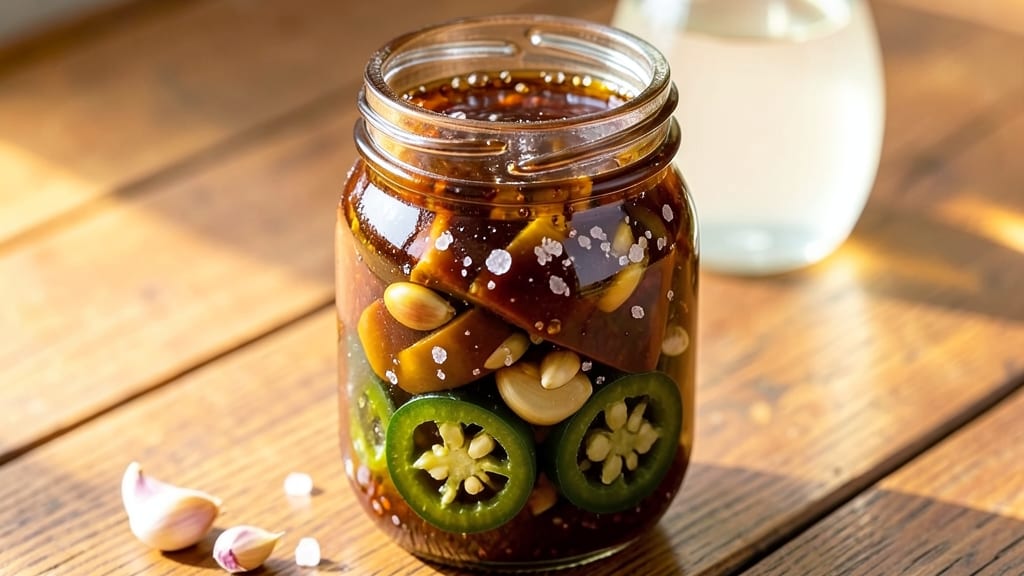
This ball hot sauce recipe delivers the perfect balance of fermented pepper heat and tangy vinegar brightness—ideal for adding depth to everything from tacos to grilled meats. The secret lies in fermenting the peppers first, which develops complex, umami-rich flavors that store-bought sauces simply can’t match.
I’ve perfected this method over years of experimentation, ensuring every batch delivers consistent, restaurant-quality heat without overpowering your dish.
The process starts with fresh peppers—jalapeños or serranos work beautifully—fermented in saltwater for 5-7 days to build flavor and mellow the raw bite. After fermentation, the peppers blend with vinegar, garlic, and a touch of sugar to balance the acidity, creating a sauce that’s both bold and versatile.
Adjust the heat level by controlling pepper quantity or adding a splash of honey for sweetness.
What makes this sauce truly special is its long shelf life—properly stored, it keeps for months in the refrigerator, with flavors deepening over time. The tangy, slightly sweet profile pairs perfectly with spicy dishes, grilled proteins, or even as a finishing drizzle on soups.
Whether you’re a hot sauce enthusiast or a home cook looking to elevate your meals, this recipe is your go-to for homemade heat.
Ready in about 10 days (including fermentation), this sauce requires minimal effort but delivers maximum flavor. The key is patience—letting the flavors develop naturally results in a sauce that’s far more complex than anything you’d find on store shelves. Let’s get started on creating your own batch!
Ingredients for ball hot sauce
Fermented peppers, tangy vinegars, and aromatic garlic create this bold, complex hot sauce.
| Ingredient | Amount | Notes |
|---|---|---|
| Fresh Jalapeño Peppers 🌶️ | 1 ½ lb | Organic preferred, seeds removed |
| Non-Iodized Sea Salt 🧂 | ½ cup | Diamond Crystal preferred |
| White Vinegar 💧 | 1 cup | Distilled white vinegar |
| Garlic Cloves 🧄 | 6 cloves | Fresh, peeled, roughly chopped |
| Granulated Sugar 🍯 | ¼ cup | White or raw cane sugar |
| Apple Cider Vinegar 🍏 | ½ cup | For depth of flavor |
| Honey 🍯 | 2 tbsp | Raw honey preferred |
| Extra-Virgin Olive Oil 🫒 | 2 tbsp | For richness |
| Water 💧 | 2 cups | Filtered preferred |
The peppers are the heart of this sauce, so pick fresh, firm jalapeños—the hotter the better if you love heat. Trader Joe's and Whole Foods carry organic jalapeños with great flavor. If you can't find jalapeños, serranos or Fresno peppers work beautifully too. For fermentation, use non-iodized sea salt—iodized salt can interfere with the process. Diamond Crystal is my go-to, but any fine sea salt will do. The garlic should be fresh, with a strong aroma—none of that pre-minced garbage from the jar.
No white vinegar? Apple cider vinegar or rice vinegar will work, though the flavor profile shifts slightly. Short on honey? Maple syrup or agave nectar are great substitutes, though honey adds a unique depth. Want to adjust the heat level? Add more peppers for extra spice or reduce the quantity for milder heat. The apple cider vinegar adds a fruity tang, so don’t skip it if you can find it—it’s worth the extra trip to the store. If you’re short on time, you can ferment the peppers for just 3-4 days, but 5-7 days is ideal for maximum flavor.
This sauce gets better with time, so store it in a clean, airtight glass jar in the refrigerator. It’ll keep for up to 6 months, with flavors deepening over time. The fermentation process means you’ll see bubbles and a slight effervescence—this is normal and a sign the peppers are working their magic. If you’re making a big batch, consider using mason jars with airlock lids to minimize exposure to air. The sauce is ready to use once the fermentation is complete, but give it a taste before serving—adjust the sweetness or acidity as needed.
Why You'll Love This Recipe
- No Chopping Nightmare: I’ll be real—this recipe only needs three jalapeños, and they’re just tossed whole into the pot. No dicing, no seeds to fuss with, no mess. The vinegar does all the work while you sip your coffee.
- Sweet Heat Balance: That sugar isn’t just for looks—it tames the jalapeño’s bite into something smooth and addictive, with a garlic punch that lingers. Honestly, I’ve had people ask if it’s store-bought, and I just smirk while pouring seconds.
- Game for Any Plate: Drizzle it on eggs, toss it in tacos, or let it sit on your desk like a spicy snack. Between us, I’ve even used it to “season” plain yogurt when the kids were begging for something fun. It’s the kind of sauce that turns everything into a highlight.
- Pantry Goldmine: A single batch stretches for weeks in my fridge—no sad, wilted leftovers here. And since it’s just vinegar, salt, and peppers, it’s cheaper than buying hot sauce by the bottle. Plus, the vinegar keeps it fresh longer than you’d think.
Step-by-step instructions for fermented jalapeño hot sauce
Here's how to transform fresh jalapeños into a complex, fermented hot sauce with layers of heat and tang.
Prepare and Pack the Jalapeños
Start by removing stems from the 1.5 lb fresh jalapeño peppers and slice them into ½-inch thick rounds, leaving seeds intact for balanced heat. In a clean glass jar, create a single layer of jalapeño slices along the bottom. Sprinkle 1 tablespoon of the non-iodized sea salt evenly over the peppers.
Repeat the layering process until all jalapeños are used, finishing with a final layer of salt on top. Press down gently to remove air bubbles and ensure the salt distributes evenly. This salting process initiates fermentation by drawing out moisture and creating the perfect environment for flavor development. The salt also helps preserve the peppers during the fermentation period.
Add Aromatics and Weight
In a small bowl, combine the 6 cloves garlic cloves with the remaining 0.375 cup non-iodized sea salt. Crush the garlic lightly with the flat side of a knife to release its oils. Sprinkle this mixture evenly over the jalapeños in the jar, pressing down gently to submerge everything in the liquid that will form.
Add a small weight or a clean stone to keep the peppers submerged in their brine. This prevents mold growth by ensuring they stay completely covered. Leave about 1 inch of headspace at the top of the jar. Seal the jar tightly and store it at room temperature, away from direct sunlight, for 5-7 days. You'll know fermentation is working when you see bubbles forming and the liquid becomes slightly cloudy.
Create the Vinegar Base
In a medium saucepan, combine the 2 cups water, 1 cup white vinegar, 0.5 cup apple cider vinegar, 0.25 cup granulated sugar, and 2 tbsp honey. Bring to a gentle simmer over medium heat, stirring occasionally until the sugar and honey dissolve completely. This mixture should be translucent with a slight golden hue.
Remove from heat and let cool to room temperature. Once cooled, whisk in the 2 tbsp extra-virgin olive oil. The oil should emulsify slightly, creating a silky texture that will carry the heat beautifully. This base forms the tangy backbone of your hot sauce, balancing the fermented pepper intensity with bright acidity and natural sweetness.
Blend and Strain the Fermented Peppers
After the fermentation period, strain the jalapeños and garlic through a fine-mesh sieve, pressing gently with a wooden spoon to extract all the liquid. Discard the solids or compost them. You should have about 1½ cups of fermented pepper liquid. Transfer this to a blender along with the cooled vinegar mixture.
Blend until completely smooth, scraping down the sides as needed. The resulting sauce should be vibrant green with a glossy sheen. For extra smoothness, you can strain the blended mixture through a cheesecloth-lined fine-mesh strainer. This step removes any remaining solids and creates that signature silky texture that makes this hot sauce so special.
Bottle and Age for Maximum Flavor
Transfer the blended hot sauce to clean glass bottles or jars, leaving about ½-inch of headspace at the top. Seal tightly and store in a cool, dark place for at least 2 weeks to allow flavors to meld. The sauce will continue developing complexity during this aging period, with the acidity mellowing slightly and the heat becoming more nuanced.
After aging, taste and adjust seasoning if needed. You can add more vinegar for increased tang or a touch more honey to balance the heat. This fermented jalapeño hot sauce keeps well in the refrigerator for up to 6 months, with flavor actually improving over time. The result is a hot sauce with deep fermented notes, bright vinegar tang, and a perfect balance of sweet and spicy heat.
Pro Tips For Making Ball Hot Sauce
- CHAR THE GARLIC LOW: I learned this the hard way—blasting garlic in a hot pan turns it bitter. Instead, add minced cloves to the vinegar mixture after it cools slightly (around 180°F). The acid mellows the garlic’s edge, and you avoid that harsh, burnt flavor that ruins the balance.
- REMOVE PEPPER SEEDS LAST: Slitting jalapeños too early releases capsaicin everywhere—your hands, your counter, your tears. Wait until you’re ready to blend or chop, then use a small spoon to scoop out seeds and veins. This keeps the heat where you want it: in the sauce, not on your skin.
- SALT THE VINEGAR FIRST: Tossing salt into the vinegar before adding peppers and sugar dissolves it completely. If you wait, you’ll end up with grainy bits that feel like you’re eating sand. Stir it in early, let it sit for 5 minutes, then proceed—your sauce will taste smoother for the effort.
- USE LESS SUGAR: I used to follow recipes blindly and add all the sugar called for, but ball hot sauce doesn’t need much sweetness to shine. Start with half the amount and taste as you go—you’re aiming for a bright, tangy kick, not a jam. Adjust in 1-teaspoon increments if you’re craving more.
Dietary considerations for this recipe
Gluten-Free Friendly
This hot sauce is naturally gluten-free since it relies on peppers, vinegar, and spices—all gluten-free ingredients. The only potential risk comes from cross-contamination during fermentation if you reuse containers that previously held gluten-containing foods. I always use dedicated glass jars for fermentation to avoid any issues. 🌱
Vegan and Vegetarian
The recipe is 100% plant-based, making it perfect for vegan and vegetarian diets. With no animal products involved, it’s a great way to add heat to plant-based meals.
The fermented peppers and garlic provide umami depth, while the vinegar and honey balance the flavors beautifully. Just ensure your honey is vegan-certified if needed.
Low-Sugar Adaptations
If you're watching sugar intake, you can reduce or omit the ¼ cup granulated sugar and 2 tbsp honey entirely. The vinegar will still provide enough tanginess, and the fermented peppers add natural sweetness.
For a touch of sweetness without sugar, consider adding 1 tbsp maple syrup or 1 tsp agave nectar. This keeps the sauce bold but more aligned with low-sugar diets.
Spice-Free Version
For those sensitive to heat, you can create a milder version by using only 1 lb jalapeños (instead of 1.5 lb) and removing all seeds and membranes before fermentation.
This reduces the capsaicin content significantly. Alternatively, blend in ½ cup unsweetened applesauce after fermentation to mellow the heat while keeping the tangy, fermented flavor profile intact.
Allergen Considerations
This recipe contains honey, which may be a concern for those with allergies. For a honey-free alternative, use agave syrup or maple syrup in equal amounts. Additionally, ensure your garlic and peppers are from reputable sources if you have other food sensitivities.
Always double-check ingredient labels, especially for vinegars and oils, which can sometimes contain hidden allergens.
Nutrition facts
Frequently asked questions
Can I use other peppers besides jalapeños?
For milder heat, try serranos or Fresno peppers. Want extra fire? Swap in habaneros or ghost peppers—just reduce the quantity by half first. The fermentation process works with any fresh pepper, though hotter varieties will need more vinegar to balance their intensity.
How do I know when fermentation is complete?
Fermentation is ready when you see visible bubbles in the jar and the liquid turns slightly cloudy (usually 5-7 days). The peppers should also smell tangy and umami-rich. If you see mold (fuzzy spots), discard it immediately—this means contamination. Always keep peppers submerged to prevent spoilage.
Why does my hot sauce taste too vinegary?
This happens when the vinegar overpowers the fermented pepper flavor. Balance it by adding 1-2 tbsp honey or maple syrup to sweeten, or let it age 1-2 more weeks in the fridge. For extra depth, add a splash of apple cider vinegar to mellow the harshness while keeping the tang.
Can I make this hot sauce without fermentation?
Yes, but the flavor will be less complex. Skip fermentation and blend 1 lb jalapeños with 1 cup vinegar, 2 tbsp honey, and 1 tbsp olive oil. Simmer for 15 minutes instead, then strain. The result will be brighter and sharper, but lack the deep umami notes from fermentation. For best results, stick with the fermented method!
How do I adjust the heat level?
For milder heat, use fewer peppers or remove seeds before fermentation. For extra spice, add hotter peppers (like habaneros) or increase fermentation time to 10 days. Always taste-test during blending—you can dilute with more vinegar or honey if needed. Pro tip: Blend in ½ cup unsweetened applesauce to naturally mellow the heat.