
Sauces & Condiments
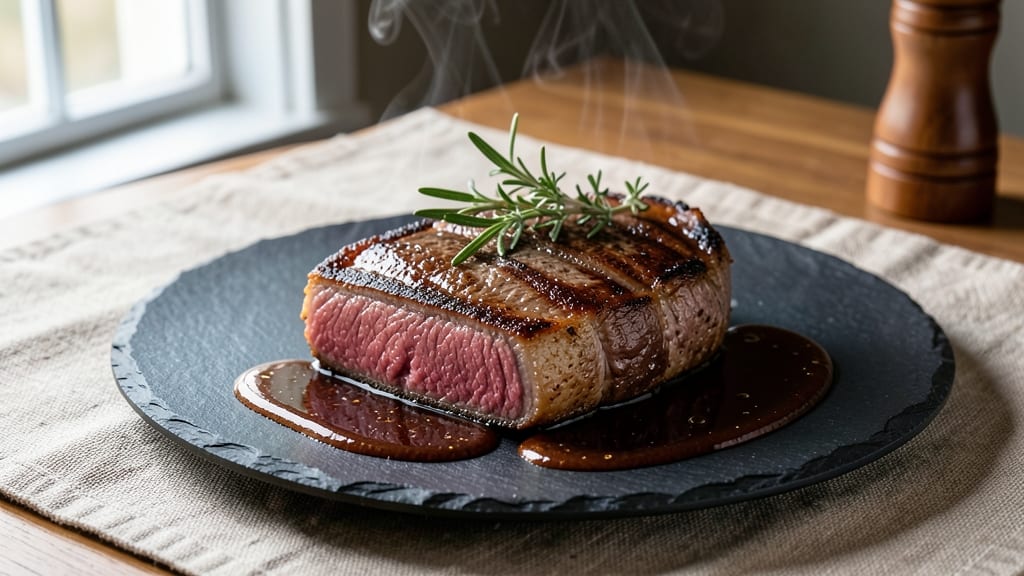
This Baltaire steak sauce recipe delivers the same restaurant-quality depth you crave—rich, velvety, and packed with umami from red wine reduction. The secret lies in balancing Worcestershire, vinegar, and spices for that signature tangy-savory profile.
Unlike store-bought versions, this homemade sauce builds layers of flavor through slow reduction, creating a glossy, clingy finish perfect for steak, seafood, or even mashed potatoes.
The process is straightforward but precise: simmering red wine and vinegar until reduced by half, then blending in Worcestershire, tomato paste, and a touch of sugar to balance acidity. A pinch of mustard powder and black pepper adds complexity, while a splash of brandy (optional) elevates it to fine-dining level.
The result is a sauce that coats proteins beautifully, enhancing their natural flavors without overpowering them.
What sets this recipe apart is its versatility—use it fresh for immediate richness or store it in the fridge for up to two weeks. The reduction step concentrates flavors, so every drop delivers maximum impact.
Whether you're finishing a steak, drizzling over eggs, or deglazing a pan, this sauce transforms ordinary dishes into something extraordinary.
For best results, let the sauce rest for 30 minutes before using—this allows flavors to meld and deepen. Adjust the acidity or sweetness to your taste, but start with the given ratios for a balanced, foolproof foundation. Here’s how to make it perfectly every time.
Ingredients for baltaire steak sauce
Nine ingredients transform into restaurant-quality steak sauce with velvety depth and perfect umami balance.
| Ingredient | Amount | Notes |
|---|---|---|
| Dry Red Wine 🍷 | 1 cup | Bold, dry variety like Cabernet Sauvignon |
| Red Wine Vinegar 🍶 | ½ cup | Ensures tangy depth |
| Worcestershire Sauce 🧂 | 2 tbsp | High-quality for umami punch |
| Tomato Paste 🍅 | 1 tbsp | Squeeze tube preferred |
| Granulated Sugar 🍚 | 1 tbsp | Balances acidity perfectly |
| Mustard Powder 🌶️ | ¼ tsp | Adds subtle complexity |
| Ground Black Pepper 🌶️ | ¼ tsp | Freshly ground preferred |
| Brandy (optional) 🍷 | 1 tbsp | For fine-dining elevation |
| Unsalted Butter 🧈 | 1 tbsp | Full-fat for richness |
| Diamond Crystal Kosher Salt 🧂 | ¼ tsp | Fine grain preferred |
The red wine is non-negotiable—Cabernet Sauvignon or Merlot from a good bottle (not cooking wine) delivers the richest flavor. Trader Joe's or Total Wine often have affordable options perfect for this. If you're using the dregs of a bottle, strain it first to avoid sediment. The vinegar should be red wine vinegar—Bragg or Heinz work well. Worcestershire matters too; Lea & Perrins is the gold standard, but Annie's is a great budget alternative. For tomato paste, skip the can—those squeeze tubes from Trader Joe's are perfect for this recipe.
No red wine? Substitute with beef broth plus 1 tbsp balsamic vinegar, but you'll lose some depth. Mustard powder can be swapped for Dijon mustard at half the amount, though powder gives better control. Brandy is optional but worth it—Everclear or a cheap brandy works if you don't have fine-dining options. Butter can be omitted for a lighter sauce, but full-fat is essential for that velvety texture. If you're making this ahead, reduce the sugar slightly—flavors mellow over time and may need rebalancing.
This sauce peaks after 30 minutes of resting, so plan ahead. Store in an airtight jar in the fridge for up to 2 weeks, or freeze for 3 months—portion into ice cube trays for single-use servings. The reduction step concentrates flavors, so every drop is potent. For extra richness, whisk in 1 tsp cold butter before serving. Trust me, the first time you drizzle this over a perfectly cooked steak, you'll never go back to store-bought.
Why You'll Love This Recipe
- Pantry Magic: I swear by this sauce because it uses what I already have—no last-minute grocery runs. That bottle of red wine you’ve been saving? Perfect. The Worcestershire sitting in your cupboard? Even better. It’s the kind of recipe that turns "what’s for dinner?" into "oh, we’re having that sauce again?"
- Rich, Tangy Bite: The red wine vinegar cuts through the richness of the tomato paste, while the Worcestershire adds that deep, umami punch. Honestly, it’s the kind of flavor that makes you pause mid-bite—like the sauce is actually listening to your steak.
- Weeknight to Weekend: Slather it on grilled steaks for a fancy dinner, drizzle it over burgers for a casual lunch, or toss it with pasta when you’re too tired to think. Between us, I’ve even used it as a marinade for chicken thighs—don’t judge.
- Makes Leftovers Worth It: This sauce thickens beautifully when reheated, so I double the batch and stash it in the fridge. A splash in a pan with butter? Instant pan sauce for tomorrow’s steak. Budget-friendly, foolproof, and always saves me from takeout.
Step-by-step instructions for Baltaire steak sauce
This velvety red wine reduction delivers restaurant-quality depth with just a few precise techniques.
Build the Flavor Base
In a medium saucepan, combine the 1 cup dry red wine and 0.5 cup red wine vinegar. Place over medium-high heat and bring to a gentle simmer. You'll see the wine reduce quickly—this is where the magic begins. Let it bubble away until the liquid reduces by about half, or until you have roughly ½ cup of deep, concentrated liquid. The aroma should be rich and slightly tangy, with the wine's natural acidity cutting through.
While it reduces, whisk in the 2 tablespoons Worcestershire sauce and 1 tablespoon tomato paste. Stir continuously for 2-3 minutes until the tomato paste dissolves completely and the mixture becomes smooth. This is your flavor foundation—where the umami and acidity marry perfectly. If you're using the optional 1 tablespoon brandy, add it now and let it burn off for 30 seconds to deepen the flavor profile. The alcohol will cook away, leaving behind a complex, almost caramelized note.
Sweeten and Season
Reduce the heat to medium-low and stir in the 1 tablespoon granulated sugar, 0.25 teaspoon mustard powder, and 0.25 teaspoon ground black pepper. Let the sauce simmer gently for 5-7 minutes, stirring occasionally, until it thickens slightly and coats the back of a spoon. You're looking for a consistency that's syrupy but still pourable—like a thick glaze. The sugar will help balance the acidity, while the mustard powder adds a subtle, sophisticated depth that elevates this sauce from ordinary to extraordinary.
Taste and adjust the seasoning if needed. If the sauce tastes too sharp, add a pinch more sugar. If it lacks depth, a splash more Worcestershire sauce or a tiny bit of salt can help. The goal is a harmonious blend where the wine's fruitiness, the vinegar's tang, and the umami from the Worcestershire sauce all come together in perfect balance. This is where attention to detail makes all the difference.
Finish with Butter for Richness
Remove the saucepan from heat and let it cool slightly for 1-2 minutes. This prevents the butter from burning when you add it. Stir in the 1 tablespoon unsalted butter, allowing it to melt completely and emulsify into the sauce. The butter adds a luxurious richness that rounds out the acidity and depth of the wine. As it melts, the sauce will become glossy and velvety—this is the moment you know you're on the right track.
Finally, stir in the 0.25 teaspoon Diamond Crystal kosher salt. Taste again and make any final adjustments. The sauce should be balanced—tangy from the vinegar, rich from the wine and butter, and complex from the Worcestershire and mustard powder. If it's too thick, whisk in 1-2 teaspoons of water to reach your desired consistency. The sauce should coat the back of a spoon but still flow smoothly when poured.
Rest and Serve
Transfer the sauce to a clean jar or bowl and let it rest at room temperature for 10-15 minutes. This allows the flavors to meld even further and the sauce to reach its ideal texture. The resting period is crucial—it lets the sauce settle and develop a deeper, more cohesive flavor profile. If you're not using it immediately, you can refrigerate it for up to 1 week, though it's best enjoyed fresh.
When ready to serve, gently reheat the sauce over low heat, stirring occasionally, until warmed through. It's perfect for drizzling over grilled steaks, seared chops, or even as a glaze for roasted vegetables. The sauce should cling beautifully to the protein, enhancing its natural flavors with layers of wine, umami, and a touch of sweetness. This is the kind of sauce that turns a simple steak into a showstopping dish—simple to make, but impossible to resist.
Pro Tips For Making Baltaire Steak Sauce
- Simmer Slow and Steady: Reduce the wine first—don’t just dump everything in and walk away. After adding the wine and vinegar, let it bubble gently for 3-4 minutes until it’s cut by half. I used to rush this, and the sauce ended up thin and flat. Patience here makes the difference between a glossy glaze and a sad, watery mess.
- Deglaze Like a Pro: Scrape the pan aggressively after cooking the steak—those browned bits are pure flavor. Use a wooden spoon or spatula to loosen them, then splash in the wine immediately. I learned this the hard way: skipping this step means your sauce will taste like it’s missing something, no matter how much Worcestershire you add.
- Balance the Vinegar: Red wine vinegar is potent—start with just 1 tablespoon and taste before adding more. Too much makes the sauce harsh; too little leaves it dull. My grandmother swore by this: "A little goes a long way, and you can always add, but you can’t take it out." Trust the process.
- Toast the Tomato Paste: Cook the tomato paste in the pan for 1-2 minutes before adding liquids—it deepens the flavor and thickens the sauce naturally. I was skeptical until I tried it: the paste turns a richer caramel color, and the sauce clings better to the steak. (Yes, even if you’re impatient like me.)
Dietary considerations for this recipe
Gluten-Free Adaptation
This sauce is naturally gluten-free, thanks to its core ingredients—just ensure your Worcestershire sauce is certified gluten-free. Brands like Annie's or Hannah's are safe choices. The tomato paste, vinegar, and wine also pose no gluten risks, so you can enjoy this rich sauce worry-free on gluten-free steak or seafood dishes.
Always double-check labels, though, as some Worcestershire brands may contain hidden gluten. 🌾
Low-Sodium Version
To reduce sodium, cut the kosher salt to ¼ teaspoon and omit the Worcestershire entirely. Instead, boost umami with 1 teaspoon soy sauce (or tamari for gluten-free) and ½ teaspoon fish sauce.
The brandy and butter remain key for depth—just taste as you go. This version works beautifully with naturally low-sodium proteins like grilled fish or chicken. ⚡
Dairy-Free Option
Skip the butter entirely and replace it with 1 tablespoon olive oil or vegan butter (like Miyoko's). The sauce will still coat beautifully, though the texture will be slightly lighter.
For extra richness, stir in ½ teaspoon nutritional yeast after simmering—it adds a cheesy depth without dairy. Perfect for vegan steak or mushroom dishes! 🌱
Sugar-Free Adjustment
Swap the granulated sugar for 1 teaspoon monk fruit sweetener or erythritol to maintain balance without added sugar. The sauce may taste slightly sharper, so add a pinch more Worcestershire or a splash of date syrup (just ½ teaspoon) to round out flavors.
This version is ideal for keto or diabetic-friendly meals. 💛
Vegetarian-Friendly
This sauce is already vegetarian, but for added depth, stir in 1 teaspoon miso paste (white or red) during the final simmer. The umami boost makes it ideal for grilled portobello mushrooms or tofu steaks.
Just ensure your Worcestershire is vegetarian—some brands use anchovies. The brandy and butter remain optional but highly recommended! 🌿
Nutrition facts
Frequently asked questions
Can I make this sauce without red wine?
Yes! For a non-alcoholic version, substitute the wine with 1 cup beef broth and add 1 tablespoon balsamic vinegar for depth. The sauce will still develop rich umami flavors, though the wine's fruitiness will be missing. For a vegetarian option, use vegetable broth instead. The reduction technique remains the same—simmer until reduced by half.
How long does this sauce keep, and can I freeze it?
This sauce stays fresh in an airtight container in the fridge for up to 2 weeks. For longer storage, freeze it in ice cube trays or small jars for 3 months. Thaw overnight in the fridge—never at room temperature. The texture may thicken slightly after freezing, so whisk in 1 teaspoon water per cube tray to restore consistency.
Why does my sauce taste too sharp or acidic?
This usually happens if the vinegar overpowers the wine's sweetness. Balance it by adding ½ teaspoon more sugar or a splash of Worcestershire sauce to round out flavors. For extra depth, stir in ½ teaspoon Dijon mustard during the final simmer. Taste as you go—small adjustments make all the difference!
Can I use this sauce on dishes other than steak?
This versatile sauce elevates grilled chicken, seared scallops, or even mashed potatoes. For seafood, reduce the Worcestershire slightly (to 1 tablespoon) to avoid overpowering delicate flavors. Drizzle it over roasted vegetables or use it as a marinade base for 10-15 minutes before cooking.
What's the secret to getting that glossy, restaurant-quality finish?
The key is the butter finish and proper resting time. After simmering, let the sauce cool slightly before adding butter—this prevents burning. Resting for 10-15 minutes allows flavors to meld and the sauce to thicken naturally. For extra shine, whisk in ½ teaspoon cornstarch mixed with 1 teaspoon water if needed.