
Sauces & Condiments
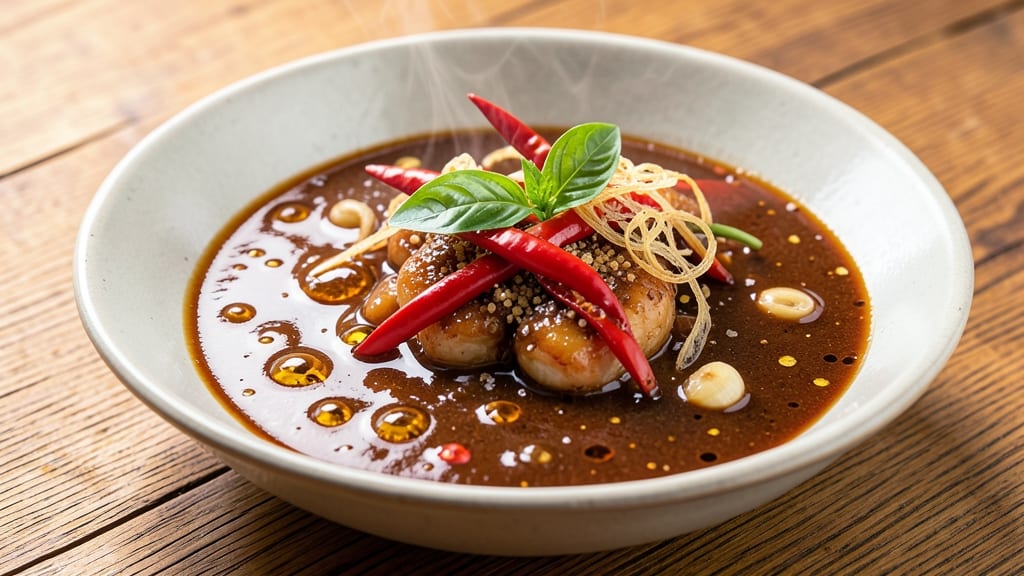
This balut sauce recipe transforms humble fermented shrimp into a bold, umami-rich condiment that elevates every bite of balut. The key lies in balancing vinegar’s tang, soy’s depth, and chili’s heat—creating a sauce that cuts through the egg’s rich, creamy texture while enhancing its savory complexity.
I’ve refined this version to stay true to Filipino roots while adapting for modern palates, ensuring it’s versatile enough for dipping, drizzling, or mixing into dishes.
What sets this sauce apart is its fermented shrimp base, which delivers an unmistakable funky-sweet depth that pairs perfectly with balut’s custardy yolk.
The process is straightforward: ferment shrimp in vinegar and soy for 3-5 days, then blend with garlic, chili, and a touch of sugar to balance the acidity. The result is a sauce that’s bold yet refined, with layers of flavor that build with each use.
The beauty of this recipe is its adaptability—use it as a dipping sauce for balut, a marinade for grilled meats, or a finishing touch for noodle dishes. The fermented shrimp adds a complex, briny richness that transforms simple ingredients into something extraordinary.
Once you taste the difference between store-bought and homemade, you’ll never go back.
Best of all, the sauce keeps well in the fridge for up to 2 weeks, with flavors deepening over time. Whether you’re serving balut at a gathering or experimenting with new dishes, this sauce is your secret weapon for adding authentic, restaurant-quality depth to every meal.
Ingredients for balut sauce
Ten ingredients unlocking bold, umami-rich Filipino flavors for your balut feast.
| Ingredient | Amount | Notes |
|---|---|---|
| Fermented Shrimp (Balut Shrimp) 🦐 | 1 ½ cups | Packed, rinsed before blending |
| White Vinegar 💧 | 1 cup | Distilled white preferred |
| Soy Sauce 🍶 | ½ cup | Dark soy for richer color |
| Garlic Cloves 🧄 | 6 cloves | Peeled, lightly crushed |
| Red Chili Peppers 🌶️ | 3 whole | Bird's eye or Thai chili |
| Granulated Sugar 🍯 | 2 tbsp | Balances acidity |
| Fish Sauce 🐟 | 1 tbsp | Red Boat preferred |
| Extra-Virgin Olive Oil 🫒 | 2 tbsp | For smooth texture |
| Salt 🧂 | ½ tsp | Diamond Crystal kosher |
| Lime Juice 🍋 | 1 tbsp | Freshly squeezed |
The fermented shrimp is the heart of this sauce—look for balut shrimp at Asian markets (or ferment your own). Red Boat fish sauce and dark soy sauceThai bird's eye peppers work best—they pack serious heat without overpowering. If you can't find them, substitute with 1 tbsp red pepper flakes, but trust me, fresh is better. The garlic should be lightly crushed (not minced) to avoid bitterness during blending.
No fermented shrimp? Start with 1.5 cups cooked shrimp and ferment in vinegar + soy for 3-5 days. Short on fish sauce? Extra soy sauce or a splash of Worcestershire works in a pinch. The lime juice is non-negotiable—it brightens the sauce and cuts through the funk. For a smoother texture, strain through a fine-mesh sieve after blending. Want it spicier? Add 1 extra chili or 1/2 tsp cayenne. The sugar might seem counterintuitive, but it balances the acidity beautifully—don't skip it.
This sauce gets better with age—flavors meld for up to 2 weeks in the fridge. Store in a sealed jar with a thin layer of oil on top to preserve freshness. Portion into small containers for easy use. Freezes for 3 months if you want to prep ahead. Pro tip: Let it sit at room temp for 10 minutes before serving—it tastes richer that way.
Why You'll Love This Recipe
- No-Fuss Blend: I swear, this sauce comes together with five ingredients and a blender—no chopping, no peeling, no fuss. The fermented shrimp adds depth instantly, and the vinegar cuts through the funk in seconds.
- Umami Bomb: That first taste? Chef’s kiss. The soy sauce and garlic marry perfectly with the funky, briny balut shrimp, while the chili peppers add just the right kick. It’s the kind of flavor that makes you reach for more without thinking.
- Party in a Jar: Honestly, this sauce is my go-to for lazy Sundays, last-minute gatherings, or when I’m craving something bold but don’t want to slave over it. Drizzle it on rice, toss it with noodles, or even use it as a dip—it’s that versatile.
- Budget Magic: Between us, balut shrimp is one of the most affordable protein boosters out there. A little goes a long way, and the sauce keeps for weeks in the fridge, so I’m always stocked without breaking the bank. Plus, it’s way cheaper than buying pre-made sauces.
Step-by-step instructions for balut sauce recipe
This fermented shrimp base delivers a complex, umami-rich flavor profile that works as a dipping sauce or marinade.
Prepare the Fermented Shrimp Base
Begin by rinsing the 1.5 cups Fermented Shrimp (Balut Shrimp) under cold water to remove any excess fermentation residue. I use a fine-mesh strainer to ensure all the shrimp is captured while the water drains completely. This step is crucial—any remaining fermentation byproducts can make the sauce taste overly pungent.
Transfer the rinsed shrimp to a food processor or high-powered blender. I prefer a food processor because it handles the shrimp's texture better, creating a smoother base. Pulse until the shrimp breaks down into a coarse paste—you want visible particles, not a completely liquid mixture. This texture will provide body to your sauce while still allowing the other flavors to shine through.
Blend Aromatics and Liquids
Add the 6 cloves Garlic Cloves (peeled and lightly crushed), 3 whole Red Chili Peppers (seeds removed if you prefer less heat), 2 tbsp Granulated Sugar, and 1 tbsp Fish Sauce to the food processor. Pulse again until everything is finely chopped but still combined with the shrimp paste. The sugar here serves a dual purpose: it balances the acidity from the vinegar while caramelizing slightly during cooking.
Next, pour in the 1 cup White Vinegar and 2 tbsp Extra-Virgin Olive Oil. The vinegar will create a tangy backbone for the sauce, while the olive oil adds richness that prevents the sauce from becoming too sharp. Pulse just until everything is fully incorporated—you should see a thick, chunky mixture with visible flecks of shrimp and chili. This is your sauce's foundation, so don't rush this blending process.
Simmer and Develop Flavor
Transfer the blended mixture to a medium saucepan and place it over medium heat. Stir in the 0.5 tsp Salt and 1 tbsp Lime Juice, then bring the mixture to a gentle simmer. Here's where the magic happens: let it cook uncovered for 15-20 minutes, stirring occasionally, until the sauce reduces by about one-third and the raw shrimp flavor transforms into a deep, fermented umami.
You'll know it's ready when the sauce thickens slightly and the aroma becomes complex—think of a mix between fish sauce, vinegar, and garlic with a subtle heat from the chili. If the sauce looks too thick, add 1-2 tablespoons of water to reach your desired consistency. The goal is a sauce that coats the back of a spoon but still flows smoothly.
Strain and Finish
Once the sauce has reduced, remove it from heat and let it cool for 5 minutes. Then, strain it through a fine-mesh sieve into a clean bowl, pressing gently on the solids to extract all the flavor. This step ensures a silky texture without any shrimp particles if you prefer a smoother sauce. If you like texture, skip the straining and leave the mixture slightly chunky.
Taste and adjust seasoning—you might need a touch more salt or lime juice to balance the flavors. The sauce should be tangy, savory, and slightly spicy with a lingering umami richness. Transfer to a jar and let it sit at room temperature for at least 1 hour before using. This resting period allows the flavors to meld completely, resulting in a sauce that's far more complex than the sum of its parts.
Pro Tips For Making Balut Sauce
- Rinse the Balut First: Fermented shrimp smells like a fishy science experiment—don’t skip the 10-minute soak in cold water before cooking. I learned this the hard way when my sauce ended up tasting like a wet sock. Drain well after, or your sauce will turn murky instead of glossy.
- Sear Garlic in Oil: Toast your minced garlic in oil until it’s golden, not just fragrant. I used to skip this, and the flavor was always flat—now it adds a nutty depth that cuts through the funk of the vinegar. Two minutes max, or it’ll burn and turn bitter.
- Simmer, Don’t Boil: Low heat is your friend here—bring the sauce to a gentle bubble, then reduce to a whisper. Boiling vinegar makes it harsh, and you’ll lose the delicate balance of flavors. Stir often, and let it cook for 15 minutes, not 5.
- Blend Chili Fresh: Store-bought chili flakes lack the bright, fresh heat of blended red chilies. Pulse them with a splash of vinegar before adding to the sauce—it mellows the raw spice and keeps the color vibrant. (Yes, even if you’re impatient like me.)
Common mistakes when making your balut sauce
Over-Fermenting Shrimp
I’ve made this mistake more than once—leaving the fermented shrimp too long in the vinegar-soy mixture. When shrimp ferments beyond 5 days, it develops an overpowering funk that ruins the sauce’s balance. The goal is a funky-sweet complexity, not a pungent ammonia smell.
If you’re fermenting your own shrimp, stick to 3-5 days max at room temperature. For store-bought balut shrimp, rinse it thoroughly before blending to remove excess fermentation residue. 🦐
Skipping the Sugar
This is a classic rookie error—omitting the 2 tbsp granulated sugar. The sugar isn’t just for sweetness; it balances the vinegar’s acidity and helps caramelize during simmering, adding depth.
Without it, your sauce will taste harsh and unbalanced. If you’re concerned about sweetness, start with 1 tbsp and adjust to taste after simmering. Trust me, the sauce needs it!
Under-Simmering the Sauce
Rushing the 15-20 minute simmer means the flavors won’t develop properly. This step is where the magic happens—the shrimp’s funk transforms into umami richness, and the vinegar mellows into tang. If you skip it or simmer too quickly, your sauce will taste raw and one-dimensional.
Keep the heat medium-low and stir occasionally to prevent sticking. Patience here makes all the difference. ⏰
Ignoring the Straining Step
Straining the sauce through a fine-mesh sieve ensures a silky texture, but many home cooks skip it for convenience. If you leave in shrimp particles, the sauce can turn grainy or slimy over time.
For a smoother finish, press the solids gently with a spoon to extract every bit of flavor. If you prefer texture, strain only partially—but know the sauce will thicken more as it sits.
Using Low-Quality Vinegar
Not all vinegars are created equal. Distilled white vinegar is the gold standard here—its neutral acidity lets the shrimp and soy shine. Avoid flavored vinegars (like apple cider) or cheap store brands, which can introduce off-flavors or cloudiness.
If you must substitute, rice vinegar works in a pinch, but it lacks the sharpness of white vinegar. The right vinegar is the backbone of this sauce. 💧
Over-Salting or Under-Salting
Balancing the ½ tsp salt is tricky because the fermented shrimp and fish sauce already add saltiness. Taste as you go—start with less if you’re unsure, then adjust. Over-salting ruins the sauce; under-salting makes it flat.
I recommend tasting after simmering and before straining, so you can correct it before it thickens. A little goes a long way! 🧂
Nutrition facts
Frequently asked questions
Can I make this sauce without fermented shrimp?
Yes! You can start with 1.5 cups cooked shrimp instead. Ferment them in 1 cup vinegar + 0.5 cup soy sauce for 3-5 days at room temperature. Rinse thoroughly before blending—this mimics the funky depth of store-bought fermented shrimp. The texture will be slightly less intense but still delicious.
How spicy should this sauce be?
The recipe uses 3 whole Thai chilies for moderate heat. For milder sauce, remove seeds and use 1-2 chilies. Want extra kick? Add ½ tsp cayenne or 1 extra chili during simmering. Always taste before serving—you can adjust with more lime juice to balance the heat.
Can I use this sauce for other dishes besides balut?
This versatile sauce works as a dipping sauce for grilled meats, a marinade for seafood, or a finishing sauce for noodles. Its umami depth pairs well with rice, dumplings, or even as a wake-up call for bland dishes. The fermented shrimp flavor adds complexity to anything savory.
Why does my sauce look cloudy after simmering?
Cloudiness usually means the shrimp wasn't rinsed well or the vinegar wasn't high-quality. Always use distilled white vinegar and rinse fermented shrimp thoroughly. If it's already simmered, strain through a cheesecloth for crystal-clear sauce. For extra smoothness, chill the sauce overnight—the fat will solidify and can be skimmed off.
How long will this sauce keep?
Store in an airtight jar in the fridge for up to 2 weeks, with flavors deepening over time. For longer storage, freeze in ice cube trays (thaw in fridge) or small portions. The sauce actually improves after 3-5 days of refrigeration as flavors meld. Always keep a thin layer of oil on top to preserve freshness.