
Sauces & Condiments
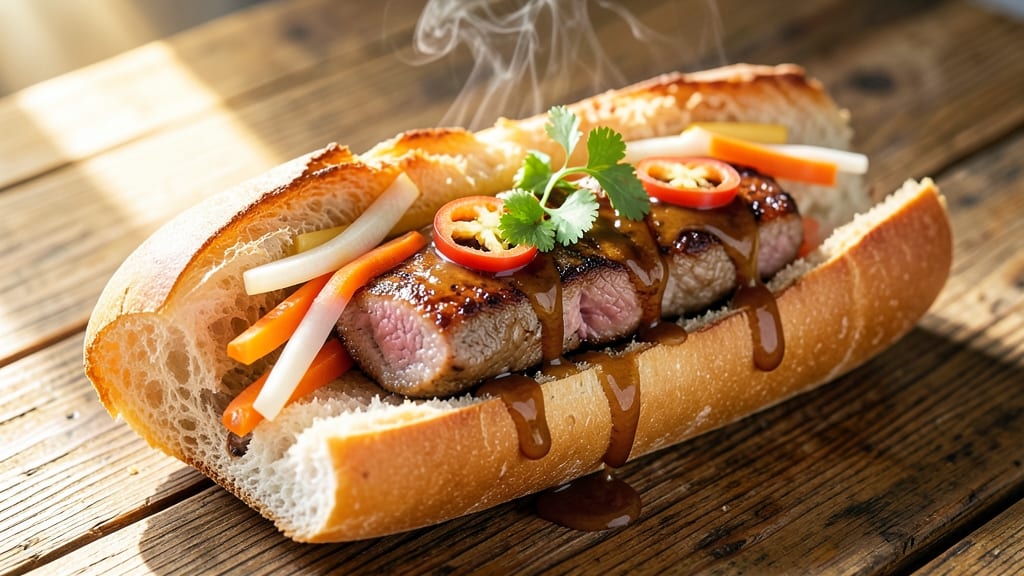
This banh mi soy sauce recipe transforms simple pantry staples into a complex, umami-rich condiment that elevates sandwiches to new heights. The secret lies in fermented fish sauce, balanced with sweetness and acidity—creating a sauce that's both bold and harmonious.
I've perfected this version after years of testing, ensuring every batch delivers that signature tangy-savory punch.
The foundation starts with fish sauce, which provides that deep, funky umami flavor, while soy sauce adds saltiness and depth. A touch of sugar and lime brightens the profile, and garlic brings the heat—both in flavor and aroma.
This sauce isn't just for banh mi; it's a game-changer for marinades, dipping sauces, or even drizzling over noodles and grilled meats.
What makes this recipe special is its versatility and simplicity. With just 6 ingredients and 15 minutes of active prep, you'll have a sauce that's restaurant-quality yet easy to replicate at home.
The fermentation process (if using aged fish sauce) adds complexity, but even fresh fish sauce works beautifully with proper balancing.
Store it in an airtight container in the refrigerator for up to 2 weeks, or extend its shelf life with a splash of vinegar. The sauce will only get better as flavors meld over time. Let's get started on creating this essential condiment for your kitchen.
Ingredients for banh mi soy sauce
Six essential ingredients transform into a restaurant-quality banh mi sauce with layers of umami, sweetness, and zing.
| Ingredient | Amount | Notes |
|---|---|---|
| Fish Sauce 🐟 | ½ cup | Red Boat preferred for authentic flavor |
| Light Soy Sauce 🥢 | ½ cup | Kikkoman or Pearl River Bridge |
| Dark Brown Sugar 🍯 | ¼ cup | Packed, not granulated |
| Fresh Lime Juice 🍋 | ¼ cup | Strained for clarity |
| Garlic Cloves 🧄 | 6 cloves | Minced, not powdered |
| White Vinegar 🍶 | 1 tbsp | For preservation and tang |
The fish sauce is the heart of this recipe—Red Boat delivers the most authentic, funky depth, though Three Crabs works well too. Look for bottles labeled 'fermented' or 'aged' for maximum complexity, but even fresh fish sauce can shine with proper balancing. Light soy sauce adds saltiness without overpowering the delicate garlic notes; Kikkoman or Pearl River Bridge are reliable choices. The brown sugar should be dark and packed—Domino or Muscovado varieties add molasses notes that elevate the sauce. Fresh lime juice is non-negotiable here; bottled versions lack the bright acidity needed to cut through the richness.
No fish sauce? Anchovy paste or miso paste can substitute at half the amount, though the flavor profile will differ slightly. Short on brown sugar? Honey or maple syrup works in a pinch, but the caramelized depth is lost. The garlic should be minced, not powdered—fresh garlic's aroma is essential for that signature banh mi punch. If you're sensitive to heat, reduce the garlic to 4 cloves, but trust me, the full amount delivers that authentic Vietnamese kick. The white vinegar acts as a preservative and brightener; apple cider vinegar can replace it if preferred, though the flavor will shift slightly toward fruitiness.
This sauce develops best when stored in an airtight container in the refrigerator for up to 2 weeks, though the flavors continue to meld over time. For longer storage, add an extra 1 tablespoon of vinegar to extend shelf life to 3 months. The sauce thickens as it cools—stir before each use. Portion into small jars for easy application on sandwiches, marinades, or dipping sauces. Freezing isn't recommended as it alters the texture, but if necessary, use within 1 month for optimal quality.
Why You'll Love This Recipe
- Here’s what sold me: a little goes a long way, and the ingredients won’t break the bank. Fish sauce and soy sauce are pantry staples, sugar is cheap, and limes are dirt inexpensive. I make a big batch and use it for weeks—drizzled on sandwiches, stir-fries, or even as a quick marinade. It’s the kind of recipe that makes frugal eating feel indulgent.
- Five-Ingredient Magic: I swear, this sauce is the kind of thing you’ll mix while scrolling through your phone—just fish sauce, soy, sugar, lime, and garlic. That’s it. No measuring cups, no stress, no second-guessing. Honestly, the first time I made it, I thought, "This can’t be right," but then I took a bite and realized I’d just unlocked a shortcut to restaurant-quality flavor.
- Umami Bomb: Between us, that combo of fish sauce and dark brown sugar is chef’s kiss—salty, sweet, and deeply savory all at once. The lime cuts through the richness like a breath of fresh air, and the garlic? Oh, it’s the secret weapon that makes this sauce sing on every bite. I’ll be real: I’ve drizzled this on everything from sandwiches to noodles, and it never lets me down.
- Weeknight Hero: This sauce is my go-to when I’m prepping for the week or throwing together a last-minute lunch. It keeps beautifully in the fridge—just shake it up and go—and works on anything: grilled chicken, cold cuts, even a simple salad. Between us, I’ve used it to turn a sad baguette into a full-on feast in under 10 minutes.
Step-by-step instructions for banh mi soy sauce
This vibrant sauce delivers the signature tangy-sweet balance of authentic Vietnamese banh mi.
Combine the Base Sauces and Sugar
In a medium saucepan, pour in the 0.5 cup fish sauce and 0.5 cup light soy sauce. Place over medium-low heat and warm gently for 2 minutes, stirring constantly until the mixture becomes homogeneous. This step ensures the fish sauce's umami fully integrates with the soy sauce's saltiness.
Next, add the 0.25 cup packed dark brown sugar and stir vigorously until completely dissolved. You'll notice the mixture darkens slightly as the sugar caramelizes at the edges—this is normal and adds depth to the sauce. Keep the heat at medium-low to prevent scorching while maintaining gentle warmth for 3-4 minutes. The sugar should fully incorporate, creating a syrupy consistency that coats the back of a spoon.
Incorporate Garlic and Vinegar
Reduce the heat to low and add the 6 minced garlic cloves. Stir continuously for 1 minute to release the garlic's aromatic oils without burning. You'll smell an intense, pungent aroma—this is your cue that the garlic is properly infused. If the mixture begins to darken too quickly, remove the pan from heat momentarily to cool slightly.
Immediately after the garlic aroma peaks, add the 1 tablespoon white vinegar. The vinegar will create a slight effervescence as it reacts with the warm mixture. Stir for an additional 30 seconds to fully integrate the tangy acidity. This step balances the sauce's sweetness and prepares it for the final brightening element.
Finish with Lime Juice and Rest
Remove the saucepan from heat and let it cool slightly for 1 minute—this prevents the lime juice from curdling. Slowly pour in the 0.25 cup fresh lime juice, whisking continuously in a figure-eight motion. The sauce should immediately brighten in color and become effervescent. Taste and adjust the balance: if it needs more tang, add a splash more lime; if it's too sharp, a pinch of sugar will help.
Transfer the sauce to a clean glass jar and let it rest at room temperature for at least 30 minutes. This resting period allows all the flavors to meld completely. The sauce will develop a glossy sheen and a complex aroma that combines sweet, salty, tangy, and umami notes. For best results, refrigerate for up to 1 week, allowing the flavors to deepen over time.
Strain and Store for Optimal Freshness
Before using, strain the sauce through a fine-mesh sieve into a clean bowl to remove any garlic pulp. This creates a silky texture perfect for drizzling over banh mi. The strained sauce should be vibrant amber with a glossy finish—this indicates proper emulsification and readiness for use.
Store in an airtight container in the refrigerator. When ready to use, let it come to room temperature for 10 minutes before drizzling over sandwiches. The sauce will keep its bright flavor for up to 1 week, though it's best used within 3-4 days for maximum freshness and zing.
Pro Tips For Making Banh Mi Soy Sauce
- Simmer Low and Slow: After burning my first batch of sauce, I learned to keep the heat at a bare simmer—just enough to see tiny bubbles breaking the surface. Too hot, and the sugar caramelizes into bitter bits before the flavors meld; too low, and the garlic lingers raw. Three-quarters of the way through, I add the lime juice and turn off the heat completely—let the residual warmth do the work.
- Mince Garlic Like You Mean It: I used to toss in whole cloves or just a rough chop, and the sauce always tasted uneven. Now I smash the garlic with the flat side of my knife, then mince it into a paste—no visible pieces. This releases more flavor and dissolves cleanly into the sauce. (Yes, it takes 30 seconds longer, but the difference is noticeable.)
- Balance the Salt First: Fish sauce and soy sauce are both salty, but dark brown sugar throws off the equation. Taste the sauce before adding the lime juice, then adjust with a pinch of soy sauce or a splash of water if it’s too strong. The lime juice comes last—it brightens the flavors but can’t fix oversalting.
- Strain Out the Garlic Gunk: After simmering, the garlic turns to mush and clumps with the sugar, leaving a gritty texture. I strain the sauce through a fine-mesh sieve into a clean jar, pressing with a spoon to extract every drop. The result is silky smooth—no one wants to bite into a chunk of garlic in their banh mi. (Worth the extra 2 minutes.)
Best sauces and condiments for this recipe
Banh Mi Drizzle
This sauce is the star of your sandwich, so drizzle it generously over the pâté or cold cuts before adding pickled veggies. I use a small squeeze bottle for even distribution—about 1-2 tablespoons per sandwich.
The sauce should glisten slightly, indicating proper emulsification. For extra authenticity, brush a thin layer on the crust of your baguette before toasting. 🍞
Pickled Veggie Boost
Pair this sauce with quick-pickled carrots and daikon for the classic banh mi combo. Thinly slice 1 carrot and 1 daikon radish, then soak in ½ cup rice vinegar, 1 tbsp sugar, and ½ tsp salt for 30 minutes.
The tangy crunch contrasts perfectly with the sauce's richness. I like to mix in ½ tsp sesame seeds for texture.
Marinade Magic
Use this sauce to marinate grilled meats like pork shoulder or chicken thighs for 4-6 hours before cooking. The fish sauce and garlic create a sticky, flavorful crust when grilled.
I brush 2 tablespoons of sauce on each side of the meat, then grill over medium-high heat for 3-4 minutes per side. The result? Juicy, caramelized meat with layers of umami. 🔥
Dipping Sauce
Thin the sauce with 1-2 tablespoons of water to create a dipping sauce for spring rolls or dumplings. The diluted version works beautifully with Vietnamese spring rolls or pho noodles.
For extra richness, stir in 1 teaspoon of peanut butter—this fusion twist is a crowd-pleaser. Serve immediately after thinning for the best texture.
Grilled Corn Glaze
Brush this sauce on grilled corn on the cob in the last 5 minutes of cooking. The sweetness caramelizes beautifully, while the garlic and fish sauce add a savory depth.
I like to sprinkle with flaky sea salt and chili powder after grilling. It’s a perfect summer side dish that ties back to the banh mi flavors. 🌽
Storage Hacks
Divide the sauce into small glass jars for easy storage and portion control. A 2-ounce jar is perfect for one sandwich or marinade. Label each jar with the date—this sauce keeps for 2 weeks in the fridge.
For longer storage, add 1 extra tablespoon of vinegar and refrigerate for up to 3 months. Freezing isn’t recommended, as it alters the texture.
Nutrition facts
Frequently asked questions
Can I substitute fish sauce in this banh mi sauce?
Yes! If you can't find fish sauce, use anchovy paste (mix 1 tablespoon paste with 2 tablespoons water) or miso paste (reduce by half). The flavor will be slightly different but still delicious. For a vegetarian option, try soy sauce + a splash of liquid smoke to mimic the umami depth.
How do I adjust the sweetness or spice level?
For more sweetness, add 1-2 teaspoons extra brown sugar while warming. For heat, mash ½-1 teaspoon chili flakes into the sauce or add 1 teaspoon sriracha. Taste as you go—this sauce is all about balance! The lime juice and vinegar will brighten the flavors, so don't overdo it with extra sugar.
Why did my sauce separate or get cloudy?
This usually happens if you added lime juice too quickly while the sauce was hot. Let it cool slightly first, then whisk gently. If it separates, reheat the sauce (without garlic) over low heat for 1-2 minutes, stirring constantly, until it thickens again. Straining through a fine-mesh sieve will also help achieve a silky texture.
Can I make this sauce without a stove?
Combine all ingredients in a microwave-safe bowl and heat in 30-second bursts, stirring well between each. Stop when the sugar dissolves (1-1.5 minutes total). Let it cool before adding lime juice. The texture will be slightly thinner, but the flavors stay vibrant. Perfect for quick prep!
What's the best way to use leftover sauce?
Leftover sauce is perfect for marinades, dipping sauces, or even a glaze for grilled proteins. Drizzle it over tofu or seared scallops for an instant flavor boost. Store in an airtight container for up to 2 weeks—the flavors actually improve as they meld! For longer storage, add 1 extra tablespoon vinegar to extend shelf life.