Sauces & Condiments
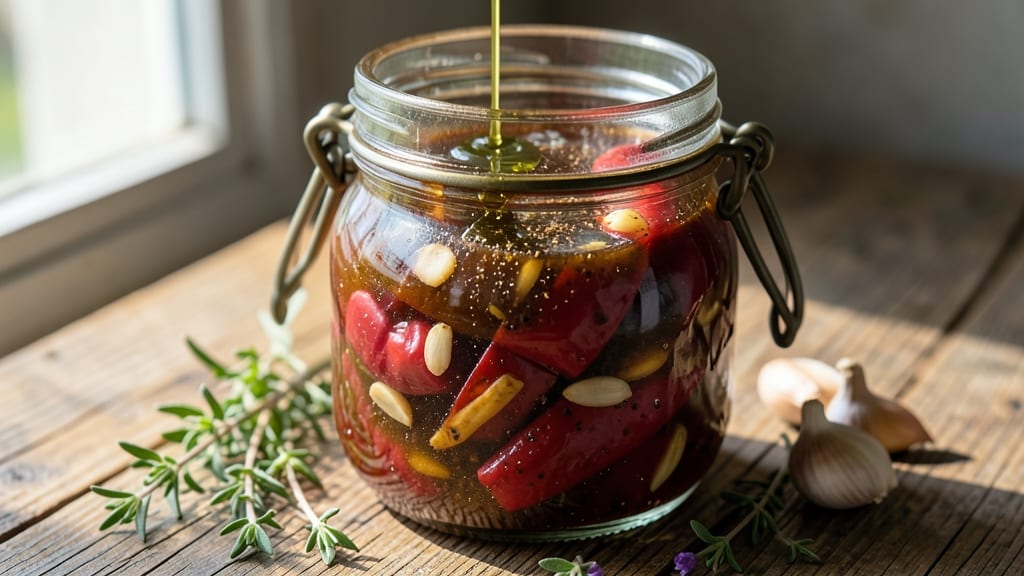
This Barbados hot pepper sauce delivers the fiery, tangy punch that defines Caribbean cuisine—bold enough to stand alone, versatile enough to elevate any dish. The secret lies in balancing Scotch bonnet peppers (the island's signature heat) with vinegar and garlic for depth, creating a sauce that's both complex and addictive.
I developed this recipe after years of perfecting the art of preserving that signature island heat without losing brightness.
The process is straightforward but requires precision: sterilizing jars ensures safety, while blending the peppers with vinegar and spices extracts every drop of flavor. What sets this sauce apart is its ability to transform ordinary meals—think grilled fish, jerk chicken, or even deviled eggs—into something unforgettable.
The heat builds gradually, giving you control over spice levels while maintaining that signature Caribbean tang.
By the time you're done, you'll have a vibrant, fiery sauce that's perfect for dipping, marinating, or finishing dishes. The sterilization process makes it shelf-stable for months, so you can enjoy this taste of Barbados anytime.
This isn't just a condiment; it's the flavor bridge between your kitchen and the Caribbean.
Whether you're cooking for a crowd or prepping for meal prep, this sauce delivers restaurant-quality heat with minimal effort. The key is patience—letting the flavors meld during the sterilization process creates a depth you won't find in store-bought versions. Ready to bring some island fire to your table?
Ingredients for barbados hot pepper sauce
Caribbean heat starts with these bold ingredients—Scotch bonnets, vinegar, and spices that deliver authentic island fire.
| Ingredient | Amount | Notes |
|---|---|---|
| Scotch Bonnet Peppers 🌶️ | 4 whole | Seeds removed for milder heat |
| White Vinegar 💧 | 1 cup | Distilled white preferred |
| Garlic Cloves 🧄 | 8 cloves | Freshly peeled, no skin |
| Extra-Virgin Olive Oil 🫒 | ½ cup | High-quality, fruity variety |
| Brown Sugar 🍚 | ¼ cup | Lightly packed |
| Ground Allspice 🌿 | 1 tsp | Freshly ground preferred |
| Ground Cinnamon 🌿 | ½ tsp | True Ceylon preferred |
| Salt 🧂 | 1 tsp | Diamond Crystal kosher |
| Water 💧 | ½ cup | Filtered preferred |
| Lemon Juice 🍋 | 1 tbsp | Freshly squeezed |
The Scotch bonnet is non-negotiable here—no habanero or Thai chili substitute will give you that signature Caribbean depth. Local Caribbean markets or well-stocked Latin grocery stores carry them fresh, but if you can't find them, frozen Scotch bonnets from Trader Joe's work in a pinch. Always remove seeds for milder heat, but leave some for that authentic kick. For the vinegar, distilled white is best—apple cider adds sweetness but changes the flavor profile. The garlic should be freshly peeled—no jarred minced garlic here. I like to toast mine lightly in olive oil before blending for deeper flavor.
No Scotch bonnets? Habanero peppers at half the quantity will get you close, but expect a slightly different heat profile. Running out of allspice? Nutmeg at double the amount works, though it lacks that warm, earthy depth. The brown sugar can be swapped for white sugar or coconut sugar, but it adds subtle molasses notes that balance the heat. For the olive oil, avocado oil is a great alternative—it has a higher smoke point if you're searing anything with the sauce. The lemon juice is critical for brightness, so never skip it. If you're short, a splash of lime juice works too, but it's tangier.
This sauce keeps beautifully—sterilized jars in the pantry for 6-12 months or fridge for 3 months once opened. I always make a double batch: one for immediate use, one for gifting. The sterilization process is key—boiling jars for 10 minutes ensures safety and shelf stability. For meal prep, portion into small jars so you can grab just what you need. The heat builds over time, so taste before using—add more vinegar or sugar if needed. Trust me, you'll want to make this often.
Why You'll Love This Recipe
- No Chopping Needed: I swear by this recipe because it’s one of those rare sauces where you just melt the garlic in olive oil, toss in the peppers, and let the vinegar do its magic. No dicing, no mincing—just a quick blitz in the blender if you’re feeling fancy.
- Sweet Heat Balance: That brown sugar? It’s the secret weapon. It cuts through the Scotch Bonnet’s fire like a cool breeze after a spicy run, leaving behind a lingering warmth that’s addictive. Honestly, I’ve never met a hot sauce that didn’t make me reach for more.
- Game for Any Meal: Slather it on grilled chicken, drizzle it over roasted veggies, or toss it into a batch of homemade mac and cheese—this sauce disappears fast. I keep a jar in the fridge for when I need to spice up leftovers or impress guests with zero extra effort.
- Lasts for Weeks: A little goes a long way, and this sauce keeps for months in the fridge. Between us, I’ve made a big batch and still have half left after two months. Plus, the ingredients are cheap—vinegar, garlic, and peppers don’t break the bank like specialty bottles do.
Step-by-step instructions for Barbados hot pepper sauce
This fiery Caribbean condiment comes together faster than you'd think—just follow these precise steps.
Sterilize and Prepare the Peppers
Begin by sterilizing a clean glass jar with its lid using boiling water for 2 minutes. This ensures your sauce stays fresh longer. While the jar sterilizes, carefully remove the seeds from all 4 whole Scotch Bonnet Peppers—this reduces the heat level while keeping the signature Caribbean flavor. I like to make a small slit along one side of each pepper to help the vinegar penetrate more easily during the cooking process.
Leave the peppers whole for maximum flavor infusion, but if you prefer a smoother sauce, you can chop them into ½-inch pieces. The key here is to work quickly—Scotch Bonnets release capsaicin when cut, which can irritate the skin. I always wear gloves when handling them, especially if I'm not removing all the seeds.
Simmer the Vinegar and Sugar Base
In a medium saucepan, combine 1 cup White Vinegar, 0.25 cup Brown Sugar, 1 tsp Salt, 1 tsp Ground Allspice, and 0.5 tsp Ground Cinnamon. Bring this mixture to a gentle boil over medium heat, then immediately reduce the heat to low. Let it simmer for 5 minutes until the sugar fully dissolves and the spices are fragrant.
Here's the thing—don't let this mixture boil vigorously. You want a gentle simmer that keeps the vinegar from becoming too harsh. The sugar will caramelize slightly, adding depth to the sauce's complexity. If you notice any sediment at the bottom of the pan, that's normal and actually adds to the sauce's authenticity.
Add Garlic and Peppers for Infusion
Add the peeled 8 cloves Garlic Cloves and the prepared Scotch Bonnet Peppers to the simmering vinegar mixture. Stir gently to submerge everything completely. Return the heat to medium-low and let it simmer for 10-12 minutes. You'll know it's ready when the peppers soften slightly and the garlic becomes translucent.
I press down on the peppers occasionally with a wooden spoon to ensure they stay submerged. This prevents them from floating and burning, which would make the sauce bitter. The garlic should be cooked through but not browned—you want it to contribute flavor without adding bitterness. If you smell the peppers releasing their aroma strongly, that's a good sign you're on the right track.
Finish with Oil and Lemon for Balance
Remove the saucepan from heat and let the mixture cool for 5 minutes. While it cools, combine 0.5 cup Extra-Virgin Olive Oil and 1 tbsp Lemon Juice in a small bowl. Once the pepper mixture has cooled slightly, use a slotted spoon to transfer the peppers and garlic to the sterilized jar.
Pour the cooled vinegar mixture over the peppers in the jar, then add the olive oil and lemon juice mixture. Stir everything together until well combined. The oil will help distribute the heat evenly while the lemon juice brightens the sauce. At this stage, you can taste and adjust the seasoning if needed—add a pinch more salt or cinnamon if desired.
Seal and Rest for Maximum Flavor
Seal the jar tightly and let the sauce rest at room temperature for 24 hours before transferring it to the refrigerator. This resting period allows all the flavors to meld together. I like to give it a good shake every 8 hours during this time to ensure even distribution of the peppers and spices.
After 24 hours, refrigerate the sauce where it will keep for up to 3 months. The flavors will continue to develop over time, becoming richer and more complex. When ready to use, shake the jar well before serving—this ensures the peppers and garlic are evenly distributed in each spoonful. The result should be a perfectly balanced hot sauce with bright, tangy heat and warm spice notes.
Pro Tips For Making Barbados Hot Pepper Sauce
- Char the Peppers: I learned this the hard way—blanching Scotch Bonnets first makes all the difference. Toss them whole into a dry skillet over medium-high heat for 30 seconds per side until blackened in spots. The char deepens the smoky flavor and softens the peppers for easier blending, but don’t rush it or you’ll burn the garlic later.
- Seed with Precision: Those tiny black seeds are where most of the heat lives. Cut a shallow X into each pepper, then scrape out the seeds and membranes with a spoon—don’t just eyeball it. A quick rinse under cold water afterward removes lingering capsaicin residue, which keeps the sauce from being overwhelmingly fiery.
- Simmer, Don’t Boil: After blending, return the sauce to the pot and keep it at a gentle simmer (tiny bubbles, occasional swirls) for 10-15 minutes. Boiling hard can turn the vinegar harsh and the oil separate. Stir occasionally to prevent sticking—this isn’t the time to walk away.
- Sweeten Last: Brown sugar burns faster than you’d think. Add it only in the final 2 minutes of simmering, and taste as you go. If the sauce tastes flat afterward, a pinch of salt (not sugar) will balance it—trust me, I’ve overcompensated with sugar before and regretted it.
Creative variations of barbados hot pepper sauce
Jerk Chicken Marinade
Use this sauce as the base for an unforgettable jerk marinade by adding 2 tbsp soy sauce, 1 tbsp ground thyme, and 1 tbsp brown sugar to ½ cup of the hot pepper sauce.
Let chicken thighs or drumsticks marinate for 4-6 hours before grilling or baking. The Scotch bonnet heat will caramelize beautifully on the grill, creating that signature jerk crust. 🔥
Seafood Dipping Sauce
Thin the sauce with 2 tbsp water and a splash of lime juice for a perfect dipping sauce for grilled shrimp, lobster tails, or fish tacos. The tangy heat cuts through the richness of seafood beautifully.
I like to serve it with conch fritters or grilled mahi-mahi for an instant Caribbean-inspired meal. The oil in the sauce helps it cling to the food, making every bite flavorful.
Deviled Egg Upgrade
Replace the traditional hot sauce in deviled eggs with this Barbados pepper sauce. Mix 1 tbsp of the sauce into the yolk mixture before piping onto the egg whites. The heat and depth of flavor will transform a classic appetizer into something truly special.
Garnish with chopped scallions or paprika for extra flair. This is my go-to for summer potlucks—everyone always asks for the recipe!
Spicy Cocktail Mixer
Add 1 tsp of this sauce to your favorite rum cocktails like mai tais or mojitos for a fiery Caribbean twist. The vinegar base adds brightness that cuts through the sweetness, while the Scotch bonnet heat gives it an unexpected kick.
I like to muddle ½ tsp of the sauce directly into the cocktail shaker with the other ingredients for maximum flavor infusion. Serve with a sprinkle of tajín on the rim for extra zing. 🍹
Slow-Cooked Beef
Use ¼ cup of the sauce in your slow-cooker beef chili or stew for deep, smoky heat that penetrates every bite. The vinegar helps tenderize the meat while the spices add complexity. I like to add it during the last 30 minutes of cooking to preserve the sauce's brightness.
This works especially well with beef short ribs or pulled pork—the heat builds beautifully over time. 💫
Grilled Vegetable Glaze
Brush this sauce onto grilled vegetables like eggplant, bell peppers, or zucchini for a smoky, spicy glaze. The natural sugars in the sauce will caramelize on the grill, creating a sticky, flavorful crust.
I recommend using it on portobello mushrooms or grilled asparagus for a vegetarian-friendly option. The acidity in the sauce prevents the vegetables from becoming too bitter, making them taste even more vibrant. 🌱
Nutrition facts
Frequently asked questions
Can I substitute Scotch bonnet peppers with habaneros?
You can use habaneros, but expect a slightly different heat profile and flavor. For the closest match, use half the quantity of habaneros (2 peppers instead of 4) since they're hotter. The vinegar and sugar balance will still work, but the sauce won't have that signature Caribbean depth. If you can't find Scotch bonnets, frozen ones from Trader Joe's are your next best option.
How do I adjust the heat level in this sauce?
For milder heat, remove all seeds and membranes from the Scotch bonnets before using. For extra heat, leave some seeds in 1-2 peppers or add ½ tsp cayenne pepper to the simmering vinegar mixture. Always taste before bottling—you can adjust with more vinegar (to dilute) or sugar (to balance).
Why does my sauce look cloudy after sterilization?
Cloudiness is normal and actually adds to the sauce's authenticity! The peppers and spices release natural oils that create a slight haze. If you prefer clarity, strain the sauce through a fine-mesh sieve before bottling. For maximum flavor, leave the peppers in—they'll soften during the 24-hour rest and infuse beautifully.
Can I make this sauce without sterilizing the jars?
I don't recommend it for long-term storage. Without sterilization, the sauce may spoil within 2-3 weeks in the fridge. For short-term use (up to 1 week), you can skip sterilization, but always use clean jars. For best results, follow the sterilization steps—it's what makes this sauce shelf-stable for 6-12 months.
What's the best way to use this sauce in cooking?
This sauce shines as a marinade, dipping sauce, or finishing touch! For marinades, mix with olive oil and herbs. As a dip, thin with water or lime juice for grilled seafood. Drizzle over tacos, soups, or even deviled eggs. The key is to balance its heat with something creamy (like yogurt) or acidic (like lime) to enhance its Caribbean flavors.