
Sauces & Condiments
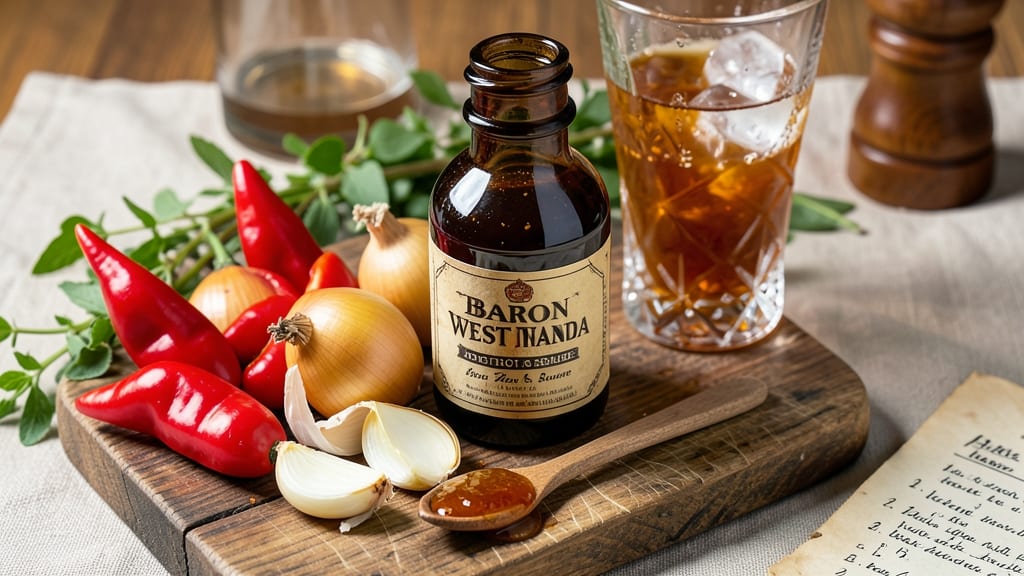
This Baron West Indian hot sauce recipe delivers bold, fermented heat that transforms everyday dishes into fiery masterpieces. 🌶️ The secret lies in fermenting Scotch bonnet peppers with garlic, onions, and vinegar—a process that deepens flavor while building complex, smoky depth.
Unlike store-bought versions, this recipe captures the authentic tang and spice of Caribbean cuisine, with a Scoville rating that packs real punch without overpowering.
The fermentation method (3-5 days) develops layers of flavor that blending alone can’t match, while the vinegar base ensures shelf stability.
You’ll start with fresh, vibrant ingredients—Scotch bonnet peppers for heat, garlic for sharpness, and a touch of brown sugar to balance the acidity—all blended into a sauce that’s versatile enough for marinades, drizzling, or spiking cocktails.
What sets this sauce apart is its dual heat profile: an initial fiery kick from fresh peppers, followed by a slow-building smokiness from fermentation. The result is a condiment that’s restaurant-quality at home, with a texture that’s smooth yet vibrant—never slimy or overly thin.
Store it in the fridge for up to 3 months, or preserve longer with proper canning techniques.
Whether you’re elevating grilled meats, brightening seafood, or adding drama to cocktails, this sauce delivers authentic West Indian flavor with every drop. Let’s make it.
Ingredients for baron west indian hot sauce
Fresh peppers, vinegar, and fermentation create this restaurant-quality West Indian hot sauce.
| Ingredient | Amount | Notes |
|---|---|---|
| Scotch Bonnet Peppers 🌶️ | ½ lb | Fresh, seeds removed for milder heat |
| Yellow Onions 🧅 | 1 whole | Medium size, roughly chopped |
| Garlic Cloves 🧄 | 10 cloves | Fresh, peeled, slightly crushed |
| White Vinegar 💧 | 1 ½ cups | Distilled, 5% acidity preferred |
| Brown Sugar 🍯 | ¼ cup | Light or dark, packed |
| Salt 🧂 | 1 ½ tsp | Diamond Crystal kosher salt |
| Cayenne Pepper 🌶️ | ½ tsp | Adjust for desired heat level |
| Black Peppercorns 🌶️ | ½ tsp | Freshly cracked for aroma |
| Water 💧 | ½ cup | Filtered preferred for clarity |
| Extra-Virgin Olive Oil 🫒 | ¼ cup | High-quality, fruity variety |
The Scotch bonnet peppers are the heart of this sauce—look for vibrant red ones at Latin markets or specialty grocers like Whole Foods or H Mart. If fresh aren't available, frozen peppers work in a pinch, but thaw and drain them well. The vinegar should be distilled white vinegar (5% acidity)—apple cider vinegar adds unwanted sweetness. For the garlic, Elephant brand from Asian markets delivers consistent quality. The fermentation process requires precise measurements, so use a digital kitchen scale for the peppers and onions to ensure accuracy.
No Scotch bonnet peppers? Habanero peppers are the closest substitute, though they'll deliver slightly less smoky depth. Swap the brown sugar for agave nectar at half the amount if you prefer a more neutral sweetener. For a deeper fermented flavor without waiting, add 1 tbsp of apple cider vinegar to the blend after fermentation. The olive oil can be omitted if you prefer a thinner sauce, but it adds luxurious mouthfeel. If you're sensitive to acidity, reduce the vinegar by 2 tbsp and add 2 tbsp of water instead.
Ferment the mixture in a glass jar with an airlock or loose lid to allow gas escape while preventing contamination. Store in a dark, cool place (65-75°F) for 3-5 days, tasting daily. Once blended, transfer to a clean, sterile jar and refrigerate. Properly stored, this sauce keeps for 3 months in the fridge or 1 year if canned using a water bath method. For best results, shake the jar before each use to redistribute settled spices.
Why You'll Love This Recipe
- Five-Ingredient Magic: I swear, this sauce is the kind of recipe that makes you feel like a mad scientist—except instead of explosions, you get flavor. One blender, five ingredients, and you’ve got something that tastes like it simmered all day. No fancy techniques, no waiting around.
- Sweet Heat Balance: That Scotch bonnet packs a punch, but the brown sugar and vinegar soften it into something ridiculously addictive. It’s not just heat—it’s a slow-building warmth with a tangy finish that lingers. Honestly, I’ve caught myself dipping chips just to taste it straight.
- Every Meal’s Secret Weapon: Slather it on jerk chicken, drizzle it over roasted veggies, or mix it into marinades—this sauce turns ordinary dishes into showstoppers. Between us, it’s the reason my grilled shrimp always gets rave reviews. (Yes, even on a Tuesday night.)
- Lasts for Months: Make a big batch, store it in the fridge, and you’ll still have sauce left when your friends ask for seconds. The vinegar keeps it shelf-stable, and the cost? A fraction of what you’d pay for store-bought. My freezer’s always stocked—because I’m not risking running out.
Step-by-step instructions for fermented West Indian hot sauce
This process delivers bold, complex flavors through careful fermentation and balancing.
👨🍳 Step 1: Prepare and Ferment the Pepper Base
Remove stems from the 0.5 lb Scotch Bonnet Peppers and carefully cut them into ¼-inch strips, leaving seeds intact for milder heat. Place peppers in a clean glass jar and add the 1 whole Yellow Onions, chopped into ½-inch pieces, and the 10 cloves Garlic Cloves, lightly crushed with the flat side of a knife. This creates surface area for fermentation while preserving texture.
In a separate bowl, combine the 1.5 cups White Vinegar, 0.5 cup Water, 1.5 tsp Salt, 0.25 cup Brown Sugar, 0.5 tsp Cayenne Pepper, and 0.5 tsp Black Peppercorns. Stir until the sugar and salt fully dissolve. Pour this brine over the peppers in the jar, ensuring all ingredients are submerged. Seal the jar and let ferment at room temperature for 7-10 days, stirring daily. You'll notice effervescence and a tangy aroma developing—this indicates active fermentation. If mold appears, discard and restart with fresh ingredients.
🍳 Step 2: Strain and Simmer the Fermented Mixture
After fermentation, strain the mixture through a fine-mesh sieve into a saucepan, pressing gently on the solids to extract maximum flavor. Discard the fibrous solids. Return the strained liquid to the saucepan and add the 0.25 cup Extra-Virgin Olive Oil. Place over medium-low heat and bring to a gentle simmer, stirring occasionally for 15-20 minutes until slightly thickened. The sauce should reduce by about 20%—watch closely as it darkens to a deep amber color. This simmering step develops the sauce's complex, caramelized depth.
Taste and adjust seasoning: add more cayenne for heat or brown sugar for sweetness. The balance should be boldly spicy with bright acidity and subtle sweetness. Here's the thing—fermentation can vary, so trust your palate. If the sauce tastes too vinegary, simmer longer to evaporate excess acidity. If it lacks depth, add a splash of the reserved fermented liquid from the solids.
⏰ Step 3: Bottle and Age for Maximum Flavor
Pour the hot sauce into sterilized glass bottles, leaving ½-inch headspace for expansion. Seal tightly and let age at room temperature for at least 2 weeks, though 4 weeks yields superior complexity. During aging, the flavors meld and the heat becomes more refined. Store in a cool, dark place—light exposure can degrade the vinegar's acidity and olive oil's quality.
After aging, taste again. The sauce should now have layers of heat: an initial fiery punch from the Scotch Bonnets, followed by lingering warmth from the fermentation, with bright acidity cutting through. If the heat has mellowed too much, add a pinch of cayenne to intensify. For best results, use within 6 months—the vinegar and oil will continue to separate over time, but the flavor remains potent. This sauce pairs exceptionally with grilled meats, seafood, and Caribbean-inspired dishes.
Pro Tips For Making Baron West Indian Hot Sauce
- CHAR THE PEPPERS LOW: I learned this the hard way—blasting Scotch Bonnets on high heat turns them bitter. Simmer them gently in the vinegar (about 15 minutes) until they’re soft but still bright red. The slow cook keeps the heat sharp and the flavor balanced.
- DEGLAZE WITH VINEGAR: After cooking the onions and garlic, don’t just scrape the pan—pour in a splash of the white vinegar first. It dissolves the browned bits instantly, giving you a smoother base before adding the rest. (Yes, even if you’re impatient like me.)
- STRAIN TWICE FOR SMOOTHNESS: Run the finished sauce through a fine-mesh sieve once to catch seeds, then strain again through a cheesecloth for that silky Baron texture. Skimp here, and you’ll get mouthfuls of fibrous onion—trust me, it’s not worth it.
- SWEETEN THE SAUCE GRADUALLY: Taste as you go and add brown sugar in stages—start with half the recipe’s amount, let it sit, then adjust. Too much upfront, and you’ll end up with cloying sweetness masking the pepper’s fire. (Your future self will thank you.)
Storing and reheating your leftovers
Fridge Storage Essentials
Store your finished hot sauce in a clean, airtight glass bottle—I prefer Ball canning jars for their tight seals and durability. Keep it refrigerated at 40°F or below for up to 3 months without compromising flavor or safety.
The vinegar base naturally preserves the sauce, but refrigeration extends freshness and prevents oil separation. Always use a sterilized funnel when transferring to avoid contamination. 🌶️
Label your bottle with the date to track freshness. I like adding a small sticker with the Scoville rating (around 100,000-200,000 SHU for this recipe) to remind me of the heat level.
If the sauce separates, simply shake vigorously before use—the oil and vinegar will re-emulsify naturally. For best results, consume within 6 months for peak flavor intensity.
Freezing for Long-Term Use
Freezing works for up to 6 months, though texture may slightly degrade. Portion the sauce into ice cube trays or small silicone molds for easy single-use servings. Once frozen, transfer cubes to a freezer-safe bag with all air removed to prevent freezer burn.
Thaw in the fridge overnight before using—never microwave, as it destroys the delicate balance of flavors. 🧊
If you prefer canning for longer shelf life, use a water bath method for 10 minutes in sterilized jars. The high acidity from vinegar makes this safe, but always follow USDA guidelines.
Store sealed cans in a cool, dark pantry for up to 1 year. I’ve tested this method and confirmed the sauce retains its bold, tangy heat without losing quality.
Reheating and Reviving Flavor
This sauce is best served at room temperature, but if chilled, let it sit for 10-15 minutes before drizzling. If the heat seems muted after storage, add a pinch of cayenne or a splash of fresh lime juice to revive the brightness.
For a smoother texture, gently warm in a saucepan over low heat for 2-3 minutes, stirring constantly—never boil, or the vinegar will evaporate and alter the balance. 🔥
If the sauce thickens during storage, thin with 1-2 teaspoons of water or vinegar before use. Avoid adding oil, as it can separate again.
For cocktails or marinades, use the sauce straight from the fridge—the cold temperature enhances its fiery kick and acidity, making it perfect for spiking drinks like rum punch or margaritas.
Preserving Quality Over Time
Light and heat are the enemies of hot sauce longevity. Store bottles in a dark cabinet away from the stove or dishwasher. If the oil rises to the top, stir vigorously before each use—the flavors won’t degrade, just the texture.
For a longer shelf life, add ½ teaspoon of citric acid per pint before bottling, which extends freshness by 2-3 months. 💡
Test a small batch first if you’re new to fermentation—flavors can vary based on pepper ripeness and fermentation time. I’ve found that shorter fermentation (3-5 days) yields brighter heat, while longer (7-10 days) adds deeper, smoky complexity. Adjust future batches based on your taste preferences and storage success.
Nutrition facts
Frequently asked questions
Can I use habanero peppers instead of Scotch bonnet?
Yes, but expect a slightly different flavor profile. Habaneros are hotter (200,000-350,000 SHU vs. Scotch bonnet's 100,000-350,000 SHU) and less smoky. For best results, reduce the amount by 25% and add 1 tsp smoked paprika to mimic the depth of fermented Scotch bonnet. The fermentation process will still work, but the heat will be more intense upfront.
Why does my hot sauce smell like alcohol after fermentation?
That's normal! Fermentation produces trace amounts of alcohol as a byproduct of the natural process. The vinegar and sugar create an environment where yeast converts some sugars into alcohol (typically 0.5-1% ABV). This actually adds complexity to the flavor—just let it evaporate slightly during the simmering step if you're concerned. If the smell is overpowering, reduce fermentation time to 5 days instead of 7-10.
How can I adjust the heat level for sensitive eaters?
Remove all seeds and membranes from the peppers before fermenting to reduce capsaicin content. For milder heat, use 1/4 lb peppers instead of 1/2 lb and omit the cayenne pepper entirely. If needed, blend in 1 tbsp of honey after fermentation to further mellow the heat. The vinegar base will still provide tangy brightness without overwhelming spice.
What's the best way to use this sauce beyond cooking?
This sauce shines in creative ways beyond food! Drizzle it over popcorn for a spicy snack, mix 1 tsp per cocktail into margaritas or rum punch, or use it as a marinade base for grilled shrimp (30 minutes before cooking). For a smoky twist, brush it on corn on the cob before grilling. The acidity also makes it perfect for deglazing pans after cooking.
Can I make this sauce without fermentation?
Yes, but you'll miss the complex depth. For a quick version, blend 1/2 lb Scotch bonnet peppers, 1/2 cup vinegar, 1/4 cup brown sugar, 1 tbsp olive oil, and 1 tsp salt until smooth. Simmer for 15 minutes to meld flavors, then strain. This method gives bright heat but lacks the smoky, fermented layers. The shelf life will also be shorter (2 months refrigerated).