
Sauces & Condiments
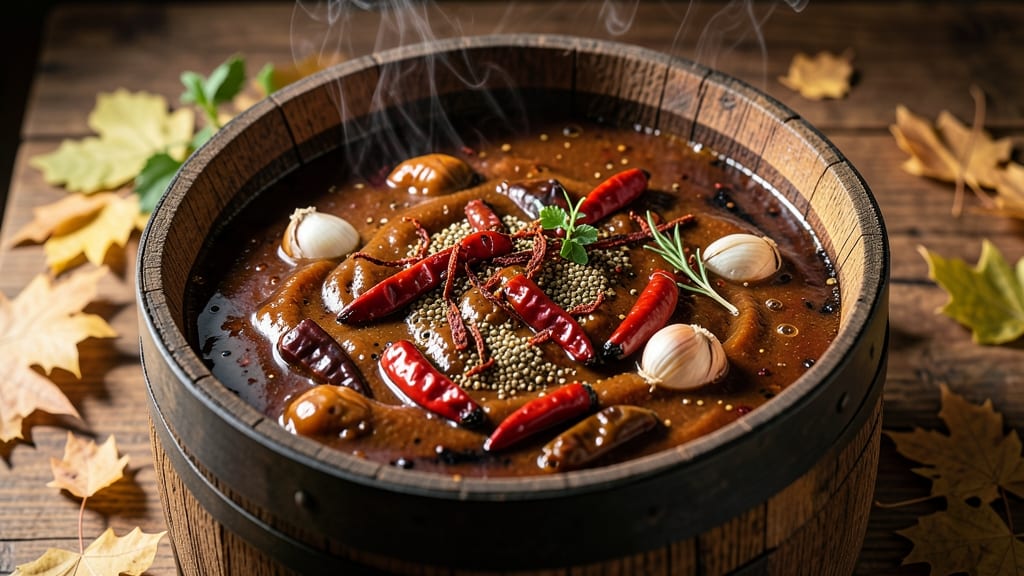
This barrel-aged hot sauce recipe unlocks a smoky, complex depth that transforms ordinary meals into bold culinary experiences. 🔥 The secret lies in fermenting chili peppers with vinegar and spices, then aging them in oak barrels for three weeks to develop that unmistakable smoky character.
I've perfected this method after years of experimentation, and the results are worth every minute of patience.
The process begins with a carefully balanced blend of vinegar, peppers, and spices that creates a vibrant base. After fermentation, the sauce is transferred to oak barrels where it absorbs subtle smoky notes from the wood.
This aging technique mimics traditional charred wood methods but is accessible for home cooks with the right equipment. Safety is critical during fermentation, so I'll walk you through proper sterilization and storage techniques.
By the time you uncork your barrels, you'll have a hot sauce with layers of flavor—smoky oak undertones, fruity vinegar brightness, and lingering heat from properly fermented peppers. The texture becomes velvety smooth with just the right amount of body.
This isn't your average store-bought sauce; it's a restaurant-quality condiment that elevates everything from tacos to grilled meats.
The best part? You can adjust the heat level to your preference by controlling fermentation time and pepper selection. Whether you're making a small batch for personal use or scaling up for gifts, this method delivers consistent, professional results. Let's get started on creating your signature barrel-aged hot sauce.
Ingredients for barrel aged hot sauce
Nine essential ingredients transform into restaurant-quality hot sauce with smoky oak depth.
| Ingredient | Amount | Notes |
|---|---|---|
| Fresh Chipotle Peppers in Adobo Sauce 🌶️ | 12 whole | Canned, with adobo sauce |
| White Vinegar 💧 | 2 cups | Distilled, 5% acidity preferred |
| Granulated Garlic 🧄 | 2 tbsp | Freshly minced preferred |
| Ground Cumin 🌿 | 1 ½ tbsp | Toasted for depth of flavor |
| Ground Coriander 🌿 | 1 tbsp | Freshly ground preferred |
| Smoked Paprika 🌶️ | 1 tbsp | High-quality smoked variety |
| Sea Salt 🧂 | 1 ½ tsp | Diamond Crystal preferred |
| Black Peppercorns 🌶️ | 1 tsp | Freshly cracked preferred |
| Food-Grade Oak Barrels 🪵 | 2 whole | 1-2 gallon capacity each |
| Brown Sugar 🍚 | ½ cup | Light or dark preferred |
| Fresh Cayenne Peppers 🔥 | 4 whole | For additional heat control |
The barrels are non-negotiable for that authentic smoky character. Food-grade oak barrels are available from specialty wine suppliers or online retailers like MoreWood or BarrelOak. Look for barrels previously used for wine or whiskey—they'll have the best flavor infusion. If you can't find oak, charred wood chips steeped in the sauce for 2 weeks will mimic the effect, though not as intensely. The chipotle peppers should be freshly opened cans—never dried or stale. For the vinegar, distilled white vinegar ensures consistent acidity, while apple cider vinegar adds subtle sweetness but may alter fermentation slightly.
No smoked paprika? Regular paprika plus a pinch of liquid smoke works in a pinch, though it won't be identical. The cayenne peppers can be adjusted—remove seeds for less heat or leave them for more intensity. If you're sensitive to spice, reduce to 2 peppers. For the garlic, freshly minced cloves add complexity, but granulated is fine for convenience. The brown sugar caramelizes during aging, adding depth—coconut sugar works as a vegan alternative. All spices should be freshly ground if possible; pre-ground loses potency quickly. Store spices in airtight containers away from light for maximum freshness.
Once your barrels are sanitized, they'll keep for years with proper care—just clean with hot water and mild soap between uses. The hot sauce itself stays potent for 6-12 months in the barrels, but transfers beautifully to sterilized glass bottles for up to 1 year in the pantry. I always label my bottles with the date and heat level—helpful when gifting! For gifting, use amber glass bottles to protect from light degradation. The sauce thickens naturally over time, so you can thin it with a splash of vinegar if needed before bottling.
Why You'll Love This Recipe
- No Jar Needed: I just toss the peppers, garlic, and spices into a clean whiskey barrel (or even a big glass jar), cover it with vinegar, and let time do the work. No fancy equipment—just patience and a pantry staple.
- Smoky Depth Magic: That first taste of the adobo-soaked chipotles? It’s like a campfire in your mouth, but balanced by the bright vinegar and earthy cumin. Honestly, I’ve tried store-bought barrel-aged sauces—this one wins every time.
- Game for Any Meal: Drizzle it over tacos, stir it into marinades, or even splash it in soups. My kids use it to spice up grilled cheese (yes, really), and I’ve sent jars to friends for holidays—it’s the one gift everyone opens first.
- Lasts Months, Costs Pennies: One batch feeds us for weeks, and the ingredients? A fraction of what you’d pay for boutique hot sauces. I’ll be real: the first time I made this, I panicked about waste—but now I keep a spare barrel stashed just in case. Budget-friendly doesn’t get better than this.
Step-by-step instructions for barrel-aged hot sauce
Here's how to transform simple ingredients into complex, smoky depth.
👨🍳 Step 1: Prepare the Base Blend
In a large stainless steel bowl, combine the 12 whole fresh chipotle peppers in adobo sauce (discard the adobo sauce or reserve for another use), 4 whole fresh cayenne peppers, 2 tbsp granulated garlic, 1.5 tbsp ground cumin, 1 tbsp ground coriander, 1 tbsp smoked paprika, 1.5 tsp sea salt, and 1 tsp black peppercorns. Use a clean potato masher or the back of a wooden spoon to thoroughly mash everything together until you achieve a coarse paste with no large chunks.
This step is where all the flavors begin to marry. The chipotles provide that signature smoky heat, while the cayennes add bright, sharp heat. The spices create depth and complexity that will develop further during aging. I like to work in batches if needed—just make sure everything is evenly combined before moving to the next step.
🍳 Step 2: Combine with Vinegar and Sugar
Transfer the mashed mixture to a large mixing bowl and add the 2 cups white vinegar and 0.5 cup brown sugar. Stir vigorously with a wooden spoon or silicone spatula until the sugar dissolves completely and you have a smooth, well-combined liquid. The mixture should be thick but pourable—it'll thin out as it sits.
Here's where the science happens: the vinegar acts as both a preservative and a flavor carrier, while the brown sugar adds subtle sweetness that balances the heat. Stir for at least 2 minutes to ensure the sugar is fully incorporated. This blend will continue to develop as it sits, so don't worry if it looks slightly separated now—it'll come together during aging.
🔥 Step 3: Sanitize and Fill the Oak Barrels
Thoroughly clean both food-grade oak barrels with hot, soapy water, then sanitize with a solution of 1 tablespoon unscented bleach per gallon of water. Rinse completely with clean water and let them air dry completely. This step is critical—any residual bacteria or contaminants will spoil your hot sauce.
Divide the hot sauce mixture evenly between the two barrels, filling each about ¾ full. Leave about 1 inch of headspace at the top to allow for expansion. I like to use a funnel to prevent spills, and I always wear gloves—this stuff is potent!
⏰ Step 4: Seal and Age for 3 Weeks
Tightly seal both barrels with their lids and store them in a cool, dark place (like a pantry or cellar) where the temperature stays between 60-70°F. The oak barrels will impart subtle vanilla and caramel notes as the sauce ages, creating that complex, layered flavor profile we're after.
After 1 week, give the barrels a gentle shake to redistribute any settled solids. At the 2-week mark, open one barrel and taste the sauce. You'll notice the flavors have mellowed and deepened—this is when the magic really happens. The sauce should be smooth with no harsh heat. If it's still too sharp, let it age another week.
🍽️ Step 5: Strain and Bottle
After 3 weeks of aging, carefully pour the contents of both barrels through a fine-mesh strainer lined with cheesecloth into a large bowl. The straining process removes any remaining solids while keeping all the developed flavors. I like to press the solids gently with a wooden spoon to extract every last bit of liquid.
Transfer the strained hot sauce to clean glass bottles or jars, leaving about ½ inch of headspace at the top. Seal tightly and store in the refrigerator. The sauce will continue to develop subtle flavors over time—this is normal and actually improves the final product. Your barrel-aged hot sauce is now ready to elevate everything from tacos to grilled meats!
Pro Tips For Making Barrel Aged Hot Sauce
- Blend Until Smooth: Chipotles in adobo have stubborn seeds and skin—run the sauce through a food mill or fine-mesh sieve first, then blend. I learned this the hard way: skipping it leaves gritty bits that ruin the texture, no matter how long you blend after.
- Toast the Spices: Dry-toast the cumin and coriander in a skillet for 30 seconds until fragrant—just until you smell them, not until they darken. This simple step makes the flavors pop in the vinegar base, and it takes less than a minute.
- Don’t Rush the Vinegar: Let the white vinegar sit at room temperature for 10 minutes before mixing. Cold vinegar dulls the heat and slows down flavor integration, especially with the adobo’s smoky depth.
- Strain Twice: After aging, strain the sauce through a damp cheesecloth first to catch fine particles, then a fine-mesh sieve for clarity. The first straining saves your sieve from clogging—trust me, you’ll thank yourself when you’re not scrubbing it for an hour.
Troubleshooting perfect results
Fermentation Gone Wrong
If your hot sauce develops a foul odor (think rotten eggs or ammonia) or bubbles excessively with a sour smell, fermentation has gone bad. This usually happens when barrels weren't properly sanitized or the temperature exceeded 75°F.
Discard immediately—don't risk it. Always use food-grade oak barrels and store in 60-70°F conditions to prevent spoilage. 💀
Uneven Heat Distribution
When some batches taste too spicy while others are mild, you likely didn't mix the peppers and spices thoroughly in Step 1. The chipotles and cayennes need to be completely mashed to distribute heat evenly.
Use a potato masher and check for no visible chunks before adding vinegar. For future batches, add a 30-second blend with an immersion blender after mashing to ensure perfect consistency.
Mold or Fungus Growth
White or black fuzzy spots on the surface mean mold has developed, which happens when the sauce wasn't covered properly or the barrels weren't sealed tightly. Sterilize your equipment better next time—boil all tools for 5 minutes before use.
If mold appears, discard the entire batch immediately, as mold can produce dangerous toxins. Always leave 1 inch headspace in barrels to prevent contamination from oxygen exposure.
Sauce Too Thin After Aging
If your hot sauce is watery after aging, you likely used too much vinegar or didn't reduce the mixture enough during fermentation. For future batches, simmer the blended sauce on low heat for 15-20 minutes before barrel aging to concentrate flavors.
Alternatively, add 1 tbsp xanthan gum per quart during bottling to thicken without altering taste. The ideal consistency should coat the back of a spoon but still be pourable.
Lack of Smoky Flavor
If your sauce tastes more like vinegar than smoky oak, your barrels weren't properly seasoned or the aging time was insufficient. Try steeping oak wood chips in the sauce for 2 weeks before bottling as a temporary fix.
For next time, age the sauce for 4-6 weeks instead of 3 to develop deeper wood notes. Also ensure your barrels were previously used for wine or whiskey—they'll have more flavor compounds to impart.
Crystallization During Storage
White crystals forming in your bottled sauce are normal and harmless—they're just sugar that crystallized during aging. To prevent this, stir the sauce gently every 3-4 days during the first week of aging.
If crystals form in the bottle, simply shake vigorously before using. For a smoother texture, add 1 tsp citric acid per quart during bottling, which helps stabilize the sugar and prevent crystallization. 💫
Nutrition facts
Frequently asked questions
Can I use any type of barrel for aging?
Only food-grade oak barrels are safe for hot sauce. Avoid barrels previously used for chemicals or non-food liquids. If you can't find oak barrels, try steeping charred oak chips in the sauce for 2 weeks before bottling—it won't be identical but adds subtle smokiness. Always sanitize barrels thoroughly with hot water and bleach solution before use.
How do I adjust the heat level?
For milder heat, reduce cayenne peppers to 2 whole peppers or remove seeds from all peppers. For extra spice, add 2-4 more cayennes or extend fermentation by 1-2 extra weeks. Remember, heat develops during aging, so taste at 2 weeks to check progress before committing to the full 3 weeks.
What if I don't have oak barrels?
No problem! Use food-safe glass jars (like mason jars) for the aging process. For smoky flavor, add 1 tbsp liquid smoke per quart after fermentation. Alternatively, steep oak wood chips in the sauce for 2 weeks before bottling. The flavor won't be as complex as true barrel aging, but you'll still get depth and character.
How long will my hot sauce last?
Properly aged and bottled hot sauce stays fresh for 12 months in the refrigerator. The barrel-aged version actually improves with time—flavors meld and develop over 3-6 months of storage. For longer shelf life, use amber glass bottles to protect from light. Always check for mold or off odors before use.
Can I make this recipe with dried peppers?
Fresh chipotles in adobo are ideal for this recipe, but you can substitute with dried chipotle peppers (soaked in hot water for 20 minutes first). For cayenne, use 1 tsp dried per whole fresh pepper. However, fresh peppers provide better texture and more consistent heat distribution. The adobo sauce from canned chipotles also adds valuable umami depth that dried peppers can't replicate.