
Sauces & Condiments
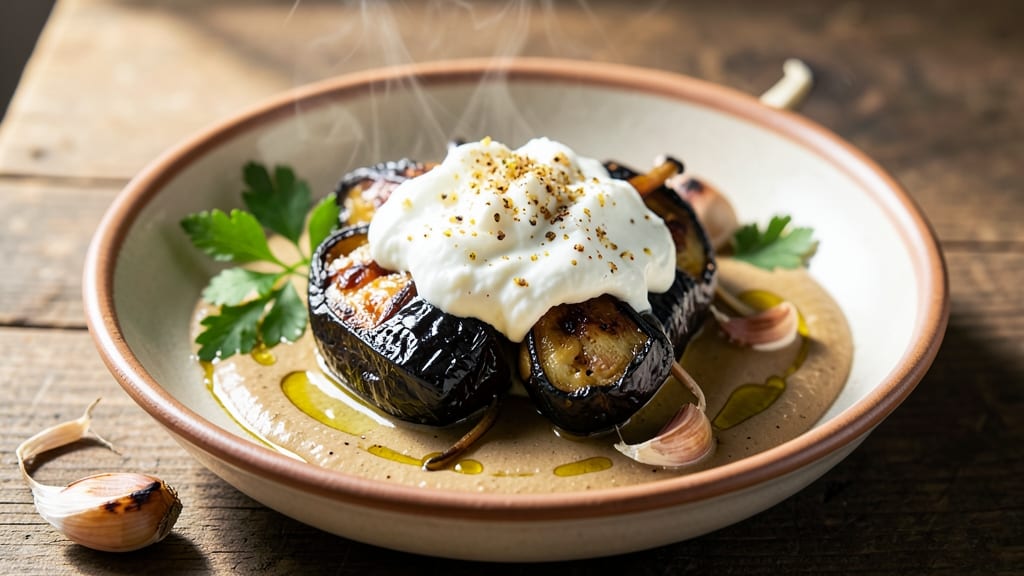
This Basbaas sauce recipe transforms simple ingredients into a velvety, aromatic condiment that bridges Middle Eastern comfort and bold flavors. The secret lies in roasting eggplant until tender yet firm, then blending it with tahini, garlic, and yogurt to create a creamy, tahini-rich sauce with subtle smokiness.
What makes it special? The balance of tangy lemon, fresh herbs, and the earthy depth of tahini—perfect for drizzling over grilled meats, dipping crispy pita, or elevating mezze platters.
The preparation is straightforward but requires patience: roasting the eggplant until caramelized (not mushy) ensures the sauce has that signature silky texture without bitterness. A splash of lemon brightens the richness, while parsley and mint add freshness that cuts through the tahini’s intensity.
Unlike store-bought versions, this recipe delivers authentic depth—no additives, just pure, restaurant-quality flavor.
Once blended, the sauce mellows as it sits, allowing flavors to meld into a harmonious dip or marinade. It keeps for 2–3 days in the fridge, making it ideal for meal prep.
The versatility is its strength: use it as a cooling contrast to spicy dishes, a binding sauce for kebabs, or a dipping sauce for roasted vegetables. Every spoonful delivers a symphony of textures—creamy, smooth, and just slightly smoky.
For best results, let the sauce sit for 30 minutes before serving to deepen the flavors. Adjust the lemon to taste—some prefer it zesty, others mellow. This isn’t just a condiment; it’s a flavor booster that turns ordinary meals into something extraordinary. Ready to make it?
Ingredients for basbaas sauce
Roasted eggplant and tahini create this velvety sauce with Middle Eastern depth and creamy texture.
| Ingredient | Amount | Notes |
|---|---|---|
| Medium Eggplant 🍆 | 2 whole | Organic preferred, skin-on for texture |
| Tahini 🥜 | ½ cup | Sesame paste, 100% sesame seeds |
| Plain Greek Yogurt 🍶 | ½ cup | Full-fat for creaminess, unsweetened |
| Garlic Cloves 🧄 | 4 cloves | Freshly peeled, roasted with eggplant |
| Extra-Virgin Olive Oil 🫒 | ¼ cup | Light fruity variety for balance |
| Fresh Lemon Juice 🍋 | 2 tbsp | Freshly squeezed, strained |
| Fresh Parsley 🌿 | ¼ cup | Chopped, stems removed, flat-leaf |
| Fresh Mint Leaves 🌱 | 0.2 cup | Chopped, tender stems included |
| Ground Cumin 🌿 | ½ tsp | Toasted for deeper aroma |
| Sea Salt 🧂 | ½ tsp | Fine grain, Diamond Crystal preferred |
The eggplant is the sauce's foundation—organic, medium-sized with vibrant purple skin ensures optimal flavor. Whole Foods or local markets carry the best quality, though any grocery store's produce section works. Roast until caramelized but not mushy; the skin should collapse slightly when pressed. Tahini quality matters too—Kirkland Signature or Soom brands deliver consistent texture. For the yogurt, Fage 5% or Siggi's provide that perfect balance of creaminess without overpowering the tahini's earthiness. The garlic should be roasted alongside the eggplant—this sweetens the flavor and prevents bitterness in the final blend.
No tahini? Substitute with 1/4 cup extra olive oil plus 1 tbsp tahini-free sesame paste, though the texture will differ slightly. Fresh herbs wilt fast—dried parsley or mint at 1/4 the amount works in a pinch, but fresh delivers that bright, vibrant note. The lemon juice is non-negotiable for acidity; Meyer lemons add subtle sweetness if you prefer. For a smokier profile, add 1/4 tsp smoked paprika to the roasting eggplant. The cumin is subtle but essential—toast the seeds whole in a dry pan before grinding for maximum aroma. If you're sensitive to sesame allergens, use sunflower seed butter as a substitute, though the flavor will differ.
Store the sauce in an airtight container with a thin layer of olive oil on top to preserve freshness. Keeps for 3 days in the fridge, though flavor deepens after 24 hours of resting. For longer storage, freeze in ice cube trays—thaw overnight in the fridge. The sauce thickens when chilled, so add 1-2 tbsp water when reheating. Portion into small containers for easy use with grilled meats or mezze platters. Always taste before serving—adjust lemon or salt to balance the tahini's richness.
Why You'll Love This Recipe
- No Charred Skin Struggles: I’ve burned eggplant before—this method saves me from that. Just slice, salt, and let it drain while you mix the tahini and yogurt. No peeling, no stress, just silky texture every time.
- Rich Without Overpowering: That tahini-yogurt blend? It’s the star—creamy but not heavy, nutty but not bitter. The roasted eggplant adds depth, and the garlic? Just enough to make your taste buds notice, not scream.
- Dip, Swirl, Repeat: Use it as a dip with pita, swirl it into soups, or drizzle it over grilled meats. Honestly, I’ve even spooned it straight from the jar. It’s that good, and it works for breakfast, lunch, or a late-night snack.
- Budget-Friendly Luxury: Eggplant’s cheap, tahini’s a pantry staple, and Greek yogurt stretches further than you’d think. I’ve made this for 6 people for under $10—feels fancy, costs next to nothing, and lasts in the fridge for days.
Step-by-step instructions for Basbaas sauce
Transform simple ingredients into a velvety, aromatic sauce with this precise technique.
Roast the Eggplant Until Tender
Preheat your oven to 425°F and line a baking sheet with parchment paper. Pierce the 2 whole medium eggplant in several places with a fork to allow steam to escape. Place them directly on the baking sheet and roast for 45-50 minutes, turning occasionally, until the skin is completely charred and the flesh collapses easily when pressed with a fork.
This roasting method develops deep, smoky flavors while keeping the eggplant tender enough to blend smoothly. I like to leave the skin on during roasting—it adds texture and prevents the sauce from becoming too watery. Once fully roasted, transfer the eggplant to a bowl and let it steam for 10 minutes before peeling. The residual heat will make the skin slip right off, revealing creamy flesh underneath.
Prepare the Garlic and Tahini Base
While the eggplant roasts, heat 2 tablespoons of the extra-virgin olive oil in a small saucepan over medium-low heat. Add the 4 peeled garlic cloves and toast them for 1-2 minutes until fragrant but not browned. Immediately transfer the garlic to a blender or food processor.
In the same saucepan, reduce heat to low and add the 0.5 cup tahini. Whisk continuously for 2-3 minutes until it becomes smooth and glossy. This step is crucial—tahini can be thick and grainy, but proper heating transforms it into a silky base. Let it cool slightly before adding to the blender.
Blend the Sauce Components
Add the roasted eggplant flesh (peeled and scooped from the skins), toasted garlic, and 0.5 cup plain Greek yogurt to the blender. Pulse a few times to break everything down, then blend on high for 1-2 minutes until completely smooth. The sauce should be thick but pourable—like a rich, creamy dip.
With the blender running, slowly drizzle in the remaining 0.25 cup extra-virgin olive oil to emulsify the sauce. This creates that signature velvety texture. Taste and adjust seasoning with 0.5 teaspoon ground cumin and 0.5 teaspoon sea salt, adding them one at a time. The cumin should add warmth, while the salt enhances all the flavors without overpowering.
Finish with Fresh Herbs and Acid
Transfer the blended sauce to a clean bowl and stir in the 0.25 cup chopped fresh parsley and 0.2 cup chopped fresh mint leaves. These herbs add brightness and freshness that balance the richness. Let the sauce sit at room temperature for 10 minutes to allow the flavors to meld.
Just before serving, stir in the 2 tablespoons fresh lemon juice. This final step brightens the sauce and cuts through any heaviness from the tahini. The sauce should be thick enough to coat the back of a spoon but still flow smoothly. For best results, serve immediately over grilled meats, in wraps, or as a dip with warm pita bread.
Pro Tips For Making Basbaas Sauce
- CHAR THE EGPLANT RIGHT: Roast the eggplant at 425°F (220°C) for 40-45 minutes until the skin collapses and the flesh is mushy—not just soft. I used to pull it too soon, and the sauce ended up grainy. A fork should slide through it like butter when it’s done.
- SALT THE GARLIC: Toss your minced garlic with a pinch of salt before cooking—it prevents burning and mellows the sharpness. I learned this after one batch tasted like raw garlic had been hit with a hammer. Works for sautéing or roasting.
- WHISK THE TAHINI: Thin the tahini with warm water (not hot) while whisking vigorously to avoid lumps. Cold tahini turns into glue; warm water blends it smoothly. Add it to the yogurt mixture gradually—start with 2 tablespoons and adjust.
- STRAIN THE YOGURT: Drain the Greek yogurt in a cheesecloth for 10-15 minutes before mixing. The extra moisture makes the sauce thin and watery. It’s a pain, but the result is a thick, velvety texture that clings to everything. (Yes, even if you’re impatient like me.)
Perfect pairings for basbaas sauce
Grilled Meats
Basbaas sauce shines as a cooling contrast to smoky, charred meats like grilled lamb chops or kebabs. Drizzle it generously over 6-8 oz of marinated lamb before serving to balance the richness with its creamy, herby depth.
I love pairing it with garlic-marinated lamb chops at 425°F for 12-15 minutes—the sauce cuts through the fat beautifully. For extra authenticity, serve with warm pita bread and hummus for scooping up any leftover drizzle. 🔥
Crispy Pita Dips
Transform this sauce into the star of your mezze spread by serving it as a dip with warm, toasted pita triangles. The creamy texture pairs perfectly with the crunch of homemade pita baked at 375°F for 8-10 minutes.
For a restaurant-style presentation, arrange the pita in a circular pattern on a platter and drizzle the sauce in the center. Add chopped cucumbers and radishes for extra freshness and crunch. Trust me, this is a crowd-pleaser at any gathering. ✨
Roasted Vegetable Elevator
Use Basbaas sauce to elevate simple roasted vegetables like eggplant, zucchini, and bell peppers. Toss 2 cups chopped vegetables with 1 tbsp olive oil, ½ tsp cumin, and ¼ tsp salt, then roast at 400°F for 20-25 minutes.
Drizzle with the sauce before serving to add a creamy, tangy finish. The tahini and lemon brighten the natural sweetness of the veggies, making them irresistible. 🌱
Wraps and Sandwiches
Spread a generous layer of Basbaas sauce on lavash or flatbread wraps before adding grilled chicken, shredded lettuce, and sliced tomatoes. The sauce acts as a flavorful binder, keeping everything moist and delicious.
For a Mediterranean twist, add crumbled feta cheese and olives. Roll tightly and serve with a side of tzatziki for dipping. This combo is perfect for a quick, satisfying lunch. 💛
Dipping Sauce
This sauce is a game-changer for dipping vegetable sticks, falafel, or even crispy falafel balls. Serve it chilled in a small bowl with a drizzle of olive oil on top for extra richness.
The balance of tahini, yogurt, and herbs makes it irresistibly smooth and flavorful. I love keeping a small jar of this sauce in my fridge for spontaneous snacking—it’s always a hit with guests. 💡
Nutrition facts
Frequently asked questions
Can I make Basbaas sauce without tahini?
Yes, but the texture and flavor will change. Replace the 0.5 cup tahini with 0.25 cup extra olive oil plus 1 tbsp tahini-free sesame paste (if available). For a completely tahini-free version, use 0.5 cup Greek yogurt plus 2 tbsp olive oil, but the sauce will be lighter and less rich.
How do I fix a sauce that's too thick or too thin?
Too thick? Thin with 1-2 tbsp water or lemon juice while blending. Too thin? Simmer uncovered for 3-5 minutes to reduce, or stir in 1 tbsp tahini to thicken. Always adjust gradually to maintain balance.
Can I use store-bought Basbaas sauce instead of making it?
While convenient, homemade sauce delivers deeper flavor and fresher ingredients. Store-bought versions often contain preservatives and lack the smoky depth from roasted eggplant. For a shortcut, blend 0.5 cup Greek yogurt + 2 tbsp tahini + 1 tbsp lemon juice + herbs—it's a decent substitute.
Why does my sauce taste bitter?
Over-roasted eggplant or unripe garlic causes bitterness. Roast eggplant until tender (not mushy) and toast garlic just until fragrant. Add 1 extra tbsp lemon juice or a pinch of sugar to balance. For next time, use fully ripe eggplant and roast at 400°F instead of higher heat.
What's the best way to store leftover sauce?
Transfer to an airtight container with a thin layer of olive oil on top to preserve freshness. Keeps for 3 days in the fridge. For longer storage, freeze in ice cube trays—thaw overnight in the fridge. The texture may separate slightly when frozen; stir well before using.