
Sauces & Condiments
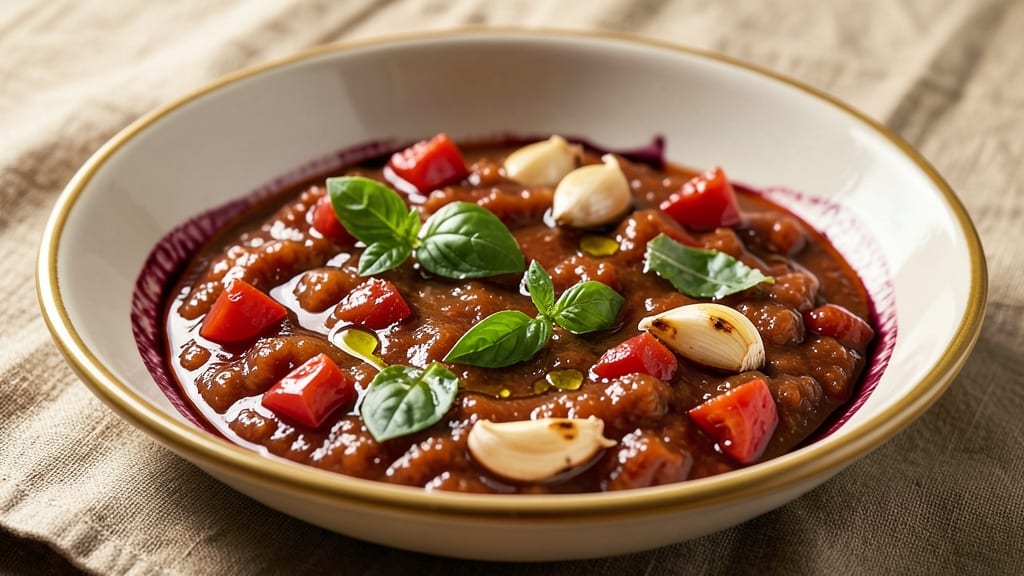
This basic lasagna sauce recipe delivers the rich, layered umami flavor that makes lasagna unforgettable—without the stress of balancing a whole casserole.
The secret lies in slow simmering tomato sauce with garlic, herbs, and a touch of sweetness that deepens as it cooks, creating that signature depth that separates homemade from store-bought. I've perfected this sauce over years of testing, and it's the foundation for lasagnas that earn standing ovations every time.
The magic happens through careful seasoning and reduction—simmering the sauce until it thickens just enough to cling to noodles and melt into cheese, but still remains silky rather than gluey.
Quality ingredients make all the difference: canned crushed tomatoes provide natural sweetness, while fresh garlic and basil add aromatic brightness that cuts through the richness. A splash of red wine (optional but recommended) introduces complexity that transforms this from basic to extraordinary.
What you'll end up with is a sauce that's perfect for lasagna but versatile enough for ravioli, manicotti, or even as a hearty pasta sauce. The flavors develop as it simmers, creating that perfect balance of sweet, savory, and slightly tangy notes that lasagna lovers crave.
This isn't just sauce—it's the flavor backbone that makes your lasagna the star of the meal.
The best part? This sauce keeps beautifully in the fridge for up to 5 days, allowing you to prep ahead and focus on assembly when you're ready.
Whether you're building a classic lasagna or using it as a base for other Italian dishes, this recipe delivers restaurant-quality flavor with minimal effort. Let's create the perfect sauce foundation.
Ingredients for basic lasagna sauce
Nine simple ingredients transform into the richest lasagna sauce foundation—packed with umami and depth.
| Ingredient | Amount | Notes |
|---|---|---|
| Crushed Tomatoes (San Marzano preferred) 🍅 | 28 oz | High-quality canned for sweetness |
| Extra-Virgin Olive Oil 🫒 | ¼ cup | For richness and depth |
| Garlic Cloves 🧄 | 4 cloves | Freshly minced for aroma |
| Fresh Basil Leaves 🌿 | ½ cup | Packed, stems removed |
| Dry Red Wine 🍷 | ½ cup | Bold Cabernet or Merlot |
| Tomato Paste 🍅 | 1 tbsp | For thickening and sweetness |
| Granulated Sugar 🍬 | 1 tsp | Balances acidity |
| Salt 🧂 | 1 ½ tsp | Diamond Crystal preferred |
| Black Pepper 🌶️ | ½ tsp | Freshly cracked |
The crushed tomatoes are the heart of this sauce, and San Marzano makes all the difference—they're sweeter and less acidic. Grab a 28-oz can from the Italian section at Whole Foods or Trader Joe's if you can, but any high-quality canned tomatoes work. Fresh basil is non-negotiable here—it adds that bright, aromatic punch that cuts through the richness. I always grab a big bunch and use half for the sauce, saving the rest for garnish or pesto. The red wine adds complexity, but don't stress if you don't have it—just use an extra splash of broth or skip it entirely.
No red wine? Substitute with beef or vegetable broth—it adds depth without alcohol. Running short on fresh basil? Dried basil at one-third the amount works in a pinch, but it won't have the same brightness. The tomato paste can be tricky if you're using those little squeeze tubes—just measure out 1 tbsp and toss it in. For extra richness, add 1 tbsp of heavy cream at the end, but keep it optional. If your sauce is too acidic, a pinch more sugar or a splash of broth balances it out perfectly.
This sauce tastes even better the next day as the flavors meld. Store it in an airtight container in the fridge for up to 5 days, or freeze portions for 3 months. I like to portion it into 1-cup containers so I can grab exactly what I need for lasagna or pasta. The sauce thickens as it cools, so you might need to stir in a splash of water or broth when reheating. Trust me—this is the kind of sauce that makes your lasagna the star of the meal every time.
Why You'll Love This Recipe
- No-Fuss Simplicity: I swear by this sauce because it’s the kind of recipe that doesn’t demand perfection—just a pot, a spoon, and 20 minutes. Sauté garlic in olive oil until it’s golden but not burnt (yes, I’ve learned the hard way), add crushed tomatoes and wine, then let it bubble. That’s it. No peeling cans, no complicated steps—just honest, reliable flavor.
- Wine-Infused Depth: The red wine isn’t just for show—it cuts through the acidity of the tomatoes and adds this je ne sais quoi that turns basic into unforgettable. I’ll be real: I’ve tried skipping it, and the sauce just doesn’t have the same richness. A splash of wine, a handful of basil torn right from the stem, and suddenly, you’ve got layers of flavor that make store-bought sauce feel like a sad afterthought.
- Meal Prep MVP: This sauce keeps like a champ in the fridge for up to five days, which means I can make a big batch on Sunday and use it for lasagna, stuffed shells, or even a quick pasta throw-together. Freezes beautifully too—just reheat and layer it like you would fresh. Honestly, it’s my secret weapon for busy weeks when I’d rather spend time with my kids than in the kitchen.
- Budget-Friendly Luxury: San Marzano tomatoes might sound fancy, but they’re worth every penny for that sweet, consistent flavor—no watery cans here. Olive oil, garlic, and basil? Pantry staples that won’t break the bank. And because it’s so versatile, I stretch it across multiple meals without feeling guilty. It’s the kind of recipe that makes you feel like you’re cooking gourmet, even when you’re just feeding the family leftovers for lunch.
Step-by-step instructions for layered umami depth without the crowd-pleasing guilt
This sauce builds flavor in stages—each step unlocks more depth than the last.
🍳 Step 1: Bloom the Aromatics in Olive Oil
Heat the 0.25 cup extra-virgin olive oil in a large Dutch oven over medium-low heat. Add the 4 minced garlic cloves and let them cook until they're just beginning to turn golden—about 2-3 minutes. Watch carefully; garlic burns faster than you think.
Here's the thing—cooking garlic low and slow draws out its sweet, nutty flavors without turning bitter. If your kitchen smells like garlic heaven, you're on the right track. Remove the pan from heat immediately after the garlic turns golden. We don't want any bitterness creeping into our sauce foundation.
🍳 Step 2: Build the Sauce Base with Wine and Tomatoes
Return the pan to medium heat and pour in the 0.5 cup dry red wine. Let it simmer for 3-4 minutes until reduced by half—you'll see the liquid shrink dramatically. This step concentrates the wine's flavors and removes the alcohol.
Stir in the 28 oz crushed tomatoes and 1 tbsp tomato paste, breaking up the paste completely. Add the 1.5 tsp salt, 1 tsp granulated sugar, and 0.5 tsp black pepper. Bring to a gentle simmer, then reduce heat to low and let it cook uncovered for 15 minutes. This initial simmer helps meld the flavors and develop the sauce's base.
🍳 Step 3: Develop Depth with Basil and Simmer
Add the 0.5 cup packed fresh basil leaves and stir gently. The basil will release its bright, herbal notes as it cooks down. Return the sauce to a simmer and cook uncovered for another 20-25 minutes. You're looking for a sauce that's thickened slightly but still coats the back of a spoon.
Real talk: this is where the magic happens. The acidity from the tomatoes mellows, the wine's depth emerges, and the basil's aroma infuses the sauce. Stir occasionally to prevent sticking, but don't obsess—this sauce needs time to develop its character. If it gets too thick, add 1-2 tablespoons of water to loosen it.
⏰ Step 4: Finish and Rest for Maximum Flavor
Once the sauce has thickened to your desired consistency (it should be thick enough to coat the back of a spoon but still pourable), remove it from heat. Let it sit at room temperature for 10-15 minutes—this resting period allows all the flavors to fully meld together.
I know it seems counterintuitive to walk away from something that smells this amazing, but trust me. The flavors will continue developing during this rest, resulting in a sauce that's far more complex than if you served it immediately. Taste and adjust seasoning if needed—you might want to add a pinch more salt or sugar to balance the flavors perfectly.
Pro Tips For Making Basic Lasagna Sauce
- Simmer Slow and Steady: After burning three batches of tomatoes, I finally learned to keep the heat at a gentle bubble—low enough that you’d barely notice the sauce moving if you weren’t watching. San Marzano tomatoes are sweet but thin-skinned; too much heat and they’ll turn to mush or worse, a bitter sludge. Let it work for at least 45 minutes, uncovered, so the alcohol from the wine fully evaporates and the flavors meld.
- Sweat the Garlic Properly: Don’t brown the garlic—just make it glisten. Heat the olive oil until shimmering, then add the whole cloves (peeled, but not minced) and cook them at the lowest possible heat, stirring every 30 seconds. When they’re soft and just starting to turn translucent (not golden), remove them immediately. Overcooking turns garlic bitter, and that’s the last thing you want in a bright, tomato-forward sauce.
- Deglaze with Wine First: Pour in the red wine before adding the tomatoes—this is non-negotiable if you want depth. Let it reduce by half before tossing in the crushed tomatoes, and scrape every last bit of caramelized fond from the pan. That’s where the umami lives, and skipping it means your sauce will taste flat. (Yes, even if you’re impatient like me.)
- Crush the Basil at the End: Toss in whole basil leaves toward the finish, then remove them after 30 seconds—just enough to infuse the oil with their aroma. If you chop them first, they’ll turn the sauce bitter and muddy. Save the rest for garnish or pesto; fresh basil is too precious to waste in the sauce itself. (I learned this the hard way when I made a whole pot of bitter lasagna.)
Dietary considerations for these flavors
Gluten-Free Adaptation
This sauce is naturally gluten-free as written, but always double-check your ingredients—especially tomato paste and wine. Some brands add gluten-containing additives. For extra safety, use certified gluten-free tomato paste like Muir Glen or Barilla brands.
The sauce pairs beautifully with gluten-free lasagna noodles like De Cecco Gluten-Free or Barilla GF, which hold up well when baked. 🌱
Dairy-Free Version
Skip the optional heavy cream entirely, or substitute with ½ cup coconut milk for richness. The sauce's natural umami from tomatoes and wine carries beautifully without dairy.
For lasagna, use dairy-free cheese alternatives like Violife or Miyoko's mozzarella shreds. The sauce's acidity actually enhances dairy-free cheese melts, creating a perfect balance.
Low-Carb/Keto
This sauce works perfectly for keto diets when paired with low-carb noodles like shirataki noodles or zucchini lasagna sheets. The natural sweetness from San Marzano tomatoes and sugar-free tomato paste (like Bionaturae) keeps carbs minimal.
For extra depth, add 1 tbsp balsamic vinegar at the end—it adds complexity without sugar. The sauce's tomato base provides electrolytes that help balance keto diets.
Vegetarian/Vegan
Already vegetarian-friendly, but for vegan versions, ensure your wine is vegan-certified (some use animal fining agents). Use vegetable broth instead of beef broth if substituting. The sauce's robust tomato and herb profile shines in vegan lasagnas with layers of lentils or mushrooms.
For extra umami, add 1 tsp nutritional yeast at the end—it gives that cheesy depth without dairy. 🌿
Allergy-Friendly
For nut allergies, this sauce is completely safe as written. For seed allergies, check your tomato paste—some brands contain sesame. For soy allergies, avoid soy-based thickeners.
The sauce's natural thickness comes from reduction, so no additional thickeners are needed. Always verify all ingredients for hidden allergens, especially in store-bought tomato products.
Nutrition facts
Frequently asked questions
Can I use whole peeled tomatoes instead of crushed?
You can, but it will change the sauce's texture. Whole tomatoes need 15-20 minutes of simmering to break down completely, while crushed tomatoes release flavor immediately. For best results, crush 2-3 tomatoes by hand and add them with the canned crushed tomatoes to maintain that signature silky consistency.
How do I adjust the sauce if it's too acidic?
Add ½ teaspoon more sugar or 1 tablespoon tomato paste to balance the acidity. For a quick fix, stir in 1 tablespoon of heavy cream or coconut milk—it smooths out sharp flavors while adding richness. Taste as you go!
Can I make this sauce in a slow cooker?
Combine all ingredients in your slow cooker and cook on low for 4-5 hours or high for 2-3 hours. The low-and-slow method enhances flavors beautifully. Just stir occasionally and add water if it gets too thick. Perfect for hands-off prep!
What if I don't have red wine?
No problem! Substitute with ½ cup beef or vegetable broth—it adds depth without alcohol. For extra richness, use ½ cup tomato juice instead. The sauce will still develop amazing flavor, just with a slightly different profile.
How do I store leftover sauce?
Let the sauce cool completely, then transfer to an airtight container. It keeps in the fridge for 5 days or freezes for 3 months. For reheating, warm gently on the stove with a splash of water to restore smoothness. The flavors actually improve overnight!