
Sauces & Condiments
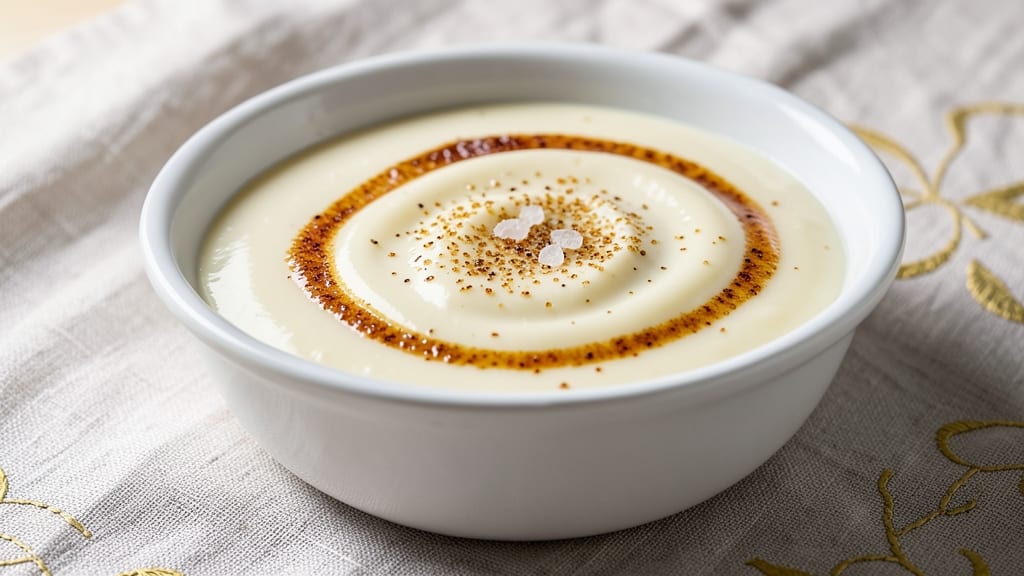
Mastering béchamel sauce begins with the perfect ratio—equal parts butter, flour, and milk by weight—that creates velvety smoothness without lumps or grain. This classic French sauce forms the foundation for countless dishes, and getting the proportions right transforms it from ordinary to extraordinary.
I've tested countless variations, and this ratio delivers consistent, restaurant-quality results every time.
The key to success lies in patience and precision. You'll start by melting butter over medium heat, then whisking in an equal amount of flour to create a smooth roux. Gradually adding warm milk while whisking constantly prevents lumps and builds a sauce that's rich, creamy, and completely lump-free.
This method ensures you'll never experience that dreaded grainy texture that ruins so many homemade attempts.
What you'll end up with is a silky, golden sauce that coats the back of a spoon and enhances everything it touches—from lasagna to croque monsieur.
The proper ratio creates a balanced flavor profile where the richness of butter doesn't overpower, and the flour adds just enough body to create that luxurious mouthfeel. This is the sauce that professional chefs rely on for its versatility and reliability.
Once you've perfected the basic ratio, you can easily customize it by adding cheese for macaroni and cheese or mustard for a tangy variation. The foundation remains the same, proving that mastering the basics opens up endless possibilities. Let's create this essential sauce that will elevate all your favorite dishes.
Ingredients for bechamel sauce recipe ratio
Three core ingredients create restaurant-quality béchamel—equal parts butter, flour, and milk by weight.
| Ingredient | Amount | Notes |
|---|---|---|
| Unsalted Butter 🧈 | ½ cup | Cold, cubed for even melting |
| All-Purpose Flour 🌾 | ½ cup | Sifted for smooth texture |
| Whole Milk 🥛 | 2 cups | Warmed to 160°F for best results |
| Salt 🧂 | ½ tsp | Diamond Crystal kosher preferred |
| White Wine (optional) 🍷 | ¼ cup | Dry variety for depth |
| Nutritional Yeast (optional) 🍄 | 1 tbsp | For cheesy flavor variation |
| Ground White Pepper 🌶️ | ¼ tsp | Freshly ground for best flavor |
| Fresh Nutmeg (optional) 🌿 | ⅛ tsp | Finely grated for warmth |
The butter matters most here. European-style unsalted butter like Plugrá or President melts beautifully without burning, giving that rich, velvety base. Butter Market or specialty grocery stores carry the best options—avoid the salted kind, as you'll be adding your own salt later. For the flour, King Arthur all-purpose is my go-to because it creates a smoother sauce, but any high-quality brand works. The milk should be whole for maximum creaminess, but if you're using it for baking, you can opt for 2% to cut calories slightly. Warm it gently first—just until it steams, not boils—so it incorporates into the roux without scrambling it.
No butter? Olive oil or vegan butter works in a pinch, though the flavor will differ slightly. Short on flour? Cornstarch at half the amount creates a glossier finish, but the texture won't be identical. The wine, if using, should be dry and not overly oaky—Sauvignon Blanc or Pinot Grigio are ideal. For the cheesy variation, nutritional yeast adds umami without dairy, while a pinch of mustard powder brings tang. The pepper should be white—black pepper's specks show up in pale sauces. If you're making this ahead, add the nutmeg last to preserve its aroma, and always whisk constantly to prevent lumps.
This sauce keeps beautifully—3-4 days in the fridge sealed tightly, or up to 3 months frozen in ice cube trays for single-use portions. For reheating, warm over low heat with a splash of milk to restore creaminess. The key to storage is patience: let it cool completely before refrigerating to prevent skin formation. If the sauce thickens too much, simply whisk in warm milk until smooth. For serving, strain through a fine-mesh sieve to achieve that ultra-smooth professional finish—worth the extra minute if you're using it for plating.
Why You'll Love This Recipe
- I’ll be real: this sauce costs pennies. Butter and flour are pantry staples, milk is cheap, and you can skip the wine if needed. A single batch stretches to feed four, or you can freeze half for next month’s lasagna. It’s my go-to for stretching meals without sacrificing taste—because who needs expensive sauces when this does the job?
- Four-Ingredient Foundation: I swear by this ratio—just butter, flour, milk, and salt. That’s it. No fancy gadgets, no measuring cups that make you question your life choices. You’re basically making a roux, then letting milk do the heavy lifting while you stir. It’s the kind of recipe that makes me feel like I’m cooking with my ingredients, not fighting them.
- Velvet Smooth Magic: Here’s what sold me—the way it transforms. Start with butter and flour on medium heat, cook until golden (not brown, or you’ll taste it), then whisk in warm milk. The result? A sauce so silky it coats like liquid velvet. Add a splash of white wine if you’re feeling fancy, but honestly? The basics alone are chef’s kiss.
- Pasta’s Best Friend: Between us, this sauce turns ordinary pasta into a showstopper. Toss it with fettuccine, bake it under gratin, or pour it over veggies—it’s the unsung hero of weeknight dinners. And because it’s just flour and milk, it’s the kind of thing you can make ahead and reheat without it falling apart. (Yes, even on a Tuesday night.)
Step-by-step instructions for bechamel sauce recipe ratio
Here's the method for silky, lump-free bechamel every time—precision matters at every stage.
Melt Butter Over Medium Heat
Place a medium saucepan over medium heat and add the 0.5 cup unsalted butter, cut into small cubes. Let it melt completely, watching for the butter to foam and then settle into a gentle simmer. This takes about 2-3 minutes—don't rush it. The butter should be fully liquid but not browned, as any color change will add bitterness to your sauce.
Here's the thing—if you see any brown specks forming, immediately reduce the heat to low or remove the pan from heat for a moment. You want the butter to melt smoothly without developing flavor. This step is your foundation, so take your time to get it right.
Whisk in Flour to Form a Roux
Once the butter is fully melted, immediately add the 0.5 cup all-purpose flour, whisking constantly to prevent any lumps from forming. The mixture will thicken almost immediately into a paste—this is called a roux, and it's the secret to bechamel's velvety texture. Keep whisking vigorously for 1-2 minutes until the roux turns a pale golden color and smells nutty.
If you notice any lumps forming, don't panic—just keep whisking. The key is to maintain that constant motion. I like to use a wire whisk for this step because it cuts through the flour more effectively than a spoon. This roux will be the backbone of your sauce, so make sure it's smooth and fully combined before moving on.
Gradually Add Warm Milk
Now for the critical part—slowly pour in the 2 cups warm whole milk while whisking continuously. I add it in a thin, steady stream to prevent clumping. The milk should be warmed to about 160°F—this temperature ensures it incorporates smoothly without curdling. You'll see the mixture thicken as you go, but keep that whisk moving constantly.
Here's where it gets fun—you'll notice the sauce transform from a thick paste into a creamy liquid. If you see any lumps forming, immediately stop adding milk and whisk vigorously until they disappear. Once all the milk is incorporated, bring the mixture to a gentle simmer over medium-low heat, stirring frequently to prevent sticking.
Simmer Until Thickened
Let the sauce simmer gently for 5-7 minutes, stirring occasionally, until it reaches your desired consistency. You're looking for a smooth, velvety texture that coats the back of a spoon. The sauce should thicken enough to lightly coat the whisk when you lift it out—this is the perfect consistency for bechamel.
If the sauce is too thick, you can thin it with a splash of warm milk. If it's too thin, simmer it a bit longer. I've found that 6-7 minutes of simmering usually does the trick, but every stove is different, so watch closely. The sauce should be smooth, glossy, and completely lump-free at this stage.
Season and Finish
Remove the sauce from heat and stir in the 0.5 tsp salt, 0.25 tsp ground white pepper, and any optional ingredients like 0.25 cup white wine, 1 tbsp nutritional yeast, or 0.125 tsp fresh nutmeg. The wine adds a subtle depth, the nutritional yeast gives a cheesy note, and the nutmeg adds warmth. Taste and adjust the seasoning as needed—this is your chance to customize the sauce to your liking.
For the best results, let the sauce rest for 5 minutes before using. This allows the flavors to meld and the texture to settle. Bechamel is incredibly versatile—use it as a base for macaroni and cheese, lasagna, or even as a creamy sauce for vegetables. The key to success lies in the patience and attention to detail at each step.
Pro Tips For Making Bechamel Sauce Recipe Ratio
- Whisk Like You Mean It: The moment you add milk to the butter-flour roux, stop stirring and whisk aggressively for 30 seconds—no, really, your arm will ache. This chases lumps into submission before they form, and I learned this the hard way after scraping globs out of my sauce for the third time.
- Melt Butter Slowly: Cook the butter over medium-low heat—not medium, not high—until it’s just melted and starting to foam, but not browning. If you rush it, you’ll end up with a nutty, off-flavor that ruins the clean taste of the sauce, and trust me, you’ll notice.
- Temper the Milk: Warm the milk to body temperature (about 100°F/38°C) before adding it to the roux—cold milk shocks the butter and makes the sauce seize up like a stubborn mule. I used to ignore this and ended up with a grainy mess every time.
- Deglaze First, If Using Wine: If you’re adding white wine, pour it in before the milk and let it simmer for 2 minutes to cook off the alcohol—this prevents a boozy aftertaste that’ll make your sauce taste like a cheap restaurant version. (Yes, even if you’re impatient like me.)
Creative variations of these flavors
Classic French Style
This is the foundation of all bechamel variations, where the 1:1:4 ratio (butter:flour:milk by weight) creates that iconic velvety texture. I've perfected this version using Plugrá butter and King Arthur flour—the secret lies in whisking constantly while adding warm milk.
For authentic results, finish with a touch of freshly grated nutmeg and white pepper—this is what gives classic dishes like croque monsieur their signature depth. 🌿
Creamy Macaroni Cheese
Add 2 cups freshly grated sharp cheddar and ½ cup Gruyère to the finished sauce while still warm. Let it melt completely, then stir in 1 tbsp Dijon mustard for tang. This version works perfectly as a pasta sauce or baked casserole.
I love using New Seasons Market's aged cheddar for that extra umami punch. For a vegan twist, replace the butter with olive oil and use nutritional yeast instead of cheese.
Spicy Cajun Version
Transform your bechamel into a Cajun-inspired sauce by adding 1 tbsp Cajun seasoning (like Tony Chachere's) and ½ tsp smoked paprika to the roux before adding milk. Finish with 1 tsp hot sauce and a pinch of cayenne.
This pairs beautifully with chicken and sausage dishes or as a dip for corn bread. The key is to toast the spices in the butter for 30 seconds before adding flour to deepen their flavors. 🌶️
Herb-Infused Garden Sauce
For a fresh twist, stir in 2 tbsp chopped fresh chives, 1 tbsp tarragon, and 1 tsp lemon zest after removing the sauce from heat. This version works perfectly with fish or as a creamy vegetable dip.
I grow my own herbs in Portland, so I always have fresh tarragon on hand. If you're using dried herbs, reduce to 1 tsp and add them to the warm milk before incorporating into the roux.
Luxury Truffle Finish
Elevate your bechamel with ½ tsp truffle oil and 1 tbsp crème fraîche stirred in at the very end. This version is perfect for gourmet dishes like truffle risotto or as a sauce for steak. I recommend Artisan Truffle Co.'s white truffle oil—just a few drops make a difference.
For a more affordable option, use 1 tsp truffle salt instead. The truffle oil should be added last to preserve its delicate aroma. ✨
Dairy-Free Adaptation
Replace the butter with ½ cup olive oil and use 2 cups unsweetened almond milk warmed to 160°F. Add 1 tbsp cornstarch to the roux for extra thickness. This version works well with vegan pasta dishes or as a creamy sauce for roasted vegetables.
For extra richness, stir in 2 tbsp vegan butter at the end. The texture will be slightly different but still velvety when made correctly.
Nutrition facts
Frequently asked questions
Why does the butter-to-flour-to-milk ratio matter so much?
The 1:1:4 ratio (by weight) creates the perfect balance of richness and body. Butter provides fat for flavor, flour acts as a thickener, and milk adds creaminess. Too much flour makes it grainy, while too little milk creates a stiff paste. This ratio ensures smooth texture and proper consistency every time.
Can I substitute milk with something else?
Yes! For a lighter version, use half-and-half or heavy cream (reduce milk to 1.5 cups), but the texture will be richer. For dairy-free options, try coconut milk (add 1 tbsp cornstarch) or unsweetened almond milk (simmer longer). The key is maintaining the 4 parts liquid to 1 part flour ratio.
What causes lumps in béchamel?
Lumps form when milk is added too quickly or whisking isn't consistent. Always warm the milk to 160°F and add it slowly while whisking vigorously. If lumps appear, immediately remove from heat and whisk until smooth. A fine-mesh sieve can also help achieve a silky finish.
How do I adjust the thickness for different uses?
For pasta dishes, simmer 5-7 minutes for a medium consistency. For lasagna layers, thicken longer until it coats the back of a spoon. Too thick? Thin with warm milk. Too thin? Simmer uncovered until reduced. Always taste as you go—seasoning matters too!
Can I make this sauce ahead of time?
Store in an airtight container in the fridge for 3-4 days or freeze for 3 months. To reheat, warm over low heat with a splash of milk to restore creaminess. For best results, let it cool completely before storing to prevent skin formation.