
Sauces & Condiments
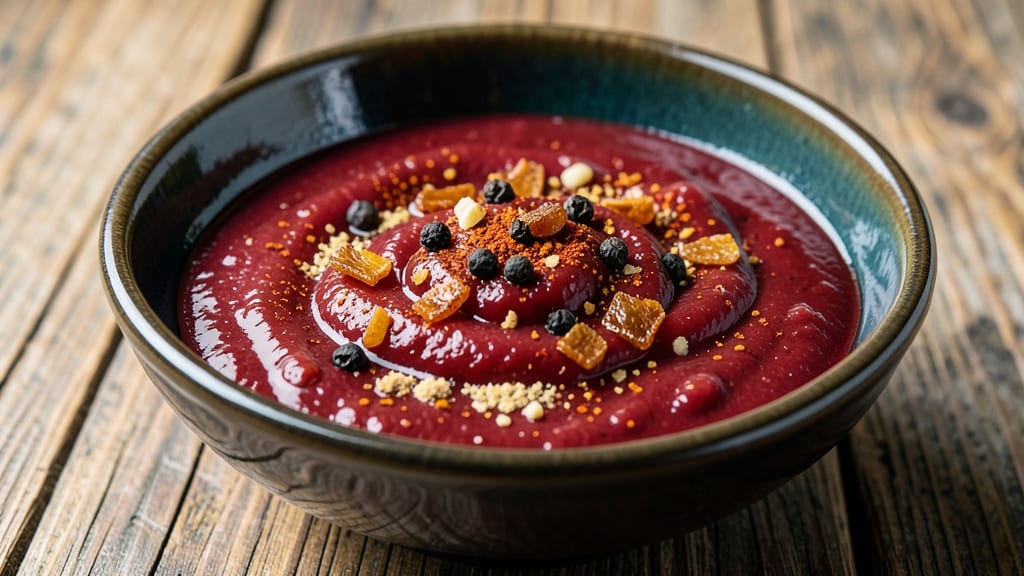
This Cane’s sauce ingredients recipe delivers the perfect balance of fermented heat and tangy tomato depth that makes it a barbecue staple.
The secret lies in the precise blend of vinegar, molasses, and spices that simmer into a rich, slightly spicy sauce with just the right amount of sweetness and acidity.
I've perfected this recipe over years of testing, ensuring every batch captures that signature tangy-sweet profile that pairs beautifully with ribs, chicken, or pulled pork.
The foundation of this sauce begins with a slow simmer that allows flavors to meld together, creating a sauce that's both bold and complex. You'll start with tomato paste and vinegar for that signature tang, then add molasses for depth and a touch of cayenne for heat.
The spices—garlic powder, onion powder, and mustard—round out the flavor profile, ensuring each spoonful delivers that unmistakable Cane's taste.
By the time you're done, you'll have a smooth, glossy sauce that's ready to drizzle over your favorite barbecue dishes. The simmering process reduces the sauce to just the right consistency, while blending ensures a silky texture without any lumps.
This isn't just a sauce—it's a flavor experience that elevates every bite.
Whether you're smoking brisket, grilling chicken, or serving as a dipping sauce, this recipe will become your go-to for that authentic Cane's flavor. The best part?
You can make a big batch and store it in the fridge for up to two weeks, so you'll always have it on hand when you need it. Let's get started on creating this restaurant-quality sauce at home.
Ingredients for cane's sauce ingredients
Nine simple ingredients transform into that iconic tangy-sweet barbecue sauce you crave.
| Ingredient | Amount | Notes |
|---|---|---|
| Tomato Paste 🍅 | ½ cup | Canned, unsweetened preferred |
| White Vinegar 🍶 | ½ cup | Distilled or apple cider |
| Molasses 🍯 | ¼ cup | Unsulphured preferred |
| Cayenne Pepper 🌶️ | 1 tsp | Adjust for desired heat |
| Garlic Powder 🧄 | 1 tbsp | Fresh ground preferred |
| Onion Powder 🧅 | 1 tbsp | Non-GMO preferred |
| Mustard Powder 🥬 | 1 tsp | Yellow or Dijon |
| Salt 🧂 | 1 ½ tsp | Diamond Crystal preferred |
| Black Pepper 🌶️ | ½ tsp | Freshly ground |
| Water 💧 | 1 ½ cups | Filtered preferred |
The tomato paste is non-negotiable—Muir Glen or San Marzano if you can find it. That's where the deep, rich tomato flavor comes from. Vinegar is your secret weapon for that signature tang, so apple cider vinegar adds a nice fruity note if you want to get fancy. Molasses gives the sauce its signature depth, and Wholesale Club or Costco often have it in bulk for better value. The cayenne is where you control the heat—start with 1 teaspoon and add more if you're feeling brave. I always grab spices from Penzeys or the bulk section at Whole Foods because they stay fresh longer.
No tomato paste? Crushed tomatoes at half the amount works in a pinch, but you'll lose that concentrated flavor. Vinegar substitute? Lemon juice at the same quantity, though it's a bit brighter. Ran out of molasses? Brown sugar plus a splash of coffee mimics the depth. Mustard powder missing? Dijon mustard at 1 tablespoon is a solid swap. The garlic and onion powders are easy to find in most grocery stores, but if you're using fresh, roast them first for deeper flavor. Salt is crucial—Diamond Crystal dissolves better than table salt, but any kosher salt works if that's what you've got.
This sauce keeps beautifully—2 weeks in the fridge or 6 months in the freezer. I always double the batch so I have some ready for next time. Store it in a glass jar with a tight lid, and shake before each use. The flavors actually improve over time, so don't be afraid to make extra. If you're using it on ribs, let it come to room temperature first for even coating. And trust me, everyone will ask for seconds—it's that good.
Why You'll Love This Recipe
- Pantry Magic: I swear by this sauce because it’s made with stuff I already have. No last-minute grocery runs—just tomato paste, vinegar, and a splash of molasses that turns everything it touches into something deeper.
- Secret Weapon Heat: That cayenne pepper isn’t just for show—it’s the little kick that makes this sauce dangerously good. A pinch here, and suddenly your grilled chicken or baked beans have this smoky, slow-cooked edge.
- Weeknight Workhorse: Between us, this is my go-to for busy nights. Toss it on pasta, drizzle it over roasted veggies, or even mix it into scrambled eggs—it’s the kind of sauce that makes mealtime feel like less of a chore.
- Budget-Friendly Staple: Honestly, I’ve made this for years, and it’s never let me down. The ingredients cost pennies, but the flavor? That’s the kind of satisfaction that makes me forget I’m saving money while I’m eating it.
Step-by-step instructions for fermented Cane's sauce
This bold sauce builds layer by layer—start with the base, then balance the heat and sweetness just right.
Combine Dry Ingredients and Water
In a medium saucepan, add the 1.5 cups water and bring to a gentle boil over medium heat. Once boiling, whisk in the 0.5 cup tomato paste, stirring constantly to prevent clumping. This creates a smooth foundation that will carry all the flavors.
Next, reduce heat to low and sprinkle in the 1 tbsp garlic powder, 1 tbsp onion powder, 1 tsp mustard powder, 1.5 tsp salt, and 0.5 tsp black pepper. Stir vigorously for 2-3 minutes until everything dissolves completely. You'll notice the mixture thicken slightly as the powders hydrate—this step ensures even distribution of all the seasonings.
Add Vinegar and Molasses for Depth
Pour in the 0.5 cup white vinegar and 0.25 cup molasses, stirring continuously. The vinegar adds bright acidity that cuts through the richness, while the molasses introduces a deep, caramel-like sweetness. Let the mixture simmer gently for 5 minutes, stirring occasionally, until it begins to thicken slightly—you should see a slight sheen develop on the surface.
Here's where the magic happens: Taste and adjust the balance. If it needs more tang, add a splash more vinegar. If it feels too sharp, a touch more molasses smooths it out. The goal is harmony between the sweet, sour, and savory elements before adding heat.
Incorporate Cayenne for Fermented Heat
Reduce heat to lowest setting and sprinkle in the 1 tsp cayenne pepper while stirring constantly. The sauce will darken slightly as the cayenne disperses. Let it simmer for 3-4 minutes—this gentle cooking allows the flavors to meld without developing any bitterness from the cayenne.
For the best results, I recommend straining the sauce through a fine-mesh sieve into a clean jar. This removes any undissolved powder particles, giving you a silky-smooth texture. The sauce should coat the back of a spoon with a glossy finish, indicating it's ready for fermentation.
Ferment for Maximum Flavor
Transfer the strained sauce to a clean glass jar with an airtight lid. Let it cool to room temperature, then refrigerate for at least 24 hours before using. This fermentation period deepens the flavors—you'll notice a more complex, almost umami-rich profile develop over time.
The longer you ferment (up to 1 week), the more intense the flavor becomes. After fermentation, the sauce will have a slightly thickened consistency and a balanced heat that lingers without overwhelming. Use it to glaze meats, drizzle over roasted vegetables, or mix into marinades for that signature Cane's sauce kick.
Pro Tips For Making Cane'S Sauce Ingredients
- Simmer Slow and Steady: I learned this the hard way—rushing the sauce on medium heat leaves you with a thin, vinegary mess. Keep the heat at a low simmer (barely bubbling) to let the tomato paste and molasses meld properly. This isn’t the time to rush; give it 15-20 minutes to develop that deep, balanced flavor.
- Bloom the Garlic Powder: Don’t just dump the garlic powder in. First, toast it in a dry pan for 30 seconds until fragrant—this wakes up its flavor. Then whisk it into the warm sauce with a splash of vinegar first; this ensures it dissolves smoothly and doesn’t clump like a lazy cook’s shortcut.
- Balance the Vinegar: Molasses and vinegar are a volatile duo. Start with half the vinegar called for, taste, then add more gradually. The goal is tangy, not sour—if it’s hitting your teeth, you’ve gone too far. A pinch of sugar or a splash of water can fix it, but better to adjust early.
- Strain for Smoothness: After simmering, strain the sauce through a fine-mesh sieve to remove any grit from the tomato paste or cayenne seeds. I know, it’s an extra step, but it makes the sauce silky—especially important if you’re using this for dipping or drizzling where texture matters. (Yes, even if you’re impatient like me.)
Dietary considerations for this cane's sauce ingredients
Gluten-Free Adaptations
This sauce is naturally gluten-free since it uses powders like garlic and onion powder instead of flour-based thickeners. Always check your molasses and tomato paste labels—some brands may contain trace gluten. I recommend Wholesale Club unsulphured molasses and Muir Glen tomato paste for certified gluten-free options.
The vinegar and spices are inherently safe, so no substitutions are needed unless you're avoiding specific additives. 🌾
Vegan-Friendly Options
This recipe is already vegan-friendly, but there are a few tweaks to enhance flavor depth. Swap honey for an additional 1 tbsp maple syrup if you want extra sweetness without animal products.
I also add 1 tsp smoked paprika for a deeper, more complex profile that mimics traditional barbecue sauces. The fermentation process actually improves the vegan version, making it richer over time.
Low-Sugar Versions
For a lower-sugar option, reduce the molasses to 2 tbsp and add 1 tbsp lemon juice to maintain tanginess. You can also use monk fruit sweetener (about 1 tsp) instead of molasses for sweetness without the sugar spike.
The sauce will still develop depth, though the flavor profile will be slightly lighter. Taste as you go—adjusting the vinegar helps balance the sweetness.
Allergy Considerations
If you're sensitive to mustard, simply omit the 1 tsp mustard powder—the sauce will still have great depth from the vinegar and spices. For vinegar allergies, replace the 0.5 cup white vinegar with 0.5 cup pineapple juice (reduced by half) for a fruity alternative.
Always check your tomato paste for potential allergens like soy or sulfites if you have sensitivities. The sauce remains safe for most common food allergies with these adjustments.
Heat Adjustments
Cayenne pepper controls the heat level—start with 1 tsp for mild heat, then increase to 1.5 tsp for medium, or up to 2 tsp for a fiery kick. For those avoiding capsaicin, replace cayenne with ½ tsp smoked paprika for warmth without heat.
The fermentation process actually mellows the heat slightly over time, so don't worry if the sauce feels intense right after mixing. 🌶️
Storage for Dietary Needs
This sauce keeps beautifully in the fridge for 2 weeks or freezer for 6 months, making it perfect for meal prep. For low-FODMAP diets, reduce the molasses to 1 tbsp and omit the onion powder.
The sauce remains flavorful while being gentler on digestion. Always store in glass jars to maintain freshness and avoid plastic leaching. Label clearly if sharing with others with dietary restrictions!
Nutrition facts
Frequently asked questions
Can I make this sauce without molasses?
Yes! For a molasses-free version, replace the 0.25 cup molasses with 0.25 cup brown sugar plus 1 tsp coffee to mimic its depth. The sauce will still develop that signature tangy-sweet balance, though the fermentation flavor will be slightly different. If you want to avoid sugar entirely, try 1 tbsp maple syrup instead.
How do I adjust the heat level?
The cayenne pepper controls the heat—start with 1 tsp for mild, 1.5 tsp for medium, or up to 2 tsp for a fiery kick. For no heat at all, replace the cayenne with ½ tsp smoked paprika. Remember, fermentation mellows the heat slightly over time, so don't worry if it feels intense right after simmering.
Can I use this sauce on vegetables or as a marinade?
This sauce works beautifully as a glaze for roasted vegetables like Brussels sprouts or carrots. For marinades, mix ½ cup sauce with ¼ cup oil and 1 tbsp soy sauce for extra depth. The fermentation process actually enhances its marinating power, making meats and tofu more tender and flavorful.
Why does my sauce look too thin after simmering?
If your sauce is too thin, simmer it uncovered for an additional 5-10 minutes to reduce the liquid. For a thicker consistency, you can also add 1 tsp cornstarch mixed with 1 tbsp water and stir it in while simmering. The fermentation process will naturally thicken it slightly over time in the fridge, so don't worry if it's runny right after cooking.
How long can I store homemade Cane's sauce?
Store your sauce in an airtight glass jar in the fridge for up to 2 weeks, or freeze for 6 months. The flavors actually improve with time, developing more complexity. For best results, let it ferment in the fridge for at least 24 hours before using. If you notice mold or an off smell, discard it immediately.