
Sauces & Condiments
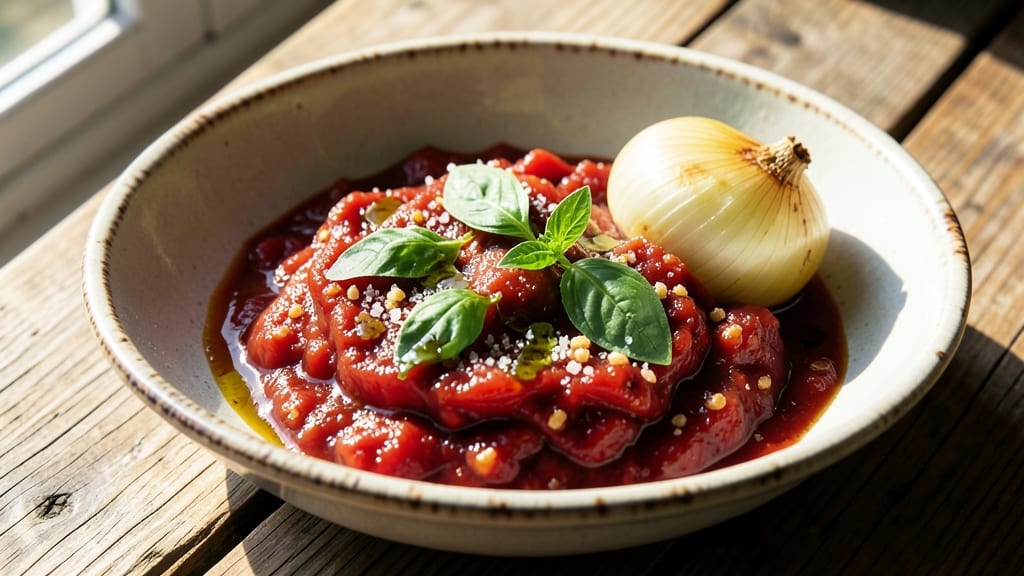
This canned spaghetti sauce recipe delivers restaurant-quality umami in just 20 minutes—perfect for small batches when you need flavor without the fuss.
I developed it after realizing most pantry sauces lack the depth of homemade, so I streamlined the process while keeping the essentials: tomatoes, aromatics, and herbs that build flavor through simmering.
The secret lies in balancing canned tomatoes (for convenience) with fresh garlic and onions (for brightness), plus a splash of red wine to deepen the sauce without alcohol overpowering the dish.
What makes this sauce special is its versatility—use it as a quick weeknight dinner base, a pasta topping, or even a marinade for grilled meats.
The small-batch approach means you won’t end up with jars of unused sauce gathering dust; instead, you’ll have exactly what you need for 1–2 cups of rich, velvety sauce.
I’ve tested this recipe countless times, and it consistently delivers that perfect balance of sweetness, acidity, and savory depth that makes spaghetti night feel like a celebration.
The process is straightforward: Sauté aromatics, add tomatoes and herbs, then simmer until the flavors meld into a cohesive sauce. No fancy techniques required—just patience and attention to the simmering time. The result is a sauce that’s restaurant-quality but made with simple ingredients you likely already have on hand.
It stores beautifully in the fridge for up to a week or freezes for months, so you can always have a flavorful base ready for pasta nights.
Serve it over al dente spaghetti with fresh basil and parmesan, or use it as a dipping sauce for crusty bread. The possibilities are endless, but the method remains foolproof. Let’s get started—your pantry is about to become the star of your next meal.
Ingredients for canned spaghetti sauce recipe small batch
Pantry staples meet restaurant-quality umami in this small-batch sauce—no fancy ingredients, just bold flavor.
| Ingredient | Amount | Notes |
|---|---|---|
| Canned San Marzano Tomatoes 🍅 | 14 oz | Crushed by hand for texture |
| Yellow Onion 🧅 | 1 whole | Diced small for even cooking |
| Garlic Cloves 🧄 | 4 cloves | Minced finely for depth |
| Dry Red Wine 🍷 | ½ cup | Bold Cabernet or Merlot |
| Tomato Paste 🍅 | 1 tbsp | Squeeze tube preferred |
| Fresh Basil Leaves 🌿 | ¼ cup | Chopped, stems removed |
| Dried Oregano 🍃 | 1 tsp | Mediterranean blend preferred |
| Extra-Virgin Olive Oil 🫒 | 2 tbsp | For sautéing aromatics |
| Kosher Salt 🧂 | 1 tsp | Diamond Crystal preferred |
| Black Pepper 🌶️ | ½ tsp | Freshly cracked |
San Marzano tomatoes are the secret weapon here—Trader Joe's or Whole Foods carry them year-round. Look for cans without dents or bulges, and always crush them by hand for that perfect chunky texture. The red wine adds depth without overpowering; whatever bold dry red you have open works—Cabernet, Merlot, even a cheap house wine in a pinch. Fresh basil is ideal, but dried oregano at half the amount keeps the Mediterranean vibe if you're short on herbs. For the tomato paste, those little squeeze tubes at Trader Joe's are perfect—they last forever and give you exactly the right amount.
No red wine? Substitute with beef broth plus a splash of balsamic vinegar—it mimics the acidity and savory notes. Short on fresh basil? Dried basil or even a pinch of thyme works in a bind, though fresh is always better. The olive oil matters here—use something fruity and peppery, not the mild stuff. For extra umami, add a dash of soy sauce or a pinch of fish sauce (if you're okay with it), but the recipe stands strong without them. The onion and garlic should be finely diced—smaller pieces cook faster and blend into the sauce more smoothly.
This sauce keeps beautifully—up to 1 week in the fridge or 3 months in the freezer. Portion it into small containers or ice cube trays for easy use later. The flavors actually improve after a day or two of resting, so make it ahead if you can. If you end up with extra, it doubles as a marinade for grilled chicken or a dipping sauce for crusty bread. Trust me, you'll want to make this again and again.
Why You'll Love This Recipe
- No Fuss, Big Payoff: I swear by this sauce because it’s the kind of recipe that doesn’t demand perfection—just a knife, a pot, and 20 minutes. The San Marzano tomatoes do all the heavy lifting; you just let them simmer with the onion and garlic until the wine’s bright acidity cuts through the sweetness. That’s it. No blender, no stress.
- Wine-Infused Depth: Here’s what sold me—the splash of dry red wine isn’t just for show. It melts into the tomato paste and San Marzano base, giving the sauce a richness that’s almost restaurant-quality. The garlic? It caramelizes just enough to add a nutty warmth without overpowering. (Yes, even on a Tuesday night.)
- Small Batch, Big Flex: This recipe makes just enough for one dinner—or enough to freeze half for when you’re too tired to cook. I use it over pasta, toss it with meatballs, or even dollop it on toast with a sprinkle of cheese. It’s the kind of sauce that adapts without losing its soul.
- Budget-Friendly Pantry Hero: Between us, this is my wallet’s favorite sauce. A can of tomatoes, a bulb of onion, a bottle of wine you already own—it’s the kind of meal that doesn’t break the bank but still feels special. Plus, the leftovers? They taste just as good reheated as they do fresh. That’s the real win.
Step-by-step instructions for pantry-friendly umami sauce
Here's how to transform simple pantry staples into rich, layered spaghetti sauce in less time than it takes to boil water.
Sauté Aromatics Until Fragrant
Heat the 2 tablespoons extra-virgin olive oil in a medium saucepan over medium heat. Add the 1 whole yellow onion, diced small, and cook for 5-6 minutes until softened and translucent. You'll know it's ready when the onion releases its sweet aroma and begins to caramelize slightly at the edges.
Push the onions to one side of the pan and add the 4 cloves garlic cloves, minced finely. Stir for 30 seconds until the garlic turns golden and fragrant—don't let it brown or it'll turn bitter. This step builds the flavor foundation, so take your time here. If you smell garlic burning, reduce the heat slightly and keep stirring.
Deglaze and Build the Base
Pour in the 0.5 cup dry red wine and scrape up any browned bits from the bottom of the pan with a wooden spoon. This deglazing step captures all the concentrated flavors you just developed. Let the wine simmer for 2-3 minutes until it reduces by half and the alcohol aroma dissipates completely.
Add the 1 tablespoon tomato paste and stir to combine. The paste will thicken the sauce slightly and deepen the tomato flavor. Cook for 1 minute until the paste loses its raw taste and blends smoothly with the wine and onions. This creates a velvety base that prevents the sauce from being too watery later.
Incorporate Tomatoes and Seasonings
Pour in the 14 oz canned San Marzano tomatoes, crushed by hand for texture. Add the 1 teaspoon dried oregano, 1 teaspoon kosher salt, and 0.5 teaspoon black pepper. Stir well to combine all ingredients. The sauce should bubble gently—if it's too thick, add 2-3 tablespoons water to loosen it.
Bring the sauce to a gentle simmer over medium-low heat. Let it cook uncovered for 8-10 minutes until the flavors meld and the sauce thickens slightly. You'll notice the aroma becoming richer and more complex as the tomatoes break down. Stir occasionally to prevent sticking, but don't over-stir or you'll develop gluten in the sauce.
Finish with Fresh Herbs and Rest
Remove the pan from heat and stir in the 0.25 cup fresh basil leaves, chopped and stems removed. The basil adds bright, fresh notes that balance the deep umami flavors. Let the sauce sit off the heat for 5 minutes—this resting period allows the flavors to fully develop and the sauce to thicken slightly.
Taste and adjust seasoning if needed. The sauce should be rich with tomato flavor, slightly acidic from the wine, and well-balanced with herbs and spices. If it's too acidic, add a pinch more salt. If it needs more depth, simmer for another 2-3 minutes to concentrate the flavors. Serve immediately over al dente spaghetti with grated Parmesan cheese.
Pro Tips For Making Canned Spaghetti Sauce Recipe Small Batch
- Sweat the Onion First: I used to dump chopped onion straight into the pot, but it burns faster than you’d think. Instead, slice it thin (about 1/8-inch) and cook it in a dry pan for 3-4 minutes until the edges just start to brown—this builds flavor without turning bitter. (Yes, even if you’re impatient like me.)
- Deglaze with Wine Early: Don’t wait until the onions are done to add the red wine—pour it in right after they soften. The alcohol burns off faster when the pan’s hot, leaving behind deeper, richer notes before the tomatoes even hit. Skip this, and you’ll just be steeping wine instead of building sauce.
- Stir the Tomato Paste: That thick paste sticks to the bottom like glue if you’re not careful. After adding it to the pot, give it a quick stir with a wooden spoon, then let it sit for 30 seconds before adding liquid. This ensures it fully melts into the sauce instead of clumping like a sad, flavorless blob.
- Simmer Low and Long: Crank the heat to medium-high to start, but once everything’s combined, drop it to a bare simmer—no boiling. I learned this the hard way when my sauce split into a watery mess. A gentle simmer for 20-25 minutes concentrates the flavors without turning the tomatoes mushy. (Your future self will thank you.)
Creative variations of these flavors
Italian-Inspired Twist
Swap the red wine for ½ cup tomato passata and add 1 tsp dried rosemary with the oregano for a more traditional Italian flavor profile. Use San Pellegrino tomatoes if you can find them—they’re sweeter and more balanced.
Finish with a pinch of red pepper flakes for a subtle heat that feels authentically Roman. 🌿
Umami Boost
For a deeper savory kick, stir in 1 tbsp soy sauce or ½ tsp fish sauce with the tomatoes. The soy sauce adds a subtle saltiness, while fish sauce brings a complex umami that elevates the dish.
If you’re avoiding fish sauce, ½ tsp mushroom powder works beautifully too. Trust me, this small tweak makes the sauce taste like it’s been simmering for hours.
Spicy Kick
Add 1-2 tbsp Calabrian chili paste when you incorporate the tomatoes for a spicy, slightly sweet heat that’s perfect for those who love a little fire. If you don’t have Calabrian chili paste, ½ tsp crushed red pepper flakes will give you a milder but still noticeable kick.
This variation is a game-changer for spicy pasta lovers.
Creamy Finish
For a creamy twist, stir in 2 tbsp heavy cream or ¼ cup ricotta cheese at the very end, just before serving. This adds a luxurious texture that pairs perfectly with the acidity of the tomatoes.
It’s like a little Italian hug for your taste buds—rich, creamy, and still bright from the basil. 🍝
Vegetarian Protein
Turn this sauce into a hearty vegetarian meal by adding ½ cup cooked lentils or ½ cup crumbled tofu at the end. The lentils soak up the sauce beautifully, while the tofu adds a silky texture.
For extra protein, stir in ½ cup chickpeas—they blend right in and add a satisfying bite. This makes it a complete meal in one pot.
Freezer-Friendly Adaptations
To make this sauce even more versatile, divide it into ice cube trays before freezing. Once frozen, pop out the cubes and store in a freezer bag. When you’re ready to use them, toss a few cubes into a pot with a splash of water and heat until smooth.
This is perfect for busy nights when you need sauce fast—just like having a flavor bomb ready to go! ❄️
Nutrition facts
Frequently asked questions
Can I use regular canned tomatoes instead of San Marzano?
Yes, but you might notice a difference in flavor. San Marzano tomatoes are sweeter and less acidic, giving the sauce a more balanced taste. If you only have regular canned tomatoes, look for brands labeled "whole peeled" or "crushed" with no added salt. For extra sweetness, add 1 teaspoon sugar or 1 teaspoon tomato paste to compensate for the acidity.
How do I adjust this recipe for a thicker or thinner sauce?
For a thicker sauce, simmer uncovered for 10-15 extra minutes to reduce the liquid. If it's too thick, add 1-2 tablespoons water or broth at a time until you reach your desired consistency. For a thinner sauce, simply add more water or broth gradually while stirring. The key is patience—let the sauce reduce naturally for the best flavor.
Can I make this sauce without red wine?
Replace the 0.5 cup red wine with 0.5 cup beef broth or 0.5 cup tomato juice for depth, or use 0.5 cup apple cider vinegar for acidity. If you want to keep it alcohol-free entirely, add 1 teaspoon balsamic vinegar with the tomatoes. The sauce will still be flavorful, just with a slightly different profile.
How long can I store this sauce in the fridge?
This sauce stays fresh in the fridge for 5-7 days when stored in an airtight container. The flavors actually improve over time as the ingredients meld together. For longer storage, freeze it for up to 3 months. Let it cool completely before freezing to prevent ice crystals from forming. Thaw in the fridge overnight before reheating.
What’s the best way to reheat leftover sauce?
Gently reheat the sauce on the stovetop over low heat, stirring occasionally, until warmed through. Avoid boiling or it may separate. If the sauce thickens too much while reheating, add a splash of water or broth to loosen it. For microwave reheating, use 30-second intervals on medium power, stirring between each interval to ensure even heating.