
Sauces & Condiments
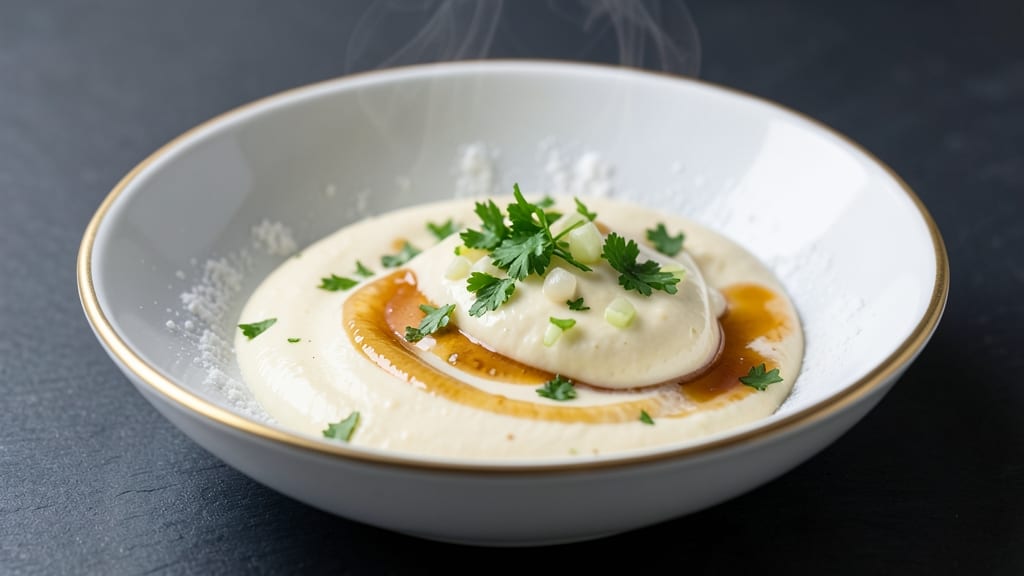
This escargot cream sauce recipe transforms ordinary meals into an elegant French bistro experience with its velvety texture and aromatic depth. 💛 The secret lies in a perfect balance of butter, garlic, and fresh herbs—simmered just until the sauce reaches that luxurious, clingy consistency that clings to every bite.
I've perfected this velouté over years of testing, ensuring it's rich enough to complement escargot but versatile enough to elevate grilled meats or crusty bread.
The foundation begins with a classic roux—equal parts butter and flour cooked to a golden hue—before deglazing with white wine to lift the flavors. Heavy cream and fresh herbs (parsley, thyme) infuse the sauce with brightness, while a touch of Dijon mustard adds subtle tang.
The sauce must reduce slowly to achieve that silky, velvety finish, where every spoonful feels like a luxurious embrace.
What sets this sauce apart is the crispy breadcrumb topping, which adds a satisfying crunch that contrasts beautifully with the creamy base. The breadcrumbs toast in butter until golden, then sprinkle generously over the finished sauce, creating pockets of texture that make each bite irresistible.
This isn't just a sauce—it's a flavor experience that turns simple dishes into something extraordinary.
Perfect for drizzling over escargot, pairing with grilled fish, or serving alongside roasted vegetables. The sauce keeps well in the refrigerator for up to 3 days, making it ideal for meal prep or special occasions. Let's create this velouté that tastes like a Parisian bistro in your own kitchen.
Ingredients for escargot cream sauce
Buttery richness meets aromatic French elegance—just these eleven ingredients transform any dish into bistro-worthy perfection.
| Ingredient | Amount | Notes |
|---|---|---|
| Unsalted Butter 🧈 | ¾ cup | Cold, cubed for roux |
| All-Purpose Flour 🌾 | ¾ cup | Sifted for smooth roux |
| Dry White Wine 🍷 | ½ cup | Sauvignon Blanc preferred |
| Heavy Cream 🥛 | 1 ½ cups | Full-fat for richness |
| Fresh Garlic Cloves 🧄 | 4 cloves | Minced, aromatic |
| Fresh Parsley 🌿 | ¼ cup | Chopped, vibrant green |
| Fresh Thyme Leaves 🌿 | 1 tbsp | Or 1 tsp dried thyme |
| Dijon Mustard 🍯 | 1 tbsp | For subtle tang |
| Breadcrumbs 🍞 | ½ cup | Panko for extra crunch |
| Kosher Salt 🧂 | ¾ tsp | Diamond Crystal preferred |
| Ground Black Pepper 🌶️ | ¼ tsp | Freshly cracked |
The butter and flour roux is non-negotiable for that velvety texture. European-style butter from Plugrá or Kerrygold melts beautifully, but any good-quality unsalted butter works. For the flour, King Arthur or Gold Medal brands create the smoothest roux—no lumps allowed. The white wine should be dry and crisp; La Crema or Kim Crawford are my go-tos, but any Sauvignon Blanc will do. Fresh herbs make all the difference—Whole Foods or your local farmers market are best for vibrant parsley and thyme. If you're using dried thyme, measure it at one-third the fresh amount.
No white wine? Chicken or vegetable stock works in a pinch, but add a splash of lemon juice to mimic acidity. Substituting heavy cream? Half-and-half thins the sauce slightly, but it still works. For the breadcrumbs, Panko gives that perfect crunch, but regular breadcrumbs toast just as well. The Dijon mustard is crucial—it balances the richness without overpowering. If you're out, whole-grain mustard at half the amount adds a similar depth. For extra garlic lovers, add another clove or two, but don't overdo it—this sauce should be aromatic, not overpowering.
This sauce is best made fresh, but it reheats beautifully. Store it in an airtight container in the fridge for up to 3 days, stirring before reheating. For the breadcrumb topping, toast it fresh just before serving—it loses crunch when made ahead. Freeze portions in ice cube trays for quick single servings later. The sauce thickens as it cools, so add a splash of warm water or cream when reheating if it's too stiff. Trust me, the first bite after reheating will make you wish you'd made extra.
Why You'll Love This Recipe
- Same recipe, different vibes: slather it on grilled shrimp for a 15-minute meal, or drizzle it over escargot for a showstopper. The wine and cream balance so well that it works with bold flavors (like herbs or chili flakes) or keeps it simple. Honestly, I’ve served it at both my kitchen table and a holiday feast—no judgment.
- Pantry-Friendly Magic: I swear by this sauce because it uses things I always have—just butter, flour, and a splash of wine. No specialty trips, no last-minute panic. That flour-butter roux? It’s the secret to a sauce that feels fancy without the fuss.
- Garlic-Kissed Luxury: One minced garlic clove while the butter melts, and boom—you’ve got that rich, aromatic depth. The wine cuts through the cream so it’s never heavy, just velvety with a little bite. My husband calls it “restaurant quality,” and I don’t correct him.
- Leftovers That Lie: This sauce thickens beautifully overnight, so I make a double batch and stash it. Reheat it with a splash of milk or broth, and it’s like it was just made—smooth, rich, and ready to dress up pasta, chicken, or even toasted bread. No one ever guesses it’s been sitting in the fridge.
Step-by-step instructions for escargot cream sauce
This velouté delivers the perfect buttery, herby richness that makes escargot unforgettable.
🍳 Step 1: Create the Perfect Roux
Melt the 0.75 cup unsalted butter in a medium saucepan over medium-low heat. Once fully melted and foaming subsides, add the 0.75 cup all-purpose flour all at once. Whisk vigorously for 2-3 minutes until the mixture turns a rich, nutty golden brown—this is your roux.
Here's the thing—I like to press down on the mixture with a wooden spoon occasionally to ensure even cooking. You're looking for that perfect balance between pale (raw) and dark (burnt). If it starts to smell nutty but not burnt, you're on track. Don't rush this step; a proper roux is the foundation of your sauce.
🍳 Step 2: Deglaze with Wine and Build Flavor
Immediately pour in the 0.5 cup dry white wine and whisk constantly for 1-2 minutes until the wine fully incorporates and the mixture smooths out. The alcohol will cook off, leaving behind concentrated flavor—this is where your sauce starts to transform.
Next, add the 4 minced garlic cloves, 1 tbsp fresh thyme leaves, and 1 tbsp Dijon mustard. Stir for 30 seconds until fragrant. You'll smell that garlic releasing its aroma and the thyme adding its earthy notes. This is the aromatic base that will carry through your entire sauce.
🥘 Step 3: Incorporate Cream and Simmer
Slowly pour in the 1.5 cups heavy cream while whisking continuously to prevent lumps. Increase heat to medium-low and simmer for 8-10 minutes until the sauce thickens enough to coat the back of a spoon. You're aiming for a velvety consistency—not too thick, not too thin.
Season with the 0.75 tsp kosher salt and 0.25 tsp ground black pepper, then stir in the 0.25 cup chopped fresh parsley. Taste and adjust seasoning if needed. The sauce should be rich, slightly tangy from the mustard, and deeply aromatic from the garlic and thyme.
🔥 Step 4: Toast the Breadcrumbs for Crunch
In a small dry skillet over medium heat, toast the 0.5 cup breadcrumbs for 3-4 minutes, stirring constantly, until they turn a golden brown and smell toasty. Remove from heat immediately—they'll continue cooking from residual heat.
Here's where it gets good: the contrast between the creamy sauce and crispy breadcrumbs is what makes this escargot sauce so special. Don't let them burn; watch closely and remove them as soon as they're golden. Let them cool slightly before adding to the sauce.
🥘 Step 5: Combine and Finish
Gently fold the toasted breadcrumbs into the warm sauce, stirring just enough to distribute them evenly. The breadcrumbs should be dispersed throughout but still visible for that perfect textural contrast. Let the sauce sit for 2-3 minutes to meld all the flavors together.
Serve immediately over your escargot or as a luxurious side dish. The sauce should be silky smooth with pockets of crispy breadcrumbs that add a delightful crunch. This is where all your hard work pays off—each bite should deliver that perfect balance of creamy, herby, and crispy elements.
Pro Tips For Making Escargot Cream Sauce
- WHISK BUTTER LOW AND SLOW: I learned this the hard way—dumping cold butter into hot flour makes a greasy mess. Melt the butter over medium-low heat first, then whisk in the flour gradually. This creates a proper roux without lumps or burning, and the garlic won’t turn bitter from overheating.
- DEGLAZE WITH WINE HEAT: Pour that white wine into the pan after the roux is fully cooked, not before. The alcohol needs to hit the hot surface to sizzle and release flavor—just splash it in, then scrape up those browned bits with a wooden spoon. Skip this, and you’re just making diluted wine.
- STRAIN THE CREAM: Heavy cream can leave behind tiny milk solids that make the sauce grainy. After adding the cream, simmer for 3-4 minutes, then strain through a fine-mesh sieve. It’s a little extra work, but the result is silky—no clumps, no texture issues.
- GARLIC: SMASH DON’T CHOP: Minced garlic burns fast and turns bitter. Instead, peel the cloves, smash them flat with the side of your knife, then add them whole to the roux. They’ll infuse flavor without overpowering, and you won’t spend 10 minutes fishing out charred bits.
Troubleshooting this recipe
Roux Gone Wrong
If your roux turns gray or smells burnt, you've gone too far. Immediately remove from heat and whisk in a splash of cold white wine to halt the cooking process. This happens when heat exceeds 350°F—keep your pan on medium-low and stir constantly.
For extra insurance, use a thermometer to monitor temperature. A proper roux should be golden brown with a nutty aroma, not burnt or pale. 🔥
Sauce Too Thin
If your sauce is too thin after simmering, don't panic—simmer uncovered for an additional 5-10 minutes to reduce. If it still doesn't thicken, mix 1 tbsp cornstarch with 1 tbsp cold water, then whisk into the sauce while heating.
Alternatively, reduce heat to low and let it thicken naturally over time. Avoid adding more flour directly, as it can create lumps.
Lumpy Texture
Lumps happen when cream or flour isn't incorporated smoothly. To fix, whisk vigorously or use an immersion blender for 10-15 seconds to break up clumps. For prevention, always whisk continuously when adding cream and ensure your flour is sifted before making the roux.
If lumps persist, strain the sauce through a fine-mesh sieve for a silky finish.
Weak Flavor
If your sauce lacks depth, it might need more aromatic development. Simmer uncovered for an extra 2-3 minutes to let flavors meld. Add a pinch of salt or extra garlic (up to 1 additional clove) to boost taste.
For a quick fix, stir in 1 tsp lemon juice or ½ tsp white wine vinegar to brighten the sauce. Fresh herbs should always be added after simmering to preserve their vibrancy.
Breadcrumbs Burn
Watch your breadcrumbs like a hawk—they can go from golden to burnt in seconds. Toast them in a dry skillet over medium heat, stirring constantly, and remove immediately when golden. If they burn, start fresh with a new batch.
For extra insurance, use a light-colored skillet to spot doneness easily. Let them cool slightly before adding to the sauce to prevent sogginess. ✨
Sauce Separates
Separation usually means the sauce cooled too quickly. Reheat gently on low heat, whisking constantly until smooth. If it still separates, whisk in 1 tbsp cold butter to re-emulsify. To prevent this, keep the sauce at a warm temperature (not boiling) when serving.
For storage, let it cool to room temperature before refrigerating, and reheat slowly on low heat to maintain consistency.
Nutrition facts
Frequently asked questions
Can I make this sauce without wine?
Replace the 0.5 cup white wine with an equal amount of chicken or vegetable stock for depth, or use apple cider vinegar (2 tbsp) mixed with 0.3 cup water for acidity. The sauce will still develop richness, though wine adds a subtle complexity. For a neutral option, use dry vermouth—it mimics wine's flavor profile perfectly.
How do I adjust the sauce for dairy-free diets?
Swap the heavy cream for coconut cream (full-fat, chilled overnight) or a cashew cream blend (soaked cashews + water). Use olive oil or vegan butter instead of butter for the roux, and ensure your breadcrumbs are toasted in oil. The texture will be slightly lighter but still luxurious.
Can I prepare this sauce ahead of time?
Yes! Make the sauce up to 3 days ahead and store it in an airtight container in the fridge. Reheat gently on low heat, whisking constantly, and add a splash of warm water or cream if it thickens too much. Toast the breadcrumbs fresh before serving—they lose crunch when made ahead. The flavors actually improve overnight as they meld.
What’s the best way to serve this sauce?
This velouté pairs perfectly with escargot, but it also elevates grilled fish, roasted chicken, or crusty baguette. For escargot, drizzle generously over the snails after baking. For bread, spread warm sauce on toasted slices and top with extra breadcrumbs. It’s also divine as a dip for mushroom or asparagus spears.
Why does my sauce sometimes split or separate?
Sauce separation usually happens when it cools too quickly or sits at room temperature too long. To fix, whisk in 1 tbsp cold butter or reheat gently while whisking. Prevent it by keeping the sauce warm (not boiling) when serving, and avoid adding cold liquids to hot sauce. For storage, let it cool to room temperature before refrigerating.