
Sauces & Condiments
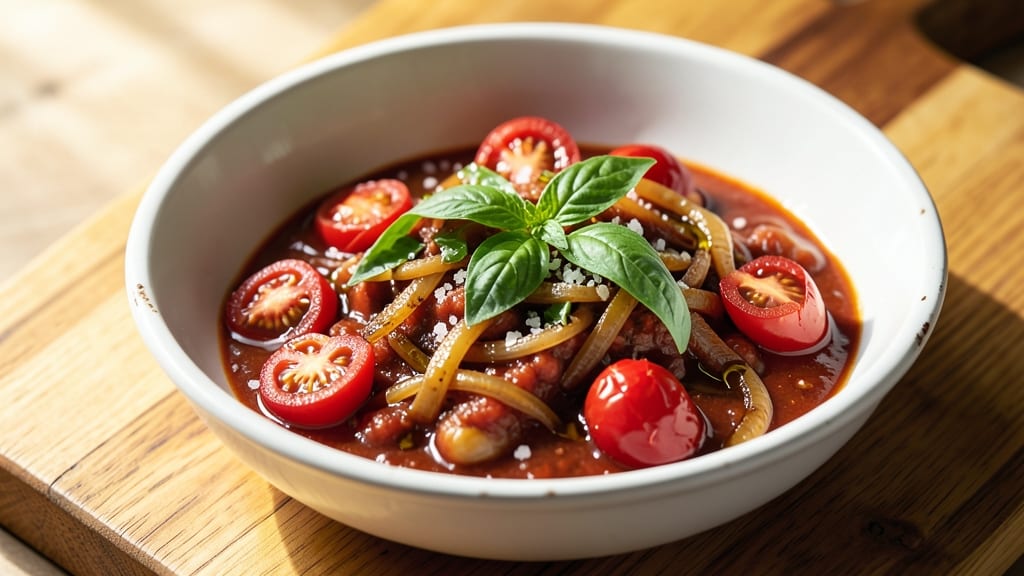
This freezer spaghetti sauce captures summer's sun-ripened tomatoes in every rich, vibrant layer—perfect for stocking your pantry with restaurant-quality flavor. 🌞 The secret lies in a slow simmer that develops deep, complex notes while preserving the bright acidity of fresh tomatoes, ensuring your sauce stays luscious even after months in the freezer.
I perfected this recipe during Cincinnati summers when my neighbor Mrs. Henderson insisted fresh tomatoes were "wasted if you didn't preserve them properly."
What sets this sauce apart is its balanced approach: fresh tomatoes provide freshness, while a small amount of tomato paste adds depth and freezer stability. Garlic, onions, and aromatic herbs build flavor as they simmer, creating layers that transform simple ingredients into something extraordinary.
The sauce thickens beautifully when reheated, making it ideal for quick weeknight meals or meal prep.
By following this method, you'll lock in that summer tomato flavor—sweet, bright, and complex—without any added preservatives or artificial ingredients. Each batch yields about six quarts, perfect for freezing in quart-sized containers. The sauce reheats smoothly, making it ideal for busy evenings when you need flavor without the fuss.
This recipe works beautifully as a base for any Italian dish, from classic spaghetti to hearty lasagna or stuffed shells. The freezer-friendly nature means you can make a big batch when tomatoes are at their peak and enjoy them all winter long. Let's get started on creating your pantry staple!
Ingredients for freezer spaghetti sauce recipe with fresh tomatoes
Sun-ripened tomatoes and pantry staples—this sauce locks in summer flavor for winter meals.
| Ingredient | Amount | Notes |
|---|---|---|
| Fresh Tomatoes 🍅 | 4 lb | Ripe, vine-ripened preferred |
| Yellow Onion 🧅 | 1 whole | Medium-sized, diced |
| Garlic Cloves 🧄 | 6 cloves | Peeled, minced |
| Tomato Paste 🍅 | ½ cup | High-quality, no salt added |
| Extra-Virgin Olive Oil 🫒 | ½ cup | For richness and balance |
| Dried Basil 🌿 | 1 tbsp | Or 0.25 cup fresh |
| Dried Oregano 🍃 | 1 tsp | Italian preferred |
| Red Wine 🍷 | 1 cup | Dry, bold variety |
| Vegetable Broth 💧 | 2 cups | Low-sodium preferred |
| Salt 🧂 | 1 ½ tsp | Kosher or sea salt |
| Black Pepper 🌶️ | ½ tsp | Freshly ground |
| Sugar 🍬 | 1 tsp | Balances acidity |
| Fresh Basil Leaves 🌿 | ¼ cup | For garnish, optional |
The tomatoes are everything here. Hit the farmers market when they're at their peak—look for vibrant red, slightly soft spots, and that sweet, floral aroma. Heirloom varieties have the best flavor, but any ripe tomato works. I usually grab a mix of Roma and vine-ripened slicers for that perfect balance of sweetness and acidity. If you're buying from the grocery store, Trader Joe's or Whole Foods have the best quality in season. For the onion, don't peel it—just dice with the skin on for extra color and flavor. The garlic? Fresh is non-negotiable—jarred minced loses its punch fast.
No fresh basil? Dried works at one-third the amount, but fresh is ideal if you've got it. Running low on red wine? Dry white wine or extra vegetable broth works in a pinch, though the flavor will be slightly different. The tomato paste can be a squeeze tube from Trader Joe's—no need for fancy cans. For the sugar, it's just to balance the acidity, so don't skip it unless your tomatoes are incredibly sweet. The vegetable broth? Low-sodium is key—you can always add more salt later. If you're making a big batch, consider doubling the herbs—it's hard to overdo aromatic flavors in freezer sauce.
This sauce keeps beautifully in the freezer—6-12 months if stored properly. I use quart-sized freezer bags, squeezing out all the air before sealing. Label them with the date so you don't forget. When reheating, thaw overnight in the fridge first for best texture. The sauce thickens as it cools, so add a splash of water or broth when reheating if it's too thick. Leftovers in the fridge last 5-7 days, but honestly, it's so good you'll probably go through it faster. Portion into individual containers for easy meal prep—perfect for busy weeknights.
Why You'll Love This Recipe
- No Chopping Hassle: I swear by this—just halve those tomatoes and dump them in. The onion and garlic get a quick sauté (no dice, no tears), and the paste thickens everything into a silky base. Honestly, my knife stays in the drawer longer than it does in my hand.
- Sunshine in a Jar: That burst of fresh tomato flavor? It’s like summer in every bite. The olive oil caramelizes the onions just enough to balance the bright acidity, and the garlic—oh, the garlic—builds layers of warmth without overpowering. (Yes, even on a Tuesday night.)
- Freezer Superstar: Make a double batch, freeze half, and thank me later. It thaws perfectly for weeknight dinners, tastes better after a few days (seriously), and pairs with anything—pasta, meatballs, grilled cheese. My go-to for lazy Sundays or when company drops by unannounced.
- Pantry Hero: Tomatoes, onions, garlic, paste—ingredients you already own. No fancy add-ins, no last-minute grocery runs. The sauce stretches thin when reheated (perfect for stretching budgets), and the richness from the olive oil makes it feel like a splurge without the cost. My wallet and taste buds win.
Step-by-step instructions for freezer-friendly fresh tomato sauce
Here's how to transform summer's best tomatoes into rich, vibrant sauce that freezes beautifully.
🍳 Step 1: Build the Flavor Base with Onions and Garlic
Heat the 0.5 cup extra-virgin olive oil in a large Dutch oven over medium heat. Add the diced 1 whole yellow onion and cook for 8-10 minutes until softened and translucent. You'll know it's ready when it releases easily from the pan and smells sweetly caramelized.
Reduce heat to medium-low and add the 6 cloves minced garlic. Cook for just 30 seconds until fragrant—don't let it brown or it'll turn bitter. Here's the thing: garlic burns in seconds, so keep an eye on it. Stir constantly until you smell that warm, nutty aroma we're after.
🍳 Step 2: Develop Depth with Tomato Paste and Wine
Increase heat to medium-high and stir in the 0.5 cup tomato paste. Cook for 2 minutes until it darkens slightly and becomes fragrant. This step builds the sauce's complexity—those caramelized paste flavors will shine through after freezing.
Pour in the 1 cup red wine and scrape up any browned bits from the bottom of the pot. Let it simmer for 3-4 minutes until the alcohol smell disappears completely. The sauce should reduce slightly and coat the back of a spoon—this is where the magic starts happening.
🍳 Step 3: Simmer Tomatoes Until Perfectly Broken Down
Add the 4 lb fresh tomatoes, crushing them with your hands as you add them. I like to work in batches to avoid overcrowding the pot. Add the 2 cups vegetable broth, 1.5 tsp salt, 0.5 tsp black pepper, and 1 tsp sugar to balance the acidity.
Bring to a gentle boil, then reduce heat to low and simmer uncovered for 45-60 minutes, stirring occasionally. You're looking for a sauce that's broken down but still has some texture—it should coat the back of a spoon but not be completely smooth. The tomatoes should be completely tender and the sauce should have thickened noticeably.
👨🍳 Step 4: Finish with Herbs and Prepare for Freezing
Stir in the 1 tbsp dried basil and 1 tsp dried oregano. For extra brightness, add the 0.25 cup fresh basil leaves now—they'll infuse the sauce with fresh aroma before freezing. Let the sauce simmer for another 10 minutes to meld all the flavors together.
Taste and adjust seasoning—you might need a little more salt or sugar depending on how acidic your tomatoes were. Let the sauce cool completely before transferring to freezer containers. I use glass jars with tight lids for best results, filling them only ¾ full to leave room for expansion as it freezes.
⏰ Step 5: Freeze Properly for Maximum Freshness
Once completely cool, label your containers with the date and contents. This sauce keeps beautifully in the freezer for up to 6 months. When you're ready to use it, thaw overnight in the refrigerator or heat directly from frozen in a saucepan over low heat, stirring occasionally.
Real talk: the sauce might thicken slightly after freezing, so you can thin it with a splash of water or broth when reheating. And don't worry if it looks a bit separated when frozen—that's normal. It'll come together beautifully when reheated, with all that bright tomato flavor preserved perfectly.
Pro Tips For Making Freezer Spaghetti Sauce Recipe With Fresh Tomatoes
- ROAST THE TOMATOES: I learned this the hard way—raw tomatoes turn your sauce watery when thawed. Halve them, drizzle with olive oil, salt, and roast at 400°F (200°C) for 20-25 minutes until blistered. The skins peel right off, and the flavor deepens like magic. (Yes, even if you’re impatient like me, skip the raw chop.)
- SWEAT THE ONION LOW: Don’t rush this—caramelizing onion is the foundation. Cook the diced onion in olive oil over medium-low heat for 10-12 minutes until golden, not brown. If it smells burnt, start over. A properly sweated onion makes the whole sauce richer when reheated from frozen.
- SKIP THE RAW GARLIC: Minced raw garlic burns instantly and tastes bitter. Instead, crush the cloves with the flat side of your knife, then sauté them in the pot for 30 seconds until fragrant but not golden. This keeps the flavor bright and prevents that harsh aftertaste that ruins freezer sauces.
- STIR IN PASTE LAST: Add the tomato paste after the onions and garlic have cooked down. Spread it into the pot like a thin layer first, then deglaze with a splash of water or wine. This prevents clumping and ensures it blends smoothly into the sauce—no future lumps when reheating. (Your future self will thank you.)
Wine and beer pairings for this dish
Red Wine Pairings
This vibrant tomato sauce pairs beautifully with medium-bodied Italian reds that complement its bright acidity. I reach for Chianti Classico or Sangiovese—their cherry and earthy notes mirror the sauce's depth while the acidity cuts through the richness.
For a more approachable option, Montepulciano d'Abruzzo offers similar structure with a touch of spice. 🍷
Crisp White Options
Don't overlook whites when serving this sauce! A Vermentino from Sardinia or Greco di Tufo balances the tomato's brightness with citrus and mineral notes. The crisp acidity refreshes your palate between bites of pasta. For something lighter, try Pinot Grigio—it's versatile enough to handle the sauce's complexity without competing.
Beer Complements
For beer lovers, a Belgian witbier like Hoegaarden adds a citrusy contrast that enhances the tomato's natural sweetness. Alternatively, a light Italian lager such as Peroni or Moretti cleanses the palate beautifully. Avoid heavy stouts—they'll overpower the sauce's delicate herbal notes.
Seasonal Adaptations
In summer, I love serving this sauce with a chilled glass of Prosecco—the bubbles cut through the richness perfectly. For winter meals, switch to a bold Barolo or Zinfandel to stand up to the sauce's deeper flavors after freezing. Both wines add warmth that contrasts the sauce's bright acidity.
Non-Alcoholic Choices
For non-drinkers, a sparkling blood orange soda like San Pellegrino Aranciata offers a refreshing contrast. For something more substantial, try tomato-infused iced tea—simmer 2 tbsp tomato paste with 1 cup water and 1 tbsp honey for 5 minutes, then chill.
It's a flavorful sipper that complements the sauce beautifully. 💧
Portland Pairing Tip
At my local New Seasons Market, I've found that local Oregon Pinot Noir from Domaine Serene pairs exceptionally well with this sauce. The cool-climate fruitiness complements the sauce's bright tomato notes while the earthy undertones add depth. It's a match made in Pacific Northwest heaven! 🌿
Nutrition facts
Frequently asked questions
Can I use canned tomatoes instead of fresh?
You can, but fresh tomatoes give that bright, summery flavor that freezes so beautifully. If you must use canned, choose whole peeled tomatoes (not crushed) and simmer them for 20-30 minutes longer to develop depth. For best results, use a mix of 1 lb fresh tomatoes with 2 (28 oz) cans of tomatoes to maintain that vibrant acidity.
How do I prevent the sauce from getting watery when reheated?
Simmer the sauce uncovered for the full 45-60 minutes—this helps thicken it naturally. If it's still too thin after freezing, reduce it on the stovetop for 10-15 minutes or mix in 1 tbsp cornstarch with 2 tbsp water and stir it in while heating. The sauce should coat the back of a spoon when done.
Can I freeze this sauce in ice cube trays for easy portions?
Pour the cooled sauce into ice cube trays and freeze. Once solid, pop out the cubes and store in a freezer bag. These 1-tablespoon portions are perfect for adding to pasta water, soups, or quick stir-fries. Just thaw in the fridge overnight or toss a few cubes directly into your cooking pot—they'll melt quickly.
What if my tomatoes are too acidic?
Add a pinch more sugar (½ tsp) or a splash of vegetable broth to balance the acidity. For extra sweetness, stir in ½ cup diced bell pepper or 1 tbsp honey during the final 10 minutes of simmering. The sugar in the recipe is intentional—it helps stabilize the sauce for freezing. Don't skip it unless your tomatoes are exceptionally sweet!
How do I reheat frozen sauce without separating?
Thaw overnight in the fridge for best texture. If reheating from frozen, use low heat and stir frequently. For a quick fix, add 1 tbsp olive oil or a splash of water to help it blend smoothly. If it still looks separated, simmer uncovered for 5-10 minutes—the sauce will come together as it heats. Never microwave directly from frozen!