
Sauces & Condiments
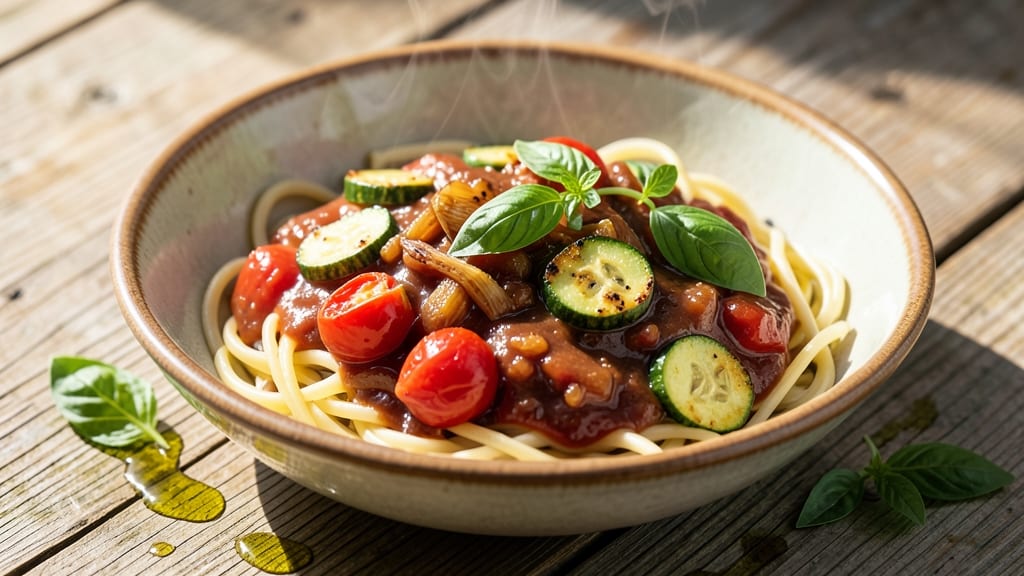
This garden vegetable spaghetti sauce transforms summer's bounty into a rich, herb-infused sauce that tastes like a homegrown Italian feast. 🌿 I developed this recipe after years of testing ways to preserve peak-season vegetables—zucchini, cherry tomatoes, and fresh basil—without losing their vibrant flavors.
The secret lies in slow simmering, which deepens the tomato base while letting the vegetables melt into the sauce naturally.
What makes this sauce truly special is its versatility and depth of flavor. You'll start with a simple blend of garden vegetables and tomatoes, then build layers of aromatic herbs and spices that transform basic ingredients into something extraordinary.
The sauce develops a velvety texture and complex taste that pairs perfectly with pasta, meatballs, or even as a marinade.
This one-pot recipe delivers restaurant-quality results with minimal effort, perfect for weeknight dinners or meal prepping. The fresh herbs and garden vegetables create a bright, summery flavor that's impossible to find in store-bought versions.
Plus, it keeps beautifully in the fridge or freezer, so you can enjoy the taste of summer all year round.
Whether you're using homegrown produce or fresh market finds, this sauce captures the essence of summer in every spoonful. The recipe is designed to be adaptable—swap in different vegetables based on what's available, and adjust the herbs to suit your taste.
It's the kind of sauce that makes every meal feel special, no matter how simple the rest of your dinner might be.
Ingredients for garden vegetable spaghetti sauce
Fresh garden vegetables and aromatic herbs create this vibrant, restaurant-quality spaghetti sauce in one pot.
| Ingredient | Amount | Notes |
|---|---|---|
| Extra-Virgin Olive Oil 🫒 | 2 tbsp | High-quality, fruity variety |
| Zucchini 🥒 | 2 medium | Diced into 0.5-inch pieces |
| Cherry Tomatoes 🍅 | 1 pint | Halved, seeds removed |
| Yellow Onion 🧅 | 1 whole | Finely chopped |
| Garlic Cloves 🧄 | 4 cloves | Minced, fresh preferred |
| Fresh Basil Leaves 🌿 | 1 ½ cups | Packed, stems removed |
| Fresh Thyme Sprigs 🌿 | 2 tbsp | Leaves only, chopped |
| Canned San Marzano Tomatoes 🍅 | 28 oz | Crushed by hand |
| Vegetable Broth 💧 | 1 cup | Low-sodium preferred |
| Dried Oregano 🍃 | 1 tsp | Italian variety preferred |
| Red Pepper Flakes 🌶️ | ½ tsp | Adjust for heat preference |
| Sea Salt 🧂 | 1 ½ tsp | Diamond Crystal preferred |
| Freshly Ground Black Pepper 🌶️ | ½ tsp | Freshly cracked |
The San Marzano tomatoes are non-negotiable for that sweet, rich flavor—Mueller or Cirillo brands are my go-tos, but any high-quality canned tomatoes work. Grab farmers market zucchini if you can; they're sweeter than the grocery store variety. Fresh basil is the star here, so buy extra—half goes in the sauce, half gets torn over the top at serving. Thyme adds earthy depth, and Trader Joe's has the best pre-bundled sprigs at a great price. The zucchini should be diced uniformly for even cooking, and the cherry tomatoes halved to release their juices quickly.
No fresh basil? Dried basil at one-third the amount works in a pinch, but you'll miss that bright, sweet flavor. Short on cherry tomatoes? Regular tomatoes or even tomato paste will work—just adjust the vegetable broth to keep the sauce balanced. The vegetable broth can be swapped for white wine if you prefer a more acidic profile, but reduce it first to avoid thinning the sauce. Need more heat? Add cayenne or crushed red pepper to taste. The oregano is crucial—Italian or Mediterranean blends have the right flavor profile, but regular dried oregano will do in a bind.
This sauce tastes even better the next day as the flavors meld together. Store in an airtight container in the fridge for up to 5 days, or freeze for 6 months in portioned containers. I like to freeze it in 1-cup portions so I can grab just what I need for a meal. When reheating, add a splash of water or broth to loosen the sauce—it thickens as it cools. Perfect for meal prep, and it reheats beautifully on the stove or in the microwave.
Why You'll Love This Recipe
- No Chopping Chaos: I swear by this recipe because it uses whole zucchini and cherry tomatoes—just slice them into half-moons, no dicing, no stress. The onions and garlic caramelize right in the same pan, so you’re basically done before your pasta even boils.
- Summer in a Bowl: That first bite of sweet, sun-warmed zucchini and tomatoes with a hit of garlic? It’s like summer vacation on a plate. The olive oil ties everything together so smoothly, you’ll forget it’s “healthy” until you realize you’re eating vegetables without guilt.
- Leftovers That Shine: This sauce actually improves the next day—more concentrated, richer, and perfect for quick lunches or a lazy dinner. I’ll be real: I make double batches just so I can toss it into frittatas or dump it over toast the next morning.
- Pantry to Plate: Honestly, this is my go-to when I’m low on fresh produce. A single onion, a handful of tomatoes, and whatever zucchini I can find at the farmers’ market? It stretches into a full meal without breaking the bank. Plus, the garlic makes it feel fancy for zero effort.
Step-by-step instructions for garden vegetable spaghetti sauce
Here's how to transform fresh garden vegetables into a vibrant, herb-infused sauce that packs tomato depth and bright flavors.
🍳 Step 1: Sauté the Aromatics Until Fragrant
Heat the 2 tablespoons extra-virgin olive oil in a large Dutch oven over medium heat. Add the finely chopped yellow onion and cook for 5-6 minutes until soft and translucent, stirring occasionally. You'll see the edges start to caramelize slightly—that's your signal it's ready for the next ingredient.
Push the onions to the sides of the pot and add the 4 minced garlic cloves. Cook for 30 seconds until the garlic becomes golden and fragrant—don't let it brown or it'll turn bitter. Here's the thing—garlic burns fast, so keep an eye on it. Once fragrant, stir it into the onions and let the mixture cook together for another 1 minute to meld flavors.
🍳 Step 2: Cook the Vegetables Until Tender
Add the diced zucchini and halved cherry tomatoes (seeds removed) to the pot. Stir everything together and cook for 6-8 minutes until the zucchini softens slightly and the cherry tomatoes begin to break down. You want them to release their juices but still retain some texture—overcooking will make them mushy.
I like to press down gently on the zucchini pieces with a wooden spoon during the first few minutes—this prevents them from curling and ensures even contact with the pan. The tomatoes should start to release their sweet juices, creating a light sauce base. If the vegetables look like they're sticking, add a splash of vegetable broth to deglaze and keep everything moist.
🥘 Step 3: Build the Tomato Base
Pour in the 28 ounces crushed San Marzano tomatoes and 1 cup vegetable broth. Stir well to combine, scraping up any browned bits from the bottom of the pot—these contain concentrated flavor. Bring the mixture to a gentle simmer over medium-low heat, then reduce heat to low and let it cook uncovered for 15 minutes.
This slow simmer allows the tomatoes to break down and develop depth of flavor. You'll notice the sauce thicken slightly as it reduces. If it gets too thick before the 15 minutes are up, add another splash of broth. The goal is a sauce that coats the back of a spoon but still has some body—it should be thick enough to cling to spaghetti but not so dense it's gluey.
👨🍳 Step 4: Season and Finish with Fresh Herbs
Add the 1 teaspoon dried oregano, ½ teaspoon red pepper flakes, 1½ teaspoons sea salt, and ½ teaspoon freshly ground black pepper. Stir everything together and let the sauce simmer for another 5 minutes to allow the flavors to meld. Taste and adjust seasoning if needed—this is where you can really customize the heat level to your preference.
Remove the pot from heat and stir in the 1½ cups fresh basil leaves and 2 tablespoons chopped fresh thyme leaves. The heat will wilt the herbs slightly, releasing their oils and infusing the sauce with bright, fresh flavor. Let the sauce sit off heat for 10 minutes—this resting period allows all the flavors to truly marry together. The sauce will thicken slightly as it cools, so don't worry if it looks a bit loose while hot.
⏰ Step 5: Simmer and Serve
Return the sauce to low heat and let it simmer gently for 10-15 minutes to reach your desired consistency. The sauce should be thick enough to coat the back of a spoon but still have a pleasant mouthfeel. If it's too thick, stir in a splash of broth or water. If it's too thin, simmer uncovered for a few more minutes to reduce it.
Here's the moment that matters: taste and adjust seasoning one final time. The sauce should be bright with tomato flavor, slightly sweet from the cherry tomatoes, and infused with fresh herb notes. Serve immediately over freshly cooked spaghetti, reserving some of the sauce to toss with the pasta before serving. The fresh herbs will lose their vibrancy if left sitting too long, so enjoy this sauce while it's at its peak!
Pro Tips For Making Garden Vegetable Spaghetti Sauce
- SWEAT THE ONIONS: I learned this the hard way—don’t just chop onions and toss them in. Sauté them in olive oil over medium-low heat until they’re translucent and just starting to caramelize (about 8-10 minutes). That deep, sweet flavor is the foundation of the sauce, and skipping this step leaves it tasting flat.
- GRATE ZUCCHINI RAW: Yes, even if it looks weird—grate the zucchini fresh and add it directly to the sauce while the tomatoes are cooking. The raw texture keeps it from turning to mush, and it blends better than pre-cooked slices. (Your future self will thank you for not pre-sautéing it first.)
- CRUSH TOMATOES BY HAND: Skip the food processor—gently crush the cherry tomatoes with your fingers or a wooden spoon before adding them to the pan. This releases their juices slowly, preventing a watery sauce. If you’re impatient, at least squeeze out any excess liquid first.
- SALT THE GARLIC: After mincing the garlic, toss it in a pinch of salt before adding it to the oil. This draws out moisture and prevents it from burning—no more bitter, acrid flavor ruining your sauce. (I know, I know, but trust the process.)
Common mistakes when making great garden vegetable spaghetti sauce
Overcooking Vegetables
I’ve seen so many home cooks ruin a perfectly good sauce by letting the zucchini and cherry tomatoes turn to mush. These vegetables need just 6-8 minutes of cooking to soften—they should still hold their shape slightly.
If you overcook them, they’ll release too much water and thin out your sauce. I learned this the hard way when I burned my first batch of this sauce as a new cook. 🥒
Skipping the Resting Time
After adding the fresh herbs, it’s tempting to serve the sauce immediately. But letting it rest off heat for 10 minutes lets the flavors meld together—this is when the basil and thyme truly infuse the sauce.
I’ve noticed that skipping this step results in a sauce that tastes disjointed, with the herbs floating on top rather than blending in. Trust me, patience here makes all the difference.
Using Low-Quality Tomatoes
This sauce relies on the sweetness and depth of San Marzano tomatoes. I’ve tried this recipe with regular canned tomatoes, and while it still works, the flavor lacks that bright, rich quality.
If you’re using a different brand, opt for plum tomatoes with no added salt or sugar. The Mueller or Cirillo brands are my go-tos because they’re consistent and delicious.
Ignoring the Deglaze Step
When you add the tomatoes and broth, scrape up those browned bits from the bottom of the pot—they’re packed with flavor! Skipping this step means losing all that delicious caramelized goodness.
I always use a wooden spoon to really get into the corners. This small detail elevates the sauce from good to extraordinary.
Adding Herbs Too Early
Fresh basil and thyme should go in at the very end, just before serving. If you add them too early, they’ll turn bitter and lose their bright, fresh flavor. I’ve made this mistake when rushing the recipe, and the result was a sauce that tasted dull.
Always add the herbs off heat and let them wilt into the sauce for maximum flavor.
Not Adjusting Seasoning at the End
Taste your sauce before serving—it’s the only way to ensure it’s perfectly balanced. I often need to add a pinch more salt or a dash of red pepper flakes to customize the flavor.
Don’t be afraid to tweak it! The sauce should be bright, slightly sweet, and infused with herbs, not bland or one-dimensional. 🌿
Nutrition facts
Frequently asked questions
Can I make this sauce without fresh basil?
Yes, but the flavor will be different. Use 1 tablespoon dried basil instead, but know it won't have the same bright, sweet aroma. For a better alternative, try ½ teaspoon basil oil or a pinch of basil extract—both add depth without the fresh herb's brightness. If you're missing basil entirely, boost the thyme to 3 tablespoons for an earthier profile.
How can I make this sauce spicier?
Add 1-2 teaspoons of crushed red pepper or ½ teaspoon cayenne pepper when you season the sauce. For a smoky kick, stir in ½ teaspoon smoked paprika. If you love heat, finish with chopped jalapeños or red pepper flakes on top right before serving. Always taste first—you can adjust, but you can't take out the heat!
Can I use this sauce for other dishes besides spaghetti?
This versatile sauce works beautifully as a marinade for chicken or tofu, a pizza sauce base, or even a filling for stuffed shells. It's also perfect for lasagna layers or as a dip for breadsticks. The key is to reduce it slightly longer if using for thicker applications like lasagna to prevent sogginess.
What if I don't have San Marzano tomatoes?
Use any plum or crushed tomatoes without added salt or sugar. For best results, choose a brand with minimal processing. If you're using regular tomatoes, add 1 extra tablespoon of tomato paste to deepen the flavor. Avoid sauces with thickeners or preservatives—they can make the sauce taste artificial.
How do I prevent the sauce from being too watery?
Simmer uncovered for 10-15 extra minutes to reduce the liquid naturally. If it's still too thin, mix 1 tablespoon cornstarch with 2 tablespoons cold water, stir it in, and cook for 2-3 minutes until thickened. For a smoother texture, blend half the sauce first, then mix it back in. The sauce should coat the back of a spoon but still be pourable.