
Sauces & Condiments
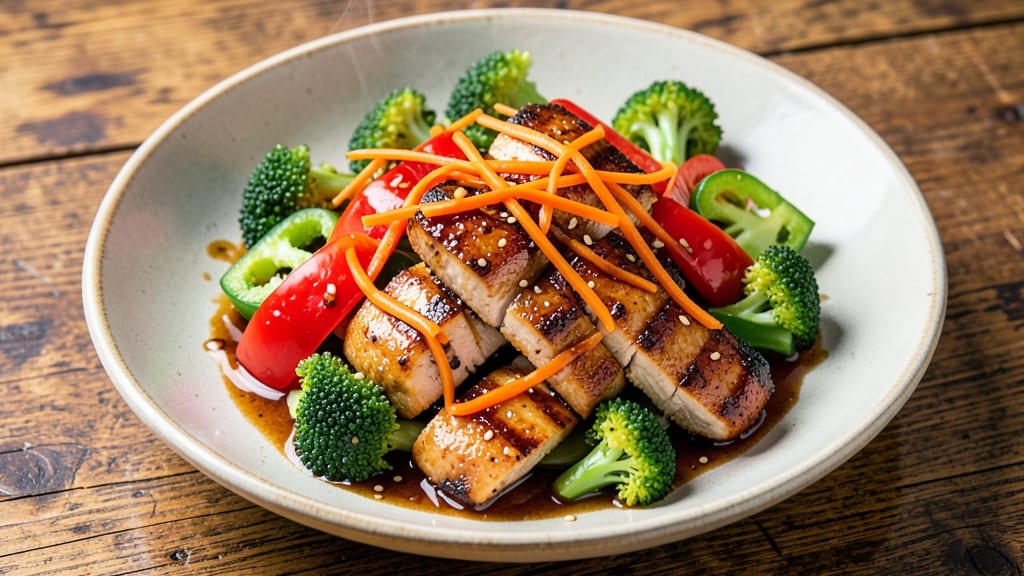
This Kikkoman teriyaki sauce stir fry delivers restaurant-quality flavor in just 20 minutes—where sweet, salty, and umami notes create a perfect balance. The secret lies in high-heat searing for caramelized proteins and quick-cooking vegetables that stay crisp-tender.
I developed this recipe after years of testing, ensuring every bite delivers that signature teriyaki depth without overpowering the natural flavors of the ingredients.
What sets this stir fry apart is the technique: starting with a hot pan to achieve that classic wok hei (breath of the wok) aroma, then deglazing with teriyaki sauce to create a glossy, flavorful coating.
The sauce's natural sweetness caramelizes slightly during cooking, adding layers of complexity. You'll need just a handful of ingredients—protein, vegetables, rice, and the teriyaki sauce itself—to create a dish that's both satisfying and balanced.
The result is a vibrant stir fry with tender protein, colorful vegetables that retain their crunch, and a glossy teriyaki glaze that ties everything together. The sauce's sweetness is perfectly balanced by the savory depth of the teriyaki, creating a flavor profile that's both familiar and elevated.
This dish works equally well as a weeknight dinner or a meal-prep solution, scaling easily for different portion sizes.
Whether you're using chicken, beef, or tofu as your protein, this stir fry comes together quickly while delivering restaurant-quality results. The high-heat method ensures your vegetables stay crisp, while the teriyaki sauce adds that signature umami richness.
Serve it over steamed rice or noodles for the full experience, and you'll have a dish that's as impressive as it is delicious.
Ingredients for kikkoman teriyaki sauce stir fry
Restaurant-quality stir fry relies on these 14 ingredients—simple but powerful—where technique transforms them into something extraordinary.
| Ingredient | Amount | Notes |
|---|---|---|
| Boneless Chicken Breast 🍗 | 1 ½ lb | Cut into 1-inch strips, pounded even |
| Kikkoman Teriyaki Sauce 🍶 | ½ cup | Original recipe or low-sodium version |
| Sesame Oil 🫒 | 1 tbsp | For aroma, not cooking |
| Bell Peppers 🧅 | 2 whole | Red/yellow, sliced into strips |
| Broccoli Florets 🥦 | 1 ½ cups | Cut into bite-sized pieces |
| Carrots 🥕 | 2 whole | Julienned or thinly sliced |
| Garlic Cloves 🧄 | 4 cloves | Minced for depth of flavor |
| Fresh Ginger 🌿 | 1 tbsp | Grated, for zesty kick |
| Vegetable Oil 🫒 | 2 tbsp | High smoke point preferred |
| White Rice 🍚 | 1 ½ cups | Uncooked, long-grain preferred |
| Green Onions 🧅 | 3 whole | Sliced, for garnish |
| Sesame Seeds 🌾 | 1 tbsp | Toasted for crunch |
| Diamond Crystal Kosher Salt 🧂 | ½ tsp | For seasoning |
| Ground Black Pepper 🌶️ | ¼ tsp | Freshly cracked |
The chicken is your foundation. Buy boneless breasts—they cook faster and stay juicier than thighs. Look for organic or free-range at Whole Foods or your local butcher for richer flavor. Pound the strips to even thickness (about 1/4-inch) so they cook uniformly. For extra tenderness, marinate in 1 tbsp teriyaki sauce plus 1 tsp soy sauce for 10 minutes before cooking. The bell peppers should be firm and vibrant—red or yellow for natural sweetness, not green. Broccoli? Harvest-style florets cut into even pieces cook faster than full heads. Carrots can be baby carrots if that's what's handy, but julienned gives that wok hei look.
No teriyaki sauce? Substitute 3 tbsp soy sauce plus 2 tbsp honey—it won't be identical, but it works in a pinch. Short on sesame oil? Toast 1/2 tsp sesame seeds in the pan for aroma instead. The ginger and garlic are non-negotiable for that umami depth—fresh is best, but if you must use powdered, double the amount. Vegetable oil is your best friend here—high smoke point means no burning. For rice, jasmine or basmati absorbs the sauce better than white. Swapping proteins? Tofu needs pressing first (wrap in paper towels, weigh with a pan for 20 minutes), and beef should be thinly sliced against the grain for tenderness.
Prep ahead like a pro: chop all veggies and store in airtight containers for 3 days. The teriyaki sauce keeps 6 months unopened, 3 months after opening. Sesame oil? Dark bottle, fridge shelf—it goes rancid fast. Cooked rice reheats beautifully—microwave with a splash of water to restore moisture. For meal prep, portion stir fry into containers with a thin layer of sauce on top to prevent sticking. Freezes for 2 months—just reheat with a splash of water to revive crispness.
Why You'll Love This Recipe
- One-Pan Magic: I swear by this for nights when I’d rather not wash a million dishes—just toss the chicken, peppers, and broccoli in one skillet, hit them with teriyaki and sesame oil, and walk away. The broccoli stays bright, the chicken gets that sticky glaze, and my counter stays clear.
- Umami Bomb: That Kikkoman teriyaki sauce? It’s not just sweet—it’s got this deep, savory punch that makes every bite sing. The sesame oil adds a nutty finish, and honestly, the way the sauce caramelizes on the chicken? I’ll take that over dry, bland stir-fry any day.
- Lunchbox Hero: Between us, this is my go-to for meal prep. I’ll make a big batch on Sunday, portion it into containers, and boom—tasty lunches for the week. The flavors even hold up better than takeout, and my kids actually eat their veggies (shh, don’t tell them it’s a secret weapon).
- Budget Win: Chicken breast and veggies are cheap, and a bottle of Kikkoman teriyaki lasts forever. I stretch this into four servings for under $10, and leftovers reheat like a dream. Not the fanciest dish, but it’s solid, filling, and keeps my wallet happy—no guilt involved.
Step-by-step instructions for Kikkoman teriyaki sauce stir fry
Here's how to balance sweet and savory flavors in under 20 minutes.
Prepare the Chicken and Vegetables
Start by cutting the 1.5 lb boneless chicken breast into 1-inch strips and pounding them evenly to ensure they cook through quickly. Place the chicken in a bowl and season generously with 0.5 teaspoon Diamond Crystal kosher salt and 0.25 teaspoon ground black pepper. Set aside while you prep the vegetables.
Slice the 2 whole bell peppers into strips, cut the 2 whole carrots into julienne or thin slices, and trim the 1.5 cups broccoli florets into bite-sized pieces. Mince the 4 cloves garlic and grate the 1 tablespoon fresh ginger. Keep all prepped ingredients in separate bowls—they'll cook at different rates, so this keeps everything organized.
Cook the Rice to Perfection
Rinse the 1.5 cups white rice under cold water until the water runs clear. This removes excess starch and prevents gummy rice. Transfer the rice to a pot, add 3 cups water (or follow package instructions), and bring to a boil. Once boiling, reduce heat to low, cover, and simmer for 15 minutes. Turn off the heat and let it steam for another 10 minutes without lifting the lid—this ensures fluffy, separate grains.
While the rice cooks, heat 2 tablespoons vegetable oil in a large skillet or wok over medium-high heat. Add the seasoned chicken strips and cook for 4-5 minutes, stirring occasionally, until they turn light golden brown and cook through. Remove the chicken from the skillet and set it aside on a plate—it's done but will stay warm while you cook the vegetables.
Stir-Fry the Vegetables
In the same skillet, add the bell peppers, carrots, and broccoli florets. Stir-fry for 4-5 minutes until the vegetables begin to soften but still retain a crisp texture. Add the minced garlic and grated ginger, cooking for an additional 30 seconds until fragrant. The vegetables should be tender-crisp—this is key for the best texture.
Return the chicken to the skillet and pour in the 0.5 cup Kikkoman teriyaki sauce. Stir everything together and let it simmer for 1-2 minutes until the sauce coats the chicken and vegetables evenly. The sauce should thicken slightly but remain glossy—this ensures a perfect balance of sweet and savory flavors.
Finish and Serve
Remove the skillet from heat and stir in 1 tablespoon sesame oil for added aroma. Garnish with sliced green onions and toasted sesame seeds just before serving. The sesame seeds add a delightful crunch, while the green onions bring a fresh contrast to the rich teriyaki flavors.
Divide the cooked rice among four plates and top each serving with the teriyaki stir-fry. The combination of tender chicken, crisp vegetables, and perfectly balanced sauce creates a restaurant-quality meal in under 20 minutes. Serve immediately while everything is hot and vibrant!
Pro Tips For Making Kikkoman Teriyaki Sauce Stir Fry
- CUT CHICKEN THIN: I learned this the hard way—thick chicken breasts stay rubbery no matter how long you cook them. Slice them horizontally into ¼-inch cutlets (about ½-inch thick), pound with a meat mallet or rolling pin until even. This guarantees juicy, tender bites that absorb the teriyaki sauce instead of turning out dry.
- SALT THE CHICKEN FIRST: Season the chicken breasts with ½ teaspoon salt per pound before slicing or pounding—this seasons the meat evenly and helps it retain moisture. Skip this, and you’ll end up with bland edges and a salty center. (Yes, even if you’re impatient like me.)
- STIR-FRY IN BATCHES: Overcrowding the pan steams the veggies instead of searing them. Cook the chicken first in a hot, oiled pan until golden (about 2-3 minutes per batch), then remove and set aside. Add the bell peppers and broccoli in separate batches—this keeps them crisp-tender and caramelized, not soggy.
- THIN THE SAUCE RIGHT: Kikkoman teriyaki sauce is thick—dilute it with 2-3 tablespoons of water or chicken broth per ½ cup sauce to loosen it enough for stir-frying. Add a splash of sesame oil (about 1 teaspoon) at the end for depth, not during cooking. (Your future self will thank you.)
Troubleshooting this dish
Sauce Too Thin
If your teriyaki sauce isn’t coating the stir-fry properly, it’s likely too thin. Reduce the sauce by 1-2 tablespoons next time—this concentrates the sweetness and thickens the glaze naturally.
For an instant fix, simmer the sauce alone in a small pan over medium heat for 2-3 minutes until it reduces slightly. I’ve also had success adding ½ teaspoon cornstarch mixed with 1 teaspoon water to the sauce while cooking, stirring until thickened. 🔥
Chicken Overcooked
Boneless chicken breast dries out fast if overcooked. The key is timing: remove the chicken when it reaches 165°F internal temperature—this usually takes about 4-5 minutes in a hot pan.
If your chicken turns out dry, try pounding it thinner (¼ inch) and cooking it for just 3 minutes before setting it aside. For extra moisture, add 1 teaspoon soy sauce to the sauce when deglazing. 🍗
Vegetables Mushy
Overcooked veggies ruin the texture contrast. Stir-fry them over high heat for no more than 4-5 minutes total—bell peppers and carrots cook faster than broccoli, so add the broccoli last.
If your veggies turn out soft, try blanching them first: boil for 1 minute, then shock in ice water to stop cooking. This jumpstarts their doneness while keeping them crisp-tender. ✨
Sauce Too Sweet
The teriyaki sauce’s sweetness can overpower the dish if not balanced. Cut the sauce by 2 tablespoons and add 1 teaspoon soy sauce or a splash of rice vinegar to deepen the savory notes.
For a more complex flavor, add ½ teaspoon grated ginger or 1 minced garlic clove directly to the sauce while cooking. I also like adding a pinch of red pepper flakes for a subtle heat that balances sweetness. 🌶️
Sticky Rice
Gummy rice happens when starch isn’t rinsed properly. Rinse your rice 3-4 times until the water runs clear, then soak it for 10 minutes before cooking.
Use a 1:1.5 rice-to-water ratio (e.g., 1 cup rice to 1.5 cups water) and let it steam off the heat for 10 minutes after cooking. If your rice is already sticky, fluff it with a fork and add 1 teaspoon sesame oil while serving to separate the grains. 🍚
Uneven Cooking
If some ingredients are raw while others are overdone, it’s likely a heat issue. Use a wok or cast-iron skillet (like a Lodge 10-inch) for even heat distribution. Preheat your pan over medium-high heat for 2 minutes before adding oil.
Cook in batches if needed—start with the protein, then veggies, and finish with sauce. For extra control, use a thermometer to monitor pan temperature (375-400°F is ideal). 🌡️
Nutrition facts
Frequently asked questions
Can I use Kikkoman teriyaki sauce for other proteins besides chicken?
This sauce works beautifully with beef (like flank steak or sirloin), shrimp (peeled and deveined), or tofu (extra-firm, pressed). For beef, slice thinly against the grain and reduce cooking time to 2-3 minutes. Shrimp cooks in just 1-2 minutes—add them last to avoid overcooking. Tofu needs a quick sear in 1 tbsp oil for 3 minutes before adding veggies.
How do I make this stir fry spicier?
Add heat by mixing ½ teaspoon red pepper flakes into the teriyaki sauce before cooking, or sprinkle 1 teaspoon sriracha or ½ teaspoon gochujang into the pan with the sauce. For extra kick, toss in 1 sliced jalapeño with the veggies. Start with small amounts—you can always add more!
Can I make this stir fry ahead of time?
Yes, but with a few tweaks! Cook the stir fry as directed, then store it in an airtight container for up to 3 days in the fridge. To reheat, warm in a skillet over medium heat with 1 teaspoon water to revive crispness. For freezing, portion into containers with sauce on top (to prevent sticking) and freeze for up to 2 months. Thaw overnight in the fridge before reheating.
What’s the best way to keep my stir fry crisp-tender?
High heat is key! Use a wok or cast-iron skillet and keep the flame at medium-high. Cook veggies in batches if needed—bell peppers and carrots go in first (2 minutes), then broccoli (2 minutes). For extra crunch, add 1 tablespoon cornstarch to the sauce before simmering. And always serve immediately—crispness fades fast!
Can I substitute another teriyaki sauce?
Most store-bought teriyaki sauces will work, but Kikkoman’s original recipe has the perfect sweet-savory balance. For a homemade version, mix 3 tbsp soy sauce, 2 tbsp honey, 1 tbsp rice vinegar, 1 tbsp mirin, and 1 tsp grated ginger. If your sauce is too thin, reduce it by simmering for 2-3 minutes before using.