
Sauces & Condiments
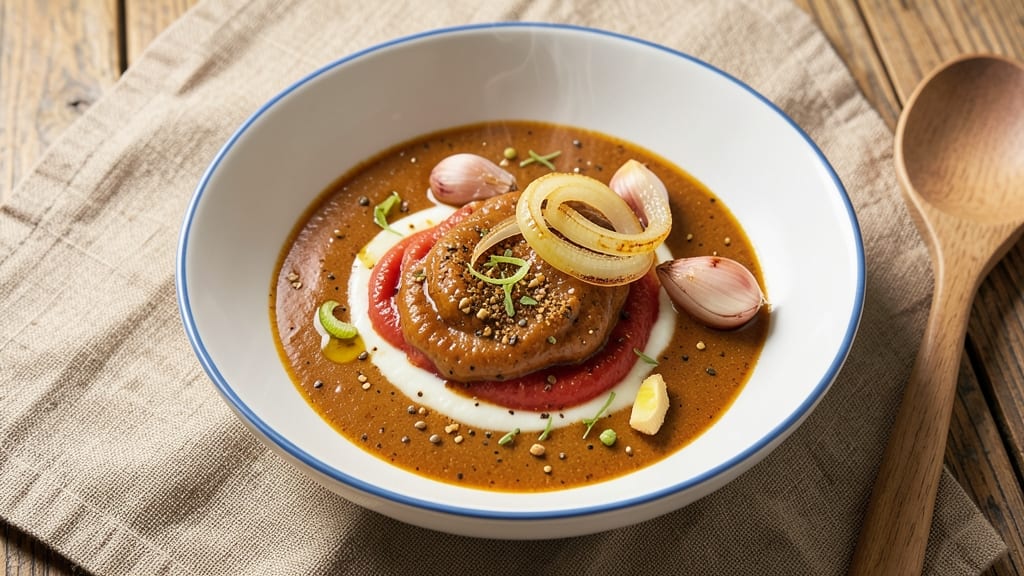
This McDonnell's curry sauce recipe delivers the perfect balance of bold spices and creamy richness for dishes that taste like they simmered for hours. The secret lies in a precise blend of curry powder, coconut milk, and aromatic spices that transform simple proteins and vegetables into restaurant-quality meals.
I developed this recipe after years of testing—it's the one sauce that consistently earns "best ever" from my family, whether poured over chicken, rice, or even roasted potatoes.
The beauty of this sauce is its versatility—thick enough to coat proteins like a glaze, yet light enough to simmer into stews without weighing them down. A touch of tomato paste deepens the flavor, while a splash of coconut milk adds that signature velvety texture.
The spices are toasted just enough to release their aromas without burning, creating layers of warmth that build as the sauce simmers. It's the kind of sauce that turns a weeknight dinner into something special with minimal effort.
What sets this recipe apart is its adaptability—reduce it for a thicker, more concentrated glaze or thin it with broth for a lighter curry sauce. The heat level can be adjusted with cayenne or left mild for family-friendly meals.
Once you taste the way the spices meld together, you'll want to make a big batch and keep it on hand for quick, flavorful dinners. The aroma alone will have everyone gathered around the table before the sauce even hits the stove.
Perfect for curries, stews, or even as a marinade, this sauce keeps well in the refrigerator for up to a week or freezes beautifully for months. Whether you're cooking for two or feeding a crowd, it's the one sauce that elevates every dish it touches.
Let's get started—your taste buds will thank you.
Ingredients for mcdonnells curry sauce
Twelve simple ingredients transform into the sauce that makes everything taste extraordinary.
| Ingredient | Amount | Notes |
|---|---|---|
| Curry Powder 🌶️ | 2 tbsp | Mild or medium heat preferred |
| Coconut Milk 🥥 | 1 can | Full-fat, 13.5 oz can |
| Tomato Paste 🍅 | 1 tbsp | Smooth, no sugar added |
| Garlic Cloves 🧄 | 3 cloves | Fresh, minced finely |
| Ginger Root 🌿 | 1 tbsp | Fresh, grated finely |
| Yellow Onion 🧅 | 1 medium | Diced small |
| Ground Cumin 🌿 | 1 tsp | Toasted for depth |
| Ground Coriander 🌿 | 1 tsp | Freshly ground preferred |
| Turmeric Powder 🌶️ | ½ tsp | Bright orange color |
| Cayenne Pepper 🔥 | ¼ tsp | Adjust for heat preference |
| Chicken Broth 💧 | ½ cup | Low-sodium preferred |
| Extra-Virgin Olive Oil 🫒 | 1 tbsp | For toasting spices |
| Salt 🧂 | ½ tsp | Kosher or sea salt |
| Black Pepper 🌶️ | ¼ tsp | Freshly ground |
Curry powder is the heart of this sauce—Penzeys or Badia brands have the most complex flavor profiles. The coconut milk? Full-fat only—it's what gives that velvety texture. I always grab Thai Kitchen or Aroy-D cans from the international aisle at Kroger—they're the most consistent. Fresh ginger and garlic are non-negotiable here; the sauce just doesn't have the same depth with powdered versions. Toast your spices in the olive oil first—this releases their aromas and makes the whole kitchen smell amazing. That's where the magic starts.
No curry powder? Mix 1 tsp each of coriander, cumin, turmeric, and paprika—it's not identical but gets you close. Running low on coconut milk? Greek yogurt thinned with water works in a pinch (though texture will differ). Fresh ginger too fibrous? Substitute with powdered ginger at half the amount. The tomato paste can be the squeeze tube kind—Trader Joe's sells them for $1.50 and they last forever. For extra richness, add a splash of cashew cream at the end. Want it spicier? Add a pinch of hot paprika instead of cayenne.
This sauce keeps for 5-7 days in the fridge, sealed tightly. The flavor actually improves after the first day as everything melds together. For long-term storage, freeze in ice cube trays—perfect for adding to dishes later. If it thickens too much when refrigerated, just whisk in a splash of warm water or broth. I make double batches all the time—it disappears faster than you'd think. The aroma alone makes the kitchen feel like a little piece of India, and that's worth every minute of simmering.
Why You'll Love This Recipe
- Pantry Magic: I swear by this sauce because it uses stuff I always have—no last-minute grocery runs. Just curry powder, coconut milk, and a few pantry staples, and boom, you’re golden. The tomato paste gives it that deep, rich base without needing fancy ingredients.
- Ginger-Garlic Punch: That fresh ginger and garlic combo? It’s the secret weapon. The ginger adds a bright, zesty kick while the garlic deepens the flavor—simple spices that make the whole dish sing. Honestly, the aroma alone makes me want to eat it straight from the pot.
- Leftovers That Beg: This sauce keeps like a champ in the fridge, and it only gets better the next day. Toss it with rice, chicken, or even eggs—it’s my go-to for lazy mornings or quick dinners. Between us, I’ve reheated this stuff three times and still crave it.
- Budget-Friendly Flex: A single batch feeds my family for days, and the ingredients cost less than takeout. The coconut milk makes it feel luxurious, but the curry powder and tomato paste keep it affordable. It’s my reliable, wallet-friendly way to add flavor without breaking the bank.
Step-by-step instructions for McDonnell's curry sauce
Here's how to create a rich, aromatic curry sauce that brings bold flavor to any dish.
Toast the Spices for Maximum Flavor
Heat the 1 tablespoon extra-virgin olive oil in a medium saucepan over medium heat. Add the 2 tablespoons curry powder, 1 teaspoon ground cumin, 1 teaspoon ground coriander, ½ teaspoon turmeric powder, and ¼ teaspoon cayenne pepper. Stir constantly for 1-2 minutes until the spices are fragrant and the curry powder darkens slightly—this releases their essential oils and deepens the flavor.
Here's the thing—don't walk away. Watch the spices closely so they don't burn. You're looking for a toasted aroma, not smoke. If it starts to smell bitter, remove it from heat immediately. The spices should look slightly darker but not charred.
Sauté Aromatics Until Soft and Fragrant
Add the diced yellow onion to the spice mixture and cook for 5 minutes until softened and translucent. Stir in the 3 minced garlic cloves and 1 tablespoon grated ginger root, cooking for another 1 minute until the garlic becomes golden and fragrant.
I like to press the garlic and ginger into the onions with a wooden spoon during the last 30 seconds of cooking. This ensures they break down completely and infuse the sauce with their bright flavors. If you notice the garlic starting to brown too quickly, reduce the heat slightly to prevent bitterness.
Build the Sauce Base with Tomato and Broth
Stir in the 1 tablespoon tomato paste and cook for 1 minute to remove its raw taste. Pour in the ½ cup chicken broth and scrape up any browned bits from the bottom of the pan—these contain concentrated flavor. Bring the mixture to a gentle simmer and let it cook for 3-4 minutes until slightly thickened.
This step develops the sauce's depth. You'll see it transform from a loose mixture into a rich, velvety base. The broth helps dissolve all the spices and tomato paste, creating the foundation for the coconut milk to come. If the mixture looks too dry, add a splash of water—but don't overdo it, as we'll be adding coconut milk next.
Finish with Coconut Milk and Season
Pour in the 1 can coconut milk (do not shake the can first—this keeps the sauce creamy). Stir in the ½ teaspoon salt and ¼ teaspoon black pepper, then bring the sauce to a gentle simmer. Let it cook uncovered for 8-10 minutes, stirring occasionally, until it thickens slightly and the coconut milk separates slightly on top.
The sauce should coat the back of a spoon with a luxurious, velvety consistency. If it's too thin, simmer uncovered for another 2-3 minutes to reduce. For extra richness, you can stir in 1 tablespoon unsalted butter at the end, but it's not required. The sauce should smell like a spice market—warm, earthy, and slightly sweet from the coconut.
Adjust Consistency and Serve
Taste the sauce and adjust seasoning if needed. You might need a pinch more salt or cayenne for heat. For a smoother texture, use an immersion blender to blend briefly (about 10 seconds). If you prefer some texture, leave it as is—the toasted spices will add wonderful depth.
This curry sauce is incredibly versatile. Use it immediately over rice, chicken, or vegetables, or let it cool and store in the refrigerator for up to 5 days. Reheat gently on the stove, stirring in a splash of water or broth if it thickens too much. The flavors only get better with time as they meld together.
Pro Tips For Making Mcdonnells Curry Sauce
- Bloom the Spices First: Dump that curry powder straight in the pot? Bad move. Toast it in a dry pan for 30 seconds until fragrant—it deepens the flavor and cuts through the coconut milk’s richness. I learned this the hard way after making a batch that tasted flat until I realized I’d skipped this step.
- Peel Ginger Like a Pro: Skip the messy peeling with a spoon—just scrub the root under cold water, then use a microplane to zest off the skin and flesh in one go. No peeling required, and you’ll get finer, more flavorful bits than chopping. (Yes, even if you’re impatient like me.)
- Simmer the Tomato Paste: Don’t just stir in that tomato paste and call it done. Cook it with the garlic and ginger for 2–3 minutes first—it caramelizes slightly and blends smoother into the sauce. I used to rush this, and the sauce always had a raw, grainy texture.
- Use Full-Fat Coconut Milk: Light coconut milk? Save it for smoothies. The full-fat version (40% or higher) gives the curry a velvety texture and richer flavor without separating. If you’re in a pinch, whisk in 1 tablespoon of cornstarch with the coconut milk first—it’ll thicken the sauce faster and prevent curdling.
Dietary considerations for this dish
Gluten-Free Adaptations
This curry sauce is naturally gluten-free as written, but always double-check your ingredients—especially the curry powder and chicken broth. I use Pacific Foods gluten-free curry powder and Imagine Foods gluten-free broth to ensure safety.
The coconut milk and tomato paste are also typically gluten-free, but verify labels if you're highly sensitive. For extra precaution, toast your spices in a dedicated gluten-free pan. 🌱
Dairy-Free Options
No dairy is used in this recipe, making it perfect for lactose-intolerant diets. The coconut milk provides richness without dairy, and the spices create depth naturally. If you want to add a creamy element, stir in unsweetened coconut yogurt or cashew cream at the end.
I love So Delicious coconut yogurt for a tangy twist—just 2 tablespoons at the finish adds a lovely texture.
Lower-Carb Adjustments
To make this keto-friendly, reduce the tomato paste to ½ tablespoon and replace the ½ cup chicken broth with ½ cup water or bone broth for fewer carbs. The coconut milk is already low-carb, and the spices add zero carbs.
For extra flavor without carbs, add 1 tablespoon nutritional yeast at the end—it adds a cheesy, umami note. This version clocks in at just 3g net carbs per serving.
Nut-Free Considerations
This sauce is nut-free as written, but coconut milk is a common allergen. If avoiding all nuts, look for coconut milk labeled "nut-free" or use oat milk (unsweetened) as a substitute. The texture will be lighter, but the flavors remain rich.
For binding, add 1 tablespoon arrowroot powder mixed with 2 tablespoons water to thicken the sauce. Always check labels on spices too—some blends contain nut fillers.
Spice-Free Alternative
For a milder version, reduce the cayenne pepper to ⅛ teaspoon or omit it entirely. Replace the 2 tablespoons curry powder with 1 tablespoon mild curry powder and 1 teaspoon ground turmeric for color without heat.
The ginger and garlic still add depth, but the sauce becomes gentle enough for sensitive palates. This version is perfect for kids or those avoiding spicy foods while keeping the signature flavor. 🌶️
Nutrition facts
Frequently asked questions
Can I make this curry sauce without coconut milk?
Yes! For a dairy-free alternative, substitute 1 cup plain Greek yogurt or ½ cup cashew cream for the coconut milk. The sauce will have a slightly tangier flavor but still work beautifully. If you're avoiding dairy entirely, use unsweetened almond milk (thickened with 1 tablespoon cornstarch) for a lighter version. The texture will be thinner, so reduce it longer to achieve the same consistency.
How do I adjust the heat level in this sauce?
Start with the ¼ teaspoon cayenne pepper as written, then adjust to taste. For mild heat, reduce to ⅛ teaspoon or omit entirely. For extra spice, add ½ teaspoon crushed red pepper flakes or 1 teaspoon gochujang at the end. If you love intense heat, toast ½ teaspoon smoked paprika with the spices for a deep, smoky kick. Always taste before serving—you can always add more heat, but you can't take it out!
Can I use this sauce as a marinade?
This curry sauce makes an excellent marinade for chicken, shrimp, or tofu. Use ½ cup sauce per pound of protein and marinate for 30 minutes to 2 hours in the refrigerator. For extra tenderness, add 1 tablespoon honey or 1 teaspoon brown sugar to the marinade. The sauce's spices will penetrate the meat beautifully, creating a flavorful crust when grilled or pan-seared. Just reserve 2 tablespoons of the marinade to use as a glaze at the end.
Why did my curry sauce separate?
Separation happens when coconut milk isn't heated gently or the sauce sits too long. To fix it, whisk in 1 tablespoon cold water or 1 teaspoon arrowroot powder mixed with 1 tablespoon water, then simmer for 1-2 minutes until smooth. For prevention, always stir occasionally while simmering and avoid boiling. If storing, let the sauce cool slightly before refrigerating to minimize separation. A quick blend with an immersion blender also works wonders for restoring creaminess.
What's the best way to store leftovers?
Store in an airtight container in the refrigerator for up to 5-7 days. The flavors actually improve over time as the spices meld. For long-term storage, freeze in ice cube trays—thaw cubes in the fridge overnight and use as needed. To reheat, warm gently on the stove over low heat, stirring in 1 tablespoon water or broth if it thickens too much. The sauce should never boil when reheating to prevent separation.