
Sauces & Condiments
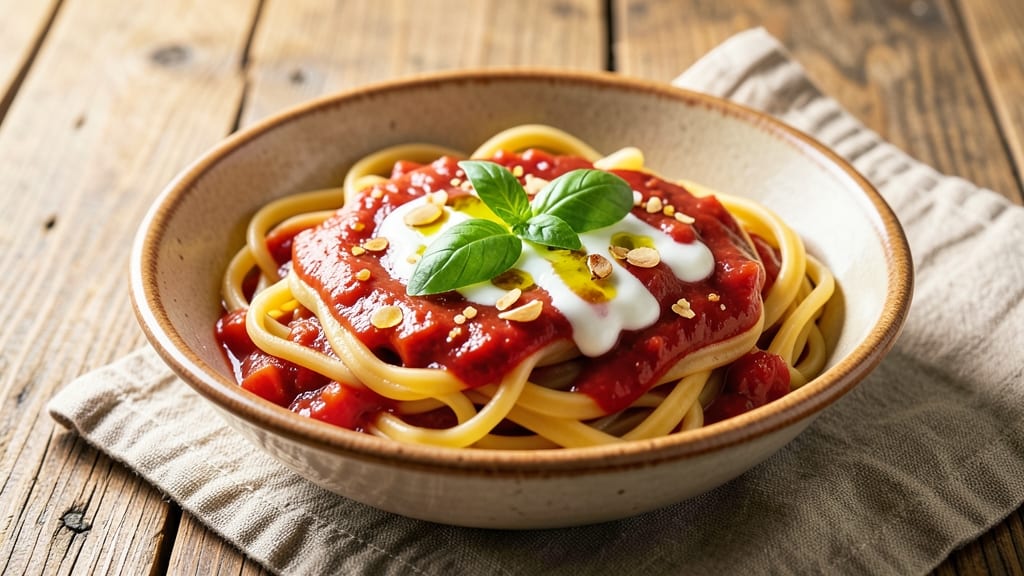
This Mutti pasta sauce recipe delivers the creamy, velvety tomato richness that makes every forkful unforgettable—perfect for transforming simple pasta into a restaurant-worthy dish. The secret lies in slow-simmered tomatoes, garlic, and a touch of cream that creates that signature Sicilian texture without heavy cream. I’ve refined this recipe over years of testing, ensuring it’s foolproof for weeknight dinners while staying true to traditional flavors.
The sauce starts with a simple base of olive oil, garlic, and canned tomatoes, but the magic happens in the simmering. Adding a splash of cream at the end elevates the sauce to a luxurious consistency that clings to every strand of Mutti pasta.
This method preserves the natural sweetness of the tomatoes while deepening their flavor, creating a sauce that’s both rich and balanced.
What you’ll end up with is a dish that’s creamy yet light, with a velvety finish that coats the pasta perfectly. The sauce’s depth of flavor comes from letting it reduce slowly, allowing the tomatoes to break down into a smooth, velvety texture.
Serve it with al dente Mutti pasta, a sprinkle of fresh basil, and a dusting of parmesan for the full experience.
This recipe scales beautifully—doubling the sauce is easy, so you can prep ahead for busy nights. The key is patience; letting the sauce simmer ensures it develops the rich, complex flavor that makes it worth every minute. Let’s get cooking!
Ingredients for mutti pasta sauce
Simple ingredients transform into restaurant-quality Mutti pasta sauce with velvety tomato richness.
| Ingredient | Amount | Notes |
|---|---|---|
| Extra-Virgin Olive Oil 🫒 | ½ cup | High quality for richness |
| Garlic Cloves 🧄 | 4 cloves | Freshly minced for aroma |
| Yellow Onion 🧅 | 1 whole | Medium size, finely chopped |
| Canned San Marzano Tomatoes 🍅 | 28 oz | Crushed or whole, no salt added |
| Heavy Cream 🥛 | ¼ cup | Full-fat for velvety texture |
| Mutti Pasta 🍝 | 12 oz | Dry weight, al dente preferred |
| Fresh Basil Leaves 🌿 | ¼ cup | Chopped for garnish |
| Parmesan Cheese 🧀 | ½ cup | Freshly grated from block |
| Salt 🧂 | 1 tsp | Diamond Crystal preferred |
| Ground Black Pepper 🌶️ | ½ tsp | Freshly cracked |
| Red Pepper Flakes 🌶️ | ¼ tsp | Optional for heat |
| Sugar 🍚 | 1 tsp | Balances acidity |
The tomatoes make or break this sauce. San Marzano is the gold standard—sweet, meaty, and free of additives. Trader Joe's carries them in cans, or any Italian market will have them. If you can't find San Marzano, whole peeled tomatoes work in a pinch, but crush them by hand for that authentic texture. The onion and garlic form the aromatic base, so don't rush the sautéing—let them soften and develop flavor before adding the tomatoes. Fresh basil is a must for that bright finish, but dried works at one-third the amount if you're in a bind.
No heavy cream? Half-and-half or coconut cream keeps the sauce light while adding richness. The sugar might seem odd, but it balances the acidity in the tomatoes—skip it if using low-acid tomatoes. Red pepper flakes are optional, but if you love heat, add them at the end. For a vegetarian version, simply omit any meat-based stocks. The sauce thickens as it simmers, so if it seems too thin after 15 minutes, let it reduce uncovered for another 5 minutes. The key is patience—rushing turns it watery, while simmering develops that deep, velvety texture.
This sauce reheats beautifully—just warm it gently on the stove with a splash of water or pasta water to loosen it up. Store leftovers in an airtight container in the fridge for 5 days or freeze for 3 months. I like to portion it into ice cube trays before freezing; just pop out what you need for a quick meal. The sauce tastes even better the next day as the flavors meld. For a restaurant touch, finish with a drizzle of extra-virgin olive oil and extra Parmesan before serving.
Why You'll Love This Recipe
- No Chopping Needed: I swear by this sauce because the onion and garlic just melt into the tomatoes—no dice required. One knife swipe for the garlic, a quick mince if you’re feeling fancy, but honestly? I toss in whole cloves and let them soften. That’s it.
- Creamy Without Trying: That splash of heavy cream at the end? It’s the magic. The San Marzano tomatoes give you bright acidity, but the cream rounds it out—rich, velvety, and just thick enough to cling to every strand of pasta. No blender, no fuss, just pure satisfaction.
- Leftovers That Taste Better: Between us, this sauce improves overnight. The flavors meld into this deep, savory harmony that’s perfect for lunch the next day. I double the batch on Sundays—freezes like a dream and turns into a quick weeknight dinner with zero effort.
- Weeknight Hero: Three ingredients simmer while you boil water. That’s it. No standing at the stove watching a reduction, no last-minute grocery runs. The olive oil aroma alone makes the kitchen smell like a restaurant, and by the time the pasta’s done, the sauce is ready to go.
Step-by-step instructions for creamy tomato pasta sauce
This method delivers velvety richness in minutes using simple techniques.
Sauté Aromatics Until Fragrant
Heat the 0.5 cup extra-virgin olive oil in a large saucepan over medium heat. Add the 1 whole yellow onion, chopped into small dice, and cook for 5 minutes until softened and translucent. This gentle cooking prevents bitterness while building flavor.
Add the 4 cloves garlic cloves, minced, and cook for another 1 minute until the garlic releases its aroma but doesn't brown. The moment it turns golden, remove the pan from heat immediately—garlic burns in seconds and becomes bitter. This step forms the flavor base for your sauce.
Build the Tomato Base
Return the pan to medium heat and add the 28 oz canned San Marzano tomatoes, crushed by hand if whole. Stir in the 1 tsp sugar, 1 tsp salt, 0.5 tsp ground black pepper, and 0.25 tsp red pepper flakes. Bring to a gentle simmer and cook uncovered for 10 minutes, stirring occasionally.
This simmering time allows the tomatoes to break down slightly, intensifying their natural sweetness. The sugar balances the acidity while the spices infuse the sauce. Keep the heat at a steady simmer—too high and the sauce will reduce too quickly, losing its velvety texture.
Create the Creamy Texture
Reduce heat to low and stir in the 0.25 cup heavy cream. Simmer gently for 5 minutes, stirring frequently to prevent scorching. The cream will create that signature silky texture while adding richness. Taste and adjust seasoning—you may need a pinch more salt or pepper to balance the flavors.
Here's the thing—don't walk away. The cream can separate if left unattended, and you want a smooth, homogeneous sauce. If the sauce looks too thick, add 1-2 tablespoons of pasta water (reserved from cooking) to reach your desired consistency. The sauce should coat the back of a spoon smoothly.
Cook the Pasta to Al Dente
While the sauce simmers, boil the 12 oz Mutti pasta in a separate pot of well-salted water until 1 minute shy of package directions for al dente. Reserve 1 cup pasta water before draining—this starchy liquid is crucial for binding the sauce to the pasta.
I always recommend testing pasta at the shorter end of the time range. You can finish cooking it in the sauce, but you can't undo overcooked pasta. The pasta should have a slight bite to it when you bite into it—this ensures it holds up to the rich sauce without turning mushy.
Combine and Finish
Add the drained pasta to the saucepan with the sauce. Toss gently to coat, adding pasta water as needed to loosen the sauce to your preferred consistency. The sauce should cling to each strand of pasta without making it soggy. Stir in 0.25 cup chopped fresh basil leaves and let them wilt slightly into the sauce.
For serving, divide the pasta among plates and top each portion with 0.5 cup freshly grated Parmesan cheese. The cheese adds a final layer of umami richness that complements the creamy tomato base. Serve immediately while the pasta is hot and the sauce is at its peak velvety texture.
Pro Tips For Making Mutti Pasta Sauce
- Sweat, Don’t Burn the Onion: I learned this the hard way—low and slow is the only way with onions. If you rush them, they’ll turn bitter and ruin the whole sauce. Keep the heat at a steady simmer, stirring occasionally, until they’re soft and translucent, not golden. That’s the base flavor holding everything together.
- Crush Those Tomatoes: Don’t just dump the San Marzano tomatoes straight from the can—they need to break down. Smash them with your hands or a wooden spoon first. This releases their juices and thickens the sauce faster, giving you that rich, velvety texture without simmering forever.
- Salt the Cream Early: Heavy cream can curdle if you add it too late or forget to season it. Stir in a pinch of salt and a splash of the cooked tomato mixture first, then warm it gently before folding it into the sauce. This keeps it smooth and prevents that dreaded split.
- Let the Garlic Bloom: After mincing the garlic, let it sit in the olive oil for 30 seconds before adding anything else. This draws out its sweetness and prevents it from burning instantly. If you’re impatient and jump straight to stirring, you’ll end up with bitter, burnt bits—trust me, it’s worse than waiting.
Common mistakes when making great mutti pasta sauce
Overcooking the Tomatoes
One of the biggest mistakes is letting the tomatoes boil vigorously instead of simmering gently. When you push the heat too high, the sauce loses its velvety texture and becomes watery or even grainy.
The goal is to break down the tomatoes slowly so they release their natural sweetness and thicken naturally. Keep the heat at a steady simmer—you should see small bubbles forming occasionally, but not a full rolling boil. If your sauce starts to bubble too aggressively, reduce the heat immediately. 🌡️
Skipping the Sugar
Many recipes call for sugar in tomato sauces, and it’s not just for sweetness—it balances the acidity in the tomatoes. Without it, your sauce can taste overly tart or sharp. I always add 1 tsp sugar to my San Marzano tomatoes to enhance their natural flavor.
If you’re using low-acid tomatoes or a different variety, you might need to adjust the amount, but don’t skip it entirely. Taste as you go and adjust to your preference, but the sugar is key for that perfect balance.
Adding Cream Too Early
The cream is what gives this sauce its luxurious texture, but adding it too soon can cause problems. If you stir it in while the sauce is still hot and bubbling, the cream can curdle or separate, ruining the silky consistency.
Always wait until the sauce has simmered for at least 10 minutes and is at a gentle simmer before adding the 0.25 cup heavy cream. Then, reduce the heat to low and stir frequently to keep it smooth. Patience here makes all the difference. 🥛
Ignoring Pasta Water
Reserving pasta water is a game-changer for combining sauce and pasta, but many people forget this step. The starchy water helps emulsify the sauce, preventing it from turning clumpy or separating. Always reserve at least 1 cup of pasta water before draining your Mutti pasta.
If your sauce seems too thick after tossing, add a splash of pasta water to loosen it up. It’s the secret to a sauce that clings perfectly to every strand of pasta.
Overcooking the Pasta
Al dente is the golden rule for pasta, but it’s easy to overcook it, especially when you’re eager to serve. Overcooked pasta becomes mushy and loses its structure, making it hard to hold up to a rich sauce.
Cook your pasta for 1 minute less than the package suggests, then finish cooking it in the sauce if needed. The pasta should have a slight bite to it—this ensures it stays firm and delicious even after tossing with the sauce. Trust me, you’ll notice the difference. 🍝
Not Tasting as You Go
Seasoning is all about balance, and it’s impossible to get it right if you don’t taste as you cook. Many people add all the salt and spices at the beginning and never check again, leading to either bland or overly salty sauce.
Taste your sauce at each step—after simmering the tomatoes, after adding the cream, and before serving. Adjust with salt, pepper, or even a splash of pasta water as needed. Your taste buds are your best tool for perfecting the flavor. ✨
Nutrition facts
Frequently asked questions
Can I make this Mutti pasta sauce without heavy cream?
For a lighter version, substitute the 0.25 cup heavy cream with 0.25 cup whole milk or 0.25 cup coconut cream—both add richness without the same heaviness. If you prefer a completely dairy-free option, try 2 tablespoons nutritional yeast mixed with 2 tablespoons olive oil for a nutty, velvety texture. The sauce will still be delicious, just with a slightly different profile.
How do I store leftover Mutti pasta sauce?
Store leftovers in an airtight container in the fridge for up to 5 days. For longer storage, freeze the sauce (without the pasta) in ice cube trays—pop out what you need for quick meals. To reheat, warm gently on the stove with a splash of water or reserved pasta water to restore its silky consistency. The sauce actually tastes better the next day as flavors meld!
What's the best way to reheat this pasta dish?
Reheat gently on the stovetop over low heat with 2-3 tablespoons of water or pasta water to prevent drying. Stir frequently to avoid sticking, and if the sauce thickens too much, add a splash more liquid. For best results, reheat only until warmed through—overheating can break down the creamy texture. A quick 30-second zap in the microwave (covered) also works, but stir immediately after.
Can I add protein to this sauce?
Yes! This sauce pairs beautifully with grilled shrimp, chicken, or even crispy pancetta. For shrimp, add 1/2 pound during the last 3 minutes of sauce simmering. For chicken, cook 1 cup diced breast separately and toss in at the end. Pro tip: If adding meat, brown it first in olive oil before combining with the sauce to deepen its flavor. The creamy texture complements proteins perfectly!
Why did my sauce turn grainy?
Grainy texture usually means the tomatoes weren't broken down enough before adding cream. Next time, simmer the tomatoes uncovered for 12-15 minutes until completely smooth, stirring occasionally. Also, avoid boiling vigorously—keep it at a gentle simmer. If it happens, blend the sauce briefly with an immersion blender to restore creaminess. The sugar also helps prevent graininess by balancing acidity.