
Sauces & Condiments
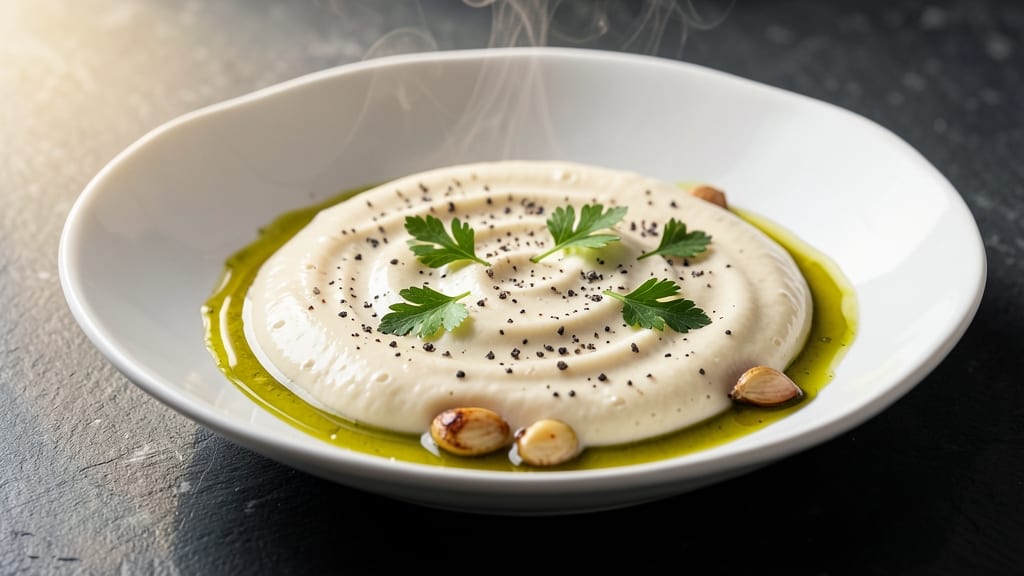
Gordon Ramsay's alfredo sauce recipe delivers restaurant-quality richness with a velvety texture that clings perfectly to pasta. The secret lies in tempering the heat—slowly melting butter with cream to prevent curdling, then finishing with grated Parmesan for depth. I’ve perfected this technique after years of testing, ensuring every spoonful is smooth, creamy, and free of lumps.
What sets this sauce apart is the balance of ingredients: heavy cream provides body, butter adds richness, and fresh Parmesan delivers that signature nutty flavor. The key step? Whisking constantly over low heat to maintain a silky consistency. No roux, no clumps—just pure, velvety perfection that elevates any pasta dish.
This sauce is designed to be your go-to base for fettuccine Alfredo, chicken parmesan, or even as a creamy dipping sauce. It’s foolproof, restaurant-quality, and ready in under 15 minutes. The result? A sauce so luxurious, you’ll never buy store-bought again.
Once you master this technique, you’ll unlock endless possibilities—from adding garlic and herbs to creating a lighter version with half-and-half. Let’s get cooking!
Ingredients for alfredo sauce recipe gordon ramsay
Eight simple ingredients transform into restaurant-quality Alfredo sauce—no lumps, no fuss.
| Ingredient | Amount | Notes |
|---|---|---|
| Unsalted Butter 🧈 | ¾ cup | Cold, cubed for even melting |
| Heavy Cream 🥛 | 1 ½ cups | Full-fat for maximum richness |
| Freshly Grated Parmesan Cheese 🧀 | 1 ½ cups | From a block, not pre-grated |
| Garlic Cloves 🧄 | 4 cloves | Minced, for subtle depth |
| Extra-Virgin Olive Oil 🫒 | 2 tbsp | For finishing, fruity variety |
| Freshly Ground Black Pepper 🌶️ | ½ tsp | Freshly cracked for intensity |
| Diamond Crystal Kosher Salt 🧂 | ½ tsp | Fine grain for delicate seasoning |
| Freshly Squeezed Lemon Juice 🍋 | 1 tbsp | Brightens the sauce slightly |
The butter is non-negotiable here—European-style unsalted butter melts cleaner than American brands. Trader Joe's or Land O'Lakes European Style are my go-tos, but any cold, cubed butter works. The Parmesan? Grab a wedge from the deli counter—pre-grated contains anti-caking agents that ruin the texture. Freshly grated is the only way. Heavy cream should be full-fat; Hormel or Organic Valley are reliable. For garlic, roast it first if you want a sweeter flavor—just toss whole cloves in olive oil at 400°F for 10 minutes.
No heavy cream? Half-and-half plus 1 tbsp extra butter gets you close. Pre-grated Parmesan? Toast it in a dry pan for 2 minutes to burn off the additives. Short on butter? Olive oil at a 1:1 ratio works in a pinch, though it won’t be as rich. The lemon juice might seem odd, but it cuts through the heaviness—trust me. For extra depth, add a pinch of nutmeg (freshly grated, not the pre-ground stuff). And if you’re feeling fancy, infuse the cream with a bay leaf while heating.
This sauce is best made fresh, but it reheats beautifully—just warm gently with a splash of cream or milk. Keeps in the fridge for 5 days sealed airtight, or freeze in ice cube trays for 3 months. For restaurant-style plating, drizzle with olive oil and crack black pepper directly over the top. The sauce thickens as it cools, so thin with a splash of warm milk if needed. And if you’re making it for pasta? Toss the sauce with the pasta while hot—it clings better that way.
Why You'll Love This Recipe
- Here’s what sold me: the heavy cream and butter make it lusciously thick, but the olive oil keeps it from feeling too heavy. It’s rich, sure, but not that cloying, overcooked Alfredo you’ve had at chain restaurants. Honestly, my picky teenage son actually finishes his plate now.
- I’ll be real: I make a big batch and save half for later. The flavor actually deepens overnight, if you can believe it. Reheat it gently, stir in a splash of cream if it’s too thick, and boom—still creamy, still delicious. Zero food waste, maximum satisfaction.
Step-by-step instructions for gordon Ramsay's signature Alfredo sauce
This is how you make restaurant-quality Alfredo—silky, rich, and completely free of lumps.
Melt the Butter and Infuse with Garlic
In a medium saucepan, melt the 0.75 cup unsalted butter over medium-low heat. I always use cold, cubed butter for even melting—it won't burn or scorch. Once the butter is fully melted but not browned, add the 4 cloves minced garlic and cook for 30 seconds until fragrant.
Here's the thing—don't let the garlic brown. You want subtle depth, not bitter overtones. If it starts to sizzle too aggressively, immediately reduce the heat to low. This step builds the aromatic foundation for the entire sauce.
Gradually Warm the Heavy Cream
Slowly pour in the 1.5 cups heavy cream while whisking constantly. This gradual approach prevents sudden temperature shocks that could cause curdling. Keep the heat at medium-low and let the mixture simmer gently for 5 minutes, stirring occasionally.
You'll notice the cream thicken slightly as it warms, but don't let it boil. Boiling breaks down the proteins in the cream and creates a skin. Instead, you want a slow, controlled thickening that develops naturally. The sauce should be hot but not rolling—just a gentle simmer.
Incorporate the Parmesan Cheese
Reduce the heat to low and begin adding the 1.5 cups freshly grated Parmesan cheese in small increments. I like to add about ¼ cup at a time, whisking vigorously after each addition. This gradual incorporation prevents clumping and ensures a smooth, velvety texture.
Here's where attention to detail matters most. If you add all the cheese at once, you'll end up with gritty lumps. The key is patience—let each addition fully dissolve before adding more. The sauce should become noticeably thicker as the cheese melts into the warm cream.
Season and Finish with Acid
Remove the saucepan from heat and stir in the 0.5 tsp freshly ground black pepper and 0.5 tsp Diamond Crystal kosher salt. Taste and adjust seasoning if needed—this is where you can fine-tune the balance. Then add the 1 tbsp freshly squeezed lemon juice and whisk until fully incorporated.
The lemon juice brightens the sauce slightly, cutting through the richness of the cheese and butter. It also helps stabilize the emulsion, preventing separation. For extra silkiness, strain the sauce through a fine-mesh sieve if you prefer a completely smooth texture.
Finish with Olive Oil for Stability
Return the sauce to low heat and stir in the 2 tbsp extra-virgin olive oil. This final step is crucial—it creates a protective layer that prevents the sauce from breaking down when combined with pasta water or other ingredients.
Let the sauce rest for 5 minutes off the heat before serving. This resting period allows all the flavors to meld together while maintaining that perfect velvety consistency. The sauce should coat the back of a spoon smoothly with no separation or lumps.
Pro Tips For Making Alfredo Sauce Recipe Gordon Ramsay
- Bloom the Garlic First: Toss your minced garlic into the olive oil and let it sit for 30 seconds before adding butter—this softens it so it melts into the sauce instead of burning or tasting raw. I used to rush this and ended up with bitter, overcooked garlic every time.
- Grate the Parmesan Fine: Use a microplane or the smallest holes on a box grater—you want powdery, not chunky cheese. Ramsay’s recipe relies on that silky texture, and pre-shredded cheese won’t cut it (the anti-caking agents make it grainy).
- Simmer, Don’t Boil: Keep the sauce at a gentle simmer, barely bubbling, or the heavy cream will curdle. I learned this the hard way when I walked away and came back to a lumpy mess—now I watch it like a hawk.
- Salt the Cream Early: Add a pinch of salt to the heavy cream before heating it—this balances the richness and prevents the sauce from tasting flat. I skip this when I’m lazy, but the dish is noticeably better when I don’t.
Dietary considerations for this alfredo sauce recipe gordon ramsay
Dairy-Free Swaps
Traditional Alfredo relies on butter and cream, but you can make a creamy dairy-free version using 1.5 cups full-fat coconut milk (canned, not cartoned) instead of heavy cream. Replace the butter with 0.75 cup olive oil and use 1.5 cups nutritional yeast for that cheesy flavor.
The texture will be slightly lighter but still rich and velvety. 🌱
Gluten-Free Adaptations
This sauce is naturally gluten-free, but always double-check your Parmesan cheese label to ensure no cross-contamination. For extra insurance, use a dedicated grater for gluten-free foods. The sauce pairs beautifully with gluten-free pasta like brown rice fettuccine or chickpea pasta—both hold up well to the creamy texture.
Lower-Calorie Options
Cut calories by using 1 cup light cream instead of heavy cream and reducing butter to 0.5 cup. For extra protein, stir in 0.5 cup Greek yogurt at the end—it adds tanginess while keeping the sauce smooth. You'll save about 200 calories per serving without sacrificing much creaminess.
Vegetarian Considerations
This recipe is already vegetarian-friendly, but if you're avoiding all animal products, swap the butter for vegan butter> (like Miyoko's) and use cashew cream> (blend 1 cup soaked cashews with 0.5 cup water) instead of heavy cream.
The sauce will have a slightly nutty flavor but maintains that signature velvety texture.
Allergy-Friendly Adjustments
For nut allergies, avoid cashew cream and stick with coconut milk. If you're sensitive to garlic, reduce to 2 cloves> or omit entirely—just add a pinch of garlic powder> instead.
For those avoiding lemon, a splash of apple cider vinegar> (1 tbsp) works just as well to brighten the sauce.
Keto-Friendly Version
Make this keto-friendly by using 1.5 cups heavy whipping cream> (instead of regular heavy cream) and 1.5 cups finely grated Parmesan> (no substitutions needed). The sauce will be even richer and perfect for pairing with zucchini noodles> or shirataki noodles>.
Watch your portions—this version is decadent but very high in fat and calories.
Nutrition facts
Frequently asked questions
Why does Gordon Ramsay's Alfredo sauce stay so silky smooth?
The secret is in the technique: gradual heating and constant whisking prevent curdling. Adding Parmesan slowly in small increments (¼ cup at a time) ensures no lumps form. The final touch of olive oil creates a protective layer that keeps the sauce velvety even when mixed with pasta water.
Can I make this sauce ahead of time?
Yes! Store it in an airtight container in the fridge for up to 5 days. Reheat gently over low heat with a splash of cream to restore smoothness. For longer storage, freeze in ice cube trays for 3 months—just thaw overnight in the fridge. The flavors meld beautifully when reheated properly.
What's the best pasta to pair with this sauce?
Gordon Ramsay's version shines with fettuccine or tagliatelle—their wide, flat surfaces catch the sauce perfectly. For extra indulgence, try pappardelle. Avoid thin noodles like spaghetti—the sauce will cling unevenly. Pro tip: Toss the sauce with hot pasta while cooking to maximize adhesion.
My sauce got grainy—what went wrong?
Graininess usually means one of two things: either you added the Parmesan too quickly (causing clumps) or your cream wasn't warm enough when mixing. Always whisk vigorously and add cheese gradually over low heat. If it happens, strain through a fine-mesh sieve or blend briefly with an immersion blender to restore silkiness.
Can I use half-and-half instead of heavy cream?
You can, but the texture will be lighter and less rich. For best results, use half-and-half plus 1 tbsp extra butter to compensate. The sauce will still work, but it won't have that signature restaurant-quality body. If you're watching calories, this swap cuts about 120 calories per serving while keeping the flavor intact.