
Sauces & Condiments
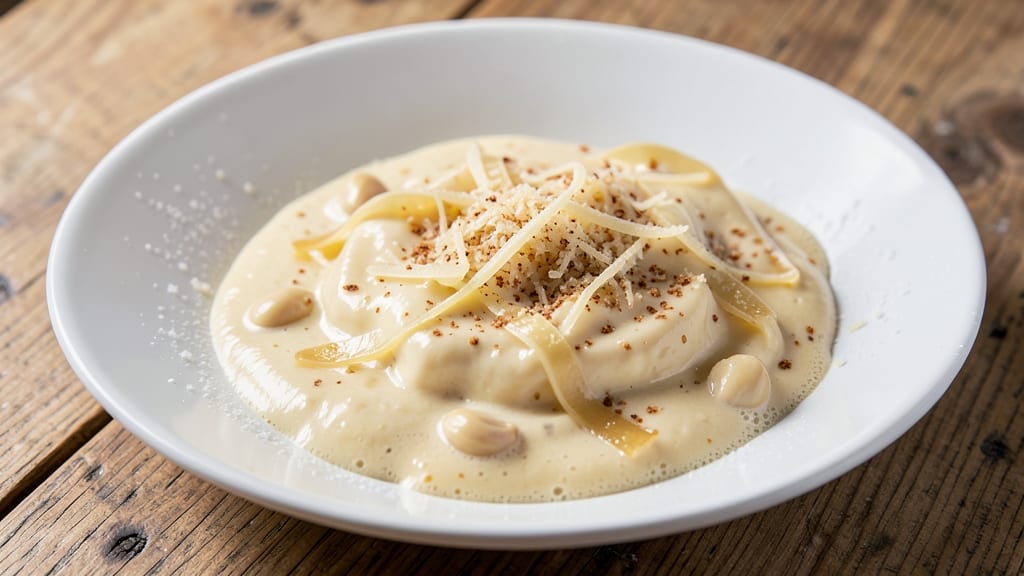
This Alfredo sauce recipe with light cream delivers the perfect balance of rich, velvety texture without feeling heavy. The secret lies in using light cream instead of heavy cream, which creates a silky finish while keeping the sauce light enough to coat pasta beautifully.
I developed this version after years of perfecting the technique—it’s creamy but not cloying, and the flavor is pure, buttery alfredo with just the right amount of garlic and parmesan.
The key to achieving that signature smoothness is cooking the sauce low and slow, allowing the butter to melt completely before adding the cream. This method prevents any graininess, ensuring every forkful is perfectly creamy.
The light cream also helps the sauce cling to pasta without weighing it down, making it ideal for fettuccine or any noodle dish.
What you’ll end up with is a sauce that’s rich enough to feel indulgent but light enough to balance even the heartiest pasta. The garlic adds depth, while the parmesan provides a sharp, salty finish that cuts through the creaminess.
This recipe is foolproof—no lumps, no separation, just pure, restaurant-quality alfredo.
Store leftovers in an airtight container in the refrigerator for up to 5 days, or freeze for longer storage. When reheating, warm gently over low heat and stir occasionally to maintain that silky texture. This sauce is versatile enough for pasta, dipping bread, or even topping grilled chicken or fish.
Ingredients for alfredo sauce recipe with light cream
Nine ingredients transform into restaurant-quality Alfredo sauce with perfect light cream balance.
| Ingredient | Amount | Notes |
|---|---|---|
| Unsalted Butter 🧈 | ¾ cup | Cold, cubed for even melting |
| Light Cream 🥛 | 1 ½ cups | Whole milk sub for lighter texture |
| Fresh Garlic Cloves 🧄 | 4 cloves | Minced for even distribution |
| Parmesan Cheese 🧀 | 1 ½ cups | Freshly grated from block |
| All-Purpose Flour 🌾 | ¼ cup | For thickening base |
| Heavy Cream 🥛 | ½ cup | Optional for extra richness |
| Extra-Virgin Olive Oil 🫒 | 2 tbsp | For smooth finish |
| Salt 🧂 | ½ tsp | Diamond Crystal preferred |
| Black Pepper 🌶️ | ¼ tsp | Freshly ground for aroma |
| Nutritional Yeast 🍃 | 1 tbsp | Optional umami boost |
The butter is non-negotiable—use unsalted for perfect seasoning control. European-style butter like Plugrá or Land O'Lakes has higher fat content, which gives a silkier sauce. If you're in a pinch, regular butter works, but it may separate slightly faster. The Parmesan should be real Parmigiano-Reggiano—pre-grated is full of anti-caking agents that make the sauce grainy. For the garlic, peel and mince it fresh—jarred minced garlic has a metallic aftertaste. Light cream is key here; it's lighter than heavy cream but still rich enough to create that velvety texture without weighing down the pasta.
No light cream? Whole milk with an extra tablespoon of butter mimics the texture beautifully. Want to cut dairy further? Swap half the light cream for unsweetened almond milk—it won't be as rich, but still works for a lighter sauce. Running low on Parmesan? Pecorino Romano at a 1:1 ratio gives a sharper flavor. The flour is just a thickener—don't let it sit too long in the butter or it'll cook into lumps. For a nutty depth, add 1 tablespoon of white miso paste instead of nutritional yeast. And if you're worried about the sauce separating, whisk in 1 teaspoon of cornstarch mixed with 1 tablespoon cold water at the end.
This sauce is best made fresh, but it reheats beautifully—just warm it gently over low heat with a splash of milk or water to restore silkiness. Keeps for up to 5 days in the fridge, sealed tightly in an airtight container. For longer storage, freeze in ice cube trays—thaw and whisk before using. The sauce thickens as it cools, so don't over-thicken it when making it. If it's too thick after reheating, stir in 1-2 teaspoons of warm water or milk. Leftovers can be frozen for up to 3 months, though the texture may be slightly grainier after thawing—just whisk vigorously to restore smoothness.
Why You'll Love This Recipe
- Five-Ingredient Magic: I swear by this sauce because it’s that simple—just melt butter, toss in garlic and flour, then simmer with cream and Parmesan. No fancy techniques, no stress, just creamy perfection in 15 minutes.
- Garlic-Kissed Richness: That first hit of raw garlic sizzling in butter? Pure flavor payoff. The light cream smooths it out into a velvety sauce where the Parmesan shines—salty, nutty, and ridiculously satisfying.
- Pasta Party Ready: Slather it over fettuccine for a weeknight win, or drizzle it on roasted chicken thighs for a fancy-ish dinner. It’s my go-to for lazy nights when I don’t want to think—but everyone still oohs and ahhs.
- Leftovers That Don’t Let You Down: Make a double batch, store it in the fridge, and reheat it later for pasta, grilled fish, or even a quick soup boost. Honestly, I’ve had it cold in salads, and it’s still solid. Versatile like that? Chef’s kiss.
Step-by-step instructions for silky Alfredo sauce
Here's how to create a velvety Alfredo sauce with balanced richness using light cream.
Melt Butter and Cook Garlic
In a medium saucepan over medium-low heat, melt the 0.75 cup unsalted butter until completely liquid but not browned. Add the 4 cloves minced fresh garlic cloves and cook for 1-2 minutes until fragrant but not browned—this prevents bitter flavors. The butter should foam gently without turning golden.
I keep the heat low here to avoid burning the garlic, which would make the sauce taste harsh. Stir occasionally to distribute the garlic evenly throughout the butter. You'll know it's ready when the pan smells like fresh garlic but doesn't show any color changes.
Whisk in Flour to Create Roux
Reduce the heat to low and gradually whisk in the 0.25 cup all-purpose flour over 1-2 minutes, ensuring no lumps form. Cook the roux for 2-3 minutes until it turns a light golden color and smells nutty—this develops flavor and removes the raw flour taste.
This step is crucial for thickening the sauce properly. If the roux darkens too quickly, reduce the heat immediately. The goal is a smooth, lump-free base that will blend seamlessly with the dairy components later.
Gradually Add Cream and Parmesan
Slowly pour in the 1.5 cups light cream while whisking constantly to prevent curdling. Bring the mixture to a gentle simmer over medium heat and cook for 5-6 minutes until slightly thickened. Remove from heat and stir in the 1.5 cups freshly grated Parmesan cheese and 0.5 tsp salt.
I add the Parmesan off the heat to prevent it from seizing up. The sauce should now be smooth but still pourable. If it's too thick, whisk in 1-2 tablespoons of pasta water to reach your desired consistency—this is better than adding more cream, which would dilute the flavor.
Finish with Cream and Seasonings
Return the sauce to low heat and stir in the 0.5 cup heavy cream, 2 tbsp extra-virgin olive oil, 0.25 tsp black pepper, and 1 tbsp nutritional yeast. Simmer gently for 2-3 minutes to combine all flavors. The nutritional yeast adds a subtle umami depth that balances the richness.
Taste and adjust seasoning if needed—Alfredo sauce should be rich but not overly salty. The olive oil adds silkiness and prevents the sauce from becoming too heavy. Keep the sauce warm over low heat until ready to serve, stirring occasionally to prevent skin formation.
Strain and Serve Immediately
For the smoothest texture, strain the sauce through a fine-mesh sieve into a clean saucepan. This removes any Parmesan grit and creates a silky finish. Return to low heat and keep warm, adding a splash of pasta water if it thickens too much while waiting.
The sauce should coat the back of a spoon but still flow easily. Serve immediately over cooked pasta or use as a base for baked dishes. The light cream keeps it rich without being overpowering, while the olive oil and nutritional yeast add complexity that makes this sauce stand out from traditional versions.
Pro Tips For Making Alfredo Sauce Recipe With Light Cream
- Bloom the Flour: Whisk your flour into the melted butter first—let it cook for 1-2 minutes until it turns a pale golden color before adding anything else. This step builds flavor and prevents that raw-tasting, floury aftertaste that ruins a creamy sauce. (Yes, even if you’re impatient like me.)
- Toast the Garlic: Cook minced garlic in butter until it’s just turning golden—about 30 seconds—before adding cream. Burnt garlic makes the sauce bitter, and undercooked garlic tastes like you forgot it. The right color means rich, nutty depth without overpowering.
- Temper the Cream: Pour the light cream into the butter-flour mixture slowly, whisking constantly, or you’ll end up with curdled, lumpy sauce. If it splits, whisk in a splash of cold water to coax it back together—it’s fixable, but prevention is easier.
- Grate the Cheese Fresh: Skip the pre-grated Parmesan—it’s coated with anti-caking agents that make the sauce grainy. Use a microplane or fine grater for the last 2 tablespoons of cheese, added off the heat. The sauce will be smoother, and the flavor will sing. (I learned this the hard way after a sad, gritty batch.)
Troubleshooting this dish
Grainy Texture Fix
If your sauce turns grainy, it’s usually from overcooking the Parmesan or using pre-grated cheese. Always add cheese off the heat and strain through a fine-mesh sieve before serving. For extra smoothness, whisk in 1 tablespoon cold water while blending to break up any clumps. 💡
Sauce Too Thick?
Thick Alfredo sauce happens when the roux cooks too long or you don’t thin it properly. Thin with pasta water (the starch helps bind) or warm milk—never cold water, which can cause separation.
If it’s still too thick after adding liquid, simmer for another 1-2 minutes to let the starches fully activate.
Curds or Separation
Sauce separating or curdling is usually from adding cold cream too quickly or overheating. To fix it, whisk in 1 tablespoon cornstarch mixed with 1 tablespoon cold water while stirring vigorously. Simmer for 1-2 minutes until smooth. For prevention, always warm the cream slightly before adding it to the pan.
Weak Flavor Profile
If your sauce tastes bland, it’s likely from under-seasoning or using low-quality cheese. Boost flavor by adding 1 teaspoon white miso paste (for umami) or 1 tablespoon lemon juice (to brighten).
Freshly cracked black pepper and a pinch of nutmeg also elevate the taste. Always use real Parmigiano-Reggiano—it makes a huge difference. 🧀
Sauce Too Heavy
Heavy Alfredo sauce often comes from using too much heavy cream or not balancing the richness. Lighten it by replacing ½ cup heavy cream with light cream or whole milk.
For extra silkiness without heaviness, whisk in 1 tablespoon extra-virgin olive oil at the end—it adds richness while keeping the sauce light.
Storage Issues
If your sauce separates after refrigeration, it’s likely from cooling too quickly. Reheat gently over low heat while whisking in 1 tablespoon warm water or milk to restore smoothness.
For long-term storage, freeze in ice cube trays—thaw and whisk vigorously to break up any graininess. Never refreeze once thawed. ❄️
Nutrition facts
Frequently asked questions
Why does this recipe use light cream instead of heavy cream?
Light cream creates a velvety texture without the heaviness of heavy cream, making the sauce coat pasta beautifully without weighing it down. The fat content is balanced enough to maintain richness while keeping the sauce light and smooth—perfect for fettuccine or any noodle dish.
Can I make this sauce without butter?
Yes! For a dairy-free version, replace the butter with 2 tablespoons olive oil or vegan butter and use 1.5 cups unsweetened almond milk instead of light cream. The sauce will be lighter but still creamy—just add 1 tablespoon cornstarch to help thicken it properly.
How do I prevent lumps when making the roux?
Whisk the flour into the melted butter gradually over 1-2 minutes on low heat, ensuring no clumps form. Keep stirring constantly until the mixture turns light golden and nutty. If lumps appear, press them through a fine-mesh sieve immediately. This step is key for a silky sauce!
What’s the best way to reheat leftover Alfredo sauce?
Reheat gently over low heat while whisking in 1 tablespoon warm water or milk to restore smoothness. Avoid high heat—it can cause separation. For extra creaminess, add a splash of pasta water while reheating. Store leftovers in an airtight container for up to 5 days.
Can I use this sauce for dishes other than pasta?
This versatile sauce works perfectly for dipping bread, topping grilled chicken or fish, or even as a base for baked dishes like lasagna. Just adjust the thickness—add a splash of milk if needed for dipping, or reduce slightly for baking.