
Sauces & Condiments
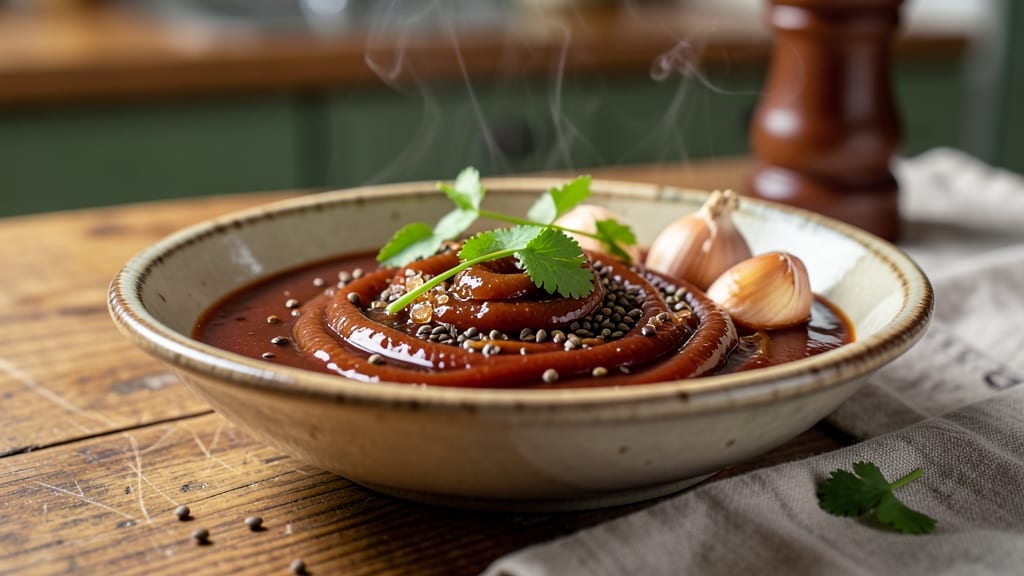
This ancho chile BBQ sauce transforms smoky, dried chiles into a rich, velvety condiment that elevates everything from grilled meats to roasted vegetables. 🔥 As a pitmaster who grew up surrounded by slow-cooked ribs, I know how a well-made sauce can turn a simple meal into something unforgettable.
The secret lies in toasting the chiles just enough to deepen their smoky flavor before simmering them with tomatoes, vinegar, and spices until they melt into a silky, storable sauce.
The beauty of this recipe is its simplicity—no blender required. By straining the simmered mixture, you achieve that restaurant-quality smoothness without the grit. What you end up with is a sauce that's both sweet and smoky, with just the right amount of heat to linger on your palate.
It's the kind of sauce that makes you want to slather it on everything, from brisket to tacos.
This sauce keeps beautifully in the fridge for up to two weeks, so you can make a big batch and use it throughout the week.
Whether you're grilling ribs, marinating chicken, or serving as a dipping sauce, this ancho chile BBQ sauce delivers depth and complexity that store-bought versions simply can't match.
Perfect for those who love bold flavors and want to bring a touch of smoky sophistication to their cooking. Let's get started—your taste buds will thank you.
Ingredients for ancho chile bbq sauce
Four dried chiles and a handful of pantry staples—this sauce delivers smoky-sweet magic without a blender.
| Ingredient | Amount | Notes |
|---|---|---|
| Dried Ancho Chiles 🌶️ | 4 whole | Stems and seeds removed |
| Canned Tomato Sauce 🍅 | 1 cup | No salt added preferred |
| Apple Cider Vinegar 🍏 | ½ cup | For tangy brightness |
| Brown Sugar 🍚 | ½ cup | Light or dark variety |
| Garlic Cloves 🧄 | 4 cloves | Peeled, roughly chopped |
| Ground Cumin 🌿 | 1 tsp | Toasted for depth |
| Smoked Paprika 🌶️ | 1 tsp | For extra smokiness |
| Salt 🧂 | 1 tsp | Kosher or sea salt |
| Black Pepper 🌶️ | ½ tsp | Freshly ground preferred |
| Extra-Virgin Olive Oil 🫒 | ¼ cup | For richness and balance |
Ancho chiles are the heart of this sauce, so pick good ones. La Costeña or Gourmet Mexicain brands are my go-to—they're dried just right for deep flavor. If you can't find them, any dried ancho chiles will work, but avoid ones that look shriveled or dusty. Toasting them in a dry skillet until fragrant (about 30 seconds per side) unlocks their full smoky potential. For the tomato sauce, Muir Glen or Rao's are my favorites—they're smooth and don't need added salt. The vinegar? Bragg's apple cider vinegar has just the right balance of sweetness and tang.
No ancho chiles? Dried guajillo or pasilla chiles work in a pinch, but you'll need to adjust the heat—start with 2 and taste as you go. Short on tomato sauce? Crushed tomatoes or even tomato paste (thinned with water) will do, but you might need to simmer longer for that velvety texture. The brown sugar can be swapped for maple syrup or agave if you're avoiding refined sugar. For extra smokiness, add a quarter teaspoon of liquid smoke (trust me on this). And if you're feeling fancy, a pinch of cinnamon or cloves adds warmth that pairs perfectly with the chiles.
This sauce tastes even better the next day as the flavors meld. Store it in a clean, airtight jar in the fridge for up to 2 weeks, or freeze portions for 6 months. I like to make a double batch—one jar for the fridge, one frozen for lazy weeknights. When reheating, stir in a splash of water if it thickens too much. The olive oil on top helps preserve freshness, so add a thin layer before sealing. Pro tip: This sauce glazes ribs like a dream—just brush it on during the last 20 minutes of cooking.
Why You'll Love This Recipe
- No-Soaking Needed: I’ll admit, I used to dread soaking dried chiles—until I realized this sauce only needs them toasted and crumbled. Five minutes in a dry pan, then blend. Done. That smoky depth hits instantly, no waiting around.
- Sweet Heat Balance: The brown sugar and vinegar tame the ancho’s earthiness while keeping that slow-building warmth. Honestly, it’s the kind of sauce where the first bite makes you pause—like, how is this so good?—and then you’re back for seconds.
- Weeknight BBQ Hack: Slather it on grilled chicken, toss with roasted potatoes, or drizzle over tacos—no one will guess it’s not store-bought. Between us, I’ve used it as a marinade, a dip, and even a pizza sauce. (Yes, even on a Tuesday night.)
- Pantry Staple Magic: You’re already using tomato sauce, vinegar, and sugar—this just adds chiles and garlic. Costs pennies per serving, and the leftovers? They last forever in the fridge, ready to rescue burnt toast or sad takeout. My secret weapon for lazy days.
Step-by-step instructions for ancho chile BBQ sauce
Here's how to create a rich, smoky-sweet sauce without a blender—just patience and a few simple tools.
🔥 Step 1: Toast and Rehydrate the Dried Ancho Chiles
Heat a dry skillet over medium heat and add the 4 whole dried ancho chiles (stems and seeds removed). Toast them for 30-45 seconds per side until fragrant and slightly darkened—this deepens their smoky flavor. Be careful not to burn them; they should smell sweet and earthy, not bitter.
Immediately transfer the toasted chiles to a heatproof bowl and pour in 1 cup hot water (from a kettle or just-boiled pot). Let them soak for 15-20 minutes until completely softened. The water will turn a beautiful deep red—this is your flavor base. Drain the chiles, reserving the soaking liquid for later.
🍳 Step 2: Build the Sauce Base with Tomato and Vinegar
In a medium saucepan, combine the 1 cup canned tomato sauce, 0.5 cup apple cider vinegar, and the reserved ancho chile soaking liquid. Bring to a gentle simmer over medium-low heat for 5 minutes, stirring occasionally. You want the mixture to reduce slightly and meld flavors.
Here's the thing—don't rush this step. The acidity from the vinegar will help break down the chile's natural oils, creating that signature smoky depth. You'll see the sauce darken and thicken as it cooks; this is exactly what we want.
👨🍳 Step 3: Add Sweetness and Spices for Balance
Stir in the 0.5 cup brown sugar, 1 tsp ground cumin, 1 tsp smoked paprika, 1 tsp salt, and 0.5 tsp black pepper. Cook for another 5 minutes until the sugar dissolves completely. The sauce should be smooth and well-combined at this point.
I like to taste at this stage to check the balance. You should notice the sweetness from the brown sugar, the tang from the vinegar, and the earthy warmth from the spices. If it needs more depth, let it simmer uncovered for another 2-3 minutes to concentrate the flavors.
🍳 Step 4: Incorporate Garlic and Olive Oil for Richness
Push the sauce to one side of the pan and add the 4 cloves roughly chopped garlic to the empty space. Cook for 30 seconds until fragrant but not browned—garlic burns quickly, and you want it to add aroma, not bitterness.
Stir the garlic into the sauce, then reduce heat to low and slowly whisk in the 0.25 cup extra-virgin olive oil. The oil will help emulsify the sauce and add a luxurious mouthfeel. Simmer for another 3-4 minutes until everything is perfectly combined and the sauce reaches your desired consistency.
⏰ Step 5: Strain and Adjust for Perfect Texture
Line a fine-mesh strainer with cheesecloth or a coffee filter and carefully strain the sauce into a clean bowl. This removes any remaining chile skins while keeping all the flavorful liquid. Press gently on the solids to extract every last drop—this ensures maximum flavor in your sauce.
Taste and adjust seasoning if needed. If it's too thick, whisk in 1-2 tablespoons water at a time until smooth. For a glossier finish, return the sauce to the pan and simmer for 2-3 minutes to drive off any raw flavors from the garlic. Let it cool to room temperature before storing.
Pro Tips For Making Ancho Chile Bbq Sauce
- REMOVE SEEDS FROM CHILES: I learned this the hard way—skipping it means bitterness creeping in like an unwelcome guest. Take a knife and slice open each ancho, scrape out the seeds and veins with your fingernail, then rinse them under cold water. (Yes, it’s tedious, but your sauce won’t taste like it’s fighting a losing battle with arugula.)
- SIMMER LOW AND SLOW: After burning three batches, I finally figured out that ancho chile sauce isn’t a race. Keep the heat at a gentle simmer—barely bubbling—for at least 20 minutes. This lets the flavors meld instead of turning into a sad, charred mess. (Your patience will pay off with depth, not just sweetness.)
- USE GARLIC PASTE, NOT MINCED: Sounds weird, but it works: blend your garlic cloves into a smooth paste before adding it to the sauce. This distributes flavor evenly and prevents those annoying little chunks that make you question your life choices. (Pro move: toast the paste in the pot for 30 seconds first—it adds a nutty richness.)
- BALANCE VINEGAR GRADUALLY: Don’t dump the apple cider vinegar all at once like you’re seasoning a salad. Start with half, taste, then add the rest slowly. The acidity should brighten, not overpower—the sauce should taste like a hug, not a slap. (Your taste buds will thank you when it’s not screaming at you.)
Wine and beer pairings for this dish
Red Wine Pairings
For this smoky-sweet sauce, I reach for Spanish Garnacha—its bold berry notes and subtle earthiness complement the ancho chile's depth without overpowering it. A Rioja Reserva with its vanilla and leather undertones also works beautifully, especially with grilled meats.
Serve slightly chilled to let the wine's acidity cut through the sauce's richness. 🍷
Mexican Lager Balance
A crisp Mexican lager like Modelo Especial or Pacífico Clara is my go-to beer pairing. The clean, light maltiness contrasts perfectly with the sauce's smoky heat, cleansing your palate between bites.
For a craft option, try a Mexican-style pilsner with citrusy hops that echo the apple cider vinegar in the sauce.
Spiced Rum Cocktail
Mix 1.5 oz spiced rum (like Bacardi Limón) with 0.5 oz lime juice and a splash of ginger beer for a refreshing cocktail that mirrors the sauce's complexity.
The rum's caramel notes enhance the brown sugar, while the ginger adds a bright kick. Serve over ice with a lime wedge for a perfect grilling companion. 🍹
White Wine Contrast
If you prefer white wine, Verdejo from Spain offers a crisp, citrusy balance that stands up to the sauce's smokiness. Its stone fruit flavors play well with the ancho chile's earthy undertones. For a sweeter option, a Moscato d'Asti adds a touch of effervescence that cuts through the sauce's richness.
Local Craft Options
At my favorite coastal BBQ spots, I've seen this sauce paired with local craft beers like Alvarado Street Brewery's Mexican Amber. The caramel malt and light spice notes create a harmony that feels like a hug for your taste buds.
When in doubt, ask your local brewery—they often have hidden gems that work perfectly with bold flavors. 🍺
Non-Alcoholic Refreshers
For a non-alcoholic option, try sparkling water infused with lime and mint. The effervescence cleanses your palate, while the mint adds a refreshing contrast to the sauce's smoky depth.
Another great choice is hibiscus iced tea—its tartness balances the sweetness beautifully. Both are perfect for sipping while grilling. 💧
Nutrition facts
Frequently asked questions about ancho chile BBQ sauce
Can I substitute ancho chiles with other dried peppers?
Yes, but expect different flavor profiles. Guajillo or pasilla chiles work well for mild heat, while arbol chiles add extra spice. For a smokier taste, use chipotle chiles in adobo sauce (reduce the amount by half). Always toast your chiles first to deepen their flavor—this step is crucial for any dried pepper substitution!
How do I adjust the heat level in this sauce?
For milder heat, reduce the toasted chile time to 20 seconds per side and use 3 chiles instead of 4. For extra kick, add ½ teaspoon cayenne pepper or 1-2 chipotle peppers in adobo (strain out the solids). Remember: you can always add more chiles later, but you can't remove them!
What's the best way to use this sauce beyond grilling?
This versatile sauce works as a marinade (add 1 tbsp olive oil and 1 tbsp lime juice), dipping sauce for tacos or quesadillas, or even a glaze for roasted vegetables. Try brushing it on grilled shrimp or mixing into black beans for a smoky twist. The possibilities are endless!
Why does my sauce look grainy after straining?
Graininess usually means you didn't strain thoroughly enough. For a silky texture, press the chile pulp through a fine-mesh strainer lined with cheesecloth or use a nut milk bag. If you missed some solids, simmer the sauce uncovered for 5 extra minutes to help dissolve any remaining particles. Patience pays off for that restaurant-quality finish!
Can I make this sauce without vinegar?
You can substitute with lemon juice or lime juice (use ¼ cup for brightness), but vinegar's acidity helps break down the chile flavors. For a non-acid option, try tomato paste (add 1 tbsp) or red wine (use ¼ cup), but the sauce may be less tangy. The vinegar is what gives this sauce its signature balance!