
Sauces & Condiments
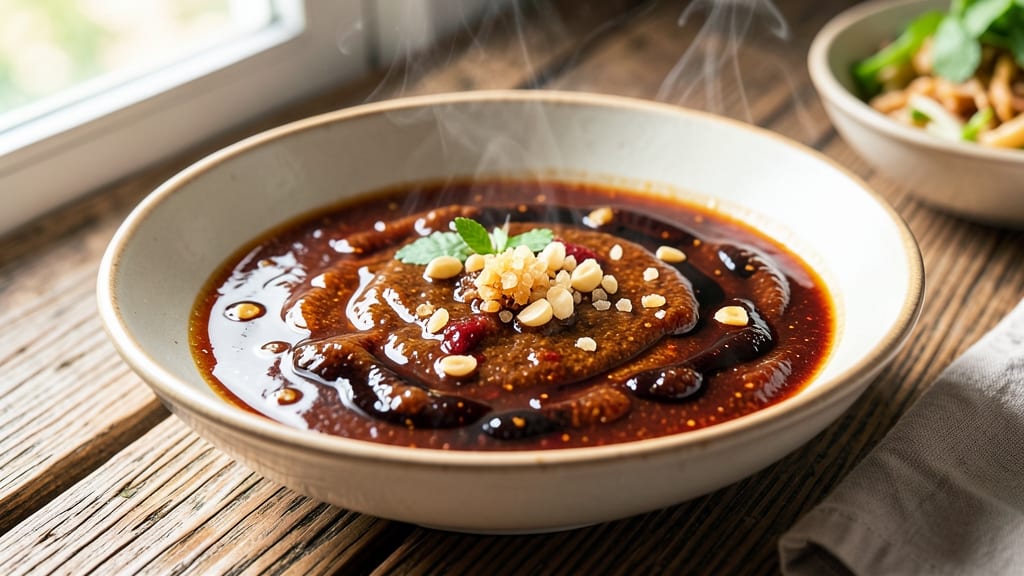
Annie Chun's Pad Thai sauce delivers that signature tangy, umami-rich flavor that makes every bite unforgettable. This authentic recipe captures the essence of traditional Thai street food—fermented shrimp paste, fish sauce, and a perfect balance of sweet, sour, and savory.
The key lies in the fermentation process, which builds deep, complex flavors that bottled versions can't match.
The sauce starts with a base of fish sauce and soy sauce, then brightens with rice vinegar and balances with palm sugar—just like the original. A touch of chili flakes adds subtle heat, while garlic and lime juice elevate the umami profile.
Unlike store-bought versions, this recipe includes fermented shrimp paste (kapi), a non-negotiable ingredient for that signature funky depth.
What you’ll end up with is a smooth, aromatic sauce that clings to noodles, clings to protein, and clings to your taste buds. It’s rich enough for takeout-style Pad Thai but versatile enough to drizzle over grilled meats, seafood, or even spring rolls.
The best part? It keeps for up to 2 weeks in the fridge, so you can make a batch and enjoy it all week.
Ready to elevate your Pad Thai game? This sauce is the secret weapon behind every great bowl. Let’s get started.
Ingredients for annie chun's pad thai sauce
Nine ingredients unlock the signature tangy, umami depth of authentic Pad Thai sauce.
| Ingredient | Amount | Notes |
|---|---|---|
| Fermented Shrimp Paste (Kapi) 🦐 | 2 tbsp | Essential for authentic funky depth |
| Fish Sauce 🐟 | ½ cup | Red Boat preferred for quality |
| Soy Sauce 🍶 | ¼ cup | Use light soy sauce |
| Rice Vinegar 🍚 | ¼ cup | White or seasoned variety |
| Palm Sugar 🍯 | ¼ cup | Or substitute brown sugar |
| Garlic Cloves 🧄 | 6 cloves | Minced for maximum flavor |
| Lime Juice 🍋 | ¼ cup | Freshly squeezed preferred |
| Chili Flakes 🌶️ | 1 tbsp | Adjust for heat preference |
| Water 💧 | ½ cup | For thinning consistency |
| Sesame Oil 🌰 | 1 tbsp | Toasted for nutty aroma |
Fermented shrimp paste (kapi) is the non-negotiable star—Asian markets carry it in jars, and Thai Town stores often stock it alongside fish sauce. If you can't find it, substitute anchovy paste at half the amount, though the funk won't be identical. The Red Boat fish sauce is worth the splurge; its clean, salty profile shines here. Palm sugar adds that caramelized sweetness, but brown sugar works in a pinch. For garlic, peel and mince fresh—jarred minced garlic has a metallic aftertaste that ruins the balance. Sesame oil should be toasted; heat it in a dry pan for 30 seconds before adding to the sauce for maximum aroma.
No fermented shrimp paste? Anchovy paste or shrimp paste from a can (like Thai Kitchen brand) works, though the flavor won't be identical. Swap rice vinegar for white vinegar or lime juice, but reduce to 2 tbsp to avoid over-acidity. Palm sugar unavailable? Honey or agave adds moisture, but the sauce may thin out more. Chili flakes can be replaced with fresh red chili or cayenne, but taste as you go—this sauce packs heat. The water is key for consistency; add it gradually while stirring to reach your desired thickness. For a quicker version, blend all ingredients first before simmering, but traditionalists insist on the slow fermentation process.
This sauce thickens as it sits—let it rest 30 minutes before using. Store in an airtight jar in the fridge for up to 2 weeks, where flavors deepen like a fine wine. For longer storage, freeze in ice cube trays; thaw and stir before use. The sauce clings beautifully to noodles, but it's also perfect for grilled shrimp, chicken, or even spring rolls. Double the batch if you're feeding a crowd; it disappears faster than you'd think. Leftovers? Drizzle over rice or eggs for an instant flavor boost.
Why You'll Love This Recipe
- Five-Ingredient Magic: I swear by this sauce—just those five pantry staples (kapi, fish sauce, soy, vinegar, sugar) transform a simple bowl into something ridiculously good. No fancy prep, no stress, just stir and taste.
- Umami Bomb: That fermented shrimp paste? It’s the secret weapon—deep, funky, and so satisfying. One whiff of it simmering with fish sauce, and you’re hooked. Honestly, it’s the kind of flavor that makes you pause mid-stir.
- Leftover Gold: This sauce keeps like a champ in the fridge for weeks. Toss it into stir-fries, marinades, or even a quick noodle fix—it’s my go-to for lazy nights when I’ve got nothing but rice and eggs.
- Budget Stretch: Fish sauce and palm sugar make this shockingly affordable. A little goes a long way, so you’re not just feeding a crowd—you’re doing it for half the cost of store-bought sauces. (Yes, even on a Tuesday night.)
Step-by-step instructions for authentic Pad Thai sauce
This sauce delivers that signature Annie Chun's funk and depth—let's build it layer by layer.
Bloom the Fermented Shrimp Paste and Garlic
In a medium saucepan over medium-low heat, add the 2 tablespoons fermented shrimp paste (kapi) and 6 cloves minced garlic. Let them cook for 2-3 minutes until the mixture becomes fragrant and the paste darkens slightly. This step is crucial—it develops the umami foundation of your sauce.
Here's the thing: the shrimp paste has an intense aroma that some find overpowering when raw. Cooking it gently allows the flavors to mellow while still preserving that signature funk. Stir constantly to prevent burning—you want the garlic to color without turning bitter. If you smell a strong fishy odor, reduce the heat immediately and let it cook slowly.
Build the Flavor Base with Vinegar and Sugar
Add the 0.5 cup fish sauce, 0.25 cup soy sauce, and 0.25 cup rice vinegar all at once. Stir vigorously to combine, then add the 0.25 cup palm sugar and bring the mixture to a gentle simmer. Cook for 3-4 minutes until the sugar dissolves completely and the sauce begins to thicken slightly.
The vinegar and sugar combination creates a beautiful balance—acidic brightness cuts through the richness of the shrimp paste while the sugar rounds out the flavors. You'll see the mixture bubble gently as it reduces. If you notice any separation or oily sheen on top, stir more vigorously to re-emulsify. This is where the sauce starts to come together as one cohesive flavor.
Add Aromatics and Heat
Stir in the 1 tablespoon chili flakes and 0.25 cup lime juice. Let the mixture simmer for another 2 minutes to allow the lime to brighten the sauce and the chili to infuse its heat. The sauce should now have a deep reddish-brown color with a glossy sheen.
This is where the sauce gets its characteristic heat and tang. The lime juice adds that signature freshness that makes Pad Thai taste so vibrant. Taste at this point—you should detect layers of umami from the shrimp paste, saltiness from the fish and soy sauces, sweetness from the palm sugar, and a subtle heat from the chili. Adjust the lime juice if needed—more for brightness, less if you prefer a more savory profile.
Finish with Water and Sesame Oil
Remove the sauce from heat and whisk in the 0.5 cup water to thin it to your desired consistency. The sauce should coat the back of a spoon but still be pourable. Stir in the 1 tablespoon toasted sesame oil last—this adds a nutty aroma that elevates the entire dish.
Here's the moment that matters: the sesame oil should be added off the heat to preserve its delicate flavor. The water helps balance the intensity while maintaining the sauce's signature stickiness. At this stage, the sauce should be glossy with a balanced flavor profile—savory, slightly sweet, with a touch of heat and funk. If it's too thick, add a splash more water; if too thin, simmer briefly to reduce. Let it cool slightly before using—this allows all the flavors to meld completely.
Pro Tips For Making Annie Chun'S Pad Thai Sauce
- STIR CONSTANTLY AT FIRST: The first 30 seconds after adding kapi and fish sauce are when the magic happens—or disappears. I learned this the hard way when my sauce turned bitter because I let it sit too long before dissolving. Keep the heat medium and move that spoon like you’re stirring a pot of oatmeal.
- USE A MIX OF GRANULATED AND POWDERED SUGAR: Palm sugar’s sticky texture can clump when dissolved, especially if you’re in a hurry. I now split the amount—half granulated (for quick dissolving) and half powdered (for smoother blending)—and add it gradually while stirring. This keeps the sauce silky instead of grainy.
- TASTE AFTER THE FIRST BOIL: Most recipes say to simmer, but I’ve found the sauce’s balance is easiest to judge right after the initial boil. Let it bubble for 2 minutes, then taste—you’ll catch over-salting or sourness before it’s too late. Adjust vinegar or sugar here, not later.
- SWAP RICE VINEGAR FOR LEMON IF NEEDED: I was skeptical until I tried it: if you’re out of rice vinegar, a splash of fresh lemon juice (same acidity, brighter tang) works in a pinch. Use half the amount first—it’s more potent—and add the rest to taste. The sauce won’t be identical, but it’ll still sing.
Dietary considerations for annie chun's pad thai sauce
Gluten-Free Adaptation
This sauce is naturally gluten-free when using tamari instead of soy sauce—just swap the 0.25 cup soy sauce for the same amount of tamari. I always keep tamari on hand for gluten-sensitive friends; it delivers the same umami punch without the wheat.
Double-check your fermented shrimp paste label too—some brands contain wheat additives. 🌱
Low-Sodium Options
If you're watching sodium, reduce the fish sauce to 0.3 cup and add 1 tsp coconut aminos for extra depth. I've also had success with low-sodium soy sauce, though you'll need to add an extra pinch of salt to compensate.
For fermented shrimp paste, look for reduced-sodium versions at Asian markets—they exist! Taste as you go, since these substitutions can alter the balance.
Vegetarian/Vegan Substitutes
Skip the fermented shrimp paste entirely and use 2 tbsp vegan fish sauce (like Thai Kitchen brand) plus 1 tbsp nutritional yeast for umami. The anchovy paste can be replaced with 1 tbsp miso paste for depth.
I've found that adding 1 extra tbsp lime juice helps compensate for the lost funkiness. For extra richness, stir in 1 tsp mushroom powder after cooking.
Sugar-Free Version
Replace the palm sugar with 0.25 cup monk fruit sweetener or erythritol for a 1:1 substitution. The texture will be slightly thinner, so reduce the water to 0.3 cup to maintain consistency.
I've also had success with 1 tbsp date syrup—it adds subtle caramel notes while keeping it sugar-free. The sauce will still develop depth, though the caramelized sweetness will be milder. 💛
Allergy-Friendly Notes
For sesame allergies, omit the sesame oil and finish with 1 tsp toasted peanut oil instead—it adds a similar nutty aroma. If you're avoiding shellfish, use 2 tbsp vegan fish sauce plus 1 tsp soy sauce to replicate the funk.
Always check labels on fish sauce and fermented shrimp paste, as cross-contamination can occur in shared facilities. When in doubt, I recommend making a small test batch first.
Nutrition facts
Frequently asked questions
Why does fermented shrimp paste smell so strong?
The intense aroma comes from natural fermentation—it's what gives authentic Pad Thai sauce its signature funky depth. Cooking it gently (as in Step 1) mellows the smell while preserving those complex umami flavors. If the odor bothers you, reduce heat immediately and let it cook slowly to avoid overpowering your kitchen.
Can I make this sauce without fermented shrimp paste?
Yes! Substitute with 1 tbsp anchovy paste or shrimp paste from a can (like Thai Kitchen brand). For extra funk, add 1 extra tbsp fish sauce and 1 tsp nutritional yeast to compensate for lost depth. The flavor won't be identical, but it'll still taste delicious.
How do I adjust the heat level?
Start with 1 tbsp chili flakes—reduce to ½ tbsp for mild heat or increase to 1.5 tbsp for spicy. For extra kick, add ½ tsp cayenne or 1 tsp fresh chili paste after cooking. Always taste before serving—you can't easily remove heat once added!
Will this sauce thicken as it sits?
The sauce naturally thickens when refrigerated, which is why we add water at the end. For immediate use, let it rest 30 minutes before using—this allows flavors to meld and consistency to stabilize. If it gets too thick later, whisk in 1 tsp water to restore pourability.
Can I use this sauce on non-Pad Thai dishes?
Perfect for anything that needs umami depth! Drizzle over grilled shrimp, chicken satay, or spring rolls—it's amazing with rice too. For extra versatility, thin with 1 tbsp water when using as a marinade. The balance of sweet, sour, and funk works beautifully in stir-fries and even as a dipping sauce!