
Sauces & Condiments
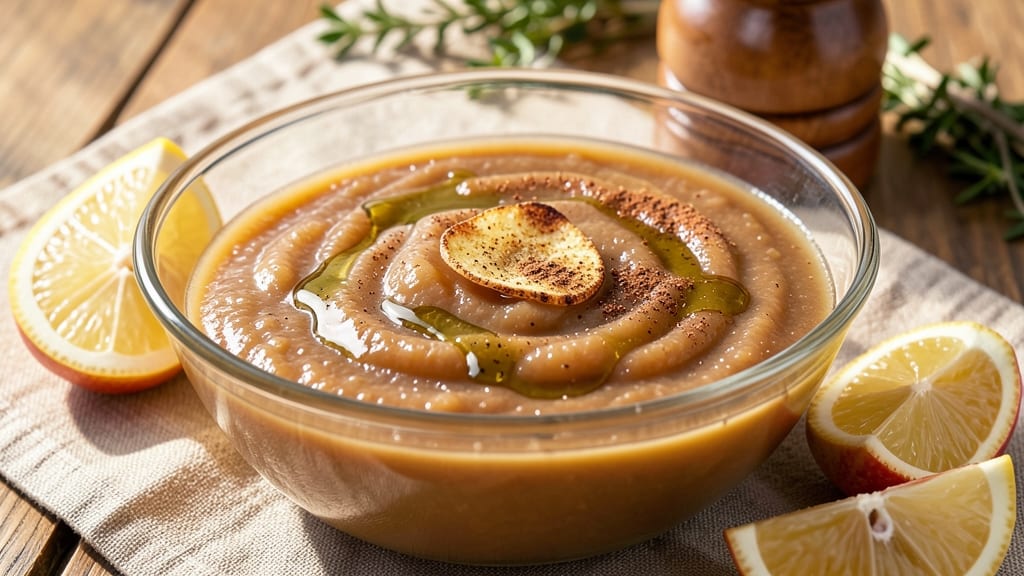
This applesauce with lemon juice recipe transforms a classic pantry staple into something vibrant and tangy—perfect for brightening everything from roasted pork to yogurt bowls. The lemon juice cuts through the natural sweetness of the apples, creating a balanced, zesty sauce that elevates any dish.
I developed this version after realizing how much more dynamic a simple applesauce could be with just a splash of citrus.
The process is straightforward: peeled and chopped apples simmer until tender, then blend with lemon juice, a touch of sweetener, and a pinch of cinnamon for warmth. The lemon juice not only adds brightness but also helps preserve the sauce, making it last longer in the fridge.
This recipe works with any apple variety—sweet, tart, or a mix—so you can adapt it to what’s in season or on sale.
What sets this sauce apart is its versatility. Use it as a glaze for roasted meats, a topping for pancakes, or a tangy dip for pretzels. The texture is smooth and spreadable, with just the right amount of body to cling to food without being heavy.
It’s a game-changer for anyone who wants to add a fresh, citrusy twist to their favorite recipes.
Best of all, this sauce keeps well for up to a week in the refrigerator, so you can make a big batch and use it throughout the week.
The lemon juice also makes it naturally shelf-stable for canning, if you prefer to preserve it long-term. Let’s get started on this bright, flavorful upgrade to classic applesauce.
Ingredients for applesauce recipe lemon juice
Brighten your pantry with these simple ingredients for vibrant applesauce that tastes nothing like the canned kind.
| Ingredient | Amount | Notes |
|---|---|---|
| Apples (Mixed Variety) 🍎 | 4 lb | Peeled, cored, chopped |
| Fresh Lemon Juice 🍋 | ½ cup | From 2-3 lemons, freshly squeezed |
| Granulated Sugar 🍚 | ½ cup | Adjust to taste, white or brown |
| Ground Cinnamon 🌿 | 1 tsp | For warmth, optional but recommended |
| Water 💧 | ½ cup | For simmering, or apple juice |
| Extra-Virgin Olive Oil 🫒 | 1 tbsp | For richness, optional |
| Salt 🧂 | ¼ tsp | Kosher or sea salt |
| Vanilla Extract 🌸 | ½ tsp | For depth, optional |
The apples are the star—mix sweet and tart varieties like Gala and Granny Smith for perfect balance. Trader Joe's and Whole Foods carry pre-washed organic apples in convenient bags, but any apples work if you peel and chop them yourself. The lemon juice should be freshly squeezed (none of that bottled stuff)—it makes all the difference. I always grab extra lemons because they’re cheap and last longer than you’d think. For the sugar, white keeps it classic, but brown adds a caramel note that pairs beautifully with the lemon.
No fresh lemons? Bottled lemon juice works in a pinch, but it lacks the freshness. Short on apples? Substitute with apple juice or cider, but you’ll lose that chunky texture. Want less sweetness? Cut the sugar to 1/4 cup and add an extra splash of lemon. The cinnamon is optional but worth it—it deepens the flavor and makes the sauce smell amazing. If you’re feeling fancy, swap the olive oil for a drizzle of honey (though that’s not vegan). The vanilla extract is the secret weapon for that gourmet touch—trust me, it elevates everything.
This sauce keeps for 1 week in the fridge, sealed in an airtight container. For longer storage, freeze it in ice cube trays—perfect for portioning. The lemon juice helps preserve it naturally, so you can even can it if you’re into that. I always make a double batch because it disappears fast—on toast, with yogurt, or as a glaze for roasted chicken. The texture thickens as it cools, so stir in a splash of water if it gets too stiff. Leftovers? Just reheat with a splash of water or lemon juice to revive it.
Why You'll Love This Recipe
- No Peel Required: I swear by using mixed apples—peeling them feels like overkill when the skins just soften into that silky texture. Toss them whole into boiling water with the lemon juice, and the acidity actually helps tenderize them faster than any knife work.
- Zesty Twist: That splash of fresh lemon juice isn’t just for flavor—it brightens the whole thing, cutting through the sweetness like a breath of fresh air. Honestly? It’s the secret that makes this applesauce taste like something you’d pay for at a farmers' market, not just throw together.
- Meal Prep MVP: Make a big batch on Sunday, and you’ve got breakfast, snack, or dessert covered for the week. The cinnamon keeps it warm and cozy, while the lemon juice means it won’t turn into sad, gray mush in the fridge—it stays fresh for days.
- Pantry Staple Magic: You’re looking at a recipe that costs pennies but feels like a treat. Apples, sugar, and cinnamon are always on hand, and the lemon juice? A little goes a long way. Between us, this is the kind of recipe that makes you wonder why you ever bought fancy applesauce pouches.
Step-by-step instructions for applesauce with lemon juice
Here's how to make bright, tangy applesauce that's smooth, naturally sweetened, and full of zing.
Prepare the Apples for Cooking
Start by peeling, coring, and chopping the 4 lb Apples (Mixed Variety) into ¼-inch pieces. A food processor makes this easy, but a sharp knife works too. I like to use a mix of tart and sweet apples—think Granny Smith and Honeycrisp—for balanced flavor. Place the chopped apples in a large, heavy-bottomed pot.
This prep step is crucial. Smaller, even pieces cook uniformly and create a smoother sauce. If you're using particularly hard apples, you might want to par-cook them for 3-4 minutes in the pot before adding other ingredients—this softens them up for faster overall cooking.
Simmer the Apples Until Tender
Add the 0.5 cup Water to the pot with the chopped apples. Bring the mixture to a boil over medium-high heat, then reduce to medium-low heat and let it simmer uncovered for 15-20 minutes. Stir occasionally to prevent sticking. You're looking for apples that are completely soft and mash easily with a fork.
Here's the thing—I know some recipes call for longer cooking, but simmering too long can turn your applesauce mushy. The goal is tender, not pulpy. If the apples aren't soft enough after 20 minutes, add another ¼ cup Water and cook for another 5 minutes. The sauce should have a natural apple aroma that's strong but not overpowering.
Add Sweetness and Seasonings
Once the apples are tender, stir in the 0.5 cup Granulated Sugar, 1 tsp Ground Cinnamon, and 0.25 tsp Salt. Let the mixture simmer for another 5 minutes to allow the flavors to meld. The sugar will dissolve completely, and the cinnamon will release its warm aroma. Taste the sauce now—you'll notice it's naturally sweet from the apples, but the sugar and lemon will balance everything.
Don't skip this step. The sugar isn't just for sweetness—it helps break down the apple fibers slightly, creating that perfect silky texture. If you're using brown sugar instead of white, you'll get a deeper, caramel-like flavor, but the texture will be slightly thicker.
Finish with Lemon and Vanilla
Remove the pot from heat and stir in the 0.5 cup Fresh Lemon Juice and 0.5 tsp Vanilla Extract. The lemon juice will brighten the flavors and cut through any remaining tartness from the apples. Let the sauce sit for 5 minutes to allow the lemon to infuse fully. Then, stir in the 1 tbsp Extra-Virgin Olive Oil—this adds richness and helps the sauce cling to spoons or pancakes.
This is where the magic happens. The lemon juice might seem like a small addition, but it transforms ordinary applesauce into something special. The vanilla extract adds depth that you wouldn't expect, making this sauce perfect for both sweet and savory dishes. If you're serving it warm, now's the time to taste and adjust the sweetness—add more sugar if needed, but usually, the lemon and vanilla balance everything perfectly.
Mash and Serve
Use a potato masher or wooden spoon to mash the applesauce to your desired consistency. For a smooth texture, press through a fine-mesh sieve. For a rustic look, leave it slightly chunky. The sauce should be thick enough to coat the back of a spoon but still spreadable. If it's too thick, stir in 1-2 tablespoons of water to reach your preferred consistency.
Serve the applesauce warm, straight from the pot, or let it cool slightly before refrigerating. It keeps well in the fridge for up to 5 days and freezes beautifully for up to 3 months. This zesty version pairs perfectly with roasted meats, pancakes, or even as a topping for yogurt. The lemon juice ensures it won't taste cloyingly sweet, making it versatile for both sweet and savory applications.
Pro Tips For Making Applesauce Recipe Lemon Juice
- CORE THE APPLES FIRST: I learned this the hard way—skipping the coring step means you’ll spend half the cooking time fishing out apple centers. Use a paring knife or an apple corer, and work fast so the cut sides don’t oxidize and turn brown before they hit the pot. (Yes, even if you’re impatient like me.)
- USE A MIX OF TART AND SWEET: Granny Smiths alone make the sauce taste like dessert dressing. Balance them with Honeycrisp or Fuji—about 2 parts tart to 1 part sweet—for that classic applesauce texture and flavor. The lemon juice will brighten the sweetness, but you still need that natural contrast.
- SIMMER LOW AND LONG: After the initial boil, drop the heat to a gentle simmer. I used to rush it, and the sauce turned mushy or split. Keep it at 180–190°F (tiny bubbles, occasional swirls) for 20–25 minutes. The lemon juice will mellow out if you cook it too hard, so patience here is non-negotiable.
- STRAIN FOR SMOOTHNESS: If you want that classic, velvety texture, skip the food mill or immersion blender and use a fine-mesh sieve or cheesecloth. Line it with a towel if you’re lazy—it catches the pulp better. The lemon juice will make the sauce tangy, but a smooth finish makes all the difference when you’re pairing it with pork or toast.
Perfect pairings for applesauce recipe lemon juice
Sweet & Savory Pairings
Use this zesty applesauce as a glaze for roasted pork tenderloin—brush it on during the last 15 minutes of cooking for a caramelized finish. The lemon cuts through the richness of pork beautifully.
For a vegetarian option, spread it on toasted baguette slices with melted goat cheese and a sprinkle of flaky sea salt. 🌟
Breakfast Brighteners
Drizzle over fluffy pancakes or French toast for a tangy contrast to maple syrup. I like to add a pinch of cayenne pepper to the sauce when serving it with breakfast—it adds a subtle kick.
For a protein boost, mix it into Greek yogurt with a sprinkle of granola and fresh berries.
Cheese Board Elevator
This sauce pairs perfectly with sharp cheddar, brie, or aged gouda on a charcuterie board. The acidity in the lemon juice balances the richness of the cheese, while the cinnamon adds warmth.
Serve it chilled in a small bowl for dipping or drizzle it lightly over the cheese slices for an elegant touch.
Savory Dish Enhancer
Use it as a dipping sauce for pretzels or fries, especially when paired with smoked paprika or everything bagel seasoning. The tangy-sweet flavor makes it addictive.
For a hearty meal, stir it into mashed potatoes or mac and cheese—just ¼ cup per serving—to add brightness and depth.
Dessert Twist
Top apple crisp or cobblers with a spoonful of this sauce before baking for extra moisture and flavor. It also works as a filling for crepes or stuffed French toast—just fold it into the center with a dollop of whipped cream.
The lemon keeps it from tasting too heavy, making it a lighter dessert option.
Drink Pairings
Serve this applesauce alongside sparkling water with lemon slices for a refreshing drink. It also complements iced tea or sparkling cider perfectly. For a boozy twist, pair it with Prosecco or a crisp Sauvignon Blanc—the acidity in both drinks enhances the lemon notes in the sauce. 🍷
Nutrition facts
Frequently asked questions
Can I use bottled lemon juice instead of fresh?
Bottled lemon juice works in a pinch, but fresh is always better. The natural oils and complex flavors in fresh lemon juice brighten the applesauce more effectively. If you must use bottled, choose a high-quality brand without added preservatives or water—it'll still taste better than the canned kind.
How do I adjust the sweetness if my apples are very tart?
Start with the full ½ cup sugar and taste as you go. For extra tart apples, reduce the sugar to ¼ cup and add 2-3 tablespoons of honey instead—it enhances the apple's natural flavors while keeping the sauce bright. The lemon juice will balance any tartness beautifully.
Can I make this applesauce without cinnamon?
The cinnamon adds warmth, but it's optional. If you skip it, consider adding a pinch of nutmeg or cardamom for depth. The lemon juice will still shine, creating a refreshing, citrus-forward sauce that works perfectly for savory dishes like roasted chicken or pork.
Why did my applesauce turn out watery?
Watery applesauce usually means too much liquid was added during cooking or the apples weren't cooked long enough. Simmer the apples uncovered for 20-25 minutes to evaporate excess moisture. If it's still too thin, remove from heat and let it cool—it thickens as it sits. For immediate thickening, simmer uncovered for another 5 minutes.
How can I use this sauce in savory dishes?
This zesty applesauce is fantastic for savory applications! Use it as a glaze for roasted pork, mix ¼ cup per serving into mashed potatoes, or drizzle over grilled chicken. The lemon juice cuts through rich flavors, while the cinnamon adds warmth that pairs perfectly with meats and cheeses.