
Sauces & Condiments
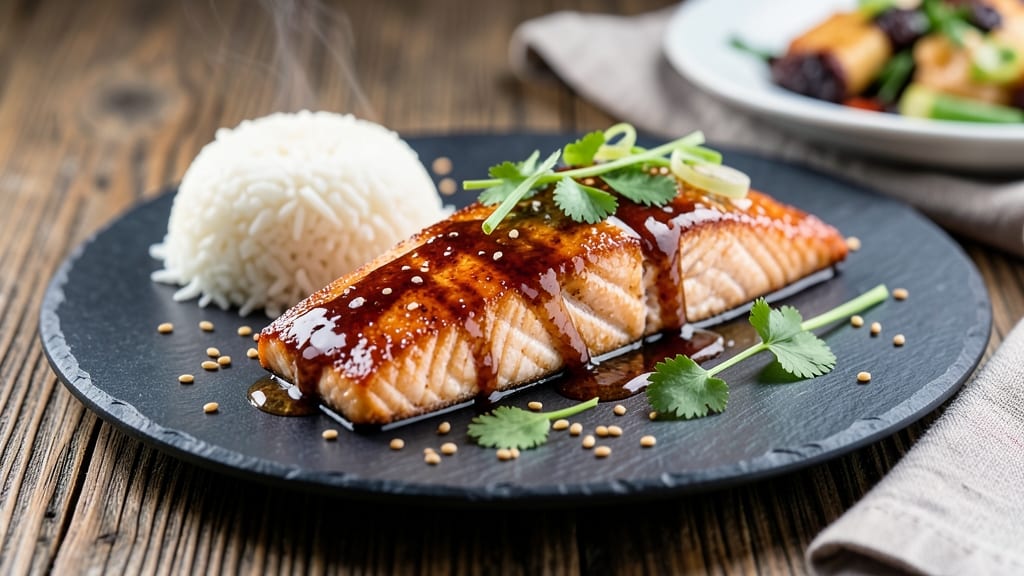
This baked salmon recipe with brown sugar soy sauce glaze delivers restaurant-quality results in just 25 minutes, transforming simple ingredients into a dish that's crispy on the outside and tender within. The caramelized glaze adds a perfect balance of sweetness and umami, making every bite unforgettable. I developed this technique after years of perfecting the art of balancing flavors in baked seafood.
The secret lies in the glaze itself—a simple yet transformative combination of brown sugar, soy sauce, and a touch of honey that creates a sticky, caramelized crust when baked.
This isn't just a sauce; it's the star of the dish, infusing the salmon with layers of flavor while keeping the preparation straightforward. The high heat ensures the skin stays crispy, while the glaze penetrates just enough to keep the fish moist.
What you'll achieve is a perfectly cooked salmon fillet with a glossy, caramelized glaze that's both sweet and savory. The edges will be crisp, the center tender, and the aroma will fill your kitchen with an irresistible combination of smoky, sweet, and umami notes.
This dish pairs beautifully with steamed vegetables or a simple bed of rice, making it ideal for weeknight dinners or special occasions.
Ready in just 25 minutes, this recipe is perfect for anyone looking to elevate their seafood game without spending hours in the kitchen. The glaze can be adjusted to suit your taste preferences—more soy for extra umami, more brown sugar for deeper caramelization.
Let's get started on creating a dish that will impress even the most discerning palates.
Ingredients for baked salmon recipe brown sugar soy sauce
The perfect balance of sweet, savory, and umami in just twelve ingredients.
| Ingredient | Amount | Notes |
|---|---|---|
| Salmon Fillets 🐟 | 4 whole | Skin-on, 6 oz each, center-cut |
| Brown Sugar 🍯 | ½ cup | Packed, light or dark |
| Soy Sauce 🥢 | ¼ cup | Low-sodium preferred |
| Honey 🍯 | 1 tbsp | Wildflower or clover |
| Sesame Oil 🫒 | 1 tbsp | Toasted sesame preferred |
| Garlic Cloves 🧄 | 3 cloves | Minced, fresh preferred |
| Fresh Ginger 🌿 | 1 tbsp | Grated, peeled |
| Olive Oil 🫒 | 1 tbsp | Extra-virgin for richness |
| Salt 🧂 | 1 tsp | Kosher or sea salt |
| Black Pepper 🌶️ | ½ tsp | Freshly ground |
| Lemon Juice 🍋 | 1 tbsp | Freshly squeezed |
| Green Onion 🧅 | 2 whole | Thinly sliced, for garnish |
The salmon fillets are the foundation—center-cut, skin-on pieces ensure crispy skin and even cooking. Whole Foods or local fishmongers carry the best quality; look for bright pink flesh and minimal odor. If using frozen, thaw overnight in the fridge. The brown sugar is key here—light or dark works, but avoid raw cane sugar for better caramelization. For the soy sauce, Kikkoman or Pearl River Bridge brands deliver consistent flavor. Fresh ginger and garlic? Always better than powdered—they add depth the jarred versions can't match.
No honey? Maple syrup at the same amount works in a pinch, though it has a distinct flavor. Short on sesame oil? Avocado oil at half the amount mimics the toasted notes. The glaze can be made ahead—store it in the fridge for up to 3 days. If you prefer less sweetness, reduce the brown sugar to 1/3 cup and add an extra 1/2 tbsp soy sauce. For extra umami, swap half the soy sauce with mirin or coconut aminos. The green onions are optional but add a fresh finish—substitute chives or scallions if needed.
The glaze keeps for 3 days in the fridge, so make extra for stir-fries or marinades. Salmon reheats best in a skillet over medium heat for 2-3 minutes—never microwave. Store cooked salmon in an airtight container with a paper towel underneath to absorb moisture. For longer storage, freeze for up to 2 months. Garnish with extra sesame seeds or sliced almonds if you're feeling fancy—they add crunch and visual appeal.
Why You'll Love This Recipe
- Five-Ingredient Magic: I swear by this combo—just salmon, brown sugar, soy sauce, honey, and sesame oil. That’s it. No chopping, no fuss, no last-minute grocery runs for weird spices. The glaze sticks to the fish like it’s meant to be there, and the sesame oil adds this nutty aroma that hits you the second you open the oven.
- Sweet-Savory Crunch: Between us, this is the kind of dish where the edges get just crispy enough to shatter, while the inside stays tender. The brown sugar caramelizes into this sticky, glossy glaze that’s both rich and slightly smoky from the soy—like a cross between teriyaki and a dessert you didn’t know you needed.
- Lunchbox Hero: I make this on Sundays because it’s ridiculously meal-prep friendly. The glaze keeps it tasty for days, and it reheats like a dream—no soggy fish here. Pack it cold for work or throw it in a lunchbox for the kids (yes, even the picky ones). Honestly, my son now asks for it weekly.
- Budget-Friendly Luxury: Salmon can feel fancy, but this recipe treats it like a weeknight staple. Brown sugar and soy sauce stretch the flavor without breaking the bank, and a little sesame oil goes a long way. I’ve fed four people for under $15 with this—feels like a restaurant meal without the price tag.
Step-by-step instructions for glazed caramelized salmon
Here's the method for perfectly caramelized salmon with a sticky-sweet glaze every time.
Prepare the Glaze Mixture
In a small saucepan, combine the 0.5 cup brown sugar, 0.25 cup soy sauce, 1 tbsp honey, 1 tbsp sesame oil, 3 cloves minced garlic, and 1 tbsp grated fresh ginger. Place over medium heat and bring to a gentle simmer, stirring constantly for 3-4 minutes until the mixture thickens slightly and becomes fragrant.
You'll notice the sugar will start to caramelize, creating a rich amber color and a deep, aromatic scent. This is your signal that the glaze is ready. Remove from heat and let it cool for 5 minutes—this prevents the salmon skin from steaming when you add the hot glaze later. The cooled glaze should coat the back of a spoon smoothly.
Season the Salmon Fillets
While the glaze cools, pat the 4 whole salmon fillets dry with paper towels, pressing firmly to remove all moisture. This step is critical—wet skin won't crisp properly. Place the fillets on a clean work surface and season both sides generously with 1 tsp salt and 0.5 tsp freshly ground black pepper. I like to press the seasoning into the flesh gently to ensure even distribution.
Next, lightly brush each fillet with 1 tbsp olive oil on both sides. This creates a barrier that helps the skin crisp without sticking to the baking sheet. Arrange the fillets skin-side down on a parchment-lined baking sheet, spacing them about 1 inch apart to allow for even browning.
Preheat and Apply Glaze
Preheat your oven to 400°F with the rack positioned in the center. While it heats, return the cooled glaze to the saucepan and warm it gently over low heat for 1 minute to restore its fluidity. Stir in the 1 tbsp lemon juice—this brightens the flavors and balances the sweetness of the glaze.
Using a pastry brush, generously coat each salmon fillet with the warm glaze, making sure to cover all surfaces, including the edges. The glaze should look glossy and evenly distributed. Place the baking sheet in the preheated oven and bake for 10 minutes—this initial bake allows the skin to crisp while the glaze begins to caramelize.
Broil for Caramelized Perfection
After 10 minutes, switch your oven to broil and continue cooking for 3-5 minutes until the salmon skin is deep golden brown and the edges of the fillets begin to caramelize. Watch closely during this time—broilers can vary in intensity, and you want the skin to crisp without burning.
You'll know it's ready when the skin is firm to the touch and the glaze has thickened into a glossy, sticky coating. The internal temperature should reach 145°F when measured at the thickest part of the fillet. Remove from the oven and let the salmon rest for 3-5 minutes—this allows the juices to redistribute, ensuring each bite is moist and flavorful.
Garnish and Serve
While the salmon rests, thinly slice the 2 whole green onions and sprinkle them evenly over each fillet. This adds a fresh, crisp contrast to the rich, caramelized glaze. Serve immediately, cutting each fillet into 1-inch pieces if desired, ensuring the glaze drizzles over every bite.
The finished salmon should have a crispy, caramelized skin that gives way to tender, flaky flesh beneath. Each piece should be coated in a sticky-sweet glaze that balances the savory soy sauce with the bright acidity of the lemon. Pair with steamed vegetables or a simple side salad to complete the meal.
Pro Tips For Making Baked Salmon Recipe Brown Sugar Soy Sauce
- Pat the Salmon Dry: The brown sugar glaze won’t stick worth a damn if your fillets are wet—trust me, I’ve made this mistake. Use paper towels to blot them thoroughly before applying the sauce, and let them sit uncovered for 10 minutes in the fridge. This isn’t just about sticking; it’s about getting that caramelized crust instead of steamed salmon.
- Preheat Longer Than You Think: Your oven’s probably not as hot as it says—especially if it’s an older model. Preheat for 15 minutes with the rack in the middle position, then crank the heat to 425°F (220°C) for baking. I used to rush this, and my salmon ended up undercooked or burned on the edges. Give it time to stabilize.
- Mix the Glaze First: Whisk the brown sugar, soy sauce, honey, and sesame oil into a smooth paste before brushing it on. If you skip this, you’ll end up with clumpy sugar spots that burn instead of caramelizing. Use a fork or small whisk—no need for fancy tools, just make sure it’s fully dissolved.
- Don’t Overcrowd the Pan: If you’re baking more than one fillet, leave space between them—at least an inch. I learned this the hard way when my second batch turned out soggy because the steam had nowhere to go. A rimmed baking sheet works best; no need for fancy pans, just avoid stacking or overfilling.
Perfect pairings for these flavors
Asian-Inspired Sides
Steamed jasmine rice with a sprinkle of toasted sesame seeds is my go-to pairing—it soaks up the glaze beautifully while keeping the meal balanced. For extra flavor, stir in 1 tbsp soy sauce and ½ tsp grated ginger after cooking.
Alternatively, stir-fried bok choy with garlic and chili flakes adds a peppery crunch that cuts through the sweetness of the salmon. 🥢
Citrusy Vegetable Sides
A mango-avocado salad with a lime vinaigrette brings refreshing acidity to complement the caramelized glaze. Toss 1 cup diced mango, ½ avocado, and 2 tbsp chopped cilantro with 1 tbsp lime juice and 1 tsp honey.
For a heartier option, roasted Brussels sprouts with balsamic glaze add a smoky depth that pairs perfectly with the salmon’s umami notes.
Wine Pairings
A crisp Sauvignon Blanc from New Zealand—like Kim Crawford or Oyster Bay—is my top choice. Its citrusy brightness mirrors the lemon in the glaze and cleanses the palate between bites.
For red wine lovers, a light Pinot Noir from Oregon (such as Domaine Serene) adds earthy notes that harmonize with the soy and ginger. Avoid heavy, oaky whites or bold reds that could overpower the dish. 🍷
Beer and Cocktail Pairings
A light lager like Asahi Super Dry or Peroni keeps the meal refreshing without competing flavors. For a cocktail, try a gin and tonic with a twist—add 2 slices of cucumber and a dash of soy sauce to the tonic for an umami kick.
If you prefer something sweeter, a lychee martini (vodka, lychee liqueur, and soda water) echoes the glaze’s caramelized sweetness.
Garnish and Presentation
Finish the dish with extra sesame seeds and thinly sliced scallions for a pop of color and freshness. Serve on a wooden board or slate plate to elevate the presentation.
For a restaurant-worthy touch, drizzle any leftover glaze over the top just before serving—it adds a glossy sheen and extra flavor. 💫
Nutrition facts
Frequently asked questions
Can I use this glaze on other types of fish?
This brown sugar soy sauce glaze works beautifully on cod, halibut, or even white fish fillets. The cooking time may vary slightly—12-15 minutes for most white fish, but always check for 145°F internal temperature. For thicker fillets like halibut, reduce the broil time by 1-2 minutes to prevent overcooking.
How do I adjust the sweetness level?
If you prefer less sweetness, reduce the brown sugar to 1/3 cup and add an extra 1/2 tbsp soy sauce for deeper umami. For more caramelization, increase the brown sugar to 2/3 cup and add a pinch of baking soda to help it caramelize faster. The honey adds natural sweetness—you can swap it for maple syrup if needed.
Can I make the glaze ahead of time?
Yes! The glaze keeps well in the fridge for up to 3 days in an airtight container. Reheat it gently over low heat for 1 minute before brushing on the salmon. For longer storage, freeze the glaze for up to 1 month—thaw and reheat before using. This makes prep a breeze for busy weeknights.
Why is my salmon skin not crispy?
Crispy skin requires three key steps: dry fillets, hot oven, and proper timing. Pat the salmon completely dry with paper towels before seasoning, and ensure your oven is fully preheated to 400°F. If the skin still isn't crispy, try broiling for an extra 1-2 minutes at the end. Avoid overcrowding the pan—leave 1 inch between fillets.
What’s the best way to reheat leftovers?
Reheat in a skillet over medium heat for 2-3 minutes per side until warmed through. Avoid microwaving—it makes the skin rubbery. For extra crispiness, broil for 1 minute after reheating. Store leftovers in an airtight container with a paper towel underneath to absorb moisture. They’ll keep for 2 days in the fridge.