
Sauces & Condiments
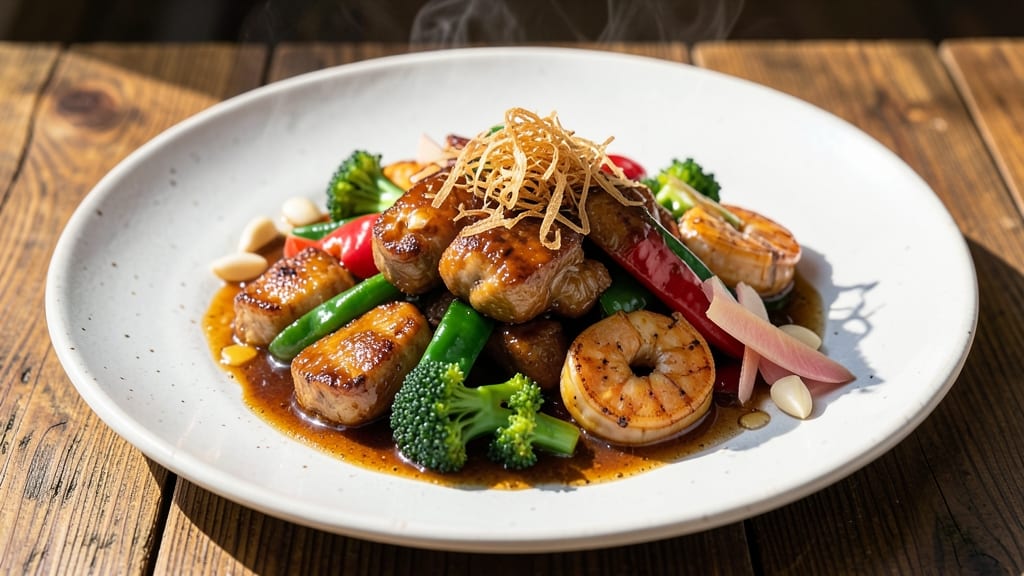
This stir fry sauce recipe with soy sauce and brown sugar transforms simple ingredients into a bold, balanced sauce that elevates any dish in just 10 minutes. The secret lies in caramelizing the brown sugar first—this creates a deep, complex sweetness that pairs perfectly with the umami punch of soy sauce and aromatic garlic. I developed this sauce after years of testing, and it’s become my go-to for quick weeknight meals that taste restaurant-quality.
The beauty of this sauce is its versatility—it works with chicken, tofu, vegetables, or even noodles, delivering that signature sweet-savory depth without overpowering your protein. The cornstarch slurry thickens it just enough to coat ingredients beautifully, while a splash of rice vinegar adds brightness to cut through the richness.
What you’ll end up with is a glossy, aromatic sauce that’s easy to make but impossible to resist.
Once you taste this sauce, you’ll never go back to store-bought versions. The caramelized brown sugar adds layers of flavor that simmer into the soy sauce, creating a harmony of sweet, salty, and umami notes.
It keeps well in the fridge for up to a week, so you can make a big batch and use it all week—whether you’re stir-frying, glazing, or drizzling over rice bowls.
For extra depth, toast your spices before adding them to the sauce—this releases their natural oils and intensifies their flavor. If you prefer a thicker sauce, simply reduce it longer or add a bit more cornstarch. Let’s get started on this game-changing sauce!
Ingredients for stir fry sauce recipe soy sauce brown sugar
Nine simple ingredients create this restaurant-quality stir fry sauce in minutes.
| Ingredient | Amount | Notes |
|---|---|---|
| Brown Sugar 🍯 | ½ cup | Light or dark variety preferred |
| Soy Sauce 🍶 | ½ cup | High-quality, preferably Japanese |
| Rice Vinegar 🍶 | 2 tbsp | White or seasoned preferred |
| Garlic Cloves 🧄 | 3 cloves | Minced for aromatic depth |
| Fresh Ginger 🌿 | 1 tbsp | Finely grated, fresh preferred |
| Cornstarch 🌾 | 1 tbsp | For thickening slurry |
| Water 💧 | 1 tbsp | Room temperature preferred |
| Sesame Oil 🫒 | 1 tbsp | Toasted for nutty aroma |
| Green Onion 🧅 | 2 whole | Thinly sliced for garnish |
| Salt 🧂 | ½ tsp | Adjust to taste |
The brown sugar is non-negotiable here—it caramelizes into a deep, complex sweetness that’s the soul of this sauce. Light or dark brown sugar both work, but avoid raw sugar if you can. For soy sauce, Japanese brands like Kikkoman or Tamari add that authentic umami depth—don’t skimp on quality. The garlic and ginger? Fresh is always better, but if you’re in a pinch, dried minced garlic (one-third the amount) works. I usually grab my ginger from the Asian market section—it’s fresher and more aromatic than the regular grocery store stuff.
No rice vinegar? Apple cider vinegar or white wine vinegar will do in a pinch, though the flavor will be slightly different. Want to skip the sesame oil? Toasted peanut oil at half the amount gives a similar nutty aroma. The cornstarch slurry is key for that glossy finish—just mix it with water first before adding to the sauce. If you prefer a thicker sauce, reduce it longer on the stove or add a bit more cornstarch. For extra depth, toast your spices in a dry pan for 30 seconds before adding—they’ll release their natural oils and intensify the flavor.
This sauce keeps beautifully in the fridge for up to 1 week, so make a big batch and use it all week. It also freezes well for 3 months—just thaw overnight in the fridge. I always portion mine into small jars so I can grab exactly what I need for stir-fries or glazes. The green onions are optional but add a fresh finish—just slice them thinly and toss in at the end. If you make this sauce ahead, let it come to room temperature before using it to avoid shocking your proteins.
Why You'll Love This Recipe
- Five-Ingredient Magic: I swear by this combo—just soy sauce, brown sugar, vinegar, ginger, and garlic. No fancy gadgets, no stress, just a quick simmer while I chop veggies or wait for the wok to heat.
- Sweet-Savory Balance: That caramelized brown sugar cuts through the umami punch of soy sauce like butter on toast. Honestly, the first time I tasted it, I nearly burned my tongue from excitement—it’s that good.
- Weeknight to Party: Slap this on stir-fried chicken for a Tuesday night, or drizzle it over grilled shrimp for a dinner party. Between us, I’ve used it for everything from takeout-style noodles to quick marinades—it’s my secret weapon.
- Makes Leftovers Shine: Got extra sauce? No problem. I keep it in the fridge for up to a week, and it only gets better as the flavors meld. Toss it with leftover rice or frozen veggies—suddenly, dinner’s saved.
Step-by-step instructions for stir fry sauce with soy sauce and brown sugar
This sauce comes together faster than you can say "wok hei" - let's make it.
Prepare the Aromatics and Sweet Base
In a small saucepan, combine the 0.5 cup brown sugar and 0.5 cup soy sauce over medium-low heat. Stir constantly for 3-4 minutes until the sugar dissolves completely and the mixture becomes smooth. You'll notice it starts to bubble gently - this is when the brown sugar's caramel notes begin developing.
While that simmers, finely mince the 3 cloves garlic and grate the 1 tbsp fresh ginger using a microplane or fine grater. The goal is to create a paste-like texture that will dissolve easily into the sauce. Add these to the pan along with the 2 tbsp rice vinegar and 0.5 tsp salt. Stir for another 2 minutes until the garlic turns golden and the ginger loses its raw bite. This aromatic foundation is what makes this sauce sing.
Build the Sauce Body
In a separate small bowl, whisk together the 1 tbsp cornstarch and 1 tbsp water until completely dissolved. This creates a smooth slurry that will thicken our sauce beautifully. I like to whisk vigorously for about 30 seconds to ensure no lumps remain - they'll turn your sauce grainy.
With the saucepan still on medium heat, slowly pour in the cornstarch slurry while stirring continuously. The sauce will begin to thicken almost immediately - you're looking for a consistency similar to heavy cream but still pourable. Cook for an additional 2-3 minutes until it coats the back of a spoon. If it thickens too quickly, add 1 teaspoon water at a time to adjust. The sauce should be glossy and smooth, with a deep amber color that hints at its complex flavors.
Finish with Nutty Depth
Remove the pan from heat and stir in the 1 tbsp sesame oil. The moment you add it, you'll notice the aroma transform - that nutty, toasty depth is what elevates this sauce from good to exceptional. Let the mixture sit off the heat for 1 minute to allow the flavors to meld completely.
Finally, thinly slice the 2 whole green onions and reserve for garnish. The sauce is now ready to use immediately, but if you're not using it right away, transfer to a clean jar and store in the refrigerator for up to 2 weeks. When ready to use, simply reheat gently over low heat while stirring constantly to prevent scorching. This sauce works beautifully with chicken, beef, tofu, or even stir-fried vegetables - the possibilities are endless.
Pro Tips For Making Stir Fry Sauce Recipe Soy Sauce Brown Sugar
- Bloom the Ginger First: Toss your fresh ginger into the pan before the garlic—no, really, I’m serious. The heat will wake up its oils faster, and you’ll get that warm, spicy depth without burning the garlic into oblivion. (Yes, I’ve done that. Twice.)
- Deglaze with Vinegar Last: Save the rice vinegar for the very end, after the brown sugar’s caramelized. Dump it in all at once and let it sizzle—this cuts through the sweetness and brightens the sauce without making it taste like you’re drowning it in salad dressing. (Your stir-fry deserves better.)
- Don’t Rush the Sugar: Let that brown sugar melt slow over medium heat, stirring constantly. If you crank the heat, you’ll end up with bitter burnt bits instead of a glossy, sticky base. (I learned this the hard way when my sauce tasted like a campfire mishap.)
- Toast the Garlic Low: Cook your minced garlic on the lowest possible heat—just until fragrant, not golden. High heat turns it bitter, and you’ll regret it when the sauce tastes like a chemistry experiment gone wrong. (Trust me, your nose knows.)
Serving suggestions for this stir fry sauce recipe soy sauce brown sugar
Protein Pairings
This sauce transforms simple proteins into restaurant-worthy dishes. For chicken thighs, toss them in the sauce after searing and finish under a broiler for 3-4 minutes—the caramelized edges pair perfectly with the sauce’s sweet-savory depth.
With beef strips, marinate for 15 minutes before stir-frying to infuse maximum flavor. For tofu, press and cube extra-firm tofu, then pan-fry until golden before tossing in the sauce for a crispy texture. 🔥
Vegetable Combinations
Bright, crisp vegetables shine with this sauce. Try it with bell peppers, broccoli, and snap peas—the sauce’s glossy texture clings beautifully to their surfaces. For a wok-friendly mix, use 1 cup each of stir-fry veggies and toss them in the sauce for 2-3 minutes over high heat.
Add mushrooms for an earthy contrast, or bok choy for a touch of bitterness that balances the sweetness. 🥦
Grain & Noodle Pairings
Elevate rice bowls or noodles with this sauce. Drizzle over jasmine rice or steamed cauliflower rice for a lighter option. For noodles, toss 8 oz cooked udon or ramen noodles with 2 tbsp sauce and a pinch of sesame seeds.
The sauce’s thickness clings perfectly to noodles, creating a satisfying bite. For extra richness, top with a fried egg or crispy shallots. ✨
Garnishing Ideas
Fresh garnishes add brightness and texture. Thinly sliced green onions or cilantro brighten the dish, while toasted sesame seeds add crunch. For a smoky touch, sprinkle with crushed red pepper flakes or smoked paprika.
A drizzle of chili oil (just ½ tsp) adds heat without overpowering. Save a pinch of salt for finishing—sometimes a little extra enhances the flavors. 🌿
Glazing Techniques
Use this sauce to glaze proteins for extra shine. Brush it over pork chops or salmon fillets during the last 5 minutes of cooking to create a sticky, caramelized crust. For shrimp, toss them in the sauce for 1 minute before finishing under a broiler.
The sauce’s natural thickness makes it ideal for glazing—just ensure your heat is controlled to avoid burning. 🍳
Storage & Reuse
Store leftovers in an airtight container in the fridge for up to 2 weeks. Reheat gently over low heat, stirring constantly to prevent scorching. Freeze portions in ice cube trays for easy single-use servings.
The sauce thickens when cold—thin with 1 tsp water if needed before reheating. This makes it perfect for meal prep! ❄️
Nutrition facts
Frequently asked questions
Can I substitute honey for brown sugar in this stir fry sauce?
Yes, but with adjustments! Use ¼ cup honey instead of ½ cup brown sugar and reduce the soy sauce to ¼ cup to balance sweetness. Heat the honey first to dissolve it fully, then follow the same caramelizing process. The sauce will have a slightly different texture but still deliver that sweet-savory punch.
How do I adjust the thickness of this sauce?
If it's too thick, thin with 1 teaspoon water at a time while stirring. For extra thickness, simmer uncovered for 2-3 more minutes or add ½ teaspoon cornstarch mixed with 1 teaspoon water as a slurry. The ideal consistency should coat the back of a spoon but still be pourable.
What's the best way to store leftovers?
Transfer to an airtight container and refrigerate for up to 2 weeks. For longer storage, freeze in ice cube trays (thaw in fridge overnight). Reheat gently over low heat, stirring constantly to prevent scorching. The sauce thickens when cold—add 1 teaspoon water if needed before reheating.
Can I make this sauce without cornstarch?
Yes! Swap the cornstarch for 1 teaspoon arrowroot powder or 1 tablespoon tomato paste. For a thicker sauce, simmer longer (up to 5 minutes) to reduce naturally. The sauce will be slightly less glossy but still delicious.
Why did my sauce turn grainy?
Graininess usually means undissolved cornstarch or sugar. Next time, whisk the cornstarch slurry vigorously for 30 seconds before adding, and ensure the brown sugar is fully dissolved during the initial caramelizing step. If it happens, strain the sauce through a fine-mesh sieve for a smooth finish.