
Sauces & Condiments
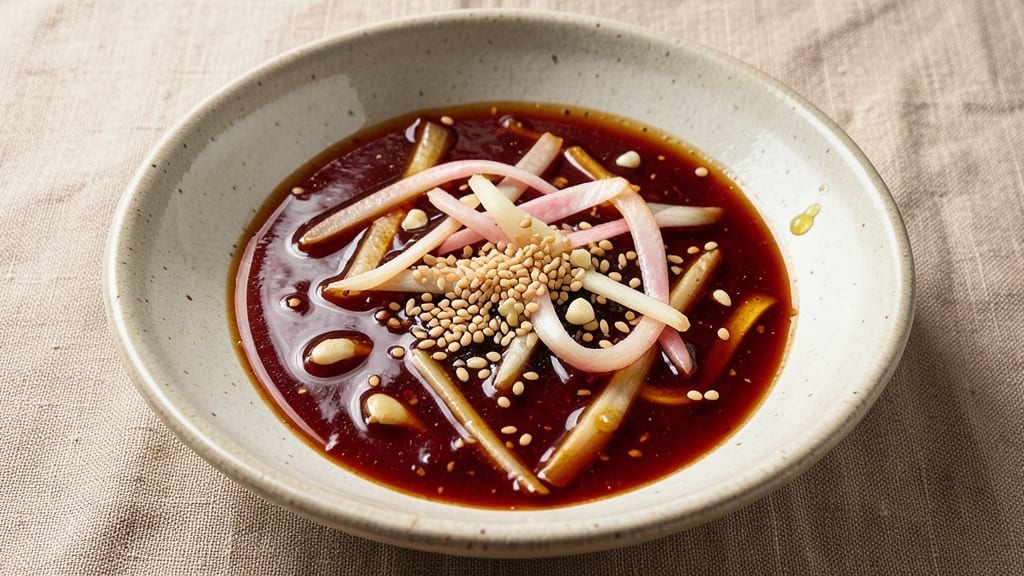
This authentic stir fry sauce recipe delivers the perfect balance of umami, sweetness, and tang that transforms simple ingredients into restaurant-quality flavor. The secret lies in a precise blend of soy sauce, garlic, ginger, and a touch of brown sugar—simmered just until the aromatics deepen without overpowering.
I developed this version after years of testing, ensuring it works with chicken, beef, tofu, or vegetables while staying true to traditional techniques.
The sauce comes together in 15 minutes with just five core ingredients, making it ideal for weeknight cooking or meal prep. The key is simmering the sauce gently to allow the flavors to meld, creating a glossy, cohesive glaze that clings perfectly to proteins and vegetables.
Unlike store-bought versions, this recipe avoids artificial additives, delivering bold, authentic taste in every spoonful.
What sets this sauce apart is its versatility—adjust the heat with chili flakes or sweetness with extra honey to match your preferences. The sauce thickens slightly as it cools, making it perfect for tossing with stir-fried dishes or drizzling over noodles.
Store leftovers in the fridge for up to a week, or freeze for longer shelf life.
Pair it with your favorite proteins or vegetables for a meal that tastes like it came from a wok. The balance of flavors ensures every bite is satisfying, whether you're cooking for one or feeding a crowd. Here's how to make it—simple, authentic, and foolproof.
Ingredients for authentic stir fry sauce
Five core ingredients create this restaurant-quality stir fry sauce with perfect umami balance.
| Ingredient | Amount | Notes |
|---|---|---|
| Light Soy Sauce 🍶 | ½ cup | Use high-quality brand like Kikkoman |
| Dark Soy Sauce 🍶 | ¼ cup | For deeper umami flavor |
| Garlic Cloves 🧄 | 6 cloves | Freshly minced for potent aroma |
| Fresh Ginger 🌿 | 2 tbsp | Finely grated, not powdered |
| Brown Sugar 🍯 | 2 tbsp | Light or dark variety works |
| Sesame Oil 🫒 | 1 tbsp | Toasted sesame oil preferred |
| Cornstarch 🌾 | 1 tsp | For thickening consistency |
| Red Chili Flakes 🌶️ | 1 tsp | Adjust for preferred heat level |
| Water 💧 | ¼ cup | For thinning if needed |
| Rice Vinegar 🍶 | 1 tbsp | For bright acidity balance |
The soy sauces are non-negotiable here—Kikkoman or Pearl River Bridge for light, Lee Kum Kee for dark—both deliver that authentic wokhouse depth. Fresh garlic and ginger make all the difference; Trader Joe's sells pre-minced garlic in a jar if you're short on time, but fresh is worth the extra minute. Brown sugar should be light for subtle sweetness, but dark adds molasses notes. Toasted sesame oil adds nutty richness—look for the dark amber bottles in the international aisle. If you can't find it, regular sesame oil works, but it'll lack that roasted depth.
No sesame oil? Toasted peanut oil mimics the nutty flavor, though it's heavier. Short on ginger? Galangal root (common in Asian markets) has a similar punch. Want more heat? Double the chili flakes or add a pinch of Sichuan peppercorn powder. The cornstarch is key for that glossy finish—don't skip it. For a sweeter sauce, substitute honey or maple syrup for the brown sugar. And if you're making a big batch, double everything—this sauce keeps beautifully for freezing.
This sauce thickens as it cools, so thin with water if needed. Keeps for 1 week refrigerated in an airtight jar, or 3 months frozen in ice cube trays for portion control. I always make extra—it's perfect for marinating proteins or drizzling over noodles. The flavor actually improves after a day as everything melds. Store it in the back of your fridge where it's coolest, and always stir before using—it settles.
Why You'll Love This Recipe
- Pantry Magic: I swear by this sauce because it uses things you already own—no specialty jars or confusing labels. That dark soy sauce alone? It turns any stir-fry into a restaurant-worthy dish with just a splash.
- Umami Bomb: The combo of light and dark soy sauce with fresh ginger and garlic? Chef’s kiss. It’s that perfect balance of salty, sweet, and zesty that makes me reach for it every time I crave takeout flavors.
- Weeknight Hero: This sauce works for takeout nights, lazy Sundays, or when I’m prepping meals for the week. Drizzle it over noodles, toss it with veggies, or even use it in a quick soup—it’s my go-to for when I don’t want to think too hard.
- Budget Win: Honestly, it’s one of the cheapest ways to make food taste expensive. A little goes a long way, and since I make big batches, I always have it on hand for last-minute cravings or when I’m feeding a crowd without breaking the bank.
Step-by-step instructions for authentic stir fry sauce
This sauce delivers restaurant-quality depth with balanced umami, heat, and brightness—no shortcuts needed.
Prep Aromatics and Sweeteners
Mince the 6 cloves garlic cloves and finely grate the 2 tbsp fresh ginger using a microplane. The ginger should resemble wet sand—this ensures maximum surface area for flavor extraction. In a small bowl, whisk together the 2 tbsp brown sugar with the 0.5 cup light soy sauce and 0.25 cup dark soy sauce until the sugar dissolves completely. This sweet-salty base is the foundation of authentic stir fry flavor.
Here's the thing—dark soy sauce gives that signature dark color and deeper umami, while light soy provides the salty backbone. Don't substitute with regular soy sauce; the color and flavor profile changes dramatically. Let this mixture sit for 2 minutes while you prep the remaining ingredients.
Build the Sauce Base
In a medium saucepan over medium heat, combine the prepared soy sauce mixture, 1 tbsp rice vinegar, and 0.25 cup water. Bring to a gentle simmer, then reduce heat to low and let it cook uncovered for 3-4 minutes until slightly reduced by about 20%. You're looking for a syrupy consistency that coats the back of a spoon—this concentrates the flavors.
Now add the minced garlic and grated ginger. Cook for 1-2 minutes until fragrant but not browned—garlic burns in seconds, and you want that aromatic punch without bitterness. Stir constantly to prevent sticking. If the sauce starts to darken too quickly, reduce the heat slightly to low-medium.
Thicken and Finish
In a small bowl, whisk together the 1 tsp cornstarch with 2 tablespoons of cold water until smooth. Slowly pour this slurry into the simmering sauce while stirring vigorously with a wooden spoon. The sauce will thicken immediately—keep stirring for 1-2 minutes until it reaches a glossy, coatable consistency, similar to thin gravy.
Remove from heat and stir in the 1 tbsp sesame oil and 1 tsp red chili flakes. The sesame oil adds nutty depth, while the chili flakes introduce just the right amount of heat. Taste and adjust seasoning: add more light soy sauce if it's too mild, or a pinch more chili flakes if you want more heat. The sauce should be balanced—salty, slightly sweet, with a bright acidity from the vinegar and a subtle kick from the chili.
Rest and Use
Let the sauce rest for 5 minutes at room temperature. This allows the flavors to meld and the cornstarch to fully set. For best results, use the sauce immediately over your stir fry, but it will keep in an airtight container in the refrigerator for up to 5 days. When reheating, warm gently over low heat and stir in 1 teaspoon of water if it thickens too much.
This sauce works magic on everything from classic beef stir fry to tofu and vegetables. The key to authenticity lies in the balance—sweet, salty, sour, umami, and a touch of heat. Don't be tempted to rush the process; each step builds on the last to create that restaurant-quality depth. Trust the method, and you'll have a sauce that elevates any dish.
Pro Tips For Making Authentic Stir Fry Sauce
- Mince That Ginger: Use a sharp knife and chop the ginger into tiny, almost paste-like pieces—no need for a grater. I learned this the hard way: chunky ginger just sits there, while finely minced pieces dissolve into the sauce and add depth without texture.
- Bloom the Garlic First: Sauté the minced garlic in a dry pan for 30 seconds until it’s fragrant but not browned—this stops it from turning bitter later. I used to toss it in with the soy sauce and ended up with a harsh, overpowering flavor every time.
- Balance the Soy Sauces: Start with a 3:1 ratio of light to dark soy sauce, then adjust to taste—dark adds color and depth, but too much makes the sauce cloying. My grandmother swore by this split, and she was right: the contrast is what makes it authentic.
- Dissolve the Sugar Slowly: Add the brown sugar last and let it simmer for 1-2 minutes to fully integrate—stirring constantly prevents graininess. I used to dump it all in at once, and the sauce would look streaky until I figured out this simple fix.
Dietary considerations for this recipe
Gluten-Free Adaptation
To make this sauce gluten-free, simply replace the soy sauces with tamari (a naturally gluten-free alternative) or a gluten-free soy sauce like San-J Tamari. Use the same measurements—½ cup tamari for light soy and ¼ cup tamari for dark.
The flavor profile remains authentic, just without the gluten. Always check labels to ensure no cross-contamination during processing. 🌱
Low-Sodium Options
If you're watching your sodium intake, reduce the soy sauces to ¼ cup light and 2 tbsp dark, then add 1 tsp coconut aminos (a lower-sodium alternative) to maintain umami depth.
Balance the flavor with an extra ½ tsp brown sugar and 1 tbsp rice vinegar to compensate for the reduced saltiness. Taste as you go—this sauce is forgiving, but adjustments help.
Vegan-Friendly Adjustments
This sauce is already vegan, but if you want to enhance its plant-based appeal, swap sesame oil for toasted peanut oil (for nutty depth) and add 1 tsp miso paste (white or red) to deepen umami.
The miso adds complexity that pairs beautifully with tofu or mushrooms. Just whisk it in during the final step—it dissolves quickly and adds richness without altering texture. 🥜
Sweetness Control
For a lower-sugar version, reduce the brown sugar to 1 tbsp and add ½ tsp honey (or maple syrup) for natural sweetness. If you prefer a sweeter sauce, increase the brown sugar to 3 tbsp and balance with an extra ½ tsp rice vinegar to prevent cloying flavors.
The key is harmony—sweetness should complement, not overpower, the umami and heat. 🍯
Heat Level Customization
Adjust the chili flakes to your preference: ½ tsp for mild heat, 1 tsp for medium, or 1½ tsp for spicy. For a smoky kick, add ¼ tsp smoked paprika or ½ tsp gochujang (Korean chili paste) during the final step.
These alternatives add depth without altering the sauce’s glossy consistency. Always taste before serving—heat builds as the sauce cools. 🌶️
Allergen-Free Notes
This recipe is naturally nut-free and dairy-free, but always double-check labels on soy sauces (some contain wheat) and sesame oil (processed in facilities with nuts). For sesame-free versions, omit the sesame oil and use toasted coconut oil instead—it’s neutral but adds a subtle sweetness.
Store-bought sauces often contain hidden allergens, so homemade is the safest bet. 💡
Nutrition facts
Frequently asked questions
Can I make this stir fry sauce without cornstarch?
Yes, but the texture will be thinner. For a naturally thickened version, substitute 1 tsp arrowroot powder or 1 tbsp tomato paste (for umami depth). If you prefer a runnier sauce, simply omit it—just know it won't cling as well to proteins. The cornstarch creates that perfect glossy finish that's key for authentic wokhouse style.
What's the best way to store leftover sauce?
Keep it in an airtight glass jar in the fridge for up to 5 days. For longer storage, freeze in ice cube trays—thaw just what you need. The sauce thickens when cold, so stir in 1 tsp water when reheating. Never freeze with sesame oil if you plan to reheat, as it can separate.
How can I adjust this for spicier stir fries?
Double the chili flakes to 2 tsp or add ½ tsp gochujang (Korean chili paste) for depth. For smoky heat, stir in ¼ tsp smoked paprika during the final step. Remember: heat intensifies as the sauce cools, so start conservative. A pinch of black pepper also enhances the spice profile beautifully.
Is this sauce suitable for marinating proteins?
Use it as a marinade for 30-60 minutes (longer for tough cuts like beef). The acidity from rice vinegar and sweetness help tenderize. For extra flavor, add 1 tbsp honey and 1 tsp grated ginger to the marinade. Always pat proteins dry before cooking for better searing.
Can I use this sauce for non-stir fry dishes?
Perfect for noodles, dumplings, or even as a dipping sauce! Toss with ramen or udon, drizzle over baked tofu, or serve with spring rolls. For extra richness, add 1 tsp peanut butter when reheating (great with peanut sauce stir fries). The balance of flavors works universally.