
Sauces & Condiments
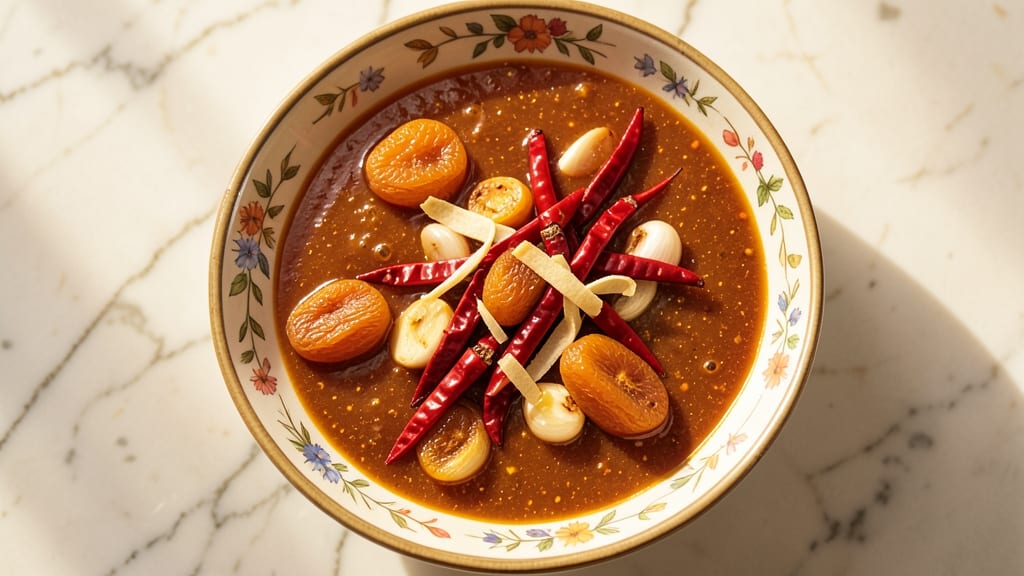
This apricot chili sauce recipe transforms simple ingredients into a versatile condiment that balances sweet and spicy flavors perfectly. 🌟 The secret lies in simmering dried apricots with chili peppers, vinegar, and spices until the mixture reduces into a glossy, tangy-sweet sauce.
It’s the ideal glaze for grilled meats, a bold dipping sauce for spring rolls, or a marinade component that adds depth to any dish.
The process is straightforward: dried apricots soak to soften, then simmer with chili peppers, vinegar, and a touch of sugar to create a harmonious blend of heat and sweetness. A splash of garlic and ginger adds aromatic complexity, while a final blend ensures a smooth, spreadable texture.
This sauce keeps well in the refrigerator for up to two weeks, making it a pantry staple for quick meals.
What makes this sauce special is its adaptability—use it as a glaze for chicken or pork, drizzle it over rice dishes, or serve it alongside fried appetizers. The chili peppers provide a gentle kick, while the apricots lend a fruity sweetness that rounds out the heat.
It’s the kind of sauce that elevates simple dishes into something extraordinary without overpowering them.
The best part? You can adjust the sweetness or heat to your preference by adding more sugar or chili flakes. Once you taste the balance of flavors, you’ll want to make it again and again.
Let’s get started on this crowd-pleasing condiment that’s as easy to make as it is delicious.
Ingredients for apricot chili sauce
Nine simple ingredients create a sauce that’s perfect for grilling or dipping.
| Ingredient | Amount | Notes |
|---|---|---|
| Dried Apricots 🍑 | 1 cup | Chopped into small pieces |
| Red Chili Peppers 🌶️ | 4 whole | Dried, like ancho or guajillo |
| White Vinegar 💧 | ½ cup | White or apple cider |
| Granulated Sugar 🍚 | ¼ cup | Adjust to taste |
| Garlic Cloves 🧄 | 3 cloves | Fresh, minced |
| Fresh Ginger 🌿 | 1 tbsp | Grated, or 1 tsp ground |
| Salt 🧂 | ½ tsp | Kosher or sea salt |
| Ground Black Pepper 🌶️ | ¼ tsp | Freshly ground preferred |
| Extra-Virgin Olive Oil 🫒 | 2 tbsp | For blending at the end |
The apricots and chili peppers are the heart of this sauce. Dried apricots from the bulk section at Trader Joe's or Whole Foods work best—they’re plump and sweet. For chilis, ancho or guajillo peppers (found in the Latin foods aisle) give the best smoky depth. If you can’t find them, dried red chili flakes in a pinch, but the texture won’t be as smooth. Soak the apricots and chilis in hot water for 20 minutes before blending—they’ll soften perfectly and release their flavors. Skip the pre-chopped apricots; chopping them yourself ensures even cooking and better texture.
No dried chilis? Fresh red jalapeños or serranos work in a bind, but you’ll need about 2-3 peppers for the same heat. Running low on vinegar? Lemon juice or rice vinegar are great swaps, though the flavor will shift slightly. The sugar is key for balancing the heat—add more if you prefer sweeter, or skip it entirely for a tangier sauce. For the garlic and ginger, fresh is always better, but if you’re in a rush, powdered ginger and garlic salt (at half the amount) will do. The olive oil at the end is non-negotiable—it emulsifies everything into a silky, spreadable sauce.
This sauce tastes even better the next day as the flavors meld. Store it in a clean glass jar in the fridge for up to 2 weeks. For longer storage, freeze portions in ice cube trays—just thaw and stir. I like to make a big batch because it disappears fast: glaze for grilled chicken, dip for spring rolls, or marinade for tofu. The sauce thickens as it sits, so add a splash of water if it gets too stiff. Trust me, you’ll want to make this again and again.
Why You'll Love This Recipe
- Fewer Ingredients, Bigger Bang: Honestly, I swear by this recipe because it’s ridiculously efficient—just dried apricots, chili peppers, vinegar, sugar, and garlic. No fancy pantry staples, no last-minute grocery runs. The dried apricots soften into that jammy sweetness while the chili peppers add heat without overpowering, and the vinegar ties it all together in one simmer.
- Sweet Heat Magic: Between us, this sauce is dangerously addictive—the dried apricots caramelize into a deep, fruity richness, while the red chili peppers bring a slow-building warmth. The garlic cloves? They infuse just enough punch to make it feel restaurant-worthy, not just store-bought shortcut. I’ll be real: I’ve caught myself sneaking bites straight from the jar.
- Works Everywhere: Here’s what sold me—this sauce isn’t just for grilled chicken or roasted veggies. Drizzle it over yogurt for a tangy dip, stir it into marinades for a sticky glaze, or even toss it with couscous for a Middle Eastern twist. My kids even ask for it on their plain toast (yes, even on a Tuesday night).
- Lasts All Week: Not the prettiest in a jar, but it keeps like a champ in the fridge for at least two weeks. That means I make a big batch once and use it all—no sad, wilted leftovers. Plus, the sugar and vinegar combo acts like a natural preservative, so it doesn’t turn funky. Budget-friendly? Absolutely. Time-saving? Even more so.
Step-by-step instructions for apricot chili sauce
This sweet-and-spicy sauce comes together in one pot with simple ingredients.
🔥 Step 1: Toast the Chili Peppers and Apricots
Heat a dry skillet over medium heat and add the 4 whole red chili peppers. Toast them for 2-3 minutes per side until fragrant and slightly charred—this deepens their smoky flavor. Remove them and set aside to cool slightly.
In the same skillet, add the 1 cup dried apricots and toast for 1-2 minutes, stirring constantly, until they darken slightly and release their natural oils. This step enhances their caramelized sweetness and removes any potential bitterness. Transfer the apricots to a bowl and set aside with the chilis.
🍳 Step 2: Simmer the Vinegar and Sugar
Pour the 0.5 cup white vinegar and 0.25 cup granulated sugar into the skillet, scraping up any browned bits from the bottom. Bring to a boil over medium-high heat, then reduce to medium-low and simmer for 5 minutes until slightly thickened and translucent.
Here's the thing—this simmering step is crucial for dissolving the sugar and mellowing the vinegar's sharpness. You'll know it's ready when the mixture coats the back of a spoon and smells sweetly tangy. Keep an eye on it to prevent burning.
👨🍳 Step 3: Add Aromatics and Build Flavor
Add the 3 minced garlic cloves, 1 tablespoon grated fresh ginger, 0.5 teaspoon salt, and 0.25 teaspoon ground black pepper to the vinegar mixture. Stir well and simmer for 3-4 minutes until fragrant and slightly thickened.
Don't walk away during this step—the garlic and ginger should sizzle gently but not burn. You'll smell the aroma fill your kitchen, which means the flavors are developing perfectly. If it starts to stick, add 1-2 tablespoons of water to keep it moving.
🥘 Step 4: Combine and Blend the Sauce
Add the toasted chili peppers and apricots to the skillet, along with any accumulated juices. Stir everything together and simmer for 8-10 minutes over low heat, stirring occasionally, until the apricots soften and the sauce thickens slightly.
Real talk: This is where the magic happens. The chilis rehydrate and infuse their heat, while the apricots release their jammy sweetness. You want the sauce to be thick enough to coat the back of a spoon but still pourable. If it's too thick, add 1 tablespoon of water at a time until you reach the right consistency.
🍳 Step 5: Finish with Olive Oil and Adjust
Remove the sauce from heat and stir in the 2 tablespoons extra-virgin olive oil. Let it cool for 5 minutes, then blend until smooth using an immersion blender or transfer to a regular blender (be careful—it's hot!).
Taste and adjust the sweetness or heat to your preference. Need more sweetness? Add a pinch of sugar. Too spicy? Stir in a splash of water or vinegar to mellow it. The sauce should have a perfect balance of sweet apricot, smoky chili, and tangy vinegar with a velvety texture.
Pro Tips For Making Apricot Chili Sauce
- SOAK DRY FRUIT FIRST: Dried apricots absorb liquid like sponges—toss them in warm water for 15 minutes before cooking. I learned this the hard way when my sauce turned into a thick, gluey mess because the fruit soaked up all the moisture mid-simmer.
- SIMMER DON’T BOIL: Low heat is your friend here. A rolling boil will burn the sugar and turn your sauce bitter—keep it at a gentle bubble, like a lazy simmer. After burning three batches, I finally figured out that patience pays off with a smoother, sweeter finish.
- PEEL AND SEED CHILIS: Fresh chilis? Peel off the skins first—they add bitterness and grittiness. And seed them only if you want mild heat; leave seeds in for a real kick. My grandmother swore by this, and she was right: the texture and flavor are noticeably cleaner when you do.
- BALANCE ACID LAST: Add vinegar at the very end—even after the sauce thickens. This keeps the bright tang from cooking off and turning dull. I was skeptical until I tried it: the flavor stays sharp, and the sauce doesn’t taste flat after sitting in the fridge.
Common mistakes when making your apricot chili sauce
Skipping Soak Time
Never skip soaking your dried apricots and chili peppers—this is where their flavors unlock. I’ve seen people rush this step and end up with a grainy, uneven sauce. Soak them in hot water for 20 minutes before blending.
This softens the fibers and ensures a silky texture. If you’re in a hurry, a 5-minute soak in boiling water works, but the texture won’t be as smooth. 🌶️
Overcooking the Vinegar
Watch that vinegar mixture like a hawk—it burns faster than you think. Once you add the sugar, reduce heat to medium-low and stir constantly. I’ve ruined batches by letting it boil too hard, turning the sauce bitter.
The goal is a slightly thickened, translucent syrup, not caramelized sugar. If it starts to darken too much, dilute with 1 tablespoon water and start fresh.
Ignoring the Toasting Step
Skipping the chili pepper and apricot toasting is a big mistake—they need that smoky depth. Toast the chilis for 2-3 minutes per side until fragrant, and the apricots for 1-2 minutes until they darken.
This step removes bitterness and develops complex flavors. I once made sauce without toasting and ended up with a flat, one-dimensional result. Trust me, the extra 5 minutes makes all the difference. 🔥
Using Pre-Chopped Apricots
Store-bought chopped apricots are convenient, but they’re often dried too long and lack moisture. When you blend them, you’ll get a thicker, less glossy sauce. Always chop your own 1 cup dried apricots into small, even pieces.
This ensures consistent cooking and a smoother final texture. If you’re short on time, soak pre-chopped apricots for 30 minutes instead of 20 to compensate.
Not Adjusting Heat Levels
Every batch of chili peppers has different heat levels, and skipping adjustments can ruin the balance. Taste your sauce before blending and add 1-2 tablespoons of sugar if it’s too spicy, or 1 teaspoon of vinegar if it’s too sweet.
I like to make small batches first to test the heat before committing to a full recipe. The goal is a harmonious sweet-spicy-tangy profile, not a one-note sauce.
Blending Too Soon
Blending hot sauce can cause splattering and even burns. Always let your sauce cool for 5 minutes before blending. I’ve had sauce spray out of a blender and create a mess—it’s not worth the risk.
If you’re in a rush, transfer the sauce to a heatproof bowl first. Once blended, the sauce will thicken as it cools, so adjust with water if needed. ✨
Nutrition facts
Frequently asked questions
Can I use fresh apricots instead of dried?
Fresh apricots won't work the same way—they lack the concentrated sweetness and texture needed for this sauce. Dried apricots develop deeper caramelized flavors when toasted, while fresh ones would make the sauce too watery. If you must use fresh, reduce them to a jam-like consistency first (about 1 cup jam instead of dried), but the texture will be less glossy.
How do I adjust the spice level?
Start by removing the seeds and membranes from dried chilis before toasting for milder heat. For extra kick, add 1-2 teaspoons of chili flakes or a pinch of cayenne. Need to mellow it? Stir in 1 tablespoon of honey or 1 teaspoon of sugar to balance the heat with sweetness. Always taste before blending!
What are the best ways to use this sauce?
This versatile sauce works as a glaze for grilled chicken or pork, a dip for spring rolls or fries, or a marinade base. Try brushing it on baked salmon for 10 minutes before serving, or drizzle over stir-fried noodles. It also pairs beautifully with cheese boards—pair it with sharp cheddar or goat cheese for a sweet-spicy contrast.
Can I make this sauce without vinegar?
Vinegar is key for the tangy balance, but you can substitute with lemon juice or apple cider vinegar (use 0.4 cup instead of 0.5). For a completely vinegar-free version, replace it with 0.3 cup orange juice plus 1 teaspoon lemon zest, though the flavor will be slightly fruitier. The sauce will still work, but the tang will be less pronounced.
How long will this sauce keep?
Store in an airtight container in the fridge for up to 2 weeks. For longer storage, freeze in ice cube trays—thaw overnight in the fridge before using. The sauce actually improves with age as flavors meld! If it thickens too much when refrigerated, stir in 1 teaspoon of water to restore pourability.