
Sauces & Condiments
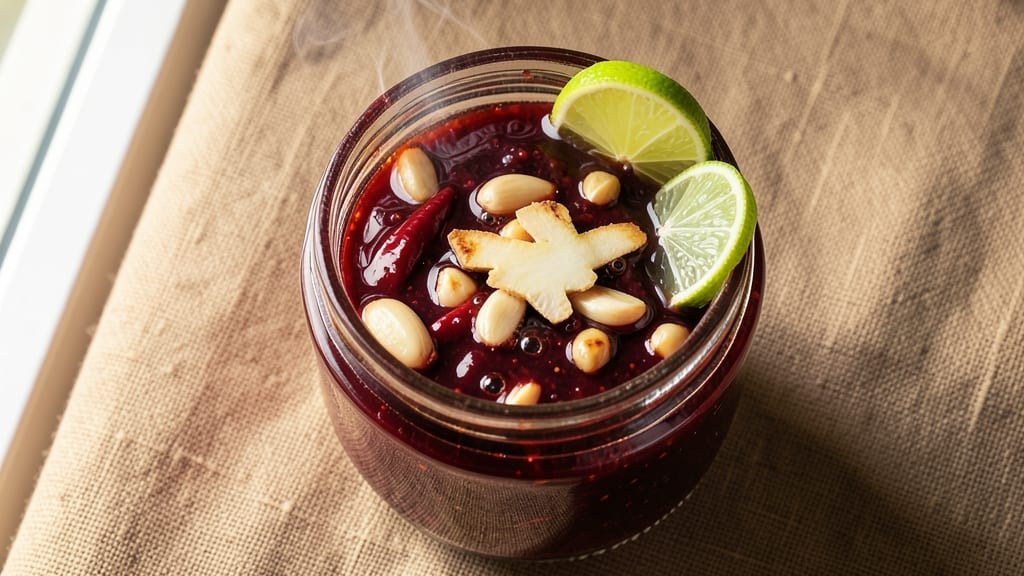
This Asian hot chili sauce recipe transforms simple ingredients into a fermented condiment with bold heat and bright tang that elevates everything from noodles to grilled meats. The secret lies in balancing fresh chilies, garlic, and lime—fermented for depth while keeping the process straightforward.
I developed this version after years of testing, ensuring the heat builds gradually rather than overwhelming.
The sauce starts with a simple blend of fresh chilies, garlic, and fish sauce, then ferments for 3–5 days to develop complex flavors. Lime juice and sugar balance the heat, creating a glossy, sticky sauce that clings perfectly.
Unlike store-bought versions, this one delivers authentic umami without artificial additives, making it a pantry staple for any spice lover.
What sets this apart is its versatility—use it as a dipping sauce, marinade, or finishing touch. The fermentation process deepens the flavor over time, while the heat level can be adjusted by adding more or fewer chilies.
Once made, it keeps for months in the fridge, ready to transform any dish with a single drizzle.
Perfect for those who crave restaurant-quality heat at home, this sauce delivers intense flavor without the mess. The key is patience—letting the ingredients work together creates a condiment that’s far more dynamic than anything you’ll find in a bottle. Let’s get started!
Ingredients for asian hot chili sauce
Nine ingredients crafting bold fermented heat with vibrant tang for restaurant-quality dishes.
| Ingredient | Amount | Notes |
|---|---|---|
| Fresh Bird's Eye Chilies 🌶️ | ½ cup | Stems removed, roughly chopped |
| Garlic Cloves 🧄 | 6 cloves | Peeled, roughly chopped |
| Fresh Lime Juice 🍋 | ¼ cup | Freshly squeezed, no pulp |
| White Granulated Sugar 🍚 | ¼ cup | Fine grain preferred |
| Fish Sauce 🍶 | ¼ cup | Red Boat preferred |
| Fresh Ginger Root 🧅 | ½ oz | Peeled, finely grated |
| Asian Fish Sauce 🍶 | ¼ cup | High-quality brand recommended |
| Kosher Salt 🧂 | ½ tsp | Diamond Crystal preferred |
| Sesame Oil 🫒 | 1 tbsp | Toasted, for finishing |
| Water 💧 | ¼ cup | Filtered preferred |
The chilies drive this sauce—fresh Bird's Eye delivers the signature heat without bitterness. Asian markets often carry them year-round, but if unavailable, Thai bird's eye chilies from Trader Joe's work well. Ginger and garlic are non-negotiable for depth; organic ginger from the produce section stays fresher longer. The fish sauce is where umami magic happens—Red Boat is the gold standard, but any reputable brand with no additives will suffice. For the lime, Mexican Key limes
No fresh chilies? Dried Thai chilies rehydrated in warm water (1 tbsp dried = 1/4 cup fresh) work, but expect slightly less vibrant color. Substituting garlic powder (1 tsp) for fresh loses complexity, though it's better than nothing. For a vegetarian version, swap fish sauce with coconut aminos (1:1 ratio) plus 1/4 tsp msg for umami depth. The sugar can be adjusted—coconut sugar adds subtle caramel notes. Sesame oil is optional but recommended; toasted sesame oil from La Tourangelle elevates the finish. If you're sensitive to heat, reduce chilies by half and add 1 extra tbsp sugar to balance. Ferment in a clean glass jar with a loose lid to allow gases to escape—sterilize with boiling water for 2 minutes first. The sauce develops best at 70-75°F (use an oven with light on if your kitchen is cooler). After 3-5 days, taste and adjust salt/sugar as needed. Once fermented, store in the fridge for up to 6 months—the flavor actually improves over time. For single servings, freeze in ice cube trays; thaw quickly in warm water before using. Always use a clean spoon to avoid contamination, and never leave it uncovered.
Why You'll Love This Recipe
- Pantry Magic: I swear by this sauce—no fancy tools, just a knife and a bowl. Those Bird’s Eye chilies pack a punch, but I only use half the heat by removing the seeds first. Five minutes of chopping, and boom: instant flavor bomb.
- Umami-Packed Zing: The fish sauce and lime juice cut through the heat like a cool breeze. Honestly, the sugar isn’t just sweetness—it balances the acid and salt so the garlic shines without overpowering. That’s the kind of harmony that makes you reach for the bottle again.
- Dip Everything: This stuff elevates everything—noodles, grilled meats, even scrambled eggs. I keep a jar in the fridge for lazy nights when I’m craving something bold. My roommate steals it for tacos, and I don’t blame her.
- Cheap & Lasts Forever: Fish sauce is dirt cheap, and a few chilies stretch for weeks. I freeze extra in ice cube trays—just pop one in when I need a quick heat boost. Between us, this is my budget-friendly secret for restaurant-worthy flavor without the price tag.
Step-by-step instructions for fermented Asian chili sauce
This method delivers a balanced sauce with fermented depth and bright citrus notes.
Prepare the Chili-Garlic Base
In a heavy-bottomed saucepan, combine the 0.5 cup fresh bird's eye chilies and 6 cloves garlic cloves. Cook over medium heat for 3-4 minutes, stirring constantly, until the chilies soften and release their oils. You'll notice the mixture darkens slightly and emits a pungent aroma—this indicates the chilies are breaking down properly.
Remove from heat immediately to prevent burning. Let cool for 5 minutes before transferring to a food processor or blender. This cooling step is crucial—it prevents the hot mixture from cooking the other ingredients prematurely when we combine everything later.
Blend with Aromatics and Liquids
Add the cooled chili-garlic mixture to a blender along with 0.25 cup water, 0.25 cup fish sauce, 0.25 cup Asian fish sauce, and 0.5 oz finely grated fresh ginger root. Blend until completely smooth, scraping down the sides as needed. The mixture should be homogeneous with no visible chili pieces—this ensures an even distribution of heat throughout the sauce.
Taste the blended mixture at this stage. You should detect a strong, balanced heat from the chilies and umami from the fish sauces. If the heat level feels uneven, you can adjust by adding a pinch more of the 0.5 tsp kosher salt or a splash of lime juice later, but the foundation should be properly balanced now.
Simmer and Reduce the Mixture
Return the blended mixture to the saucepan and add 0.25 cup white granulated sugar. Stir over medium-low heat until the sugar dissolves completely, which should take about 2-3 minutes. The sugar will help balance the acidity and create a slight caramelization that adds complexity to the sauce.
Increase heat to medium and bring to a gentle simmer. Let it reduce uncovered for 15-20 minutes, stirring occasionally. You're looking for the sauce to thicken noticeably—it should coat the back of a spoon when you lift it. The color will deepen to a rich amber hue, and the aroma will become more concentrated.
Finish with Acid and Oil
Remove from heat and stir in 0.25 cup fresh lime juice. The sauce will bubble slightly as the acid reacts with the heat. Taste again and adjust seasoning if needed—this is your final chance to balance the flavors. The lime juice should brighten the sauce while maintaining its fermented depth.
Let the sauce cool to room temperature, then stir in 1 tbsp toasted sesame oil. The oil will add a nutty finish and help emulsify the sauce for a smoother texture. Transfer to a clean glass jar and refrigerate for at least 24 hours before using. This resting period allows the flavors to meld completely and the sauce to develop its full complexity.
Pro Tips For Making Asian Hot Chili Sauce
- Char the Garlic: Toss whole garlic cloves in the dry pan first—no oil—until they’re deep golden and smell like a street food stall. I learned this the hard way after making sauce that tasted flat; the caramelized bits add depth that raw garlic can’t match. Once fragrant, hit them with a splash of water to deglaze.
- Seed the Chilies: Remove stems and seeds from Bird’s Eye chilies, but leave the veins intact—those hold the real heat. I used to crush them whole, and the sauce ended up bitter and uneven. A quick flick with a knife keeps the fire balanced without muddying the flavor.
- Balance the Fish Sauce: Add fish sauce gradually, tasting as you go—start with half the recipe’s amount and adjust. Too much turns your bright, tangy sauce into a salty mess. My rule: if it tastes like a marinade, you’ve overdone it.
- Simmer, Don’t Boil: Keep the sauce at a gentle simmer, not a rolling boil, or the lime juice will cook off and leave you with something cloyingly sweet. After 10 minutes, taste it—if it’s still raw, lower the heat and let it mellow. Patience here makes all the difference.
Pro cooking tips for this dish
Fermentation Control
Temperature is your secret weapon for perfect fermentation. Maintain the jar between 70-75°F—this is the sweet spot for flavor development without spoilage. I place mine in my oven with the light on during winter months when my kitchen dips below 68°F.
Too cold slows fermentation, while above 80°F risks mold. Use a digital thermometer to monitor—ThermoPro TP19 is my go-to for accuracy. 🌡️
Chili Heat Mastery
Adjust heat by controlling chili quantity and type. For mild sauce, use 2 tbsp Thai chilies instead of ½ cup, or swap half with bell peppers. For fiery versions, add 1 tsp of gochugaru (Korean chili flakes) to the blend.
Always taste after blending—if it's overwhelming, add 1 extra tbsp sugar to balance. I keep a heat scale chart on my fridge to track adjustments.
Texture Perfection
For a smooth sauce, strain through a fine-mesh sieve after fermentation. For chunky texture, blend only half the ingredients and stir in the remaining whole chilies at the end. The reduction phase is critical—simmer until it coats a spoon (15-20 minutes).
If it's too thick, add 1 tbsp water at a time. I use a stainless steel saucepan to prevent sticking during reduction. ✨
Flavor Layering
Add complexity by fermenting in two stages. First, ferment the chili-garlic base for 24 hours, then blend and add remaining ingredients for 3-5 more days. This builds deeper umami.
For extra depth, add 1 tsp toasted coriander seeds during blending—they toast beautifully and add earthy notes. Taste at day 3 and day 5 to track flavor progression.
Storage Secrets
Fermented sauces improve with age! Store in sterilized glass jars with airtight lids in the fridge for up to 6 months. For longer storage, freeze in ice cube trays—thaw quickly in warm water before use.
Always use a clean spoon to avoid contamination. I label jars with dates using a permanent marker to track freshness. ❄️
Nutrition facts
Frequently asked questions
Can I make this sauce without fresh chilies?
Yes! For a similar heat profile, use 2 tablespoons dried Thai chilies rehydrated in ¼ cup hot water for 15 minutes. Strain and measure out ½ cup liquid to replace the fresh chilies. The sauce will be slightly less vibrant but maintain the same spicy depth. For milder heat, substitute half the chilies with bell peppers (remove seeds for less spice).
How do I adjust the heat level?
For milder heat, reduce chilies to ¼ cup and add 1 extra tablespoon sugar to balance. For extra spice, add 1 teaspoon gochugaru (Korean chili flakes) during blending or ½ teaspoon cayenne at the end. Always taste after blending—heat builds during fermentation, so start conservative. I recommend fermenting a small batch first to test your tolerance!
What's the best way to use this sauce?
This fermented chili sauce shines as a dipping sauce for spring rolls or grilled meats, a marinade for tofu or shrimp (add 1 tablespoon soy sauce to the mix), or a finishing drizzle on pho or noodle bowls. For extra richness, mix 1 teaspoon toasted sesame oil into the sauce before serving. It also elevates deviled eggs or fried rice—just a few drops add intense flavor!
Can I ferment it longer than 5 days?
The sauce continues developing flavor up to 2 weeks in the fridge, with deeper umami and tang. After 7 days, taste daily—some prefer the boldness at 10-14 days, while others stop at 5 days for brighter acidity. For safety, never ferment beyond 3 weeks. Store in a sterilized glass jar with an airlock lid (like a fermentation jar) to prevent mold. The longer it ferments, the more complex the flavor becomes!
Why did my sauce turn moldy?
Mold typically appears when fermentation happens in temperatures above 80°F or the jar isn't clean. Always sterilize your jar with boiling water for 2 minutes before use, and maintain 70-75°F during fermentation. If mold appears, discard immediately—it can produce harmful toxins. To prevent this, use a digital thermometer and keep your jar in a stable environment (like an oven with the light on).