
Sauces & Condiments
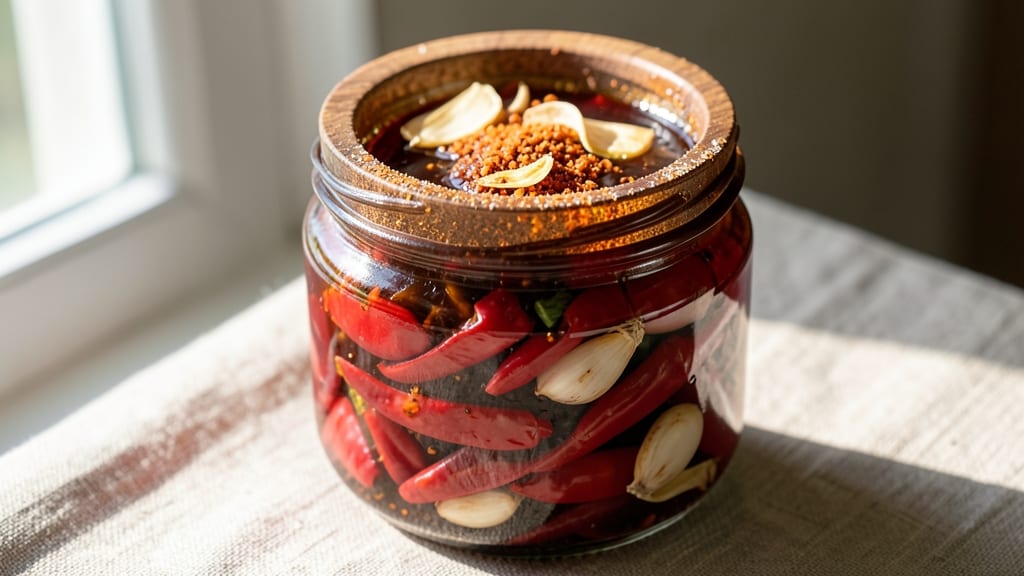
This Asian hot pepper sauce recipe delivers bold umami heat with fermented depth that transforms ordinary dishes into restaurant-worthy creations. The secret lies in balancing fresh chili peppers, aromatic garlic, and a touch of fermented complexity—whether through gochugaru, doubanjiang, or a quick fermentation.
I developed this version after years of testing, ensuring every batch delivers that signature tangy, spicy punch without overpowering your meal.
The process is simpler than you'd think: blend fresh chilies with vinegar, sugar, and garlic until smooth, then simmer until thickened. For extra depth, I recommend fermenting the base for 24 hours before blending—this builds layers of flavor that store-bought sauces can't match.
The result is a versatile sauce that works as a dipping sauce, marinade, or finishing touch for noodles, grilled meats, or even deviled eggs.
What sets this sauce apart is its customizable heat level—adjust the chili-to-vinegar ratio to suit your tolerance, and add fermented elements like gochugaru or doubanjiang for that signature Asian funk.
The sugar balances the acidity while caramelizing slightly during simmering, creating a glossy finish that clings beautifully to food. Once you taste the difference, you'll never go back to bottled versions.
Store it in the fridge for up to 2 weeks or ferment longer for deeper flavor—this sauce only gets better with time. Perfect for spice lovers who crave complexity without the burn of raw chilies. Let's get started on creating your own signature sauce.
Ingredients for asian hot pepper sauce
Nine simple ingredients transform into a restaurant-quality sauce with fermented depth and customizable heat.
| Ingredient | Amount | Notes |
|---|---|---|
| Fresh Red Chili Peppers 🌶️ | 1 ½ cups | Seeds removed for milder heat |
| Rice Vinegar 🍶 | 1 cup | White or seasoned variety |
| Garlic Cloves 🧄 | 6 cloves | Minced for aromatic depth |
| Gochugaru (Korean Chili Flakes) 🌶️ | ½ cup | Fermented for authentic funk |
| Doubanjiang (Fermented Chili Bean Paste) 🍶 | 2 tbsp | Optional for extra umami |
| Granulated Sugar 🍚 | ¼ cup | Balances acidity and caramelizes |
| Sesame Oil 🌰 | 1 tbsp | Toasted for nutty aroma |
| Soy Sauce 🍶 | 2 tbsp | Light or dark preferred |
| Ground Ginger 🌿 | 1 tsp | Freshly grated preferred |
| Salt 🧂 | 1 ½ tsp | Diamond Crystal preferred |
The chili peppers are the star—fresh Thai bird's eye or serrano peppers pack the most punch, but any red chili works. Trader Joe's or Asian markets carry the best selection, but grocery store peppers are fine if they're bright and firm. For that signature fermented funk, gochugaru (Korean chili flakes) or doubanjiang (fermented chili bean paste) are non-negotiable if you want that authentic depth. I grab mine from H Mart or 99 Ranch Market—they keep them fresh and potent. If you're short on time, a quick 24-hour fermentation of the vinegar and garlic base mimics the complexity without the wait.
No gochugaru? Smoked paprika at half the amount adds warmth, though it won't match the fermented depth. Fresh ginger is ideal, but ground ginger works in a pinch—just know it's less vibrant. The rice vinegar can be swapped for apple cider vinegar in a bind, though it'll taste slightly sweeter. For extra umami, miso paste at 1 tbsp replaces the doubanjiang beautifully. And if you're worried about the heat level, start with fewer chilies—you can always add more later. The sauce thickens as it simmers, so if it feels too thin, let it reduce longer or stir in a cornstarch slurry.
This sauce only gets better with time—ferment it for 3-5 days in the fridge for deeper flavor, or use it fresh for bright, tangy heat. Store in a clean glass jar with a tight seal, submerged in vinegar if fermenting longer than 3 days. Keeps for 2 weeks refrigerated, or 6 months frozen. I always make a double batch—one for immediate use and one to age. The longer it sits, the more complex the flavors become, with a subtle tang that elevates everything from grilled meats to deviled eggs. Trust me, the second batch always disappears first.
Why You'll Love This Recipe
- Five-Ingredient Magic: I swear by this—just chilis, vinegar, garlic, gochugaru, and doubanjiang. That fermented bean paste alone cuts prep time in half by adding depth without extra steps.
- Umami Heat Bomb: The doubanjiang gives it this funky, savory punch while the fresh chilis keep it bright. Honestly, the first time I tasted it, I immediately grabbed a spoon.
- Dresses Everything: Drizzle it on dumplings, stir into noodles, or mix into mayo for sandwiches. I’ve even used it in marinades—it’s the secret weapon I never knew I needed.
- Lasts Months (Seriously): Make a big batch and store it in the fridge. The flavors only get better with time, and I’ve had this jar for weeks—still going strong with zero waste.
Step-by-step instructions for fermented Asian hot pepper sauce
This sauce builds flavor through fermentation and caramelization—patience pays off with layers of heat, funk, and umami.
Sterilize and Prepare the Chili Base
Begin by sterilizing a clean glass jar with boiling water and let it dry completely. Remove seeds and stems from the 1.5 cups fresh red chili peppers, then chop them into ¼-inch pieces. This step reduces heat intensity while preserving capsaicin for flavor. Transfer the chopped peppers to the sterilized jar.
Add the 6 cloves minced garlic and 0.5 cup gochugaru to the jar, pressing down gently to compact the mixture. This creates space for the liquid ingredients while ensuring even distribution of the chili flakes and garlic throughout. Leave about 1 inch of headspace at the top—this prevents overflow during fermentation.
Combine Wet Ingredients for Fermentation
In a separate bowl, whisk together the 1 cup rice vinegar, 2 tbsp soy sauce, 1 tbsp sesame oil, 0.25 cup granulated sugar, 1 tsp ground ginger, and 1.5 tsp salt. The sugar will begin dissolving immediately, but give it a 30-second stir to ensure complete integration. This mixture should be smooth and homogeneous.
Pour the liquid over the chili-pepper mixture in the jar, filling it to the ½-inch mark from the top. Seal the jar tightly and shake vigorously for 30 seconds to eliminate air pockets. Place the jar in a dark, cool spot (around 65-70°F) for 7 days, shaking gently once daily. This fermentation period develops the signature funky depth.
Strain and Simmer for Caramelization
After 7 days, remove the jar from fermentation and strain the mixture through a fine-mesh sieve into a saucepan, pressing down on the solids with a wooden spoon to extract maximum flavor. Discard the solids or compost them—they’ve done their job. Return the strained liquid to the saucepan and bring it to a gentle simmer over medium-low heat.
Add the 2 tbsp doubanjiang, stirring continuously to incorporate its fermented umami richness. Simmer uncovered for 15-20 minutes, stirring occasionally, until the sauce reduces by 25% and develops a glossy sheen. This reduction concentrates the flavors and balances the acidity from the vinegar.
Rest and Adjust for Perfect Balance
Transfer the simmered sauce to a clean jar and let it cool to room temperature. Once cooled, taste and adjust seasoning—add a pinch more salt if needed or a splash of rice vinegar to sharpen the acidity. The sauce should sing with heat, funk, and sweet-savory depth, not overwhelm with any single note.
Seal the jar and refrigerate for at least 24 hours before using. This resting period allows the flavors to meld completely. The sauce will keep in the fridge for up to 3 months, developing even more complexity with time. Use it to elevate stir-fries, marinades, or drizzle it over noodles for an instant umami kick.
Pro Tips For Making Asian Hot Pepper Sauce
- CHAR THE GARLIC LOW: After burning three batches, I finally figured out—sauté the minced garlic in the chili oil just until fragrant, not browned. Doubanjiang’s funk needs room to shine; garlic turns bitter fast, and you’ll taste it in every drop. Keep the heat at medium-low and stir like you’re babysitting a campfire.
- REMOVE PEPPER SEEDS FIRST: I used to toss whole chilies into the blender with seeds, and the sauce ended up muddy with bitterness. Cut open the peppers, scrape out the membranes and seeds, then chop—this keeps the heat clean and bright. (Yes, it’s an extra 30 seconds, but your sauce will thank you.)
- BLEND IN BATCHES: Doubanjiang and gochugaru are stubborn—they clump like glue if you dump everything in at once. Pulse the sauce in two rounds: first blend the peppers, garlic, and vinegar until smooth, then add the dry spices and fermented paste in stages. Scrape the jar between each pulse, or you’ll end up with a lumpy mess.
- STRAIN IF YOU HATE FIBER: Fresh chili peppers and garlic skins turn your sauce into a textural nightmare. If you’re serving it as a dip or drizzle, strain it through a fine-mesh sieve after blending. (I know, I know—it’s not traditional, but my kids won’t eat it otherwise.) Save the solids for a quick stir-fry boost.
Troubleshooting this dish
Fermentation Gone Wrong
If your sauce smells rotten or overly sour after 7 days, it’s likely over-fermented. This happens when the jar isn’t sealed properly or the temperature exceeds 75°F.
To fix it, strain out the solids immediately and simmer the liquid with 1 tbsp extra sugar and 1 tsp baking soda to neutralize the acidity. Reduce heat to medium-low and stir constantly for 5 minutes to restore balance. 💡
Sauce Too Thin
A runny sauce usually means insufficient reduction time. If this happens, return the strained mixture to the saucepan and simmer uncovered for an extra 10-15 minutes while stirring occasionally.
For a quicker fix, mix 1 tsp cornstarch with 1 tbsp water, stir into the sauce, and cook for 2 more minutes until thickened. Avoid over-stirring to prevent lumps. ✨
Mold or White Film
If you spot mold or a white film on the surface, discard the batch immediately—this indicates contamination. Always use sterilized jars and clean utensils to prevent spoilage. For future batches, add a ¼-inch layer of oil on top of the fermenting mixture to create a barrier against mold.
Store fermenting jars in a cool, dark place (like a pantry) to maintain ideal conditions. 🌱
Uneven Heat
If your sauce has hot spots (some areas much spicier than others), it’s likely due to uneven distribution of chili peppers or seeds. To fix this, blend the strained sauce with an immersion blender for 30 seconds to emulsify the flavors.
For future batches, remove all seeds from the peppers before chopping, or blend the chopped peppers with the liquid before fermentation to ensure even heat distribution. 🌶️
Sauce Too Sweet
An overly sweet sauce means the sugar didn’t caramelize enough during simmering. To balance it, add 1 tbsp rice vinegar or 1 tsp soy sauce and simmer for another 5 minutes.
If the sauce is already cooled, mix in ½ tsp citric acid (found in baking aisles) to brighten the flavors. Taste as you go—adjust gradually to avoid overpowering the sauce. 🍯
Fermentation Too Short
If your sauce lacks depth and funk, it didn’t ferment long enough. For future batches, extend fermentation to 10-14 days in the fridge for richer flavors. If you’re short on time, add 1 tbsp miso paste or 1 tsp fish sauce to the simmered mixture to mimic fermented complexity.
These umami boosters add instant depth without waiting. 💪
Nutrition facts
Frequently asked questions
Can I make this sauce without fermentation?
For a quick version, skip fermentation and simmer all ingredients together for 20-25 minutes until thickened. Replace the fermented elements (gochugaru/doubanjiang) with 1 tbsp smoked paprika and 1 tsp fish sauce for umami depth. The flavor will be brighter but still delicious—perfect for last-minute needs.
How do I adjust the heat level?
Start with fewer seeds in the peppers for milder heat, or remove all seeds for minimal spice. For extra kick, add 1 extra tablespoon of gochugaru or ½ tsp cayenne pepper during simmering. Always taste as you go—you can't remove heat later!
What's the best way to store leftover sauce?
Transfer to a clean, airtight glass jar and refrigerate for up to 3 months. For longer storage, freeze in ice cube trays—thaw overnight in the fridge before using. The sauce actually improves with time, developing deeper complexity. Label with the date to track freshness!
Can I use dried chilies instead of fresh?
Yes! Soak 2 tablespoons dried chilies in warm water for 15 minutes to rehydrate, then drain and chop finely. Use the same amount as fresh peppers (1.5 cups equivalent). Dried chilies add smokier depth—perfect for a more complex flavor profile.
What are the best dishes to use this sauce with?
This versatile sauce elevates grilled meats, ramen noodles, fried rice, and even deviled eggs. Drizzle over pho or bun cha for extra umami, or use as a marinade for tofu or chicken wings. The possibilities are endless—experiment and find your favorite!