
Sauces & Condiments
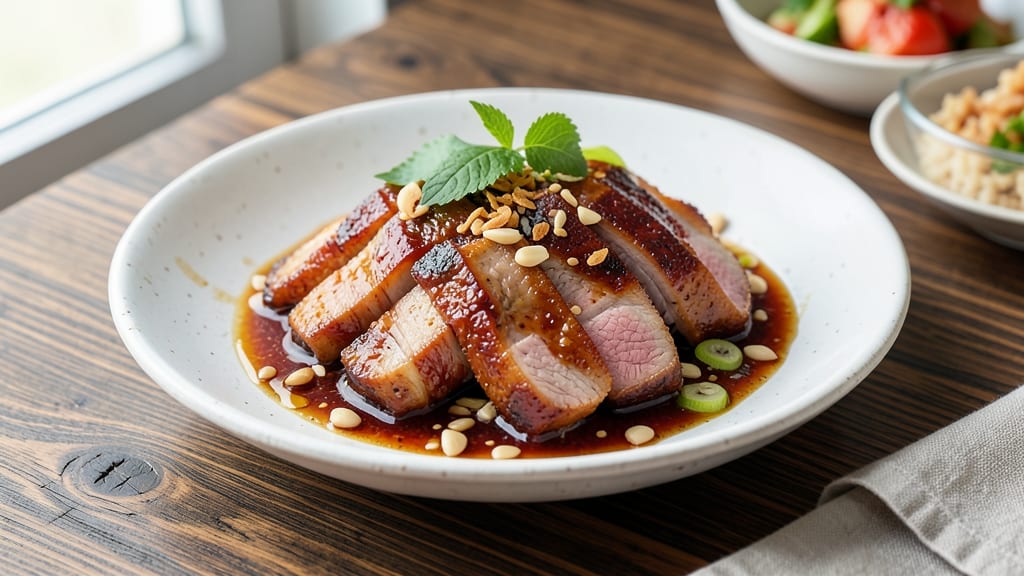
This Asian pork sauce recipe transforms simple stir-fries into restaurant-worthy meals with just a few pantry staples and 20 minutes of simmering. The secret lies in balancing smoky soy, sweet hoisin, and aromatic garlic-ginger for a glossy, versatile sauce that clings perfectly to noodles, meat, or fresh veggies.
What sets this sauce apart is its adaptability—use it as a dipping sauce for spring rolls, a glaze for grilled pork, or a quick stir-fry finish. The key technique is slow reduction, which deepens the flavors and creates that signature sticky-sweet consistency without overpowering the dish.
By the time you're done, you'll have a rich, aromatic sauce with just the right balance of umami, sweetness, and subtle heat. It keeps well in the fridge for up to a week, so you can make a big batch and use it all week—no more takeout containers needed.
The best part? This sauce comes together with five simple ingredients and requires no special equipment. Whether you're cooking for a crowd or prepping meals ahead, this recipe delivers professional-quality results with minimal effort.
Ingredients for asian pork sauce
Nine essential ingredients crafting restaurant-quality Asian pork sauce with smoky depth and sticky perfection.
| Ingredient | Amount | Notes |
|---|---|---|
| Light Soy Sauce 🥢 | ½ cup | Kikkoman preferred for balance |
| Hoisin Sauce 🍶 | ⅓ cup | Thick, sweet-salty balance |
| Rice Vinegar 🍶 | ¼ cup | Seasoned preferred for depth |
| Fresh Ginger 🌿 | 2 tbsp | Finely grated, aromatic |
| Garlic Cloves 🧄 | 4 cloves | Minced for aromatic base |
| Honey 🍯 | 2 tbsp | Wildflower for floral notes |
| Sesame Oil 🫒 | 1 tbsp | Toasted, for nutty finish |
| Red Chili Flakes 🌶️ | 1 tsp | Adjust for heat preference |
| Cornstarch 🌾 | 1 tsp | For thickening consistency |
| Water 💧 | ¼ cup | For thinning if needed |
The foundation begins with Kikkoman soy sauce—its balanced saltiness is non-negotiable for authentic flavor. Hoisin sauce (look for brands like Lee Kum Kee) adds that signature sweet-salty complexity, while seasoned rice vinegar (like Mizkan) introduces subtle tang. Fresh ginger and garlic must be minced finely—no pre-minced jars here, as they lose potency. For honey, wildflower varieties add floral notes that complement the smoky profile. Toasted sesame oil (not the cheap, flavorless kind) is the secret to that nutty finish—Trader Joe's carries an excellent option. The red chili flakes can be adjusted based on heat preference, but a generous pinch adds just the right subtle kick.
No hoisin sauce? Substitute 2 tbsp soy sauce plus 1 tbsp maple syrup for a similar sweet-salty balance. Short on ginger? A dash of ground ginger works in a pinch (use half the amount). The cornstarch is crucial for that signature glossy texture—Bob's Red Mill is a reliable brand. For extra depth, add 1 tsp fish sauce (though omit for vegetarian versions). If the sauce thickens too much, water thins it beautifully—just add a splash at a time. The sesame oil should be toasted in a dry pan for 30 seconds before adding to maximize its aroma.
This sauce keeps up to 1 week in an airtight container in the fridge, with flavors deepening over time. For longer storage, freeze in ice cube trays—perfect for single-use portions. Reheat gently on low heat, stirring constantly to prevent scorching. The sauce thickens as it cools, so add a splash of water if needed before using. Double the batch—it disappears fast, especially when paired with grilled pork, stir-fried noodles, or fresh spring rolls.
Why You'll Love This Recipe
- Pantry Magic: I swear by this sauce because it’s all about what’s already in my cupboard. Light soy and hoisin? Always there. Fresh ginger and garlic? Takes two minutes to peel and chop. No last-minute grocery runs—just open, mix, and cook.
- Umami Bomb: That combo of hoisin and rice vinegar? It’s like a flavor explosion in your mouth. The ginger adds a little kick, and the garlic? Oh, it’s the secret weapon—deep, savory, and impossible to resist.
- Double-Duty Sauce: Make a big batch and use it for stir-fries, noodles, or even as a dipping sauce. Honestly, I’ve drizzled it on rice bowls, tossed it with veggies, and even slathered it on grilled chicken. It’s my go-to for lazy nights and fancy dinners.
- Budget Winner: A jar of hoisin and a bottle of soy sauce stretch forever. This sauce costs pennies to make but tastes like you spent hours in the kitchen. Plus, leftovers? They last for days in the fridge—perfect for when I’m too tired to cook.
Step-by-step instructions for Asian pork sauce
A balance of sweet, salty, and umami—this sauce delivers depth for stir-fries and bowls.
Bloom the Aromatics in Sesame Oil
Heat a small saucepan over medium-low heat and add the 1 tablespoon sesame oil. Swirl gently until fragrant—about 30 seconds. This step unlocks the nutty depth of the oil before adding other ingredients. Add the 4 minced garlic cloves and 2 tablespoons finely grated fresh ginger, stirring constantly for 1 minute until the garlic turns golden and the ginger softens.
Watch the pan carefully—ginger burns quickly. If the aromatics darken too fast, reduce heat to low. The goal is to develop flavor without bitterness. Remove from heat immediately after the garlic turns a pale gold, as it will continue cooking when combined with other ingredients.
Combine Wet Ingredients and Simmer
Return the pan to medium heat and add the 0.5 cup light soy sauce, 0.33 cup hoisin sauce, 0.25 cup rice vinegar, and 2 tablespoons honey. Stir to incorporate, then bring the mixture to a gentle simmer. Let it cook uncovered for 5-7 minutes, stirring occasionally, until the liquid reduces by about one-third and thickens slightly.
You'll notice the sauce darken as it reduces—this is normal and indicates flavor concentration. Taste at this stage: the balance should be sweet from the honey, salty from the soy and hoisin, and tangy from the vinegar. If it tastes too sharp, add another ½ teaspoon honey. If it needs more depth, stir in 1 teaspoon additional light soy sauce.
Thicken and Finish with Chili
In a small bowl, whisk together the 1 teaspoon cornstarch and 0.25 cup water until smooth. Slowly pour this slurry into the simmering sauce while stirring constantly. The sauce will thicken immediately—continue cooking for 1-2 minutes until it reaches a glossy, coatable consistency, similar to a thin glaze.
Remove from heat and stir in the 1 teaspoon red chili flakes. Let the sauce sit for 2 minutes to allow the heat to infuse. The final texture should be smooth with a slight sheen, clinging to the back of a spoon. If the sauce is too thick after cooling, thin with 1 teaspoon water at a time until it reaches your desired consistency.
Rest and Adjust for Perfection
Transfer the sauce to a clean jar or bowl and let it cool to room temperature. This resting period allows flavors to meld and the sauce to thicken further. Taste again after cooling—flavors often deepen as the sauce sits. If needed, adjust seasoning: add more light soy sauce for saltiness, honey for sweetness, or rice vinegar for tang.
The sauce is now ready to use. For best results, store in an airtight container in the refrigerator for up to 1 week. Before using, gently reheat over low heat, stirring frequently, until warmed through. This sauce elevates any dish—drizzle over stir-fried pork, toss with noodles, or use as a dipping sauce for dumplings.
Pro Tips For Making Asian Pork Sauce
- Bloom the Ginger: Toss your fresh ginger into a hot, dry skillet for 30 seconds before grating—it softens the fibers so they release flavor without turning the sauce into mush. I learned this the hard way when my sauce looked like it had been blended with sand.
- Simmer Slow and Low: Reduce the sauce on medium-low heat, not a rolling boil. Hoisin sauce has a tendency to split if you push it too hard, and you’ll end up with a weirdly grainy texture instead of that glossy, velvety finish. Trust me, 15 minutes on low is better than 10 minutes of chaos.
- Toast the Garlic: Sear your garlic cloves in oil until they’re golden and just starting to crisp—about 2 minutes—before mincing. This adds a nutty depth that raw garlic can’t match, and it prevents that sharp, overpowering bite that ruins the balance of soy and vinegar.
- Balance the Vinegar: Add rice vinegar gradually, tasting as you go, because store-bought vinegar varies wildly in acidity. If you dump it all in at once, you’ll either need to compensate with sugar or end up with a sauce that tastes like it was pickled by mistake. Start with half the amount and adjust.
Make-ahead tips for this dish
Batch Prep Strategy
Make a double batch of this sauce—it disappears fast! Combine all ingredients in a large saucepan (I use a 3-quart stainless steel) and reduce by half instead of one-third for extra richness.
This gives you 1.5 cups of sauce, perfect for meal prep. Store in two 1-cup airtight containers—one for fridge, one for freezer. 🧊
Fridge Storage Secrets
Keep your sauce fresh for up to 1 week in the fridge by storing it in a glass jar with a tight-sealing lid. The glass preserves flavor better than plastic.
Label with the date—trust me, you'll forget! For extra insurance, add a thin layer of oil on top before sealing to prevent oxidation. Stir before using to redistribute flavors.
Freezer-Friendly Tips
Freeze sauce in ice cube trays for single-use portions—perfect for quick stir-fries or dipping. Once frozen, transfer cubes to a freezer bag with the date written on it. Thaw overnight in the fridge or microwave for 10 seconds on low power. Never microwave directly from frozen—it ruins the texture. 🍳
Reheating Perfection
Always reheat sauce gently over low heat—high heat burns the cornstarch and makes it grainy. Add 1 tablespoon water per cup of sauce if it thickens too much during reheating.
For microwave reheating, use 30-second intervals on 50% power, stirring between each. The sauce should reach 160°F for safety—use a thermometer if you're unsure.
Flavor Boost Over Time
This sauce actually improves after 2-3 days in the fridge as flavors meld. For extra depth, add 1 teaspoon fish sauce (if using) or 1 crushed garlic clove to the jar before sealing.
The acidity from vinegar and umami from soy work together to create complex layers. Taste before using—you might not need to adjust anything at all! ✨
Meal Prep Pairings
Prep grilled pork tenderloin or chicken thighs while your sauce simmers—they cook at the same temperature. Store components separately in airtight containers and assemble when ready. The sauce clings beautifully to rice noodles or steamed jasmine rice when reheated together. Double the pork portion—it freezes perfectly for future meals. 🍚
Nutrition facts
Frequently asked questions
Can I make this sauce without hoisin?
For a similar sweet-salty balance, substitute 2 tablespoons soy sauce plus 1 tablespoon maple syrup (or honey). If you want extra depth, add ½ teaspoon sesame paste or 1 teaspoon oyster sauce for umami. The texture will be slightly thinner, so you may need to reduce it longer to achieve the same glossy consistency.
How do I adjust the heat level?
The recipe includes 1 teaspoon red chili flakes for subtle heat. For milder sauce, reduce to ½ teaspoon or omit entirely. For extra spice, add ½ teaspoon chili crisp or 1 teaspoon gochujang (Korean chili paste) when stirring in the cornstarch slurry. Always taste as you go—you can't overdo it with heat!
Why did my sauce turn grainy?
Graininess usually means the cornstarch cooked too long or wasn't whisked properly. Always whisk the cornstarch slurry until completely smooth before adding it to the sauce, and remove from heat immediately after thickening. If it happens, stir in 1 teaspoon cold water to dissolve the grains, then reheat gently. For future batches, use arrowroot powder instead—it's more stable at high heat.
What's the best way to use leftover sauce?
This versatile sauce works perfectly for glazing grilled meats, tossing with noodles, or dipping spring rolls. For extra richness, mix 1 tablespoon butter into the warm sauce before using. It also makes an amazing marinade—coat pork chops and marinate for 30 minutes before cooking. Store leftovers in the fridge for up to 1 week or freeze in ice cube trays for single servings.
Can I make this sauce in an Instant Pot?
Yes! Sauté the garlic and ginger in 1 tablespoon sesame oil on the sauté function, then add all wet ingredients. Cook on high pressure for 3 minutes, then quick-release. Finish with cornstarch slurry and chili flakes as directed. The Instant Pot version reduces faster, so you may need to add 1 extra tablespoon water to achieve the same consistency.