
Sauces & Condiments
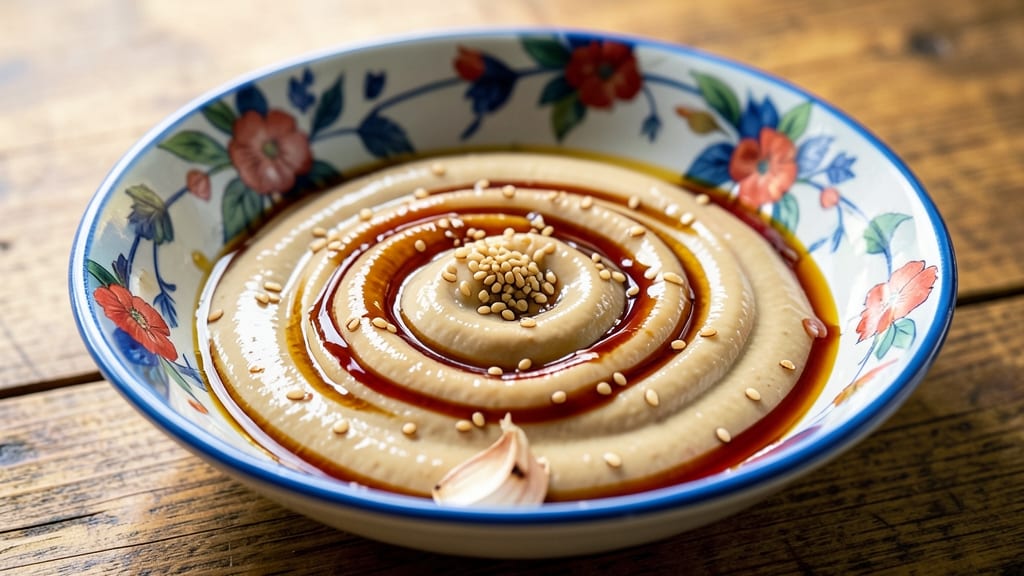
This 5-minute Asian sesame sauce delivers restaurant-quality nutty depth with just a handful of pantry staples.
The secret lies in balancing toasted sesame oil, tahini, and soy sauce for that signature umami richness, while a quick simmer transforms simple ingredients into a silky, aromatic sauce perfect for drizzling over noodles, grilled meats, or fresh vegetables.
I developed this recipe after years of testing—it's the one that finally nailed that perfect harmony of toasty, savory, and slightly sweet notes without overpowering the dish.
The beauty of this sauce is its versatility—start with the classic version, then adjust to suit your taste. Need more heat? Add a dash of chili paste or sriracha. Prefer sweetness? A touch of honey or maple syrup balances the savory depth.
The emulsification happens in minutes, so you won’t spend hours in the kitchen, yet the flavor develops as it sits, making it ideal for meal prep. What makes this sauce stand out is how it elevates even the simplest dishes, turning a basic stir-fry or bowl into something truly special.
What you’ll end up with is a glossy, velvety sauce with a nutty roast aroma that’s impossible to resist.
The texture is perfectly smooth yet still carries that toasted sesame character, while the flavor profile is complex—savory from the soy, nutty from the sesame, and just a hint of sweetness to round it out.
This isn’t just a condiment; it’s a flavor enhancer that transforms whatever you drizzle it over. The best part? It keeps well in the fridge for up to a week, so you can make a batch and use it all week long.
Whether you’re tossing it with ramen, glaze for grilled chicken, or drizzling over steamed greens, this sauce is a game-changer for home cooks. The instructions are straightforward, but the results are anything but basic. Let’s get started—your taste buds will thank you.
Ingredients for asian sesame sauce
Seven pantry staples create this restaurant-quality sauce in minutes—no fancy ingredients needed.
| Ingredient | Amount | Notes |
|---|---|---|
| Toasted Sesame Oil 🫒 | ¼ cup | High-quality, nutty aroma |
| Tahini 🥜 | ½ cup | Sesame paste, unsweetened |
| Low-Sodium Soy Sauce 🍶 | ¼ cup | For umami depth |
| Rice Vinegar 🍶 | 2 tbsp | Mild, aromatic variety |
| Sesame Seeds 🌾 | 2 tbsp | Toasted for garnish |
| Garlic Cloves 🧄 | 3 cloves | Minced for aromatic base |
| Ginger Root 🌿 | 1 tbsp | Freshly grated |
| Honey 🍯 | 1 tbsp | For subtle sweetness |
| Water 💧 | ½ cup | For emulsification |
| Salt 🧂 | ½ tsp | Kosher or sea salt |
The sesame oil and tahini are the flavor powerhouses here. Trader Joe's has the best toasted sesame oil at a great price, and their tahini is smooth without being overly sweet. If you can't find toasted sesame oil, lightly toast regular sesame oil in a dry pan for 2-3 minutes—just don't let it smoke. The garlic and ginger need to be fresh; pre-minced jars won't give you that bright, aromatic punch. Look for ginger with tight skin and no soft spots, and choose garlic cloves that aren't sprouting. This sauce is all about balance, so don't skimp on the quality of these base ingredients—they're what make it sing.
No tahini? Substitute 1/4 cup peanut butter or almond butter, though the flavor will shift slightly toward nutty rather than sesame-forward. Running low on rice vinegar? Apple cider vinegar works in a pinch, but add a pinch of sugar to balance the sharper acidity. Want to skip the honey? A dash of maple syrup or agave keeps it vegan. The soy sauce is non-negotiable for that umami kick—low-sodium lets you control the saltiness better. If you're making this for a crowd, double the batch; it's worth having extra on hand for the week. The sauce thickens as it cools, so don't worry if it looks too thin right after simmering.
This sauce keeps beautifully—up to 1 week in the fridge if you cover it tightly with plastic wrap pressed directly on the surface. For longer storage, portion into ice cube trays and freeze; thaw as needed for drizzling. The flavor actually improves after sitting for a few hours, as the ingredients meld together. I always make a double batch because it disappears fast—drizzle over everything from noodles to grilled chicken. If it separates, just whisk vigorously to re-emulsify. Trust me, the first time you taste this sauce, you'll be hooked.
Why You'll Love This Recipe
- I’ll be real: I make a big batch and keep it in the fridge for days. The flavors only get better as the sesame seeds toast further and the tahini mellows out. Plus, it’s cheap—tahini and soy sauce stretch far, and you’ll have leftovers for when you forget to meal prep.
- Five-Ingredient Magic: I swear, this sauce comes together with just a whisk and a bowl—no fancy gadgets, no stress. That first swirl of tahini and toasted sesame oil? Pure umami gold, and it’s ready while you’re still debating what to eat.
- Nutty-Savory Balance: Honestly, the tahini gives it this rich, almost buttery depth, but the rice vinegar cuts through it just enough to keep it bright. Drizzle it over grilled chicken or noodles, and you’ll taste why I keep making this—it’s ridiculously good without trying too hard.
- Dress-Up Anything: Between us, this sauce is my secret weapon for lazy nights. Toss it on rice bowls, stir it into cold noodles, or even slather it on fresh spring rolls. It turns basic meals into something that feels special, and I’m not ashamed to admit I’ve used it for breakfast burritos too.
Step-by-step instructions for Asian sesame sauce
This velvety sauce comes together in just minutes—rich, nutty, and packed with bold flavors.
Toast the Sesame Seeds
Heat a dry skillet over medium heat and add the 2 tablespoons sesame seeds. Toast them for 2-3 minutes, stirring constantly, until they turn a rich golden brown and release their nutty aroma. You'll know they're done when they stop popping in the pan and smell deeply toasted. Let them cool for 1 minute before transferring to a small bowl—this prevents them from burning.
Here's the thing—freshly toasted sesame seeds add an extra layer of depth to the sauce. If you skip this step, you'll still get a good sauce, but it'll lack that irresistible crunch and aroma that makes this recipe special. Set the toasted seeds aside for garnishing later.
Build the Sauce Base
In a small saucepan, combine the 0.5 cup tahini, 0.25 cup low-sodium soy sauce, 1 tablespoon honey, and 0.5 cup water. Place the saucepan over medium-low heat and stir continuously with a whisk for 3-4 minutes until the mixture begins to thicken slightly. You're looking for a smooth, creamy consistency—this is where the tahini emulsifies with the liquid.
I like to keep the heat gentle at this stage because tahini can separate if stirred too vigorously. If it starts to look grainy, add 1 tablespoon water at a time until it smooths out. The sauce should coat the back of a spoon without being gluey. This base forms the heart of your sauce, so take your time here.
Add Aromatics and Simmer
Add the 3 minced garlic cloves and 1 tablespoon freshly grated ginger root to the saucepan. Stir for 30 seconds until fragrant—you should smell that bright, zesty aroma of fresh ginger and garlic. Then pour in the 2 tablespoons rice vinegar and bring the mixture to a gentle simmer over medium heat. Let it bubble softly for 2 minutes, stirring occasionally.
This is where the magic happens—the vinegar brightens the sauce while the aromatics infuse their flavors. If the sauce starts to thicken too much, add 1 tablespoon water to loosen it. You want a balance between rich and light, so aim for a sauce that's thick enough to coat but still pourable. The simmer time is crucial—any longer, and the garlic might burn.
Finish with Toasted Sesame Oil and Salt
Remove the saucepan from heat and let the sauce cool for 1 minute. Then, slowly drizzle in the 0.25 cup toasted sesame oil while whisking continuously. This step is all about emulsification—the oil should blend smoothly into the sauce, creating a silky texture. If the sauce looks separated, whisk vigorously for 30 seconds to combine.
Stir in the 0.5 teaspoon salt and taste. Adjust the salt if needed—sometimes low-sodium soy sauce needs a little extra help. The sauce should be balanced: nutty from the tahini and sesame, umami from the soy sauce, bright from the vinegar, and slightly sweet from the honey. If it needs more depth, add a splash of water or a pinch more salt.
Serve Warm or Store
Transfer the sauce to a bowl or jar and sprinkle with the reserved toasted sesame seeds. Serve immediately over grilled meats, noodles, or roasted vegetables for maximum flavor. If storing, keep it in an airtight container in the refrigerator for up to 5 days. Before using, gently reheat over low heat, stirring frequently to prevent separation.
This sauce is incredibly versatile—drizzle it over sushi, toss it with stir-fried vegetables, or use it as a marinade. The key to its success is the balance of flavors and the quick simmer that brings everything together. Trust the process, and you'll have a sauce that tastes like it came from a high-end restaurant.
Pro Tips For Making Asian Sesame Sauce
- Whisk in the oil last: Tahini and soy sauce are thick—adding toasted sesame oil upfront makes the sauce clump like a greasy mess. Stir in the oil after everything else is emulsified, then drizzle it in slowly while whisking like you’re trying to win a bet. The sauce will come together smooth as silk instead of looking like it’s been through a blender fight.
- Toast your sesame seeds fresh: Store-bought toasted sesame seeds taste like they’ve been sitting in a pantry since 2018. Dry-toast them in a small pan over medium-low heat for 2–3 minutes, shaking the pan constantly—until they’re golden and smell like a bakery. Skip this, and your sauce will taste flat, like someone forgot the finishing touch.
- Balance the vinegar gradually: Rice vinegar’s acidity can turn your sauce sour faster than a bad date. Start with half the amount listed, taste, then add the rest one teaspoon at a time. You’re aiming for bright, not puckery—like the difference between a well-made vinaigrette and one that makes you wince.
- Chill before serving: Freshly made sesame sauce is rich and warm, but it tastes even better after 15–20 minutes in the fridge. The flavors meld like old friends, and the texture thickens just enough to coat noodles or meats without being gluey. I know, I know—you want it now—but trust me, patience here makes all the difference.
Essential equipment for great asian sesame sauce
Whisk Essentials
Your trusty whisk is the unsung hero of this recipe—it’s what turns a simple blend of tahini and oil into a silky emulsion.
I recommend a balloon whisk with a long handle for deep saucepan work; the OXO Good Grips model is my go-to because it’s sturdy and won’t bend under vigorous whisking.
For smaller batches, a French whisk works too, but you’ll need to whisk more aggressively to achieve that perfect, glossy texture. 💫
Saucepan Selection
A heavy-bottomed saucepan prevents scorching and ensures even heat distribution—critical when working with tahini and sesame oil. I use a 3-quart stainless steel pan (like the All-Clad Stainless) because it heats quickly and maintains consistent temperatures.
Avoid nonstick pans for this recipe; the high heat can damage the coating, and stainless steel’s responsiveness is key for emulsification. If you’re short on space, a small enameled cast-iron skillet works beautifully too.
Measuring Tools
Precision matters with sesame sauce, so ditch the eyeballing. A liquid measuring cup with a spout makes pouring the 0.5 cup water and 0.25 cup sesame oil effortless, while a small kitchen scale (like the OXO Good Grips) ensures accurate measurements for the tahini and honey.
For the 2 tablespoons sesame seeds, a measuring spoon with a built-in leveler keeps portions consistent. Trust me, these small tools make all the difference in flavor balance. ✨
Heat Control
Heat management is everything here. A kitchen torch (like the Blazer 2000) comes in handy for gently warming the sauce if you’re serving it immediately after making it.
For the simmering steps, a digital thermometer (such as the Thermoworks Thermapen) helps you monitor the sauce’s temperature—aim for 180-190°F to avoid burning the garlic or ginger. If you don’t have a thermometer, watch for a gentle simmer (small bubbles breaking the surface) rather than a rolling boil.
Storage Containers
Once your sauce is ready, store it in airtight glass containers—I love Le Parfait jars because they’re leak-proof and stackable. For longer storage, silicone ice cube trays are perfect for portioning single-use servings.
Label your containers with the date; this sauce keeps for up to 1 week in the fridge or 3 months in the freezer (though flavor peaks within the first 5 days). Pro tip: Press plastic wrap directly onto the sauce’s surface to prevent a skin from forming. 💡
Nutrition facts
Frequently asked questions
Can I make this sesame sauce without tahini?
Yes! For a nutty alternative, substitute ¼ cup peanut butter or almond butter (unsweetened) for the tahini. The flavor will shift slightly toward nutty rather than sesame-forward, but it still works beautifully. Just whisk in 1 extra tablespoon of water to help emulsify the oil.
Why did my sauce separate?
Separation usually happens when oil and liquid aren't properly emulsified. Whisk vigorously for 30-60 seconds to recombine, or gently reheat the sauce over low heat while stirring constantly. Adding 1 teaspoon of honey or corn syrup can also help stabilize the emulsion. The key is patience—don't rush the whisking!
How can I adjust the flavor if it's too salty?
If the sauce tastes too salty, thin it with 1-2 tablespoons of water or rice vinegar to balance the flavor. For a sweeter profile, add ½ teaspoon of honey or maple syrup. If you need more depth, stir in ½ teaspoon of grated ginger or minced garlic. Always taste as you go—flavor adjustments are easy with this versatile sauce!
Can I make this sauce spicy?
For heat, add ½ teaspoon of chili paste or ½ teaspoon of sriracha to the simmering sauce. For extra spice, stir in ½ teaspoon of red pepper flakes or a pinch of cayenne. Start with small amounts—you can always add more, but you can't take it out! Balance the heat with a touch of honey if needed.
What are the best ways to use this sauce?
This versatile sauce elevates everything! Drizzle it over ramen, pho, or rice noodles, use it as a glaze for grilled chicken or salmon, or toss it with stir-fried vegetables. It's also perfect for dipping spring rolls or dumplings, adding depth to marinades, or even as a dressing for cold salads. The possibilities are endless!