
Sauces & Condiments
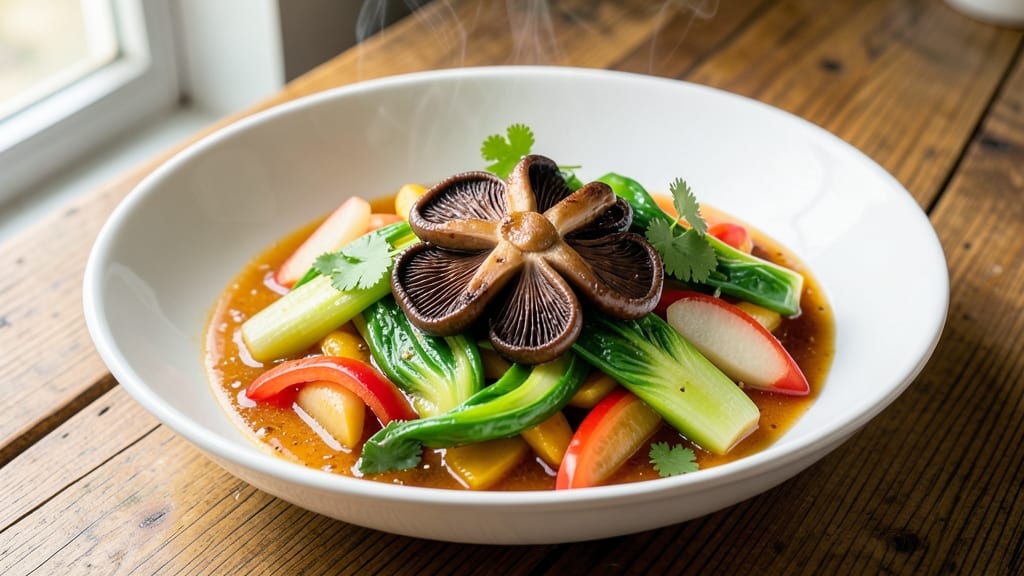
This Asian vegetable stir-fry sauce recipe delivers the perfect balance of umami, sweetness, and tang that transforms simple vegetables into a restaurant-quality dish. The secret lies in combining fresh ginger, garlic, and soy sauce with a touch of sesame oil and honey, creating a sauce that's bold yet versatile.
I developed this recipe after years of experimenting with stir-fry flavors, and it never fails to elevate even the most basic vegetables.
The sauce comes together in just 10 minutes with simple pantry staples—no specialty ingredients required. The key is simmering the sauce until it thickens slightly, allowing the flavors to meld into a cohesive, aromatic blend.
This vegetarian-friendly version works beautifully with tofu, bok choy, bell peppers, or snap peas, making it perfect for quick weeknight meals or meal prep.
What sets this sauce apart is its versatility—use it as a stir-fry sauce, dipping sauce for spring rolls, or even a glaze for grilled vegetables. The umami depth from soy sauce and ginger pairs perfectly with the natural sweetness of honey, while sesame oil adds a nutty finish.
Once made, it keeps in the refrigerator for up to 5 days or freezes for 3 months, so you can always have a flavorful sauce on hand.
Serve this sauce with your favorite Asian-inspired dishes, and you’ll taste the difference in every bite. The balance of flavors is what makes it stand out—sweet, savory, and slightly tangy, with just the right amount of heat. Let’s get cooking!
Ingredients for asian vegetable stir fry sauce
Nine simple ingredients blend into the perfect umami-sweet stir-fry sauce.
| Ingredient | Amount | Notes |
|---|---|---|
| Fresh Ginger Root 🌿 | 2 tbsp | Finely grated, aromatic |
| Garlic Cloves 🧄 | 4 cloves | Minced, fresh preferred |
| Low-Sodium Soy Sauce 🍶 | ½ cup | Kikkoman or San-J recommended |
| Rice Vinegar 🍶 | ¼ cup | Seasoned or unseasoned |
| Honey 🍯 | 2 tbsp | Wildflower preferred |
| Sesame Oil 🫒 | 1 tbsp | Toasted sesame oil |
| Cornstarch 🌾 | 1 tsp | For thickening |
| Red Chili Flakes 🌶️ | ½ tsp | Adjust for heat |
| Sesame Seeds 🥜 | 1 tsp | Toasted, for garnish |
| Vegetable Oil 🫒 | 1 tbsp | For simmering |
Ginger and garlic are the flavor anchors here—freshly grated ginger delivers that zingy kick while minced garlic adds depth. I always grab organic ginger from the produce section at Whole Foods or Trader Joe's—it's brighter and more aromatic. For garlic, peel and mince those cloves right before using—pre-minced loses its punch fast. The soy sauce should be low-sodium to control saltiness; Kikkoman or San-J are my go-tos, but any good-quality brand works. Rice vinegar adds that signature tang—seasoned or unseasoned both work, but seasoned saves a pinch of sugar.
No honey? Maple syrup or agave work in a pinch, though honey's floral notes are ideal. Sesame oil is non-negotiable—toasted sesame oil adds nutty depth, while regular sesame oil won't cut it. Running low on cornstarch? Arrowroot powder thins just as well. Chili flakes can be swapped for Sriracha at half the amount if you prefer smoother heat. The vegetable oil is just for simmering—any neutral oil (canola, avocado) works, but don't skip it. Pro tip: Toast the sesame seeds in a dry pan for 30 seconds before adding—they'll taste 10x better.
This sauce thickens as it cools, so stir it back together before using. Keeps in an airtight jar in the fridge for 5 days—I double the batch and freeze half in ice cube trays for quick stir-fries. The sesame oil separates if stored too long, so give it a quick shake before using. Garnish with toasted sesame seeds right before serving—that crunch makes all the difference.
Why You'll Love This Recipe
- Pantry Magic: I swear by this sauce because it lives in my fridge, ready to transform whatever veggies I have. No fancy shopping lists—just soy, vinegar, and that jar of ginger I bought on sale last month. Honestly, I’ve used it on stir-fries, noodles, even grilled chicken, and it never lets me down.
- Umami Explosion: That honey-soy-ginger combo? It’s the kind of balance you’ll taste and immediately crave again. The garlic sizzles, the ginger zings, and the vinegar cuts through—like a tiny flavor party in your mouth. I’ll be real: my husband still asks for seconds just to “taste the sauce.”
- Weeknight Superhero: Between us, this is my go-to when I’m too tired to think. Toss in bell peppers, snap peas, and whatever else is lurking in the crisper—no measuring cups, no stress. Even my picky teenage son will clear his plate. (Yes, even on a Tuesday night.)
- Budget-Friendly Staple: A single batch stretches across three meals for me—stir-fry one night, rice bowl the next, and even a quick soup when I’m lazy. The ingredients cost pennies, and the flavor? Ridiculously good. I’ve made it for potlucks, date nights, and solo dinners—no excuses, just results.
Step-by-step instructions for Asian vegetable stir fry sauce
This sauce delivers restaurant-quality depth with simple pantry staples and precise technique.
Bloom the Aromatics in Vegetable Oil
Heat the 1 tablespoon vegetable oil in a small saucepan over medium-low heat. Add the 2 tablespoons fresh ginger root and 4 cloves garlic cloves, stirring constantly for 2-3 minutes until the ginger becomes fragrant and the garlic turns golden—this releases their full flavor potential without burning. The oil should shimmer but not smoke, creating the perfect foundation for your sauce.
Here's the thing—ginger and garlic are delicate at high heat. If you see the garlic turning dark brown too quickly, reduce the heat immediately. You want that sweet, nutty aroma, not bitter char. Once properly bloomed, you'll notice the mixture smells like a bustling Asian street market—this is your cue to move forward.
Combine Wet Ingredients for Umami-Sweet Balance
Pour in the 0.5 cup low-sodium soy sauce and 0.25 cup rice vinegar, stirring vigorously to incorporate. Add the 2 tablespoons honey and 1 tablespoon sesame oil, mixing until completely dissolved. The sauce should look glossy and well-emulsified, with the honey dissolving smoothly into the liquid.
This is where the magic happens—the soy sauce provides that essential umami backbone, while the rice vinegar adds bright acidity to cut through the richness. The honey isn't just for sweetness; it helps balance the saltiness and creates that signature glossy finish. Taste at this stage—you should detect all four primary flavors working together, though it might need thickening.
Thicken the Sauce with Cornstarch Slurry
In a small bowl, whisk together the 1 teaspoon cornstarch with 1 tablespoon cold water until completely dissolved. Pour this slurry into the simmering sauce while stirring constantly. Increase heat to medium and bring to a gentle boil for 1-2 minutes, stirring continuously until the sauce thickens to a glossy, coatable consistency that clings to the back of a spoon.
Real talk: This is the moment that matters. If you don't stir constantly, you'll get lumps. If you boil too vigorously, the sauce will separate. You're looking for that perfect balance where it's thick enough to cling but still flows smoothly. The sauce should coat the back of a spoon and leave a slight sheen—this is your target texture for perfect stir-fry sauce.
Finish with Heat and Garnish
Remove the sauce from heat and stir in the 0.5 teaspoon red chili flakes and 1 teaspoon sesame seeds. The chili flakes add subtle heat that wakes up the palate, while the toasted sesame seeds contribute nutty depth and visual contrast. Let the sauce sit for 5 minutes before using—this allows all the flavors to meld completely.
For best results, use this sauce immediately over your stir-fried vegetables. The heat from the pan will reactivate the aromatics, creating that signature wok hei flavor. If storing, keep it refrigerated for up to 5 days in an airtight container. When reheating, warm gently over low heat and add a splash of water if it thickens too much—this sauce should always be glossy and vibrant.
Pro Tips For Making Asian Vegetable Stir Fry Sauce
- Mince Ginger Like a Pro: Use a sharp knife and chop the ginger into tiny, even pieces—think rice grains, not thin slices. I learned this the hard way: uneven ginger burns before it releases flavor. (Yes, even if you’re impatient like me.)
- Toast Garlic First: Heat your pan with a little oil, toss in the minced garlic, and cook for 30 seconds until fragrant but not brown. This stops it from turning bitter later—trust me, your sauce will taste brighter.
- Balance Vinegar Gradually: Start with half the rice vinegar, taste, then add the rest. Too much upfront and your sauce turns sharp; too little and it’s flat. (Your future self will thank you for testing as you go.)
- Simmer Sauce Low and Slow: Once all ingredients are combined, reduce heat to a gentle simmer and let it cook for 5 minutes. This lets flavors meld without burning the honey or making the soy sauce taste harsh. (No, you can’t rush this.)
Best sauces and condiments for asian vegetable stir fry sauce
Classic Stir-Fry Sauce
This is my go-to sauce for any vegetable stir-fry, especially with bok choy and bell peppers. The balance of soy sauce and rice vinegar creates that perfect tangy-umami flavor you crave.
I always double the batch because it disappears fast—especially when paired with crispy tofu or snap peas. The honey adds just enough sweetness to round out the flavors without overpowering. 🌿
Spicy Peanut Sauce Twist
For a richer, nuttier profile, swap the sesame oil for 2 tablespoons peanut butter (creamy, not crunchy) and add 1 teaspoon sriracha instead of chili flakes. This version works amazingly with shredded cabbage or carrots.
The peanut butter adds a creamy texture that clings beautifully to vegetables, while the sriracha brings a smooth, spicy kick. I like to toast 1 teaspoon crushed peanuts for garnish—it adds crunch and visual appeal.
Sweet Chili Glaze
If you love sweet and spicy, replace the honey with 2 tablespoons sweet chili sauce (like Cholula) and add 1 teaspoon gochujang for depth. This glaze is perfect for grilled vegetables or as a dipping sauce for spring rolls.
The gochujang adds a fermented richness that pairs beautifully with the tangy rice vinegar. For extra heat, add a dash of cayenne pepper—just ¼ teaspoon makes a difference. 🌶️
Sesame-Ginger Drizzle
For a lighter, more aromatic sauce, reduce the soy sauce to ¼ cup and add 1 tablespoon grated fresh ginger and 1 teaspoon grated lemon zest. This version is ideal for drizzling over steamed greens or as a marinade for tofu.
The lemon zest brightens the flavors, while the extra ginger adds a zesty punch. I like to finish with a sprinkle of toasted sesame seeds and thinly sliced scallions for freshness and texture.
Miso-Butter Sauce
For a creamy, umami-packed sauce, replace the soy sauce with ¼ cup white miso paste and add 1 tablespoon butter at the end. This sauce is a game-changer with roasted Brussels sprouts or broccoli. The miso adds a deep, savory note that balances the acidity of the rice vinegar.
For extra richness, stir in 1 teaspoon mirin while the sauce simmers. This version is decadent but still light enough for a quick weeknight meal.
Storage and Reheating Tips
Store your sauce in an airtight container in the fridge for up to 5 days. If it thickens too much, stir in 1 teaspoon warm water to restore its glossy consistency. For long-term storage, freeze in ice cube trays—just thaw and stir before using.
When reheating, warm over low heat and avoid boiling, or the sauce may separate. I always keep a batch in the freezer for those lazy nights when I need a quick stir-fry fix. ✨
Nutrition facts
Frequently asked questions
Can I make this sauce without honey?
Replace the 2 tablespoons honey with 2 tablespoons maple syrup or agave nectar for a similar sweetness. For a savory twist, try 1 tablespoon coconut aminos instead—it adds depth without sweetness. The sauce will still balance well with the soy and vinegar.
How do I adjust the spice level?
Start with the 0.5 teaspoon red chili flakes as written, then adjust to taste. For more heat, add ¼ teaspoon cayenne pepper or ½ teaspoon sriracha. If you prefer mild heat, reduce the chili flakes to ¼ teaspoon or omit entirely. Always taste before serving!
Can I use this sauce with meat or fish?
Yes, but with adjustments! For meat, add 1 teaspoon oyster sauce or 1 tablespoon fish sauce to deepen the umami. For fish, swap the soy sauce for ½ cup coconut aminos and add 1 teaspoon lime juice to complement the flavors. The base recipe works as a great starting point.
Why did my sauce separate?
Sauce separation usually happens from too much heat or rapid temperature changes. To fix it, gently warm the sauce over low heat while whisking continuously. If it's still oily, stir in 1 teaspoon cornstarch mixed with 1 tablespoon water to re-emulsify. For prevention, always reheat slowly and avoid boiling.
What vegetables pair best with this sauce?
This sauce shines with bok choy, bell peppers, snap peas, and broccoli. For heartier dishes, try shredded cabbage or mushrooms. The umami-sweet balance works especially well with tofu or tempeh—just marinate them first for extra flavor.