
Sauces & Condiments
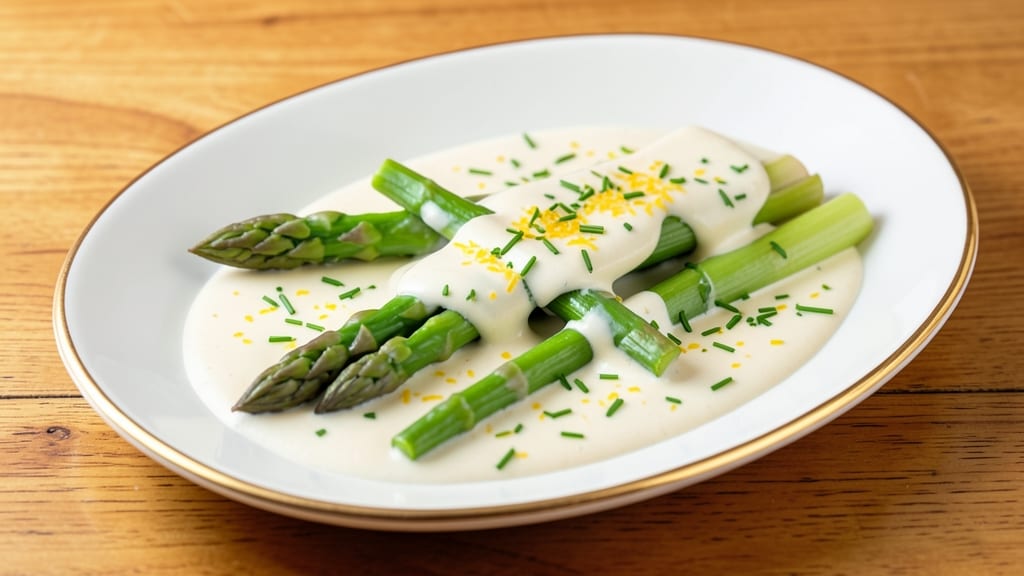
This asparagus white sauce recipe transforms simple ingredients into a luxurious, velvety cream that elevates any dish. The secret lies in blending tender asparagus purée with classic béchamel, creating a sauce that's both elegant and approachable.
Unlike traditional white sauces, this version gains subtle earthiness and freshness from the asparagus, making it perfect for spring menus or special occasions.
The process is straightforward: cook a simple roux, gradually whisk in warm milk, then fold in asparagus purée for that signature green hue and delicate flavor. A touch of lemon zest brightens the sauce, balancing its richness while herbs like chives or tarragon add aromatic depth.
What makes this sauce truly special is how it transforms ordinary meals—think creamy pasta, roasted fish, or even grilled vegetables—into restaurant-worthy dishes.
What you'll achieve is a sauce with silky texture and perfect balance—creamy yet not overly heavy, with just enough asparagus character to stand out. The sauce thickens beautifully when reheated, making it ideal for meal prep or last-minute dinner solutions.
Its versatility means you can adapt it to various dietary preferences by adjusting the milk or adding nutritional yeast for a vegan option.
Pair this sauce with al dente pasta, flaky white fish like cod or halibut, or even as a dip for roasted asparagus spears. The possibilities are endless, but the technique remains simple—just a few pantry staples and 20 minutes of focused cooking.
Let's create this velvety herb cream that will become your new go-to sauce.
Ingredients for asparagus white sauce
Ten ingredients transform into a velvety asparagus-infused white sauce with restaurant-quality elegance.
| Ingredient | Amount | Notes |
|---|---|---|
| Fresh Asparagus Spears 🌱 | 1 lb | Trimmed, tough ends removed |
| Unsalted Butter 🧈 | ½ cup | Cold, cubed for roux |
| All-Purpose Flour 🌾 | ½ cup | Diamond Crystal preferred |
| Whole Milk 🥛 | 2 cups | Warm, not boiling |
| Fresh Lemon Zest 🍋 | 1 tbsp | Fine, from organic lemon |
| Fresh Chives 🌿 | ¼ cup | Finely chopped, for garnish |
| Fresh Tarragon 🌿 | ¼ cup | Chopped, or substitute thyme |
| Sea Salt 🧂 | ½ tsp | Diamond Crystal preferred |
| White Pepper 🌶️ | ¼ tsp | Freshly ground for elegance |
| Nutritional Yeast 🧀 | 2 tbsp | Optional, for umami depth |
The asparagus serves as both the star and the secret weapon in this sauce, providing that signature green hue and delicate earthiness. Choose bright, firm spears—avoid woody or overly thick stalks. Whole Foods Market and local farmers markets typically carry the freshest asparagus during spring. For the roux, cold butter and flour create a smoother texture; don't rush this step. The milk should be warmed to just below simmering to prevent lumps, and whole milk yields the richest results. Nutritional yeast, though optional, adds a cheesy depth that elevates the sauce for vegan adaptations.
No fresh tarragon? Dried thyme at half the amount works in a pinch, though fresh herbs deliver superior flavor. Running short on asparagus? Spinach or zucchini purée can substitute, though the color and flavor will differ slightly. For a dairy-free version, unsweetened almond milk maintains creaminess, though texture may be slightly lighter. The lemon zest can be pre-zested and stored in the freezer for up to 2 weeks—just measure it out before adding. Chives add a bright finish, but parsley works equally well if you prefer a milder herb.
This sauce reheats beautifully—simply warm over medium-low heat, stirring occasionally, until smooth. Store in an airtight container in the fridge for up to 5 days, or freeze for 3 months in portion-sized containers. For meal prep, consider making a double batch—it pairs perfectly with roasted chicken or grilled salmon. The sauce thickens upon reheating, so a splash of warm milk may be needed to restore its original consistency.
Why You'll Love This Recipe
- Same recipe, different vibes: toss it with pasta for a lazy Tuesday or drizzle it over grilled fish for a fancier night. No judgment, no extra work.
- No-Fuss Ingredients: I swear, you’ll never overcomplicate it again—just butter, flour, milk, and a handful of asparagus. That’s it. Even if your pantry’s bare, you’re covered.
- Velvet Lemon Cream: The lemon zest brightens every bite, cutting through the richness like a fresh breeze. It’s the kind of flavor that makes you pause mid-bite—wait, is it that good?
- Weeknight to Dinner Party: Same recipe, different vibes: toss it with pasta for a lazy Tuesday or drizzle it over grilled fish for a fancier night. No judgment, no extra work.
Step-by-step instructions for asparagus white sauce
Master this velvety herb sauce with perfectly al dente asparagus—simple technique, restaurant-quality results.
Blanch the Asparagus for Perfect Texture
Fill a medium saucepan with 2 inches of water and bring to a rolling boil. While waiting, trim the 1 lb fresh asparagus spears by snapping off the tough ends (they should break naturally at the woody base). Add the asparagus to the boiling water and cook for 2-3 minutes until bright green but still crisp-tender—they should resist a firm bite but not be rubbery.
Use tongs to transfer the asparagus to an ice bath (bowl of ice water) to stop the cooking process immediately. Drain and pat dry with paper towels. The asparagus should maintain its vibrant color and firm texture—this is crucial for the final presentation. If you overcook them now, they'll turn mushy in the sauce later.
Create the Classic Roux Foundation
In a heavy-bottomed saucepan, melt the ½ cup unsalted butter over medium heat until foaming subsides. Add the ½ cup all-purpose flour all at once and whisk vigorously for 1-2 minutes until the mixture forms a smooth, thick paste with a nutty aroma—this is your roux. The color should be a pale golden brown, not white.
Cook the roux for another 2-3 minutes until it reaches a light blonde color and smells toasty. This step is critical—undercooked roux will make your sauce taste raw, while overcooked roux will add bitterness. Remove the pan from heat immediately after reaching the perfect color to prevent burning.
Build the Velvety White Sauce
Slowly pour in the 2 cups warm whole milk (warmed to 100°F) while whisking continuously to prevent lumps. Return the pan to medium-low heat and continue whisking for 5-7 minutes until the sauce thickens enough to coat the back of a spoon. You're aiming for a consistency that's smooth and creamy, similar to heavy cream.
Stir in the ½ tsp sea salt, ¼ tsp white pepper, and 2 tbsp nutritional yeast (if using). The nutritional yeast adds a subtle umami depth that complements the herbs beautifully. Taste and adjust seasoning—this sauce should be slightly salty with a clean, herby finish. Keep the sauce warm over low heat while you prepare the remaining components.
Incorporate Herbs and Finishing Touches
Add the 1 tbsp fresh lemon zest and stir for 30 seconds to infuse the bright citrus flavor. Then fold in the ¼ cup chopped fresh tarragon and ¼ cup chopped fresh chives gently with a rubber spatula—overmixing will bruise the herbs and make the sauce look uneven. The herbs should be evenly distributed but still visible as delicate flecks.
Return the sauce to a gentle simmer and stir in the blanched asparagus. Cook for an additional 1-2 minutes just to warm through—don't overcook or the asparagus will turn limp. The final sauce should be silky smooth with visible herb accents and al dente asparagus spears throughout. If the sauce thickens too much, whisk in 1-2 tablespoons of the reserved pasta water or milk to reach your desired consistency.
Serve Immediately for Optimal Texture
Transfer the asparagus white sauce to a warmed serving bowl or directly onto plates. Garnish with an additional sprinkle of chopped fresh chives and a pinch of freshly cracked black pepper for visual appeal. Serve immediately while the sauce is at its peak velvety texture and the asparagus maintains its crisp-tender bite.
This sauce pairs beautifully with grilled fish, roasted chicken, or as a luxurious side to steak. The balance of herbs, citrus, and umami creates a complex flavor profile that elevates simple ingredients to gourmet status. The key to success lies in the precise timing of the asparagus blanching and the careful construction of the roux—both ensure a sauce that's rich, flavorful, and perfectly textured.
Pro Tips For Making Asparagus White Sauce
- Trim the Tough Ends: Snap those asparagus stalks cleanly at the base—don’t waste time peeling or cutting the fibrous bottoms. A quick twist and snap (yes, like snapping your fingers) guarantees tender spears without bitterness, and you’ll save 5 minutes of prep.
- Melt Butter Slowly: Heat your butter over medium-low, not medium-high—this prevents burning the flour before it browns. I learned this the hard way when my sauce turned gray instead of creamy. Let it bubble gently, then whisk in the flour immediately to avoid lumps.
- Temper the Milk: Warm your milk to room temperature first (or even slightly heated) before adding it to the butter-flour roux. Cold milk makes the sauce split like a stubborn child refusing to cooperate. A splash of warm milk keeps everything smooth and velvety.
- Zest Last, Zest Right: Add lemon zest after the sauce thickens and just before serving—it fades fast when cooked too long. If you zest early, your sauce will taste flat, like someone forgot the seasoning. A quick grating over the top keeps that bright, citrusy punch.
Wine and beer pairings for this recipe
White Wine Pairings
A crisp Chardonnay from Burgundy or California is my go-to choice for this asparagus white sauce. Look for unoaked Chardonnays with bright acidity and citrus notes—like La Crema Monterey Chardonnay—that mirror the lemon zest in the sauce. The wine's mineral finish complements the asparagus's earthy undertones beautifully. 🍷
For a lighter option, try a Sauvignon Blanc from the Loire Valley or New Zealand. The herbal notes in wines like Cloudy Bay Sauvignon Blanc enhance the tarragon and chives in the sauce. These wines also cut through the richness without overpowering the delicate asparagus flavor.
Sparkling Wine Harmony
If you prefer bubbles, a dry Prosecco or Italian Pinot Grigio sparkling creates a refreshing contrast. The effervescence cleanses your palate between bites, making each spoonful of sauce taste fresh. Try La Marca Prosecco—its crisp acidity and green apple notes pair perfectly with the sauce's herbal profile.
Beer Complements
For beer lovers, a Belgian witbier like Hoegaarden adds a citrusy brightness that echoes the lemon zest. The subtle spice notes in the beer also complement the tarragon beautifully. Serve it well-chilled to enhance the sauce's creamy texture.
A light lager such as Peroni or Stella Artois provides a neutral backdrop that lets the sauce's flavors shine. The crisp, clean finish prevents the sauce from tasting too heavy after each bite. 🍺
Seasonal Adaptations
In spring, when asparagus is at its peak, I love pairing this sauce with a German Riesling Kabinett. The wine's delicate floral notes and slight sweetness balance the sauce's herbal complexity. Look for Dr. Loosen Blue Slate Riesling—it's a crowd-pleaser.
For summer, swap to a rosé with good acidity, like Whispering Angel. The strawberry and citrus notes create a perfect summer pairing, especially when serving the sauce with grilled shrimp or fish. The wine's freshness mirrors the sauce's bright, herbaceous profile.
Nutrition facts
Frequently asked questions
Why does my asparagus white sauce turn out lumpy?
Lumpy sauce usually means the milk was added too quickly or the roux wasn't cooked long enough. Always whisk continuously when adding warm milk and make sure your roux reaches a light blonde color before combining. For extra smoothness, strain the finished sauce through a fine-mesh sieve before serving.
Can I make this sauce dairy-free?
Yes! Replace the butter with vegan butter and use unsweetened almond milk instead of whole milk. For extra richness, add 1 tablespoon nutritional yeast to mimic the umami depth. The texture will be slightly lighter but still creamy.
How do I prevent the asparagus from turning mushy in the sauce?
Blanch the asparagus for only 2-3 minutes in boiling water, then immediately transfer to an ice bath. Pat it completely dry before adding to the sauce. Cook the sauce for just 1-2 minutes after incorporating the asparagus to warm through without overcooking.
What's the best way to reheat this sauce?
Gently warm over low heat while stirring constantly. If it thickens too much, thin with a splash of warm milk or water. Never microwave as it can make the sauce grainy. For best results, reheat only until warm—this sauce is best served fresh.
Can I substitute spinach for asparagus in this recipe?
You can try, but the flavor and texture will differ. Spinach will make the sauce darker and more bitter. If substituting, use ½ cup finely chopped spinach (wilted first) and reduce the milk by ¼ cup to maintain consistency. The herb notes will still shine through beautifully.