
Sauces & Condiments
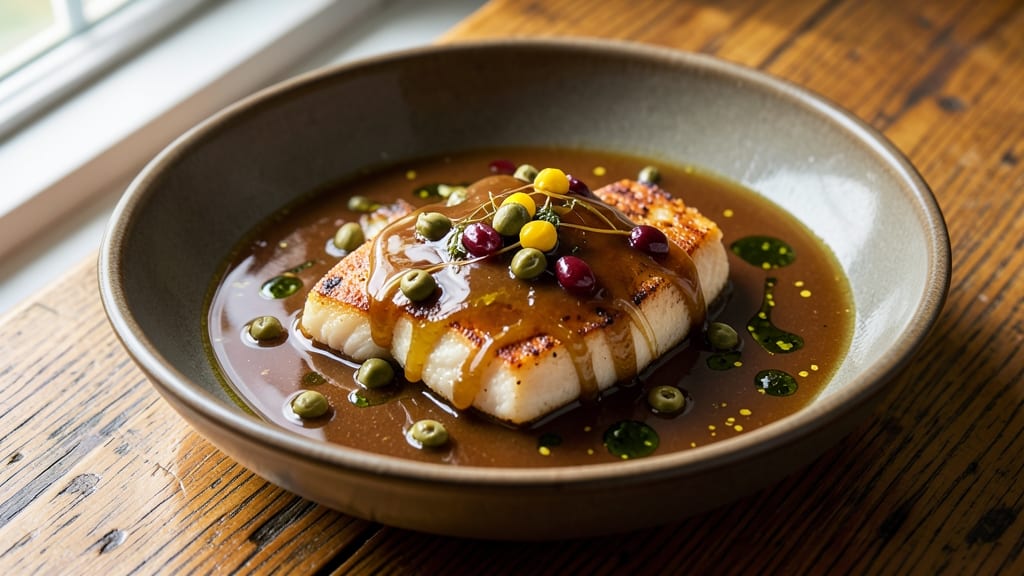
This Balmoral sauce recipe transforms classic British flavors into a velvety, herb-infused condiment that elevates roast beef to new heights. The secret lies in combining traditional elements like Worcestershire sauce and capers with a modern cream cheese twist, creating a sauce that's both rich and balanced.
What makes this version special is the way it marries the tangy depth of anchovies and vinegar with the smooth creaminess of cream cheese, resulting in a texture that clings beautifully to meat.
The preparation process is straightforward but requires attention to detail—simmering the ingredients until they meld into a harmonious blend, then allowing the sauce to cool and thicken naturally.
This method ensures a sauce that's neither too thin nor overly heavy, striking the perfect balance for drizzling over roasted meats or using as a dip. The addition of fresh herbs at the end brightens the flavors, adding a fresh contrast to the savory base.
What you'll achieve is a sauce that's restaurant-quality yet simple to prepare at home, with a rich tomato-herb profile that pairs perfectly with roast beef, lamb, or even grilled vegetables. The cream cheese element adds a luxurious mouthfeel, while the anchovies and Worcestershire provide that classic umami depth.
This isn't just a condiment—it's a flavor experience that transforms ordinary meals into something truly special.
Perfect for serving alongside Sunday roasts or using as a bold dip for crusty bread, this Balmoral sauce keeps well in the refrigerator for up to a week, making it an ideal make-ahead option for entertaining.
The recipe scales easily, so you can adjust the quantities to suit your needs without sacrificing flavor. Let's get started on creating this versatile, crowd-pleasing sauce.
Ingredients for balmoral sauce
Twelve ingredients blend British tradition with modern creaminess for a sauce that transforms roast beef into a luxurious experience.
| Ingredient | Amount | Notes |
|---|---|---|
| Extra-Virgin Olive Oil 🫒 | ¼ cup | High-quality, fruity variety |
| Shallots 🧅 | 4 whole | Finely minced, not chopped |
| Garlic Cloves 🧄 | 4 cloves | Peeled and minced |
| Anchovy Fillets 🐟 | 4 whole | High-quality, rinsed |
| Capers 🍈 | 2 tbsp | Chopped, not mashed |
| Worcestershire Sauce 🍶 | 2 tbsp | High-quality brand preferred |
| Red Wine Vinegar 🍷 | ½ cup | Dry, not sweet |
| Cream Cheese 🧀 | 8 oz | Full-fat, room temperature |
| Tomato Paste 🍅 | ½ cup | High-quality, no sugar added |
| Fresh Parsley 🌿 | ¼ cup | Chopped, stems removed |
| Fresh Tarragon 🌿 | 2 tbsp | Chopped, or substitute 1 tsp dried |
| Diamond Crystal Kosher Salt 🧂 | 1 tsp | Adjust to taste |
| Freshly Ground Black Pepper 🌶️ | ½ tsp | Adjust to taste |
The quality of your olive oil, anchovies, and Worcestershire sauce makes or breaks this sauce. Le Creuset or Maille olive oil adds depth, while Branca anchovies deliver authentic umami. Worcestershire sauce should be Lea & Perrins or similar—avoid the vinegar-heavy store brands. Shallots and garlic need to be finely minced for a silky texture; pulse them in a food processor for consistency. Capers should be non-pasteurized for the best briny punch, and you'll find them in the olive oil section of Whole Foods or specialty markets. Tarragon is non-negotiable here—fresh is ideal, but dried tarragon at one-third the amount works in a pinch.
No anchovies? High-quality fish sauce at half the amount provides umami depth, though it won't replicate the exact flavor. Substituting red wine vinegar for balsamic creates a sweeter profile, but the sauce will lack brightness. Cream cheese can be swapped for vegan cream cheese or even ricotta (though texture will differ). The tomato paste should be San Marzano if possible—its sweetness balances the acidity beautifully. For a smoother sauce, blend the finished mixture; for texture, leave it slightly chunky. If you're making this ahead, reduce the vinegar by 10% to prevent over-acidification during storage.
This sauce thickens as it cools, so reheat gently over low heat to restore its velvety consistency. Store in an airtight container with a thin layer of olive oil on top to preserve freshness—keeps for 5-7 days in the fridge or 3 months frozen. Portion into ice cube trays for single-use servings, then transfer to a freezer bag. The herbs should be added just before serving to maintain their vibrant color and freshness, so plan accordingly. If the sauce separates upon reheating, whisk vigorously to recombine.
Why You'll Love This Recipe
- Pantry Magic: I swear by this sauce because it lives in my fridge, waiting for the moment I forget to plan dinner. Just pull out those shallots and capers—no special shopping trip needed—and you’ve got a flavor bomb in minutes.
- Umami Bomb: That first bite? The anchovies and capers hit like a salty, briny punch, but it’s balanced by the sweetness of shallots caramelized in olive oil. It’s the kind of sauce that makes you pause mid-bite and think, “How is this so good?”
- Weeknight Hero: Drizzle it over grilled fish, toss it with pasta, or use it as a marinade—this sauce doesn’t judge. Honestly, I’ve even slathered it on toast with a sprinkle of flaky salt, and my kids still ask for seconds.
- Budget Game-Changer: A jar of capers and a few anchovies stretch this sauce across meals without breaking the bank. Make a double batch, and you’ve got dinner covered for days—no takeout menus required. (Yes, even on a Tuesday night.)
Step-by-step instructions for Balmoral sauce
This rich, velvety sauce transforms simple proteins into an elegant masterpiece.
Develop the Flavor Base with Shallots and Anchovies
Heat the 0.25 cup extra-virgin olive oil in a medium saucepan over medium-low heat. Add the 4 whole shallots and cook for 10-12 minutes until completely softened and translucent, stirring occasionally. This slow cooking prevents burning while extracting maximum flavor.
Increase heat to medium and add the 4 whole anchovy fillets, breaking them apart with a wooden spoon. Cook for 1-2 minutes until the anchovies dissolve completely into the oil. This step builds the umami foundation that carries through the entire sauce. If the mixture smells pungent, you're on the right track—don't rush this process.
Incorporate Aromatics and Acid Components
Add the 4 cloves minced garlic and cook for 30 seconds until fragrant but not browned. Immediately stir in the 2 tbsp chopped capers and 2 tbsp Worcestershire sauce, mixing well to combine. The capers add a bright, briny contrast that balances the richness.
Pour in the 0.5 cup red wine vinegar and scrape up any browned bits from the bottom of the pan. These flavorful deposits, called fond, are essential for depth. Simmer the mixture for 3-4 minutes until the vinegar reduces by half and the liquid becomes slightly syrupy in consistency.
Build the Creamy Tomato Foundation
Reduce heat to low and stir in the 0.5 cup tomato paste and 8 oz room-temperature cream cheese, whisking continuously until fully incorporated. The sauce will thicken noticeably as the cream cheese melts. If it becomes too stiff, add 1-2 tablespoons water to loosen it to a smooth, pourable consistency.
Continue cooking for 5-7 minutes until the sauce reaches a velvety texture and coats the back of a spoon. This gentle simmering prevents curdling while developing the sauce's signature richness. Taste and adjust seasoning with the 1 tsp Diamond Crystal kosher salt and 0.5 tsp freshly ground black pepper—the balance of acid, salt, and umami should be harmonious.
Finish with Fresh Herbs and Final Adjustments
Remove the sauce from heat and stir in the 0.25 cup chopped fresh parsley and 2 tbsp chopped fresh tarragon. These herbs add a bright, aromatic finish that cuts through the richness. Let the sauce sit for 5 minutes to allow the flavors to meld completely.
For serving, gently reheat the sauce if needed, adding small amounts of water as necessary to reach your desired consistency. This sauce pairs beautifully with grilled meats, roasted vegetables, or as a luxurious topping for mashed potatoes. The final texture should be smooth, velvety, and perfectly balanced between creamy and tangy.
Pro Tips For Making Balmoral Sauce
- Sweat Shallots Slowly: I learned this the hard way—if you rush the shallots, they’ll turn bitter before they soften. Simmer them in the olive oil over low heat for 8-10 minutes, stirring occasionally, until they’re translucent and just starting to caramelize. That’s when they’ll give up their sweetness instead of fighting you.
- Mince Anchovies Fine: Skip the chopping board—just press each anchovy fillet flat with your knife blade, then drag it across the cutting board in quick strokes. This way, they dissolve smoothly into the sauce instead of leaving visible chunks (or worse, a fishy surprise). Do this right after toasting the shallots.
- Don’t Boil the Capers: Tossing capers straight from the jar into hot oil is a recipe for bitterness. Rinse them first if they’re packed in brine, then pat very dry with a paper towel. Add them toward the end, when the sauce is just simmering—not rolling. They’ll stay briny and bright, not like sad, overcooked olives.
- Finish with Cold Oil: Sounds weird, but it works: let the sauce cool for 2 minutes after removing from heat, then drizzle in a teaspoon of room-temperature olive oil. This stops the emulsification (yes, it’s happening) and gives the sauce that silky, restaurant-worthy finish. Trust me, your taste buds will notice.
Perfect pairings for this dish
Classic Roast Beef Pairing
This Balmoral sauce was literally designed to elevate roast beef—particularly prime rib or beef tenderloin—to restaurant-quality levels. The sauce's creamy texture and umami depth complement the beef's natural richness without overpowering it.
I recommend serving it warm over sliced rare to medium-rare beef, drizzled generously while still juicy. For extra drama, spoon it over beef Wellington or corned beef hash—the tangy capers and Worcestershire cut through the fatty richness beautifully. 🥩
Lamb and Game Birds
Don't limit this sauce to beef! It pairs exceptionally with lamb chops or leg of lamb, where its herby brightness contrasts the meat's gamey notes. Try it with roast leg of lamb at medium-rare (130°F internal temp), spooning the sauce over the slices before serving.
For poultry lovers, duck confit or roast chicken thighs become luxurious when topped with this sauce—especially if you add a pinch of fresh thyme to the herbs. The cream cheese base softens the duck's richness while the anchovies add depth.
Vegetarian and Vegan Adaptations
With a few tweaks, this sauce becomes a vegan powerhouse for plant-based mains. Swap the cream cheese for vegan cream cheese or cashew cream (blend ½ cup soaked cashews with ¼ cup water), and use vegetable broth instead of water for thinning.
It works beautifully with portobello mushrooms (marinated in balsamic and roasted at 400°F for 20 minutes) or eggplant steaks (grilled until tender). For a vegan Wellington, stuff puff pastry with lentils and mushrooms—this sauce will make it irresistible. 🌱
Bread and Cheese Pairings
This sauce isn't just for meat! Spread it on toasted sourdough or brioche for an open-faced sandwich that rivals French onion soup. The cream cheese element adds a luxurious mouthfeel, while the capers and anchovies give it a sophisticated kick.
For cheese lovers, pair it with aged cheddar or blue cheese—the tangy sauce cuts through the sharpness beautifully. I love serving it as a dipping sauce for crusty baguette slices at cocktail parties—it disappears faster than you'd expect! 🧀
Grilled and Smoked Proteins
Take your grilled or smoked meats to the next level by basting them with this sauce during the last 5-10 minutes of cooking. It works especially well with smoked brisket (apply at 203°F internal temp) or grilled pork chops.
For smoked salmon, the sauce's herby notes complement the fish's natural oils without overpowering them. Even grilled halloumi cheese becomes gourmet when topped with this sauce—sprinkle with toasted pine nuts for extra crunch. The key is to reheat the sauce gently before applying to maintain its velvety texture. 🔥
Unexpected Twists
Think outside the roast! This sauce adds a bold dimension to mashed potatoes—simmer 1 cup of the sauce with 1 cup mashed potatoes for 5 minutes to create a creamy, herby side dish. It also elevates pasta dishes: toss with fettuccine and sautéed spinach for a one-pan meal.
For a breakfast twist, drizzle it over scrambled eggs or bacon—the saltiness balances the richness perfectly. Even roasted Brussels sprouts (tossed with balsamic glaze) become a showstopper when finished with this sauce. The possibilities are endless! 🍳
Nutrition facts
Frequently asked questions about Balmoral sauce
What makes this Balmoral sauce different from traditional versions?
This recipe modernizes the classic British sauce by adding cream cheese for a velvety texture while keeping the traditional anchovies, capers, and Worcestershire sauce. The result is a richer, more balanced sauce that's smoother than traditional versions but still packed with authentic umami flavor.
Can I make this sauce ahead of time?
This sauce actually tastes better the next day as the flavors meld. Store it in an airtight container in the fridge for up to 7 days, or freeze for 3 months. Reheat gently over low heat, adding small amounts of water if it thickens too much. The herbs should be added fresh before serving for maximum flavor.
What's the best way to reheat Balmoral sauce?
Gently reheat over low heat in a saucepan, stirring constantly to prevent separation. If it thickens too much, add 1-2 tablespoons water at a time until you reach a smooth, pourable consistency. Never microwave—it can cause the cream cheese to separate. For best results, reheat just until warm, then finish with fresh herbs.
Can I substitute any ingredients?
Yes, with some adjustments: Use vegan cream cheese for a plant-based version, or fish sauce instead of anchovies (reduce by half). For a sweeter profile, replace red wine vinegar with balsamic vinegar, but expect less brightness. Avoid heavy cream—it will make the sauce too rich. The key is maintaining the balance of acidity and umami.
Why did my sauce separate when reheating?
This usually happens when the sauce cools too quickly or is reheated too aggressively. Whisk vigorously to recombine, then reheat over low heat with 1-2 tablespoons water to restore smoothness. For next time, let the sauce cool gradually at room temperature before refrigerating. The cream cheese base is delicate, so gentle handling is key.