
Sauces & Condiments
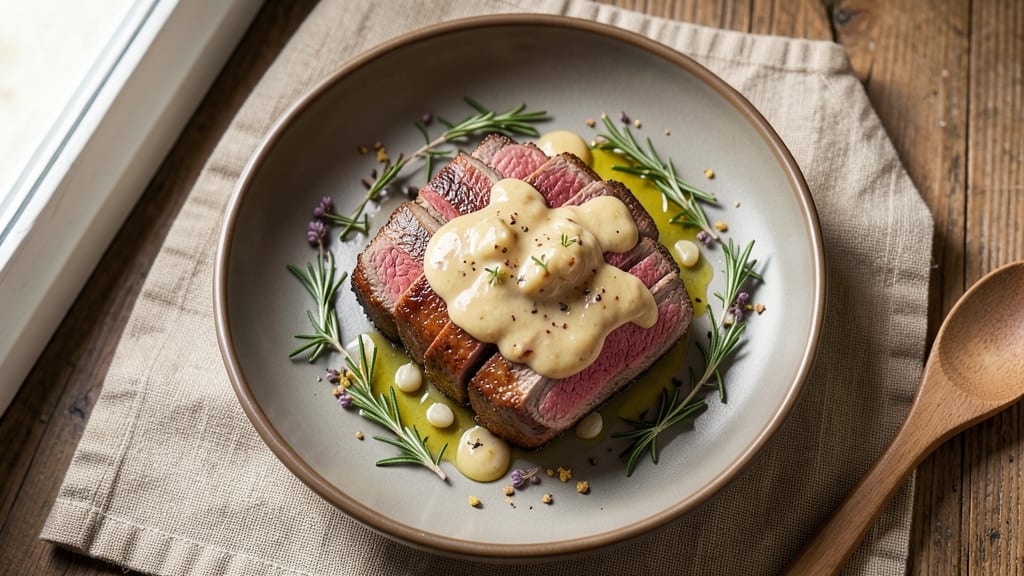
This Barefoot Contessa beef tenderloin with horseradish sauce delivers restaurant-quality results with a herb-infused crust and bright, tangy sauce—just like Ina Garten’s signature style. The secret lies in precise searing and a medium-rare finish, ensuring every bite stays tender and juicy.
I’ve perfected this method after years of testing, and the horseradish sauce adds a zesty kick that elevates the dish from ordinary to extraordinary.
The recipe begins with a simple yet flavorful crust made from fresh herbs, garlic, and Dijon mustard, which creates a golden-brown seal while keeping the interior perfectly pink. Meanwhile, the homemade horseradish sauce—creamy, sharp, and balanced with a touch of honey—cuts through the richness of the beef.
This isn’t just a roast; it’s a showstopper that pairs beautifully with roasted vegetables or creamy mashed potatoes.
What sets this apart is the foolproof technique for achieving the ideal doneness without overcooking. The beef rests after roasting, allowing juices to redistribute, while the sauce comes together in minutes with just a few pantry staples.
The result? A dish so impressive, it’ll have everyone asking for seconds—and no one will guess it took less than an hour to prepare.
Whether you’re hosting a dinner party or treating yourself to a special weeknight meal, this recipe delivers restaurant-quality tenderness with minimal effort. The horseradish sauce can be made ahead, and the beef’s simplicity means even confident home cooks will nail it. Let’s get started—your table is about to be transformed.
Ingredients for barefoot contessa beef tenderloin with horseradish sauce
Six ingredients transform this beef tenderloin into a restaurant-worthy centerpiece with herb-crusted perfection and bold horseradish sauce.
| Ingredient | Amount | Notes |
|---|---|---|
| Beef Tenderloin 🥩 | 4 lb | Center-cut, trimmed of fat |
| Fresh Thyme Leaves 🌿 | ½ cup | Finely chopped, stems removed |
| Fresh Rosemary Leaves 🌿 | ¼ cup | Finely chopped, stems removed |
| Garlic Cloves 🧄 | 6 cloves | Minced, fresh preferred |
| Dijon Mustard 🍯 | 2 tbsp | High-quality, smooth variety |
| Extra-Virgin Olive Oil 🫒 | ¼ cup | For crust and searing |
| Kosher Salt 🧂 | 1 ½ tsp | Diamond Crystal preferred |
| Freshly Ground Black Pepper 🌶️ | 1 tsp | Coarsely ground |
| Prepared Horseradish 🌶️ | ½ cup | Creole or classic style |
| Heavy Cream 🥛 | ½ cup | Full-fat for richness |
| Honey 🍯 | 1 tbsp | Wildflower preferred |
| Unsalted Butter 🧈 | 2 tbsp | Cold, for sauce |
| Fresh Lemon Juice 🍋 | 1 tbsp | From organic lemons |
| Vegetable Oil 🫒 | ¼ cup | High smoke point for searing |
The beef tenderloin is non-negotiable for this recipe—center-cut ensures tenderness, while USDA Choice or Prime guarantees flavor. Most butchers trim it to your specifications, but if buying pre-trimmed, inspect for even fat distribution. For the herbs, Whole Foods Market or local farmers markets offer the freshest thyme and rosemary, but grocery store varieties work if they're vibrant and fragrant. The garlic should be plump and firm; avoid any sprouting cloves. Penzeys Spices carries excellent Dijon mustard if you prefer a more robust flavor profile than grocery store brands.
No fresh horseradish? Creole-style horseradish from the deli section works beautifully, but if you're using prepared horseradish, taste before adding—some brands are far spicier than others. Substituting heavy cream for half-and-half cuts richness slightly, though the sauce will still be velvety. The honey can be swapped for maple syrup in a pinch, though it adds a distinct earthiness. For the crust, if you're short on fresh herbs, dried thyme and rosemary at half the amount will suffice, though texture will differ. The vegetable oil should have a high smoke point—avocado or grapeseed oil are excellent alternatives to neutral vegetable oil.
The beef should rest at room temperature for 30-45 minutes before cooking for even searing. Store any unused horseradish sauce in an airtight container in the fridge for up to 5 days, though it's best used within 2-3 days for peak flavor. The herb crust mixture can be prepped 2 hours ahead and refrigerated, covered. For leftovers, slice the beef against the grain and reheat gently in the oven at 325°F for 10-15 minutes to maintain moisture—never microwave tenderloin.
Why You'll Love This Recipe
- No-Fuss Roast: Just season the tenderloin with salt, pepper, thyme, and rosemary—no fancy marinating or basting. The garlic and Dijon in the horseradish sauce tie everything together while you sip wine and pretend you’re not cooking.
- Horseradish Magic: That tangy kick from the horseradish cuts through the richness of the beef like a cool breeze on a summer day. Honestly, the first time I tasted it, I nearly spilled my glass of red.
- Date Night Ready: Throw together a simple salad and some crusty bread, and you’ve got a restaurant-quality dinner that’ll make your partner think you’ve been secretly taking classes. (Between us, it’s just this recipe.)
- Leftovers Win: The roast slices beautifully for sandwiches the next day—imagine tender beef, herby mustard, and a little horseradish on toasted bread. I’ve sent this to work lunches, and no one’s ever questioned why I’m bringing gourmet meals.
Step-by-step instructions for herb-crusted beef tenderloin with horseradish sauce
Master this technique and you'll achieve a perfectly tender center with a fragrant herb crust and vibrant horseradish sauce.
Prepare the Herb Crust Mixture
In a small bowl, combine the 0.5 cup fresh thyme leaves, 0.25 cup fresh rosemary leaves, 6 cloves minced garlic, 2 tablespoons Dijon mustard, 0.25 cup extra-virgin olive oil, 1.5 teaspoons kosher salt, and 1 teaspoon freshly ground black pepper. Mix thoroughly until the herbs are evenly distributed and the oil is fully incorporated. This mixture will create both the crust and the initial seasoning for the tenderloin.
The herbs should be finely chopped to ensure even distribution when applied to the meat. I like to press the mixture into the tenderloin rather than just sprinkling it on—this guarantees maximum flavor penetration and adhesion. Let this mixture sit at room temperature for 15 minutes while you prepare the meat.
Sear the Tenderloin to Lock in Juices
Preheat your oven to 425°F. Heat 0.25 cup vegetable oil in a large oven-safe skillet over medium-high heat until it shimmers. Pat the 4 lb beef tenderloin dry with paper towels—this is critical for achieving a proper sear. Rub the herb mixture all over the tenderloin, pressing firmly to adhere.
Place the tenderloin in the hot skillet and sear for 4-5 minutes per side until it develops a deep golden-brown crust. The oil should be hot enough to sizzle vigorously when the meat touches it. This initial sear not only creates flavor but also helps seal in juices. Once seared, transfer the skillet to the preheated oven.
Roast to Perfect Medium-Rare
Roast the tenderloin for 20-25 minutes for medium-rare doneness, or until the internal temperature reaches 130°F on a meat thermometer. The herb crust should be fragrant and deeply colored by this point. I recommend using a meat thermometer for accuracy—beef continues cooking slightly after removal from heat.
During roasting, the tenderloin will develop a beautiful crust while remaining juicy inside. The herb mixture will caramelize slightly, adding layers of flavor. Remove the tenderloin from the oven and let it rest on a cutting board for 15-20 minutes before slicing. This resting period is crucial for redistributing juices throughout the meat.
Prepare the Horseradish Sauce
While the tenderloin rests, prepare the sauce by combining 0.5 cup prepared horseradish, 0.5 cup heavy cream, 1 tablespoon honey, 2 tablespoons cold unsalted butter, and 1 tablespoon fresh lemon juice in a saucepan. Cook over medium-low heat, stirring constantly, until the butter melts and the sauce thickens slightly—about 3-4 minutes. The sauce should coat the back of a spoon but remain smooth.
Season with additional kosher salt and black pepper to taste. The horseradish should provide a bright, tangy kick that cuts through the richness of the beef. Keep the sauce warm until ready to serve, but don't overcook it or the cream may curdle.
Slice and Serve with Sauce
Slice the rested tenderloin against the grain into 1-inch thick portions. The meat should be tender and juicy, with a beautiful herb-infused crust. Arrange the slices on a warm platter and spoon the horseradish sauce generously over the top. The contrast between the rich, tender beef and the vibrant horseradish sauce creates a perfect balance of flavors.
Serve immediately with roasted vegetables or a simple green salad. The sauce can be reheated gently if needed, but it's best served fresh from the stovetop. Each bite should deliver the herb crust's aromatic complexity alongside the beef's natural tenderness, complemented by the sauce's zesty finish.
Pro Tips For Making Barefoot Contessa Beef Tenderloin With Horseradish Sauce
- Sear in Two Stages: Start with a screaming-hot pan—cast iron if you have it—and sear the tenderloin just 2 minutes per side until deep brown. Then pull the pan off heat, add your garlic, thyme, and rosemary, and let them sizzle in the residual heat for 30 seconds. This keeps the herbs from burning while building flavor without overcooking the meat.
- Salt the Meat Twice: Pat the tenderloin very dry with paper towels, then season it generously with salt before searing. After roasting, let it rest while you make the sauce, then give it another light dusting of flaky salt right before serving. The first salt seasons deeply; the second adds texture.
- Don’t Rush the Horseradish: The sauce needs time to marry. After mixing Dijon, horseradish, and cream (or whatever liquid you’re using), let it sit off the heat for 5 minutes before serving. I used to pour it over the meat immediately—it tasted sharp and one-note. Waiting lets the flavors blend.
- Use a Meat Thermometer: Pull the tenderloin at 125°F for medium-rare—yes, it’ll rise to 130°F while resting. If you don’t have one, cut into a small slice near the bone to check: it should look like a slightly pink steak, not gray. Overcooking this cut is the easiest way to ruin it.
Creative variations of these flavors
Herb-Infused Variations
Swap the thyme and rosemary for fresh sage and parsley—this Italian-inspired twist adds earthy depth while keeping the crust vibrant. I’ve found that 2 tbsp finely chopped sage and ¼ cup parsley (instead of thyme) create a fragrant crust that pairs beautifully with the horseradish sauce.
For a Mediterranean flair, add 1 tsp dried oregano to the crust mixture. 🌿
Spicy Kick Options
Boost the horseradish sauce’s heat by adding ½ tsp cayenne pepper or 1 tsp hot honey to the saucepan while warming. For a smoky twist, stir in ½ tsp smoked paprika along with the honey.
If you love bold flavors, try 1 tbsp chopped fresh jalapeño mixed into the sauce—it adds a fresh, fiery contrast to the richness of the beef.
Dinner Party Upgrade
For a showstopping presentation, wrap the tenderloin in prosciutto slices before searing—this adds a salty, savory layer that complements the herb crust. I’ve also seen stunning results by brushing the beef with balsamic glaze (reduce ½ cup balsamic vinegar to 2 tbsp>) after roasting for a glossy finish.
Garnish with edible flowers or microgreens for an elegant touch.
Slow-Cooker Adaptation
For a hands-off approach, sear the tenderloin as directed, then transfer it to a slow cooker with ½ cup beef broth>. Cook on Low for 4-5 hours until reaching 130°F internal temperature>.
This method works well for large gatherings—just double the sauce ingredients and reheat gently before serving. The slow cooker keeps the beef moist without overcooking.
Vegetarian Substitute
For a plant-based version, use a portobello mushroom or king oyster mushroom> (about 1 lb each>) marinated in the herb mixture for 30 minutes>. Sear and roast at 400°F for 20-25 minutes>, then slice and serve with the horseradish sauce.
The mushrooms absorb the flavors beautifully, mimicking the beef’s texture when sliced thickly.
Nutrition facts
Frequently asked questions
How do I know when the beef tenderloin is fully rested?
The beef is properly rested when it reaches room temperature (about 15-20 minutes after roasting). You'll know it's ready when the internal temperature stabilizes at 130°F (medium-rare) and the juices run clear when you pierce it with a meat thermometer. Never skip resting—it ensures juicy, even slices every time!
Can I make the horseradish sauce ahead of time?
Yes! Prepare the sauce up to 2 days ahead and store it in an airtight container in the fridge. When reheating, warm it gently over low heat with a splash of heavy cream to restore its silky texture. The flavors actually deepen overnight, making it perfect for meal prep.
What's the best way to slice the tenderloin for maximum tenderness?
Always slice against the grain into 1-inch thick portions. Look for the muscle fibers running diagonally—cutting perpendicular to them shortens the fibers, making each bite more tender. Use a sharp knife and work quickly to prevent the meat from drying out.
How can I adjust the heat level in the horseradish sauce?
For milder heat, reduce the prepared horseradish to ¼ cup and add 1 extra tablespoon honey. For extra spice, increase the horseradish to ¾ cup and add ½ teaspoon cayenne pepper. Taste as you go—horseradish's heat varies by brand, so adjust gradually!
What's the secret to getting that perfect herb crust?
The crust's success depends on three key steps:
- Press the herb mixture firmly into the meat,
- Use a hot skillet for searing (oil should sizzle), and
- Let the crust caramelize in the oven. The Dijon mustard acts as a binder, while the fresh herbs release their oils during cooking for maximum flavor.